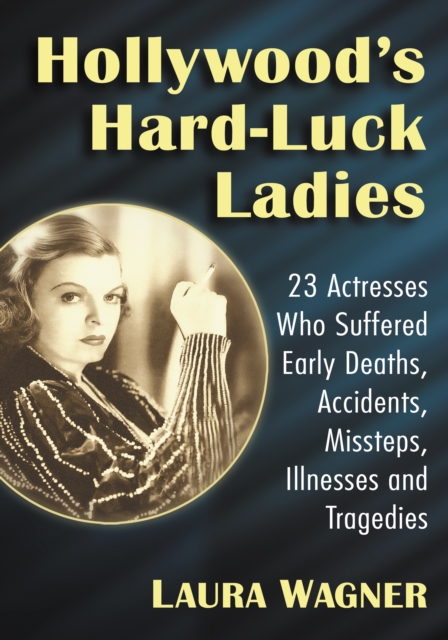
In the era of Hollywood now considered its Golden Age, there was no shortage of hard-luck stories--movie stars succumbed to mental illness, addiction, accidents, suicide, early death and more.
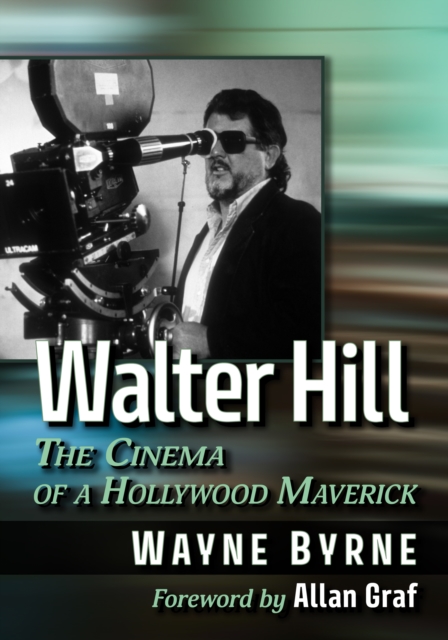
This is a comprehensive journey through the long career of auteur Hollywood filmmaker Walter Hill, director of The Driver, The Warriors, Southern Comfort, 48 Hrs.
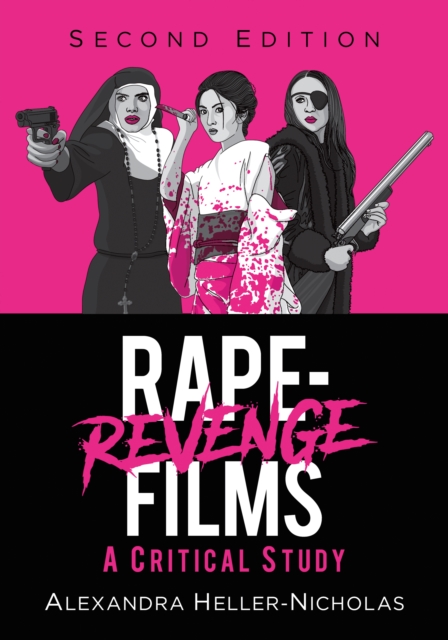
Often considered the lowest depth to which cinema can plummet, the rape-revenge film is broadly dismissed as fundamentally exploitative and sensational, catering only to a demented, regressive demographic.
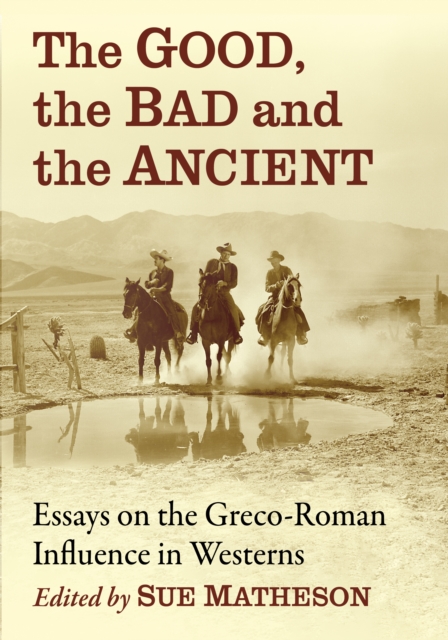
Although Americans are no longer compelled to learn Greek and Latin, classical ideals remain embedded in American law and politics, philosophy, oratory, history and especially popular culture.
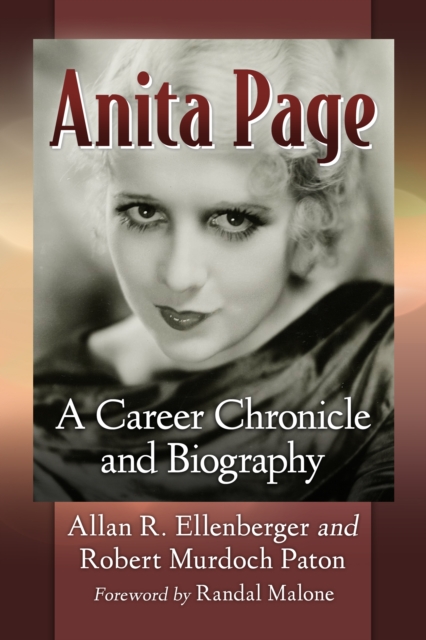
Anita Page (1910-2008) first captured attention near the end of the silent film era in such classics as While the City Sleeps (1928) with Lon Chaney, The Flying Fleet (1929) with Ramon Novarro, and her own favorite, Our Dancing Daughters (1928) with Joan Crawford.
Andy Clyde starred in the second-longest series of shorts at Columbia Pictures (after the Three Stooges), with nearly 80 productions from 1934 to 1956.
Individual reviews of 90+ films created and released before 1941 are included here in the first title-by-title reference guide to the forerunners of film noir.
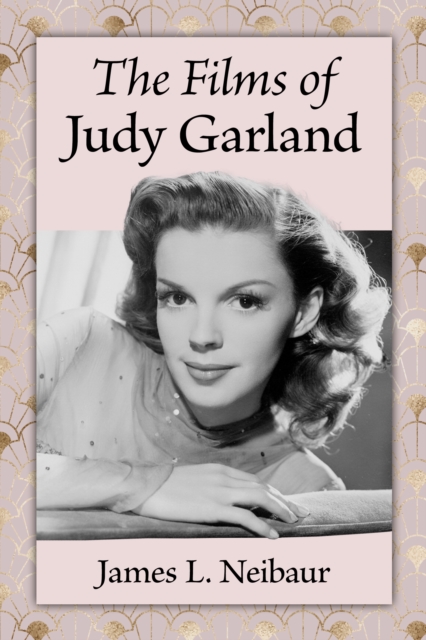
In 1969 a man walked upon the moon, the Woodstock music festival was held in upstate New York, Richard Nixon was sworn in as the president of the United States, the Beatles made their last public appearance, as did, after a fashion, Judy Garland, Dwight D.
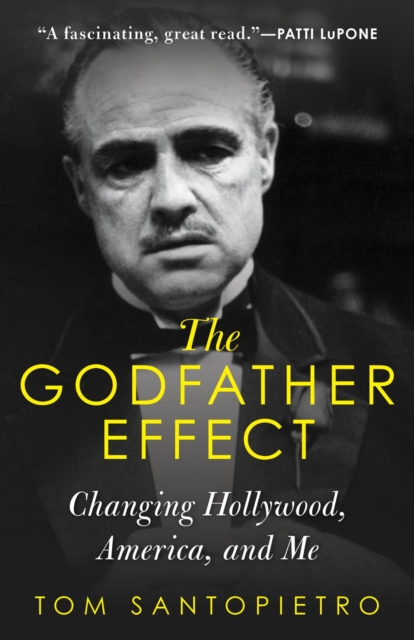
Fifty years and one billion dollars in gross box-office receipts after the initial release of The Godfather, Francis Ford Coppola's masterful trilogy continues to fascinate viewers old and new.
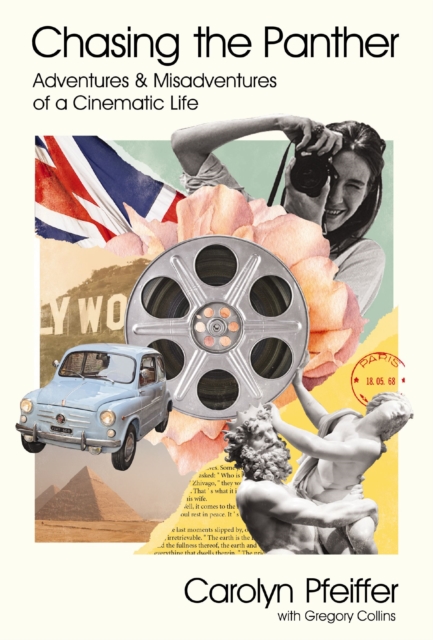
A cinematic and vibrant coming-of-age memoir, Chasing the Panther captures the thrilling and, at times, heartbreaking early years of Carolyn Pfeiffer, a pioneering film producer and one of Hollywood's first female executivesa ';mini-mogul' in the words of the Wall Street Journal.
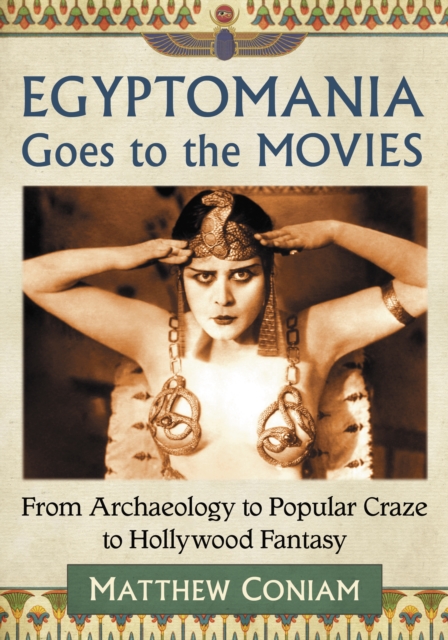
"e;Egyptomania,"e; the West's obsession with the strange and magnificent world of Ancient Egypt, has for centuries been reflected in architecture, literature and the performing arts.
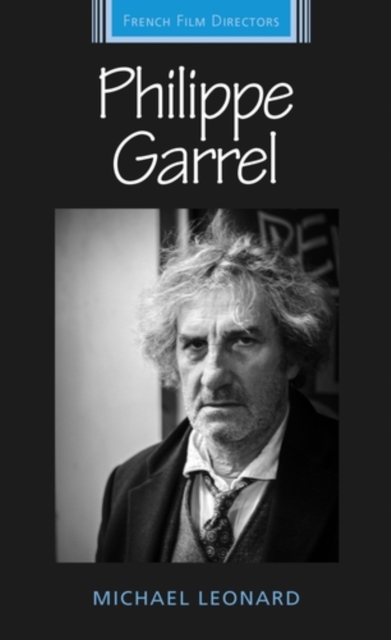
Described by Giles Deleuze as 'one of the greatest modern auteurs', Philippe Garrel is widely acknowledged as the most significant filmmaker to emerge in France after the New Wave.
Idols of the Odeons examines British film stardom in the post-war era, a time when Hollywood movies were increasingly supplanting the Pinewood/Elstree studio system.
In December of 1997, the International Monetary Fund announced the largest bailout package in its history, aimed at stabilizing the South Korean economy in response to a credit and currency crisis of the same year.
In Hollywood Remembered, a wide array of Tinseltown veterans share their stories of life in the city of dreams from the days of silent pictures to the present.
An academically acclaimed and globally celebrated cultural critic, Hamid Dabashi is the Hagop Kevorkian Professor of Iranian Studies and Comparative Literature at Columbia University.
The mere hint recently that British actor Idris Elba might take up the mantle of James Bond in future instalments of the film franchise was a major international news story - a testament to the enduring interest and appeal of Bond, a figure who has become a true global icon.
Taking as its starting point the notion of photocinema - or the interplay of the still and moving image - the photographs, interviews, and critical essays in this volume explore the ways in which the two media converge and diverge, expanding the boundaries of each in interesting and unexpected ways.
This landmark collection draws together a number of accessible and insightful essays that explore, for the first time, an exciting new area of academic analysis and debate.
Beyond Auteurism is a comprehensive study of nine film authors from France, Italy and Spain who since the 1980s have blurred the boundaries between art-house and mainstream, and national and transnational film production.
New Zealand has produced one of the world’s most vibrant film cultures, a reflection of the country’s evolving history and the energy and resourcefulness of its people.
Over the first two decades of the 21st century, celebrity has undergone significant changes as mass media have shifted from a restricted broadcast model to a digital free-for-all.
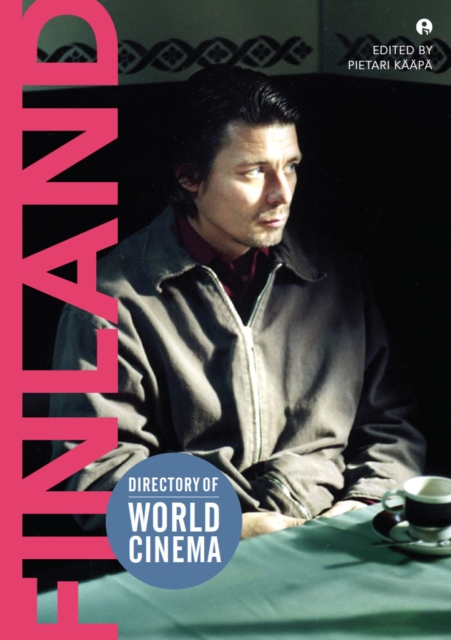
An important addition to Intellect's popular series, Directory of World Cinema: Finland provides historical and cultural overviews of the country's cinema.
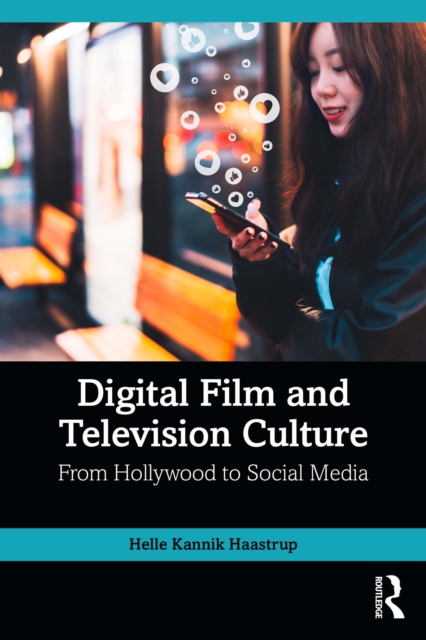
Digital Film and Television Culture introduces a new framework for the aesthetic and cultural analysis of contemporary film and serial drama, stars on social media and movie awards shows.
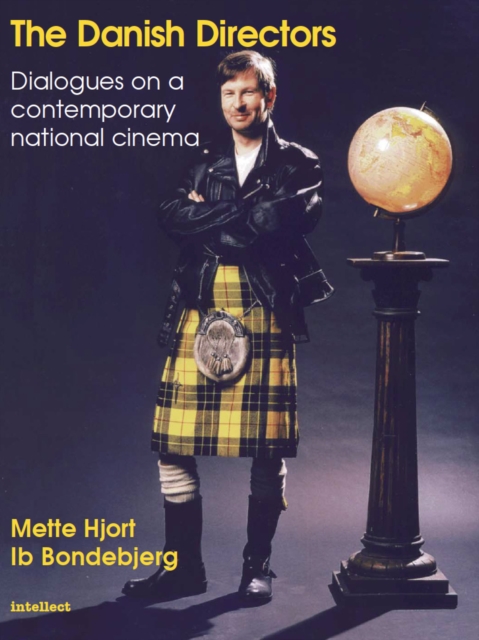
Profiling the canonized figures alongside recently-established filmmakers, this collection features interviews with Lars von Trier, S ren Kragh-Jacobsen, Thomas Vinterberg and Henning Carlsen among many others.
Unlike other books on architecture and film, Architecture Filmmaking investigates how the now-expanded field of architecture utilizes the practice of filmmaking (feature/short film, stop motion animation and documentary) or video/moving image in research, teaching and practice, and what the consequences of this interdisciplinary exchange are.