Hubo que esperar hasta el año de 2007 para que el Teatro Completo de Jorge Isaacs estuviera seria y dignamente tratado como lo que era: parte significativa y representativa de uno de los mayores autores de la literatura latinoamericana del siglo XIX.
En los últimos veinte años, las publicaciones sobre los diseños en América Latina han comenzado a revelar la diversidad y riqueza que presentan sus distintas historias.
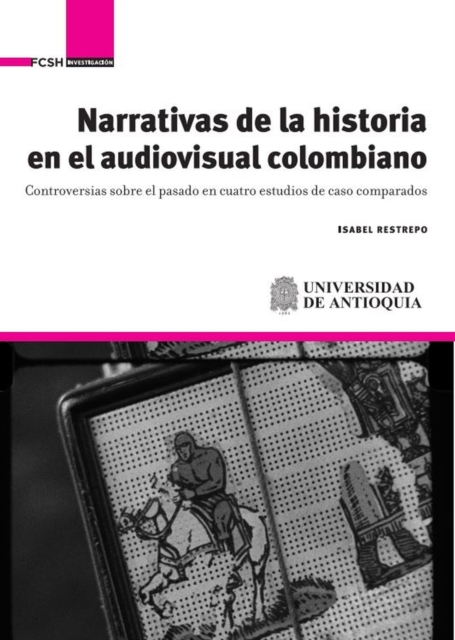
La escritura lineal de la historia como correlato de la idea de progreso ha sido puesta en duda por los nuevos usos de los archivos cinematográficos, que ofrecen otros posibles sentidos del pasado.
Teniendo en cuenta que tanto la historia escrita como la historia audiovisual constituyen actos de interpretación articulados a los contextos de producción y, en ese sentido, pueden hablarnos tanto del presente en que son producidas, como del hecho histórico que intentan evocar, este libro parte de la premisa que considera el audiovisual y la historia escrita como fuentes y objetos de reflexión sobre los imaginarios de la historia, los usos del pasado y los condicionamientos e incidencias sociales de la producción del conocimiento histórico.
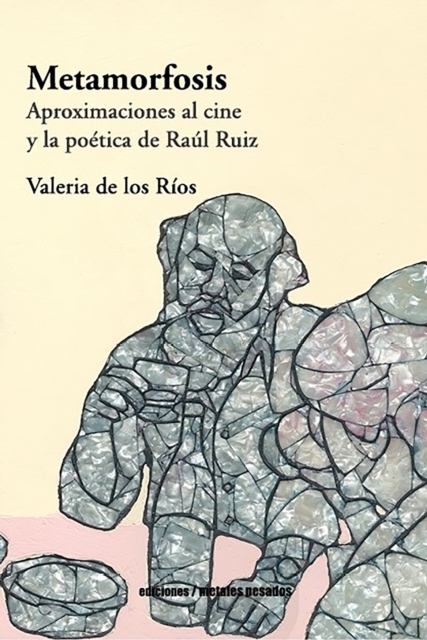
A lo largo de las aproximaciones que conforman Metamorfosis, Valeria de los Ríos proporciona valiosas claves para entrar al mundo multiforme, laberíntico y siempre cambiante –como un ser vivo– del cine de Raúl Ruiz.
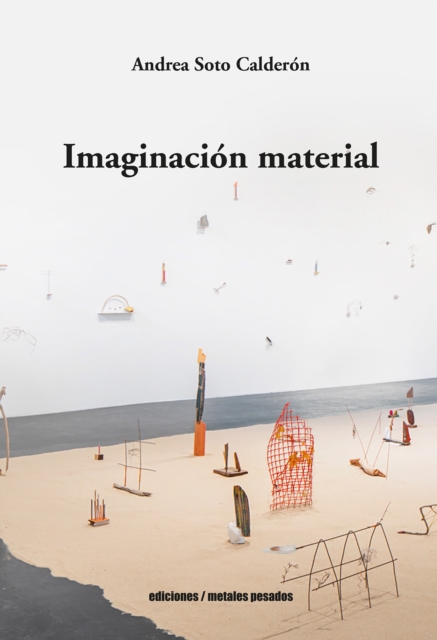
Este libro se propone introducir un desvío en la comprensión habitualde la imaginación, expandir el término para que no se repliegue a loslímites que han determinado su uso, en un momento histórico endonde no se deja de anunciar su obturación.
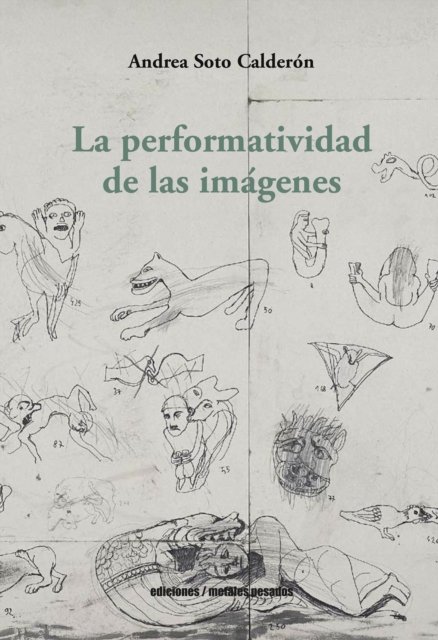
La inquietud que no deja de manifestarse bajo diversas formas en este libro es por el poder ambivalente de las imágenes, un intento persistente por desplazar la pregunta sobre qué son las imágenes hacia sus maneras de hacer, su performatividad.
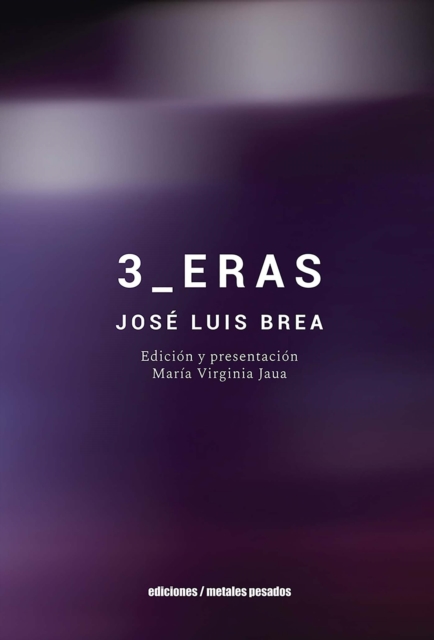
Este libro, único texto inédito —hasta ahora— de José Luis Brea, es un guion y nace a partir de la versión fílmica del libro Las tres eras de la imagen.
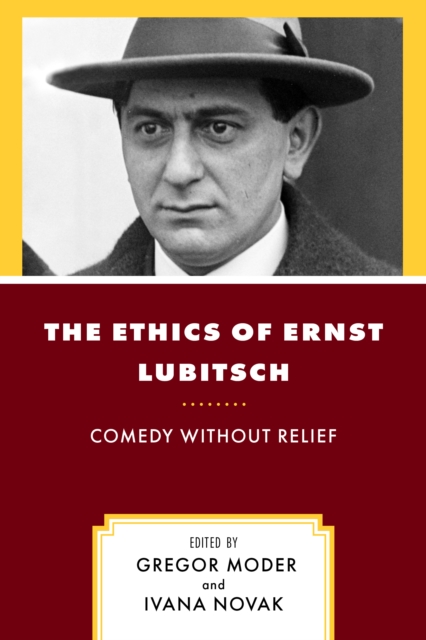
Against the idea that comedy offers us a relief from the horrors of the real world, the German-Jewish-American filmmaker Ernst Lubitsch defended his masterpiece To Be or Not to Be, a comedy from 1942 about the concurrent Nazi occupation of Poland, with the claim that he had made up his mind "e;to make a picture with no attempt to relieve anybody from anything at any time.
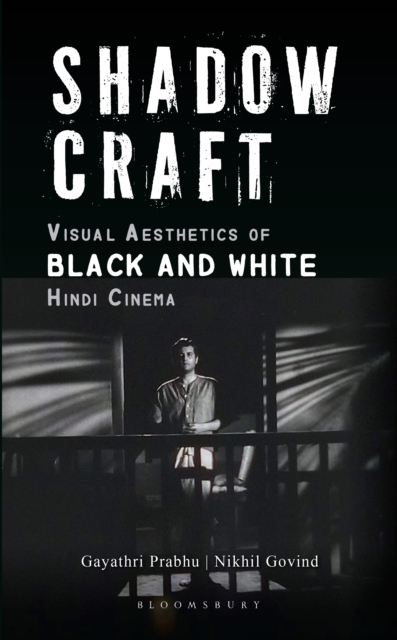
The years between Indian independence (1947) and the dominance of colour cinema (early 1960s) saw the emergence and fruition of a distinct, confident, and nuanced black and white aesthetic in Hindi mainstream cinema.
The years between Indian independence (1947) and the dominance of colour cinema (early 1960s) saw the emergence and fruition of a distinct, confident, and nuanced black and white aesthetic in Hindi mainstream cinema.
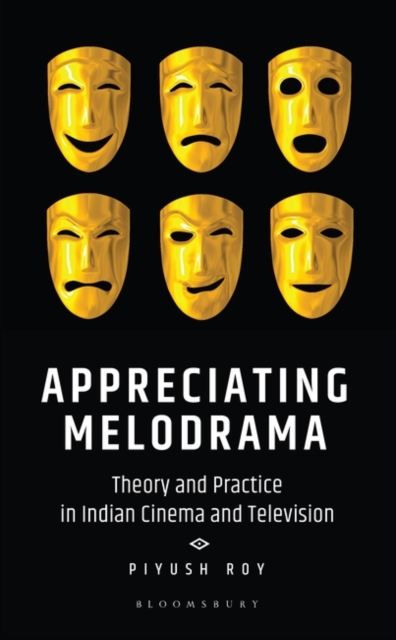
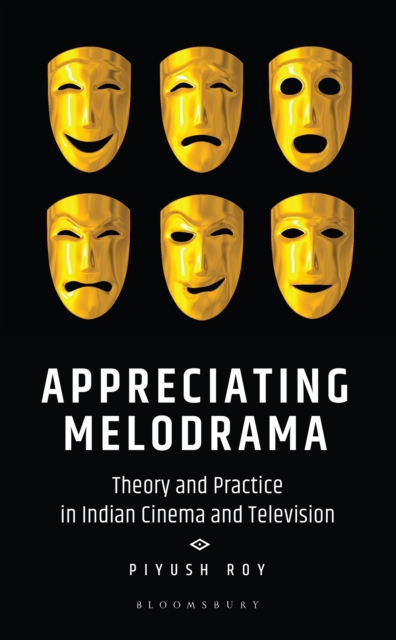
Appreciating Melodrama: Theory and Practice in Indian Cinema and Television seeks to identify and appreciate the continual influence of the ancient Sanskrit drama treatise, the Natyashastra, and its theory of aesthetics, the rasa theory, on the unique narrative attributes of Indian cinema.
Appreciating Melodrama: Theory and Practice in Indian Cinema and Television seeks to identify and appreciate the continual influence of the ancient Sanskrit drama treatise, the Natyashastra, and its theory of aesthetics, the rasa theory, on the unique narrative attributes of Indian cinema.
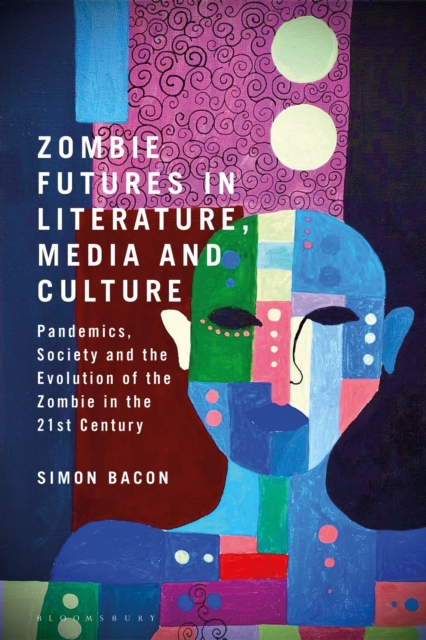
An innovative investigation into how zombie narratives over the past ten years have been specifically leading up to a unique intersection with the world as it exists in the 2020s, this book posits the undead as a vehicle to communicate humanity's pathway into, and out of, the ideological, health and environmental pandemics of our time.
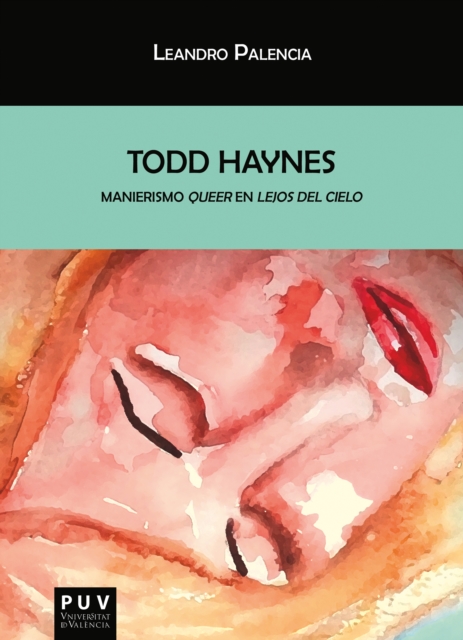
'Lejos del cielo' ('Far from Heaven', Todd Haynes, 2002) es una de las películas más experimentales realizadas dentro de la cultura de masas o popular.
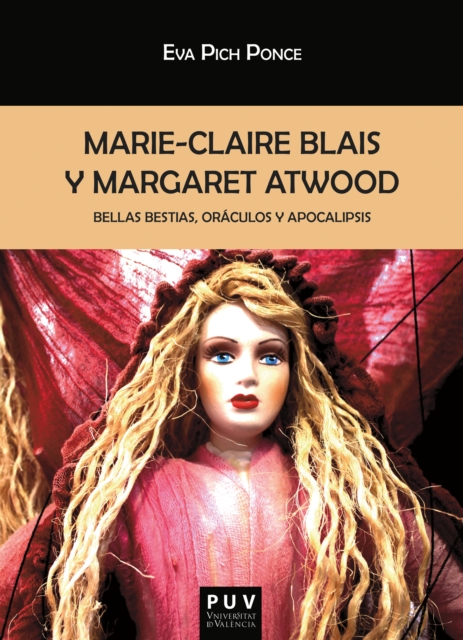
Basándose en las novelas de Blais y de Atwood, Eva Pich Ponce describe en este estudio la relación entre la literatura canadiense anglófona y la literatura quebequense.
La dilatada y fructífera experiencia como uno de los investigadores más destacados de las letras norteamericanas en nuestro país permite a Félix Martín examinar los supuestos que invitan hoy a recuperar el protagonismo de la historia literaria de los Estados Unidos en las aulas.
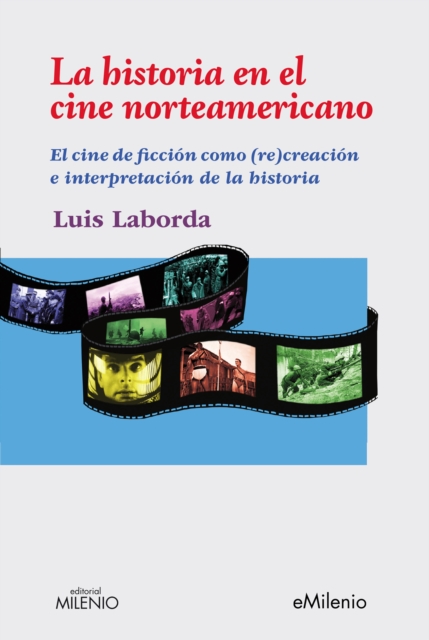
Este libro estudia las formas en que las películas producidas por los grandes estudios de Hollywood transmiten unos determinados elementos ideológicos que garantizan el consenso nacional y proyectan una imagen externa funcional a los intereses de quienes ejercen el poder en la Casa Blanca.
A través del análisis de los múltiples elementos que forman parte de un film, este libro de José María Aguilar es una inmensa declaración de amor al cine.
Las adaptaciones cinematográficas son, desde hace mucho tiempo, el principal soporte de la industria de Hollywood y de las cadenas de televisión norteamericanas.
Manual breve y practico sobre el cortometraje, que reune los mejores secretos, recomendaciones y consejos de la autora, fruto de su larga experiencia entre guiones, actores y grandes festivales de cine.
A principis de setembre de 2018, l'excèntric equip d'Andergraun Films, liderat pel director Albert Serra i la productora i actriu Montse Triola, arriba a l'Alentejo, al sud de Portugal, per rodar la que serà la pel·lícula més provocadora i procaç del cineasta de Banyoles: Liberté, que acabarà guanyant el prestigiós premi especial del jurat al Festival de Cannes de 2019, dins la secció Un Certain Regard.
El cine español durante los gobiernos socialistas de las dos últimas décadas del XX se caracteriza por la fuerte crisis con la reducción del número de películas, la disminución de espectadores y el cierre de salas en un primer momento.
Hace treinta años se estrenó Instinto básico de Paul Verhoeven, película que levantó una fuerte polémica entre la comunidad LGTBIQ+ por la vinculación entre psicopatía y sexualidades no normativas.
Mi yo adolescente creció metido en un armario, creyendo que Clive Barker era la única persona abiertamente gay que se dedicaba a mi género favorito: el terror.
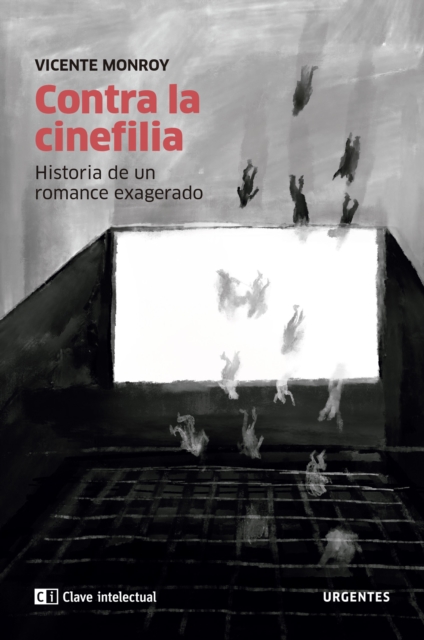
A partir de su propia experiencia cinéfila desbordada, Vicente Monroy desarrolla en este ensayo una apasionante historia de los mitos de la cinefilia y de sus argumentos fundamentales, de las múltiples formas en que el cine, ese arte joven pero siempre en crisis, ha llegado a enfermar a sus amantes.
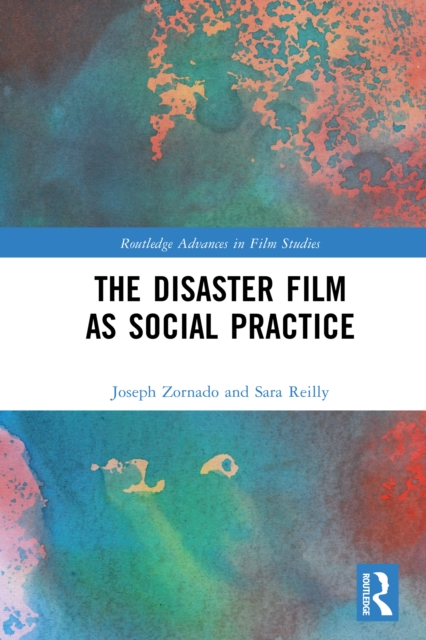
Surveying disaster films from a Lacanian psychoanalytic perspective, this book explores the disaster film genre from its initial appearance in 1933 (The Grapes of Wrath, 1933) to its present-day form (Don't Look Up!
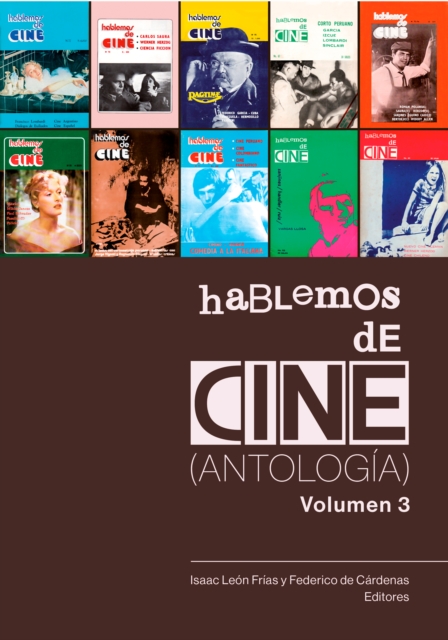
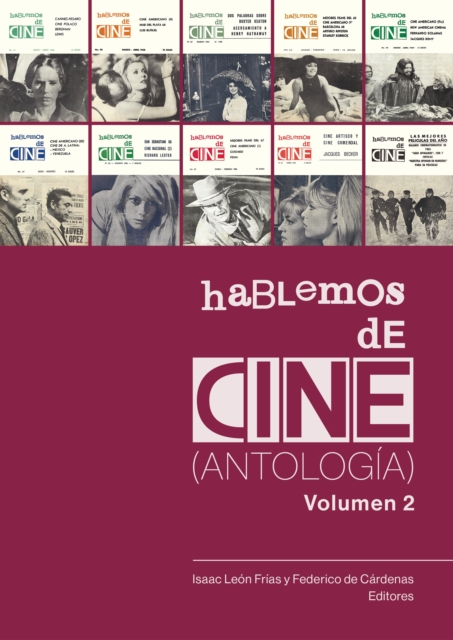
Este volumen, de gran amplitud, trata de recoger la participación del mayor número posible de redactores de Hablemos de Cine, incluyendo a los colegas extranjeros que colaboraron con nosotros en la sección Aquí Opinamos, que era la que reunía los comentarios analíticos de los films.
La revista Hablemos de Cine marcó un antes y un después en la crítica cinematográfica en el Perú, así como en la atención al cine peruano y latinoamericano.