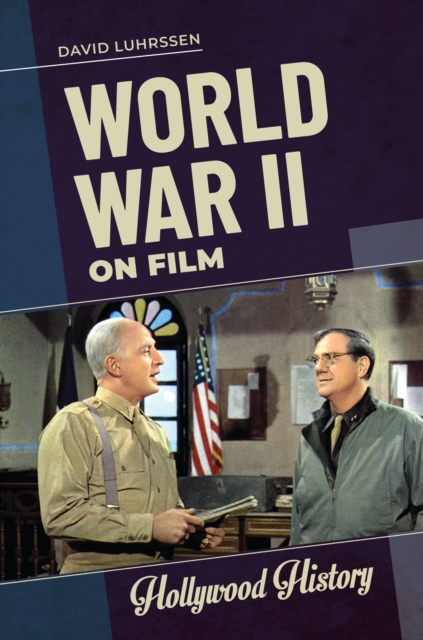
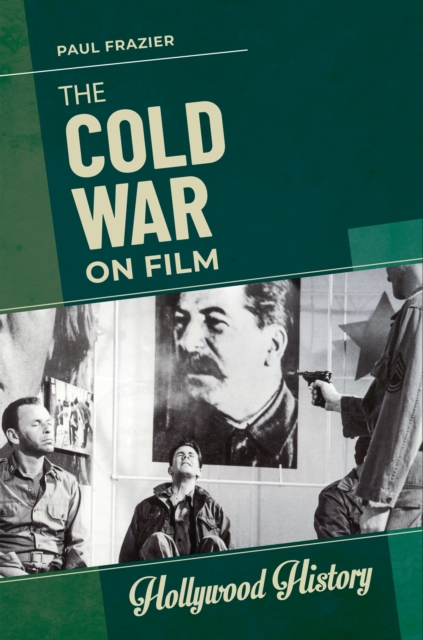
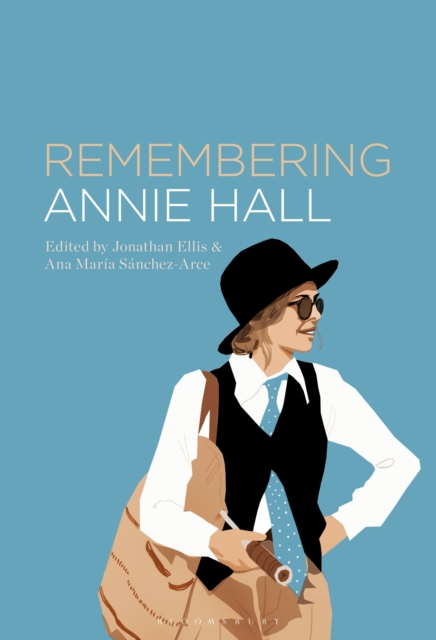
Providing intriguing insights for students, film buffs, and readers of various genres of fiction, this fascinating book delves into the psychology of 100 well-known fictional characters.
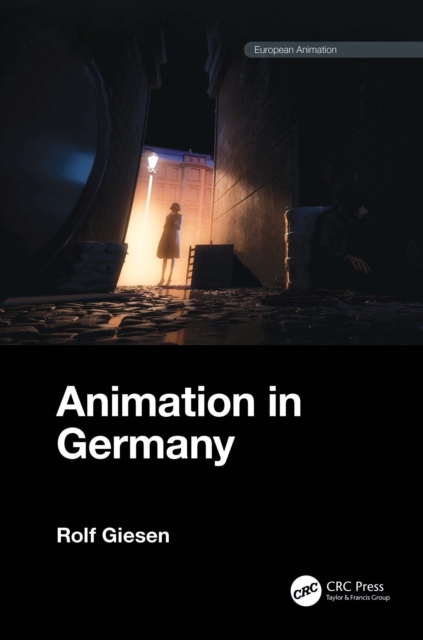
This book provides a comprehensive account of German animation history, as well as an analysis of the current state of the industry in competition with American and cheaper international products in the face of dwindling budgets.
Psychoanalysis and the Small Screen examines the impact of cinema closures and the shift to small-screen consumption on our aesthetic and subjective desires during the COVID-19 pandemic from a Lacanian perspective.
Starting out as a filmmaker comes with a host of limitations and restrictions leading to one key question: how do you channel your creativity past these daunting challenges to create compelling and impactful films?
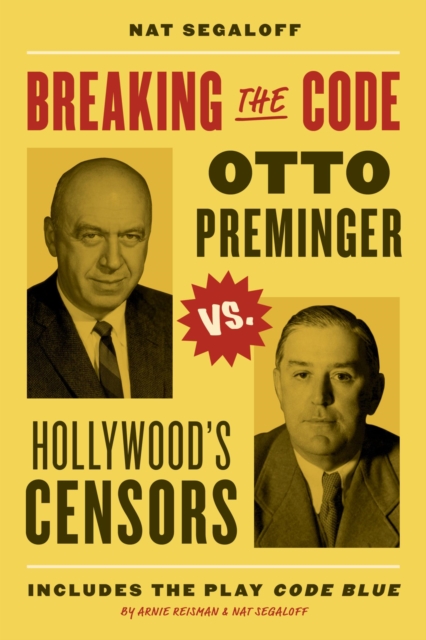
Breaking the Code reveals the efforts of director-producer Otto Preminger to bring his aesthetic vision to the screen even if it meant challenging the Production Code, a system of self-censorship that shaped the movies during the four decades it was in force.
Psychoanalysis and the Small Screen examines the impact of cinema closures and the shift to small-screen consumption on our aesthetic and subjective desires during the COVID-19 pandemic from a Lacanian perspective.
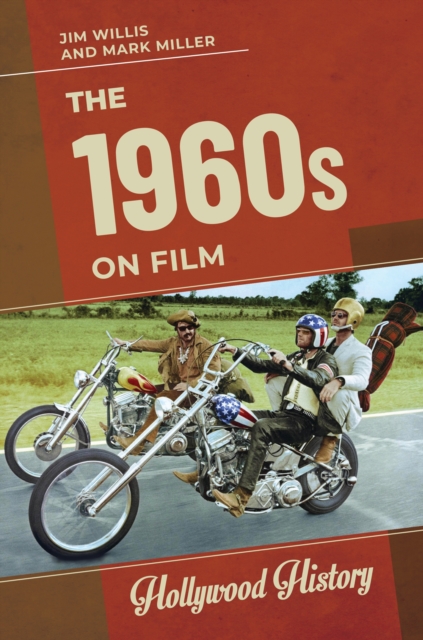
The 1960s on Film tells the narrative of the 1960s through the lens of the movie camera, analyzing 10 films that focus on the people, events, and issues of the decade.
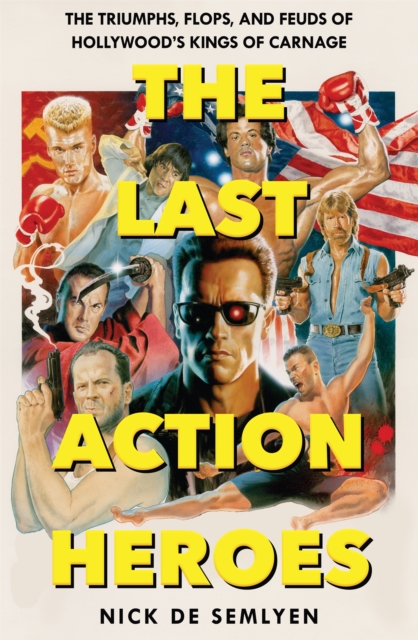
'A blast' - Ian Rankin'A lively celebration of 1980s action stars' - The Times'Hugely entertaining' - Edgar WrightNow with BONUS MATERIAL, from the editor of Empire magazine this is the behind-the-scenes story of the golden age of the action movie, the stars who ruled 80s and 90s Hollywood and the beloved films - from Die Hard to The Terminator - that made them famous.
Starting out as a filmmaker comes with a host of limitations and restrictions leading to one key question: how do you channel your creativity past these daunting challenges to create compelling and impactful films?
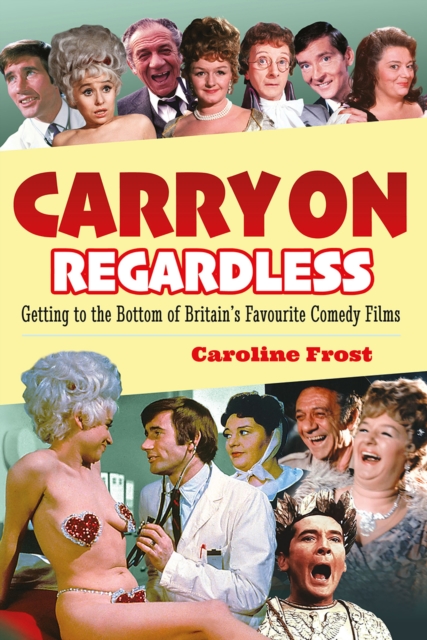
The completely updated story of Carry On, Britain's largest film franchise, all the way from the gentle capers of the 1950s, through the raucous golden age of the 1960s, to its struggles in the decades (not plural) that followed.
Japan mesmerizes and bewilders the visitor in equal measure, making a top-notch travel guide essential for anyone planning a trip to the land of the rising sun.
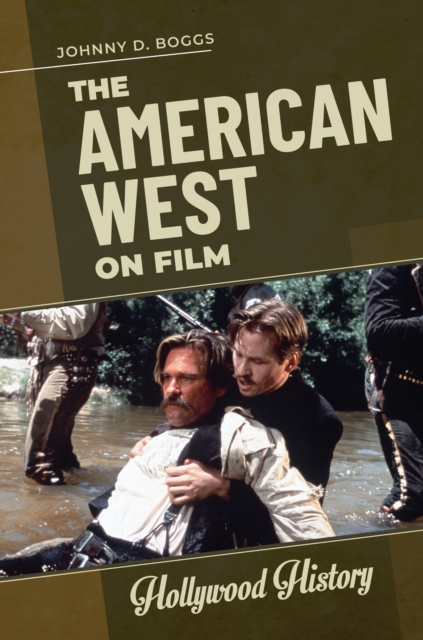
More than a history of Western movies, The American West on Film intertwines film history, the history of the American West, and American social history into one unique volume.
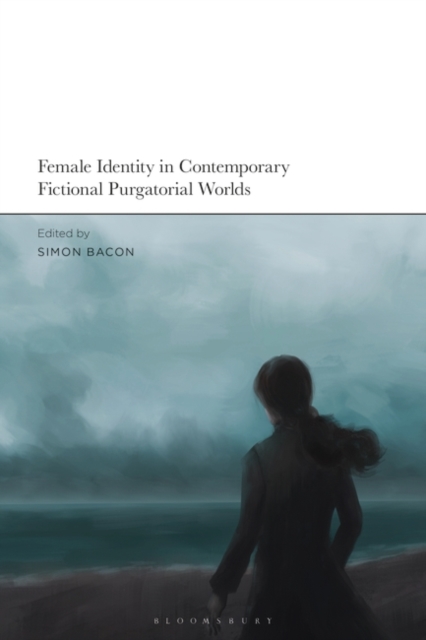
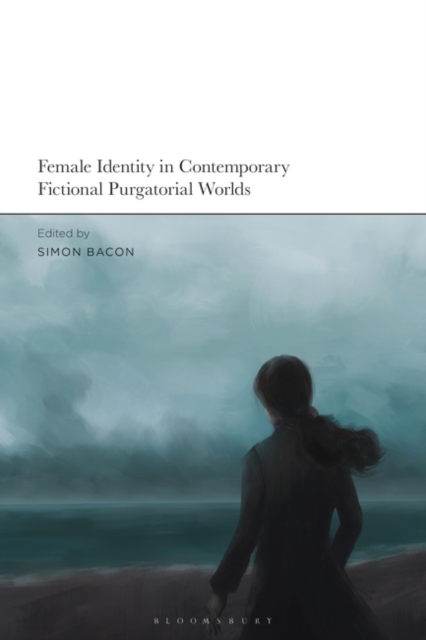
Examining fictional purgatorial worlds in contemporary literature, film and video games, this book examines the way in which the female characters trapped within them construct identity positions of resistance and change.
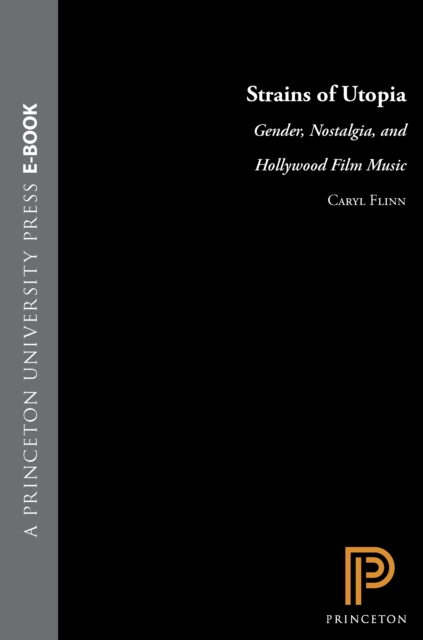
When Dmitri Tiomkin thanked Johannes Brahms, Johann Strauss, Richard Strauss, and Richard Wagner upon accepting the Academy Award for his score of The High and the Mighty in 1954, he was honoring a romantic style that had characterized Hollywood's golden age of film composition from the mid-1930s to the 1950s.
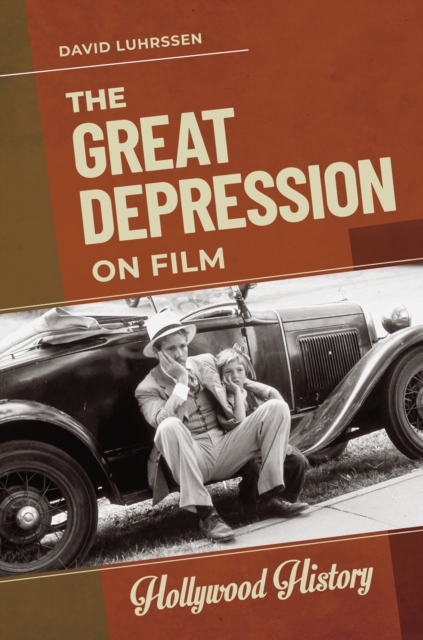
This book presents the Great Depression through the lens of 13 films, beginning with movies made during the Depression and ending with films from the 21st century, and encourages readers to examine the various depictions of this period throughout history.
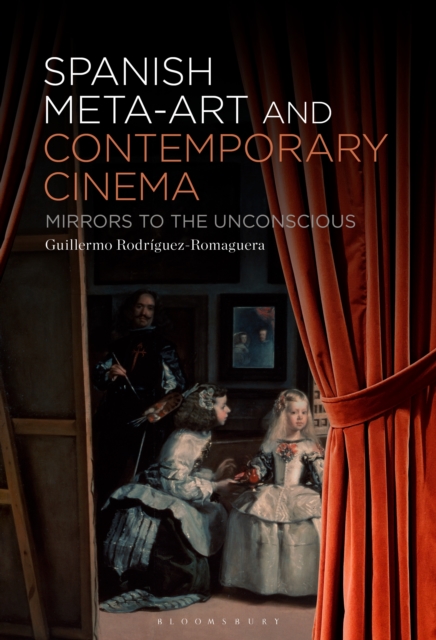
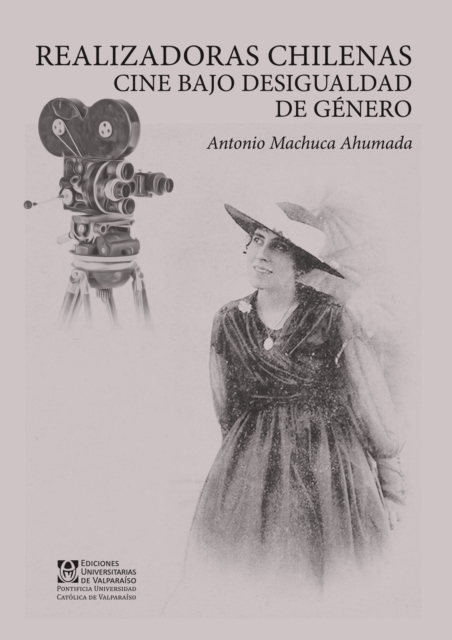
[…] la figura, no entendida como imagen fílmica, sino como operación figural del lenguaje –donde puede haber imagen, pero donde también están presentes las otras series para la producción de sentido del cine (palabra, música, montaje, etc.
Raw and unflinchingThis is a mother's account of her daughter's lifeAnd of Katie Price and her turbulent rise to fameThe Sunday Times bestselling memoir from Amy Price.
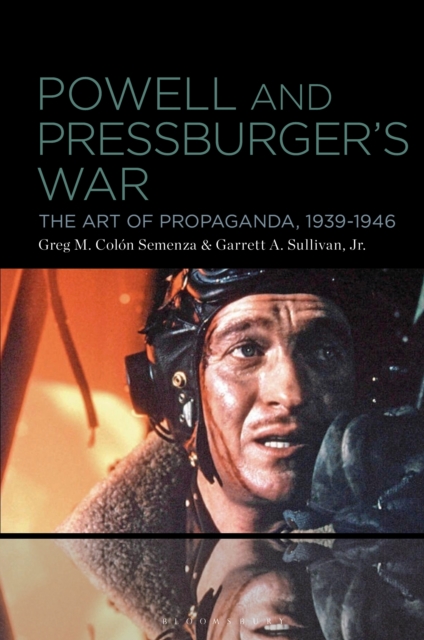
A focused study on Michael Powell and Emeric Pressburger's cinematic contributions to the war effort, arguing for the centrality of propaganda to their work as film artists.
This book provides a comprehensive account of German animation history, as well as an analysis of the current state of the industry in competition with American and cheaper international products in the face of dwindling budgets.
Examining fictional purgatorial worlds in contemporary literature, film and video games, this book examines the way in which the female characters trapped within them construct identity positions of resistance and change.
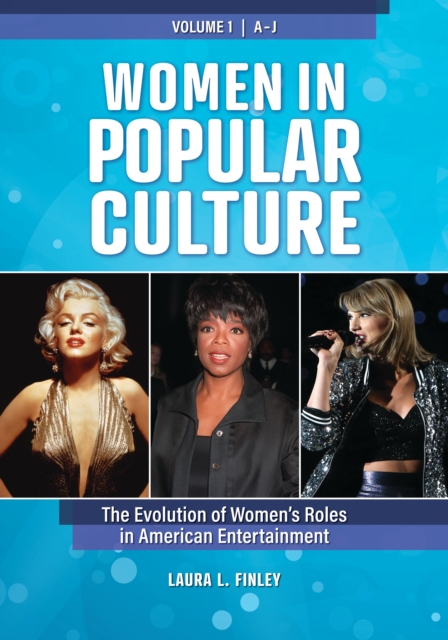
Winner, 2024 RUSA Outstanding Reference AwardIncluding more than 300 alphabetically listed entries, this 2-volume set presents a timely and detailed overview of some of the most significant contributions women have made to American popular culture from the silent film era to the present day.
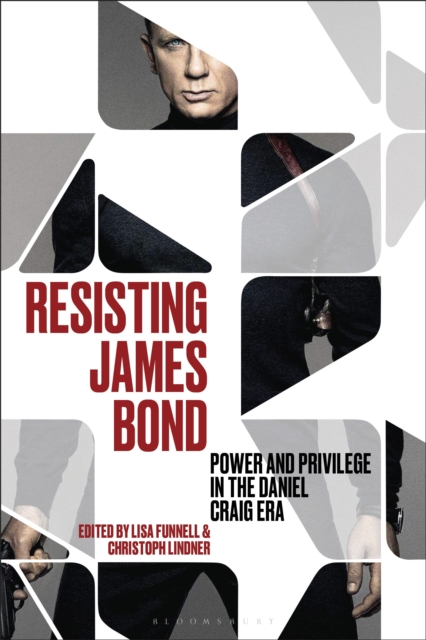
Beginning with Casino Royale (2006) and ending with No Time to Die (2021), the Daniel Craig era of James Bond films coincides with the rise of various justice movements challenging deeply entrenched systems of inequality and oppression, ranging from sexism, racism, and immigration to 2SLGBTQIA+ rights, reproductive justice and climate change.
How privileged adolescents in China acquire status and why this helps them succeed Study Gods offers a rare look at the ways privileged youth in China prepare themselves to join the ranks of the global elite.
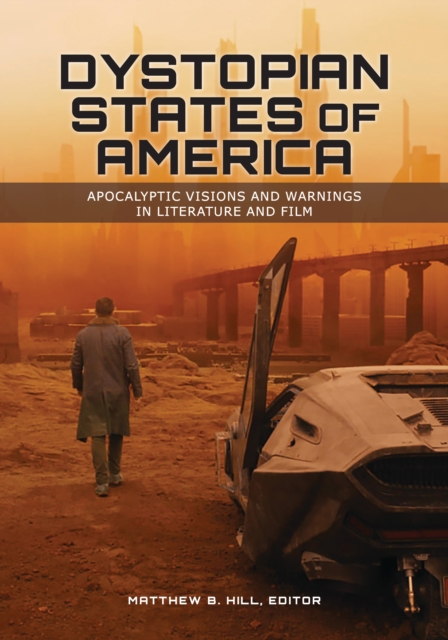
A crucial resource that studies the impact of dystopian works on American society, this book examines ways in which they reflect our deep and persistent fears about environmental calamities, authoritarian governments, invasive technologies, and human weakness.
Sex und Crime, harte Kerle und willige Frauen, knallende Schießeisen und schnelle Autos, schlitzende Messer und harte Prügel, Kungfu und Monster: Exploitation-Kino zielt auf die niedereren Instinkte.