This study investigates the controversial motion pictures written and directed by the independent filmmaker Kim Ki-duk, one of the most acclaimed Korean auteurs in the English-speaking world.
This multilayered study of the representation of black masculinity in musical and cultural performance takes aim at the reduction of African American male culture to stereotypes of deviance, misogyny, and excess.
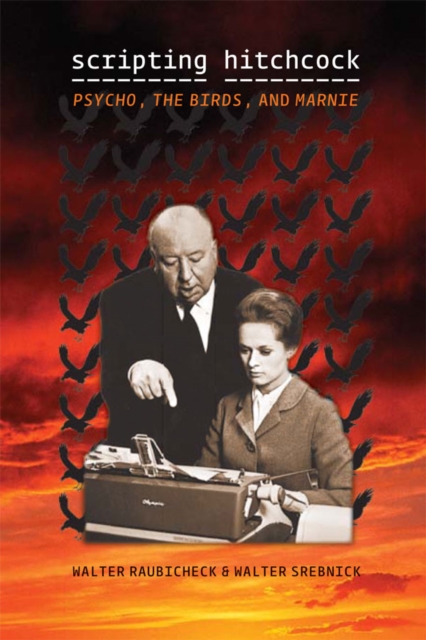
Scripting Hitchcock explores the collaborative process between Alfred Hitchcock and the screenwriters he hired to write the scripts for three of his greatest films: Psycho, The Birds, and Marnie.
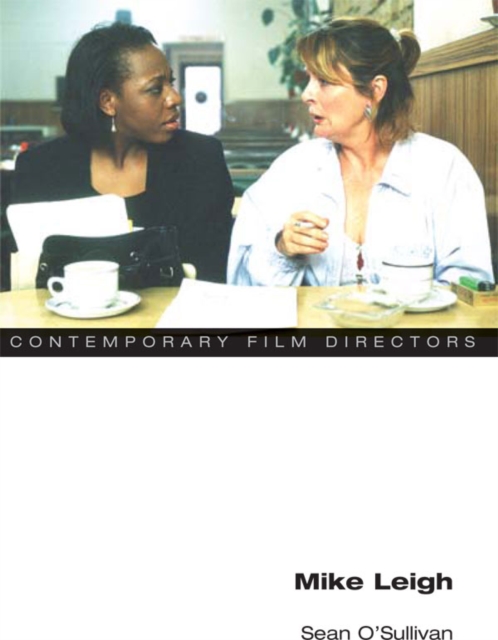
In this much needed examination of Mike Leigh, Sean O'Sullivan reclaims the British director as a practicing theorist--a filmmaker deeply invested in cinema's formal, conceptual, and narrative dimensions.
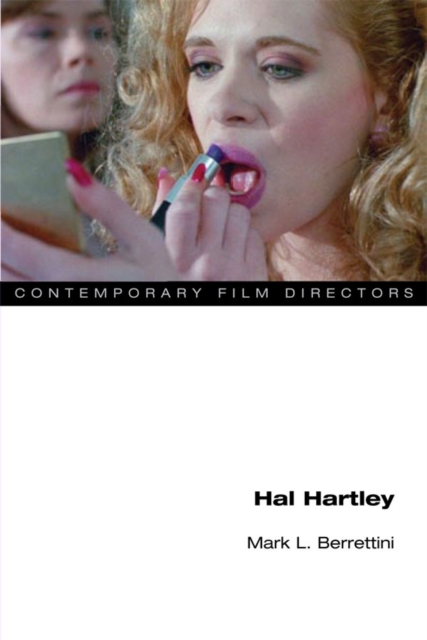
Since the late 1980s, Hal Hartley has challenged standards of realist narrative cinema with daring narrative constructions, character development, and the creation of an unconventional visual world.
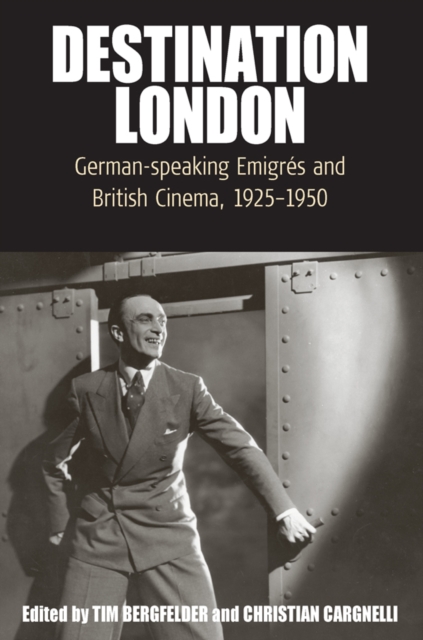
The legacy of emigres in the British film industry, from the silent film era until after the Second World War, has been largely neglected in the scholarly literature.
This book explores how modern Russian cinema is part of the international information war that has unfolded across a variety of battlefields, including social media, online news, and television.
The Works of Shonda Rhimes, the first book in Bloomsbury's Screen Storytellers series, brings together a collection of essays that look critically at the works of this award-winning writer, producer, and CEO of the global media company, Shondaland.
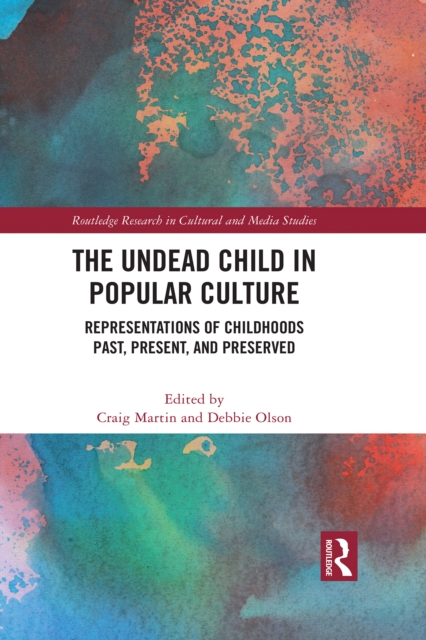
In this study of representations of children and childhood, a global team of authors explores the theme of undeadness as it applies to cultural constructions of the child.
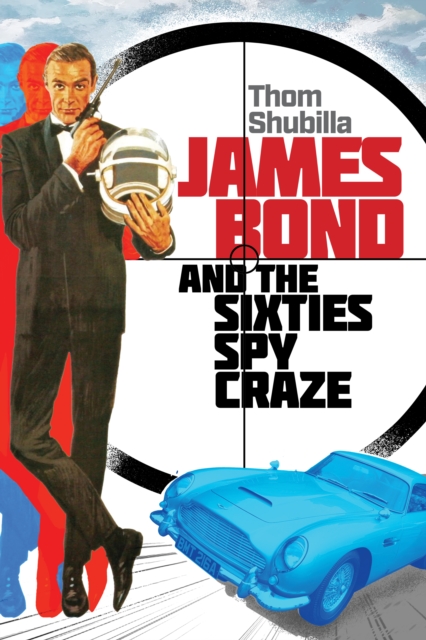
James Bond the the 60s Spy Craze will explore James Bond films and the number of movies and television shows of the 1960s inspired by Ian Fleming's character.
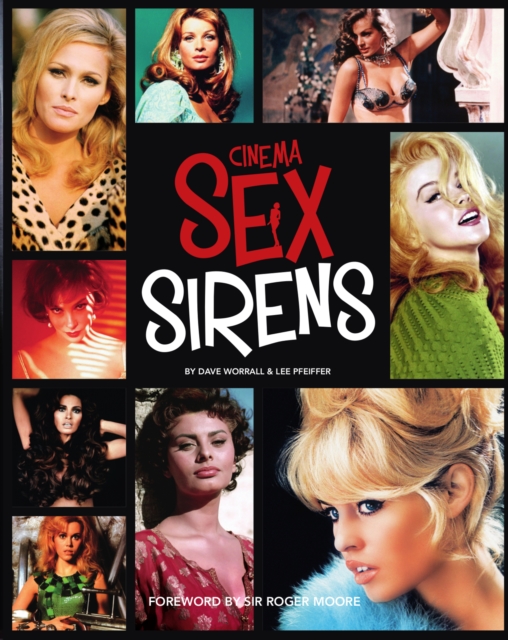
With an introduction by Sir Roger Moore, Cinema Sex Sirens centres around a select number of actresses, from cinematic legends to some whose names are barely known by the general public who capitalised on their natural beauty during this era.
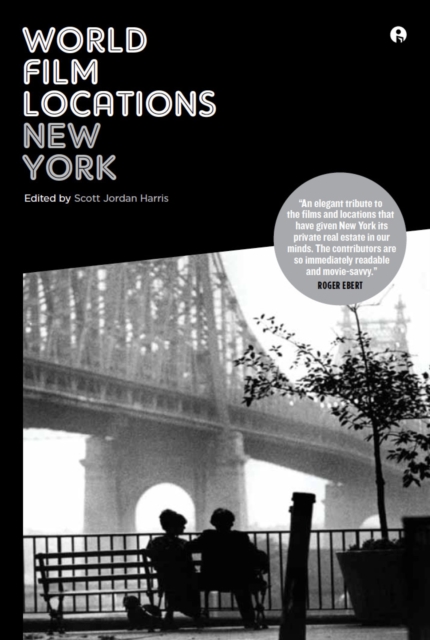
Be they period films, cult classics or elaborate directorial love letters, New York City has played - and continues to play - a central role in the imaginations of filmmakers and moviegoers worldwide.
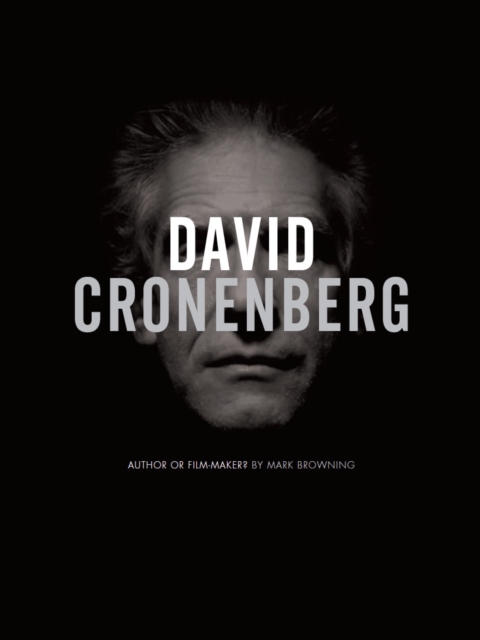
For more than thirty years, David Cronenberg has made independent films such as Scanners and A History of Violence which aim to disturb, surprise, and challenge audiences.
From the postapocalyptic world of Blade Runner to theJames Cameron mega-hit Terminator, tech-noir has emerged as a distinct genre, with roots in both the Promethean myth and the earlier popular traditions of gothic, detective, and science fiction.
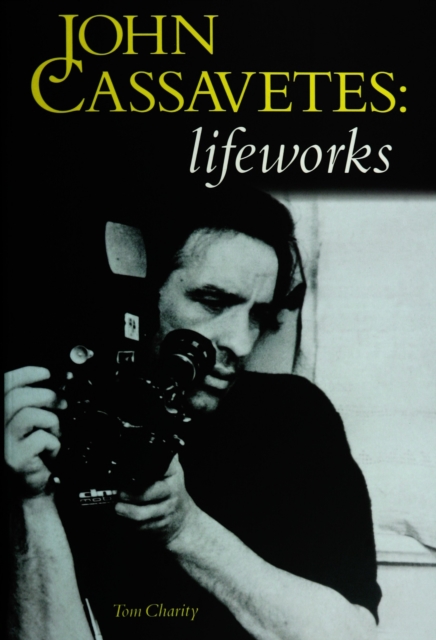
Drawing on interviews with his closest collaborators, Tom Charity's critical biography explores the pain and perseverance of Cassavetes, widely known as a passionate and charismatic film director and producer.
Through an examination of Alfonso Cuaron's Children of Men, this book demonstrates the ability of cinematic fictions, and other complex narrative fictions, to contribute to meeting the climate challenge by shaping the desires of audiences.
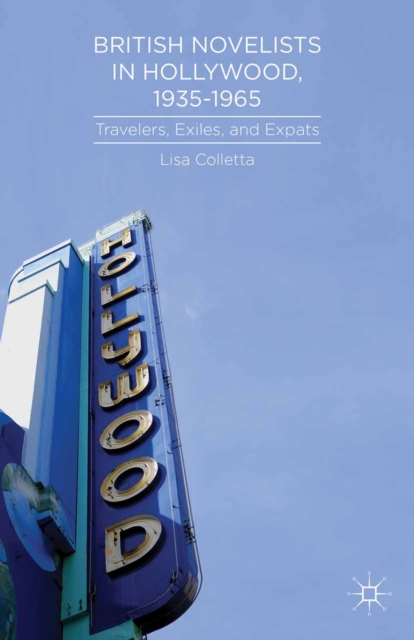
British Novelists in Hollywood, 1935-1965 calls attention to the shifting grounds of cultural expression by highlighting Hollywood as a site that unsettled definitions and narratives of colonialism and national identity for prominent British novelists such as Christopher Isherwood, P.
Caligrafía de la imagen reflexiona sobre la figura del director-autor en el cine: de qué manera las transformaciones de ese concepto funcionan como un sismógrafo que registra los vaivenes de la teoría y de la crítica entre las décadas de 1950 y 1970.
The Sounds of Silent Films is a unique collection of investigatory and theoretical essays that, for the first time, unite up-to-date research on the complex historical performance practices of silent film accompaniment with in-depth analyses of relevant case studies.
This book takes the unique approach of combining cognitive approaches with more established close-reading methods in analysing a selection of Japanese novels and a film.
This book presents a contextualized overview of the history of Chinese animated film, pointing out the most influential self-definitions of Chinese culture employed in animation art of Mao Zedong's rule (1949-1976) but largely focusing on the representation strategies created in the times of reforms and opening-up under Deng Xiaoping (1978-1989/1992).
In this unique study, Stephen Glynn demonstrates that Kate Bush's work, in both sound and vision, has long been influenced and characterised by, and at times aimed at, film and television media.
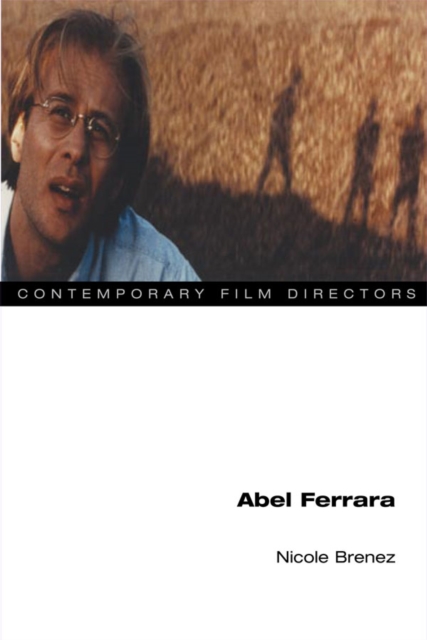
Nicole Brenez argues for Abel Ferrara's place in a line of grand inventors who have blurred distinctions between industry and avant-garde film, including Orson Welles, Monte Hellman, and Nicholas Ray.
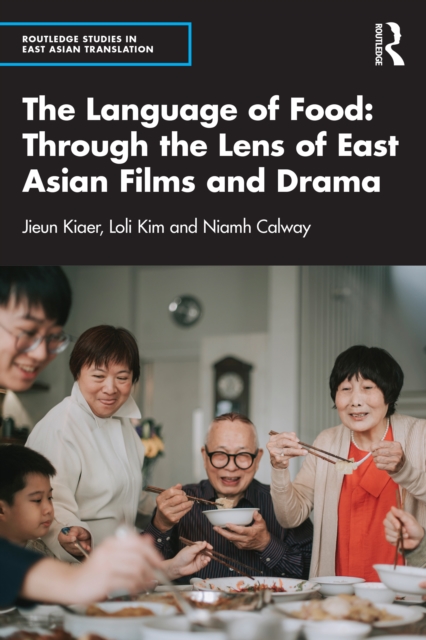
The Language of Food: Through the Lens of East Asian Films and Drama invites readers into the fascinating world where food culture and language intersect, revealing how each dish communicates beyond mere taste.
Engaging Cultural Ideologies offers a recontextualization of the effects of Poland's cultural practices, especially those concerning issues such as nationalism, elitism, and race, on the genesis and performance of contemporary Polish compositions from 1918 to 1956.