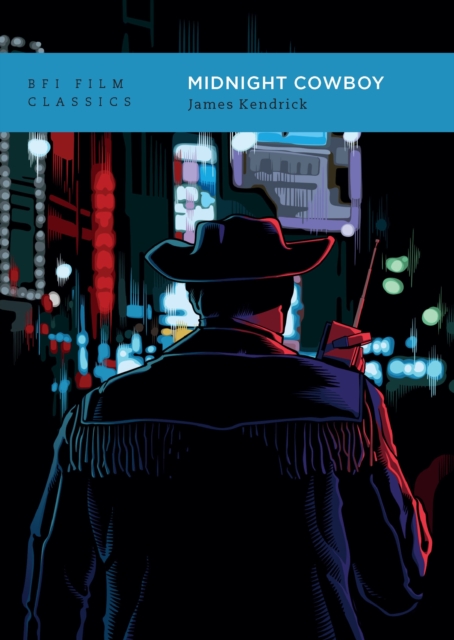
John Schlesinger's 1969 drama, Midnight Cowboy, follows the story of na ve would-be hustler Joe Buck (Jon Voight) and ailing con man Ratso Rizzo (Dustin Hoffman), set against the gritty backdrop of New York City in the late 1960s.
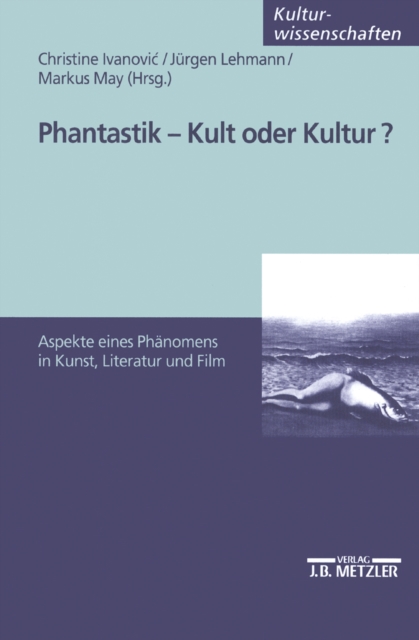
Wenn Kong sich aus seinen Fesseln befreit, um zu zerstören, wenn Carol Anne sich im Informationschaos des Weißen Rauschens verliert und wenn japanische Teenager von einem tödlichen Videovirus heimgesucht werden, dann befinden sich die Zuschauenden inmitten von Leinwandgeschichten der dunklen Art.
Das ›Wunderbare‹ in seiner Komplexität und Vielfältigkeit sowie seinen fachwissenschaftlich kontrovers diskutierten Varianten ist der zentrale Untersuchungsgegenstand dieses ersten interdisziplinär angelegten Sammelbandes zu Dimensionen des Wunderbaren in Kunst und Kultur.
Mit der Erforschung der deutschsprachigen Kinder- und Jugendliteratur und ihrer Medienverbünde im Zeitraum von 1900 bis 1945 sowie der Erfassung sämtlicher Daten in einem Onlineportal zur Recherche und visuellen Analyse liegt ein innovativer Beitrag zur Geschichtsschreibung der Kinder- und Jugendliteratur vor.
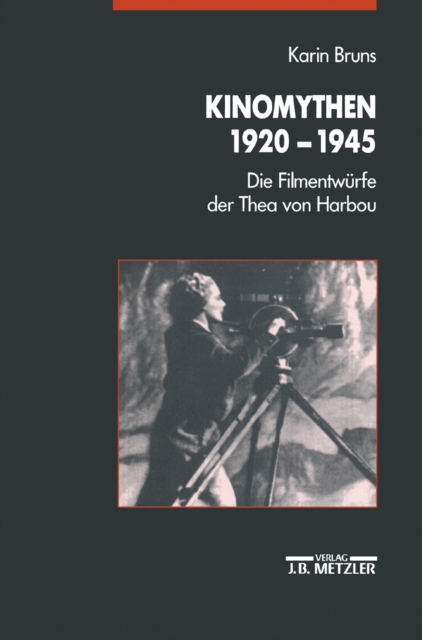
Thea von Harbou, Romanschriftstellerin, Drehbuchautorin, Regisseurin, Ehe- und Arbeitsgemeinschaft mit Fritz Lang, blieb nach dessen Emigration 1933 nach Amerika in Deutschland und wurde zu einer der berühmtesten Filmschaffenden der Nazizeit.
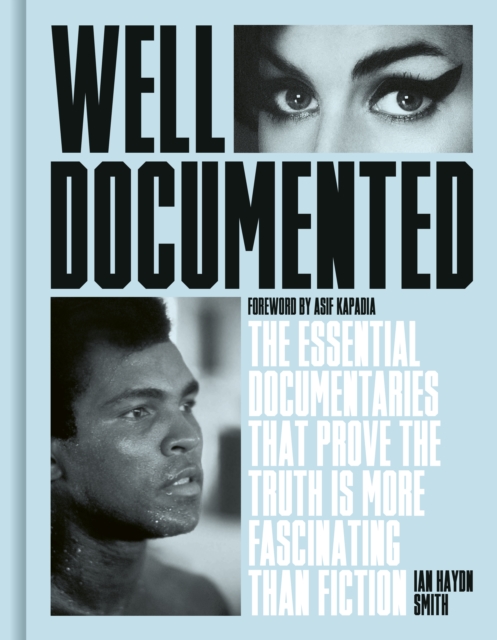
This fascinating book from veteran film journalist Ian Haydn Smith, with a foreword from award-winning director Asif Kapadia, explores 100 of the most compelling documentaries, each with the power to radically change our perceptions and challenge the way we see the world.
Herausragende Filme, großes Kino – bei der Flut an bewegten Bildern, die über unsere Kinoleinwände und Fernsehbildschirme flimmern, braucht es manchmal den Blick des Kenners, um das Besondere zu finden oder in Erinnerung zu rufen.
Illuminating the impacts of environmental disasters and climate crises globally, this book examines the experiences of teens grappling with eco-disasters and issues in films of the twenty-first century.
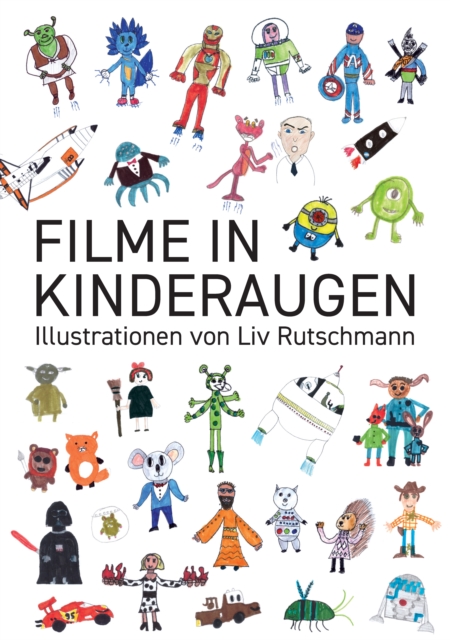
Seit ihrem siebten Lebensjahr malt Liv mit viel Fantasie aber auch hohem Wiedererkennungswert die Heldinnen und Helden der Filme, die sie gemeinsam mit ihrer Familie sieht.
The Formation of Chinese Art Cinema: 1990-2003 examines the development of Chinese art film in the People's Republic of China from 1990, when the first Sixth Generation film Mama was released, to 2003, when authorities acknowledged the legitimacy of underground filmmakers.
This book interrogates the relation between film spectatorship and film theory in order to criticise some of the disciplinary and authoritarian assumptions of 1970s apparatus theory, without dismissing its core political concerns.
This book traces the development of investigative cinema, whose main characteristic lies in reconstructing actual events, political crises, and conspiracies.
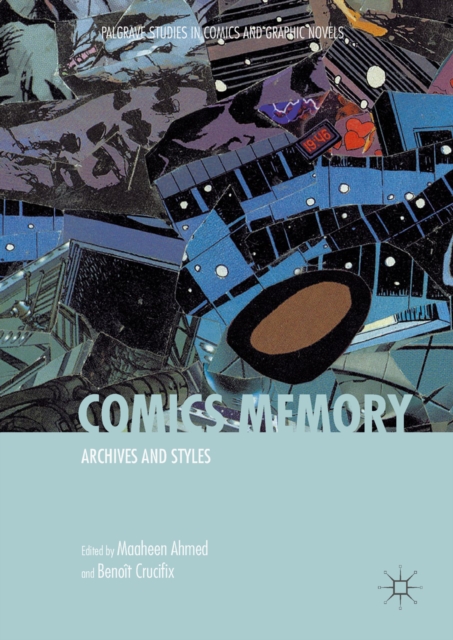
Despite the boom in scholarship in both Comics Studies and Memory Studies, the two fields rarely interact-especially with issues beyond the representation of traumatic and autobiographical memories in comics.