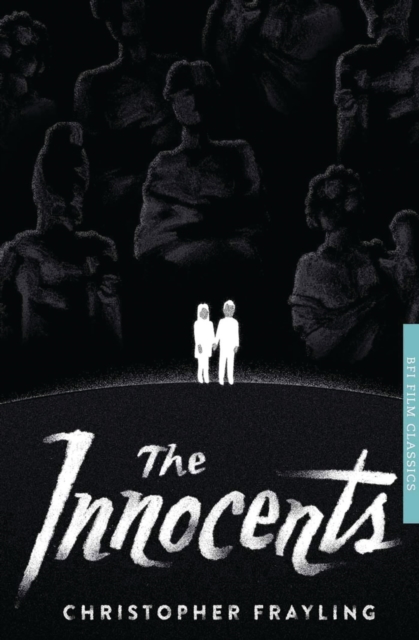
Jack Clayton's gothic masterpiece The Innocents, though not a commercial success on its release in 1961, has been hailed as one of the greatest psychological thrillers of all time.
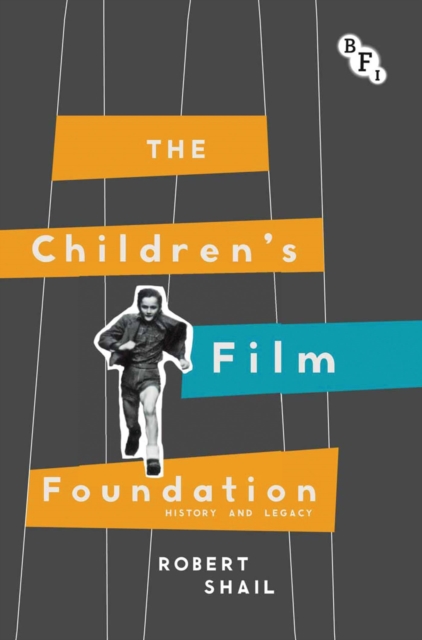
From the 1950s to the 1980s the Children's Film Foundation made films for Saturday morning cinema clubs across the UK - entertaining and educating generations of British children.
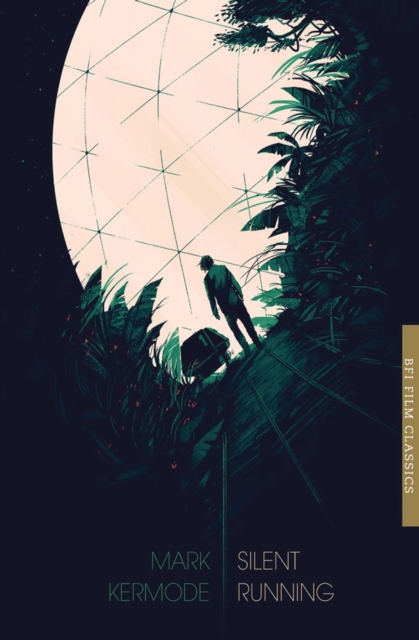
A visually stunning and heartfelt riposte to the emotional sterility of Kubrick's 2001: A Space Odyssey, Douglas Trumbull's eco-themed Silent Running (1972) became one of the defining science-fiction films of the seventies.
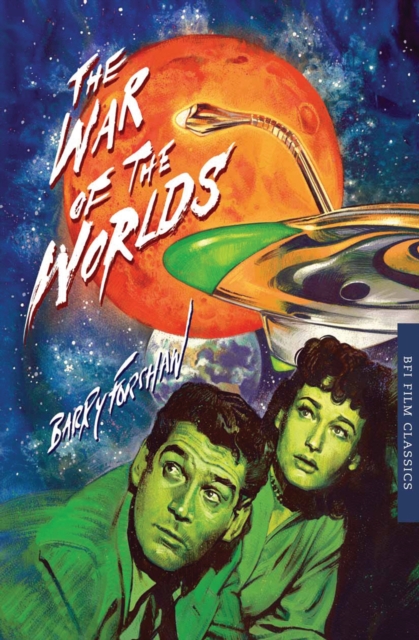
The War of the Worlds was one of a handful of high-prestige science fiction productions in a low-budget era, and initiated modern cinema's reliance on screen-filling special effects.
Widely believed to be Terry Gilliam's best film, Brazil's brilliantly imaginative vision of a retro-futuristic bureaucracy has had a lasting influence on genre cinema.
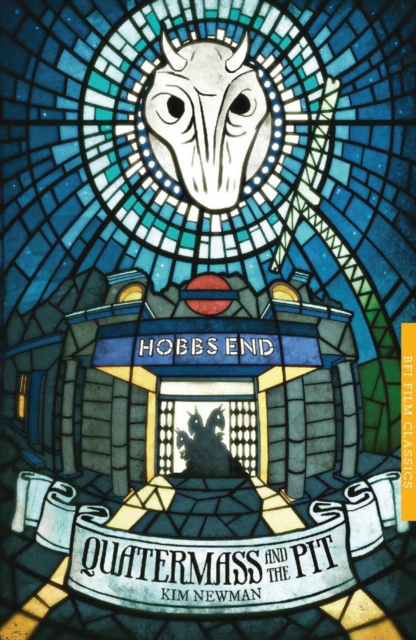
While digging an extension to the London Underground Railway, workmen discover an object which might be an ancient Martian spaceship and Professor Quatermass of the British Rocket Group investigates a mystery which prompts frightening revelations about the origins of humanity itself.
Guillermo del Toro's cult masterpiece, Pan's Labyrinth (2006), won a total of 76 awards and is one of the most commercially successful Spanish-language films ever made.
Eric Ames draws on original archival research to provide fresh perspectives on Werner Herzog's breakthrough 1972 film, Aguirre, the Wrath of God (Aguirre, der Zorn Gottes), which portrays an expedition by Spanish conquistadors led by Aguirre (played by Klaus Kinski) to find the legendary city of El Dorado.
Focusing on early cinema's relationship with the pictorial arts, this pioneering study explores how cinema's emergence was grounded in theories of picture composition, craft and arts education - from magic lantern experiments in 1890s New York through to early Hollywood feature films in the 1920s.
The first computer-generated animated feature film, Toy Story (1995) sustains a dynamic vitality that proved instantly appealing to audiences of all ages.
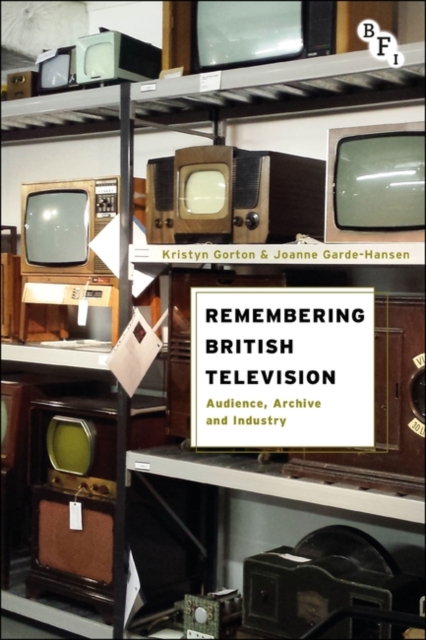
This original book asks how, in an age of convergence, when 'television' no longer means a box in the corner of the living room that we sit and watch together, do we remember television of the past?
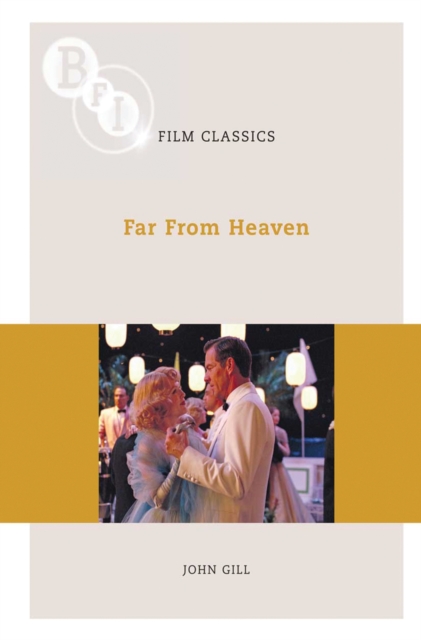
Todd Haynes's 2002 film Far From Heaven has been hailed as a homage to 1950s Hollywood melodrama, although anyone tempted to take the film at face value should be warned that it aims to subvert as much as celebrate that genre.
The new wave of documentaries that prominently feature their filmmakers, such as the works of Michael Moore and Morgan Spurlock, have attracted fresh, new audiences to the form but they have also drawn criticism that documentaries now promote entertainment at the expense of truth.
When the sun set on the British Empire, the resultant fragmentation of British identity emerged most tellingly in artistic works: cinematic works such as Howards End depicted a richly historical land steeped in tradition and tragedy, while the more modern Lock, Stock and Two Smoking Barrels revealed a brutal yet sharply humorous portrayal of contemporary English life.
For more than thirty years, David Cronenberg has made independent films such as Scanners and A History of Violence which aim to disturb, surprise, and challenge audiences.
Hollywood special effects offer spectacular creations or re-creations that make claims to our attention on the grounds of their 'incredible-seeming reality'.
This book is the first collection of essays to explore the changing relationships between war, media and the public from a multidisciplinary perspective and over an extended historical period.
Part of Intellect's World Film Locations series, World Film Locations: Helsinki explores the relationship between the city, cinema and Finnish cultural history.
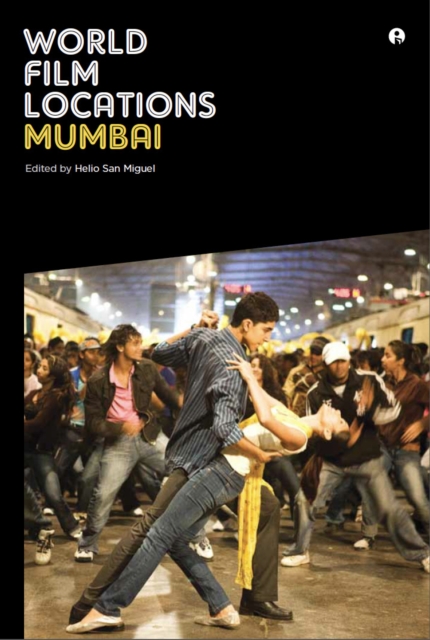
Fascinating, incommensurable and chaotic, Mumbai is a megalopolis of dramatic diversity and heartbreaking extremes, where immense wealth is just steps away from the searing poverty of its huge slums.
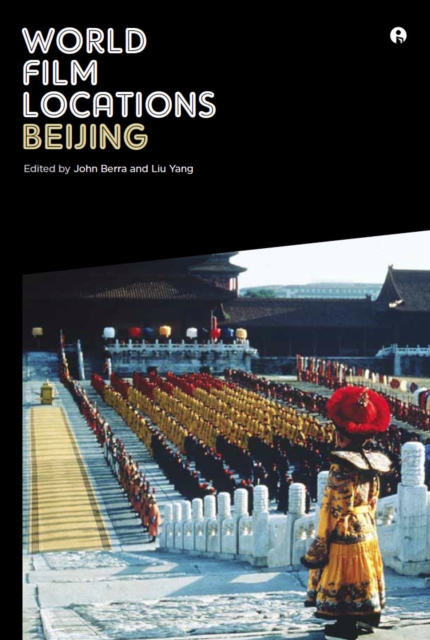
In a series of spotlight essays and illustrated scene reviews, a cast of seasoned scholars and fresh new voices explore the vast range of films - encompassing drama, madcap comedy, martial arts escapism and magical realism - that have been set in Beijing.
An important addition to Intellect's popular series, Directory of World Cinema: Finland provides historical and cultural overviews of the country's cinema.
Bringing to mind rockers and royals, Buckingham Palace and the Scottish Highlands, Britain holds a special interest for international audiences who have flocked in recent years to quality exports like Fish Tank, Trainspotting and The King's Speech.
Building on and bringing up to date the material presented in the first instalment of Directory of World Cinema: Japan, this volume continues the exploration of the enduring classics, cult favourites and contemporary blockbusters of Japanese cinema with new contributions from leading critics and film scholars.
Commended for their social relevance and artistic value, Chinese films remain at the forefront of international cinema, bolstered in recent years by a new generation of talented young filmmakers.
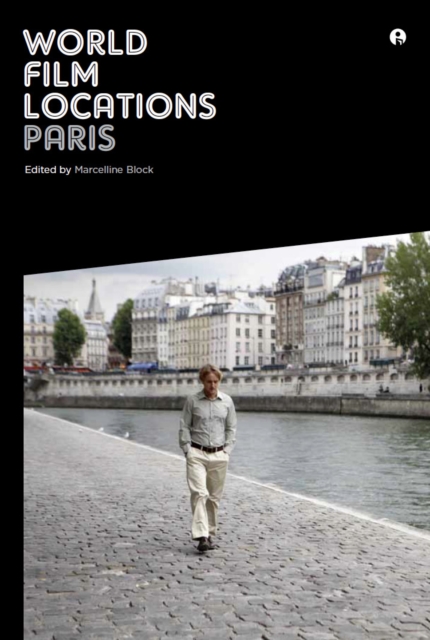
'We'll always have Paris,' Humphrey Bogart assures Ingrid Bergman in the oft-quoted farewell scene from Casablanca in which Bogart's character, hard-hearted restaurateur Rick Blaine, bids former lover Ilsa Lund goodbye.