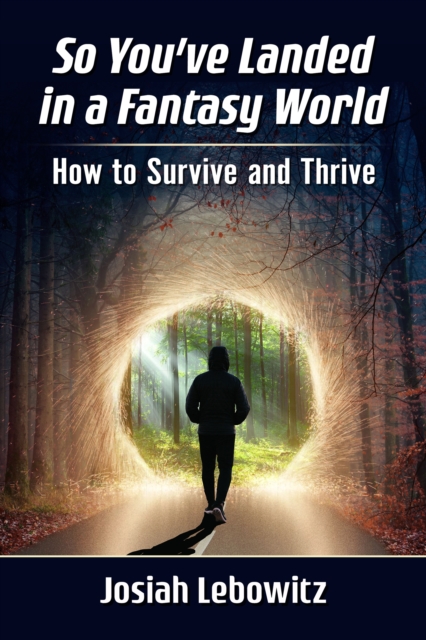
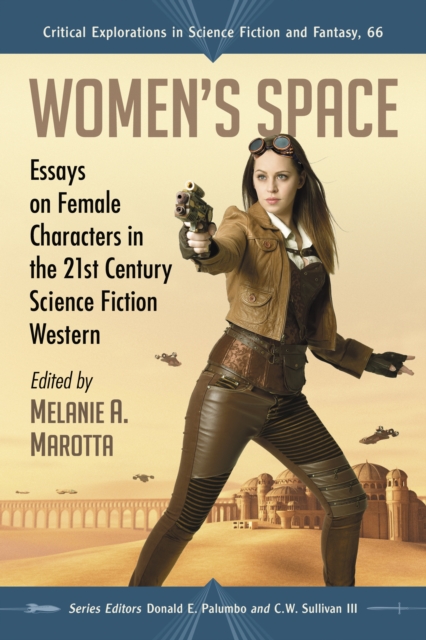
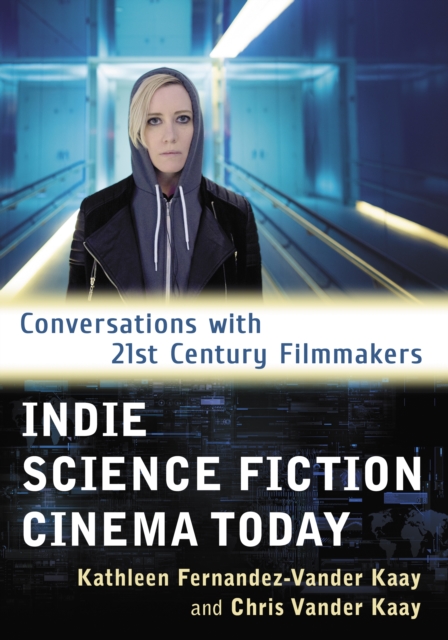
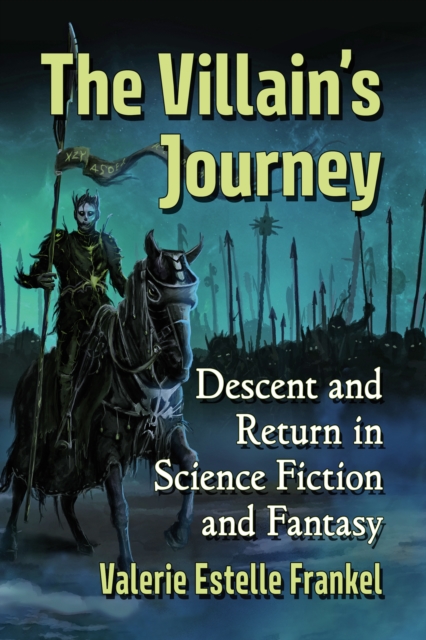
Today, it seems as if everyone from heroic-yet-angsty teenagers, to giggling schoolgirls, to middle-aged businessmen, to bored moms are finding themselves whisked away to save distant worlds from some kind of unspeakable evil.
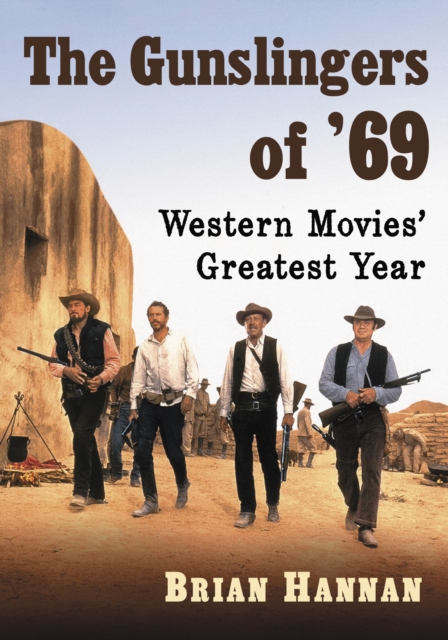
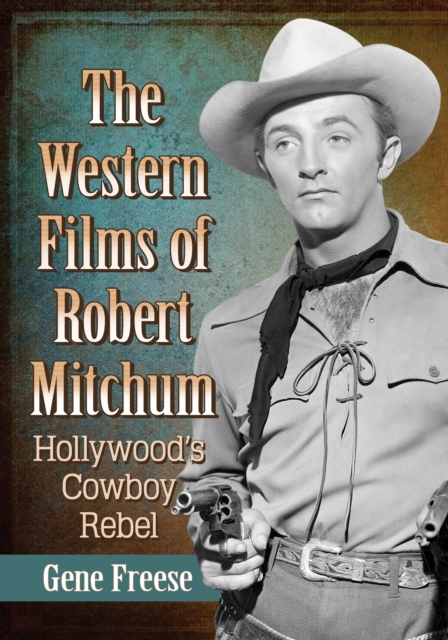
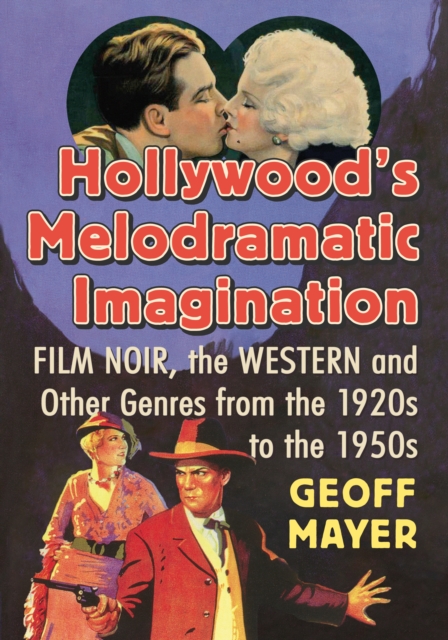
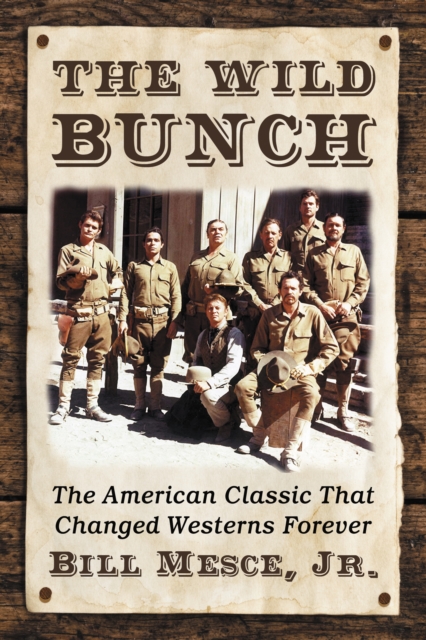
In 1969--the counter-cultural moment when Easy Rider triggered a "e;youthquake"e; in audience interests--Westerns proved more dominant than ever at the box office and at the Oscars.
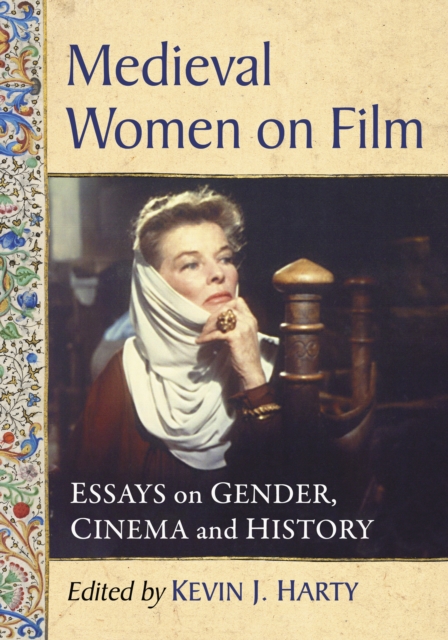
In this first ever book-length treatment, 11 scholars with a variety of backgrounds in medieval studies, film studies, and medievalism discuss how historical and fictional medieval women have been portrayed on film and their connections to the feminist movements of the 20th and 21st centuries.
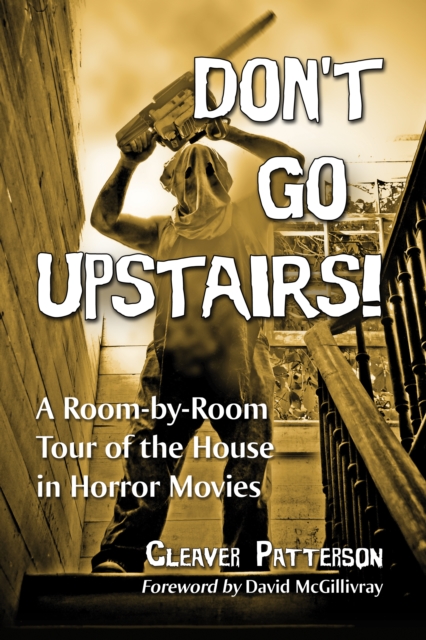
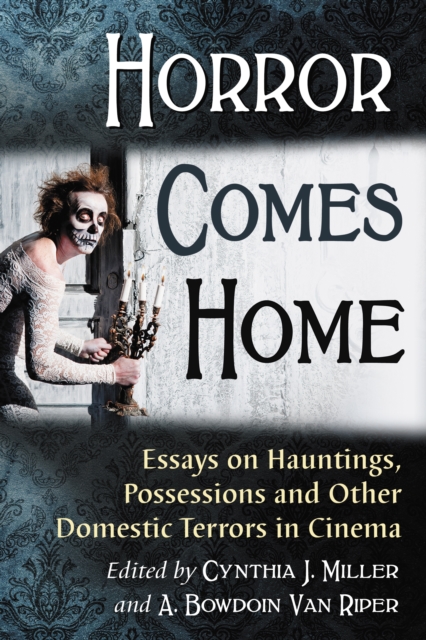
Throughout cinematic history, the buildings characters inhabit--whether stately rural mansions or inner-city apartment blocks--have taken on extra dimensions, often featuring as well developed characters themselves.
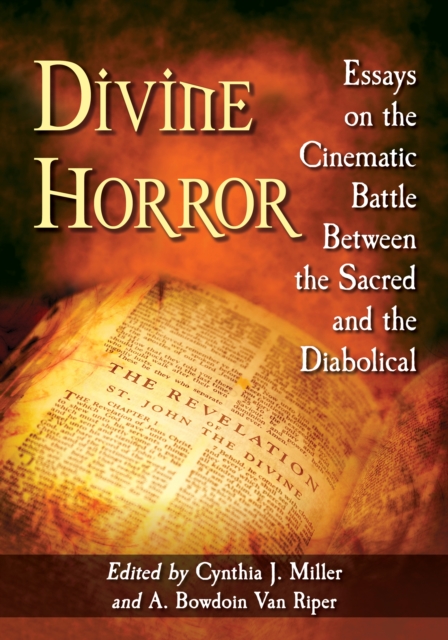
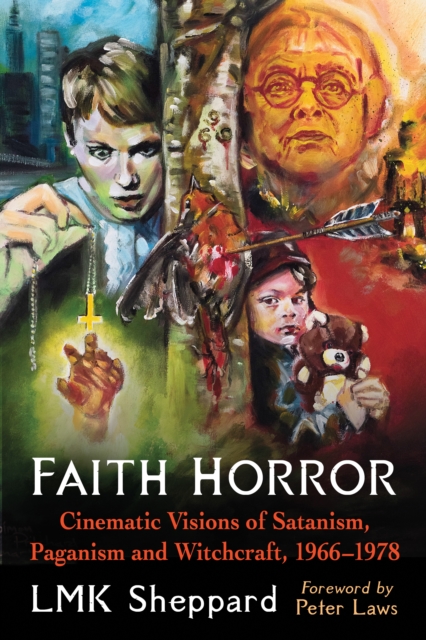
From Rosemary's Baby (1968) to The Witch (2015), horror films use religious entities to both inspire and combat fear and to call into question or affirm the moral order.
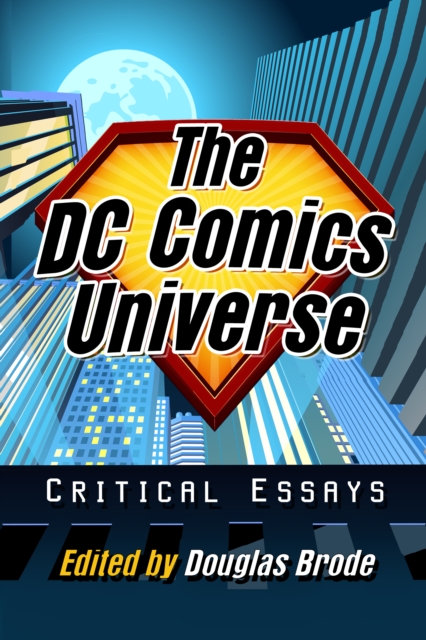
As properties of DC comics continue to sprout over the years, narratives that were once kept sacrosanct now spill over into one another, synergizing into one bona fide creative Universe.
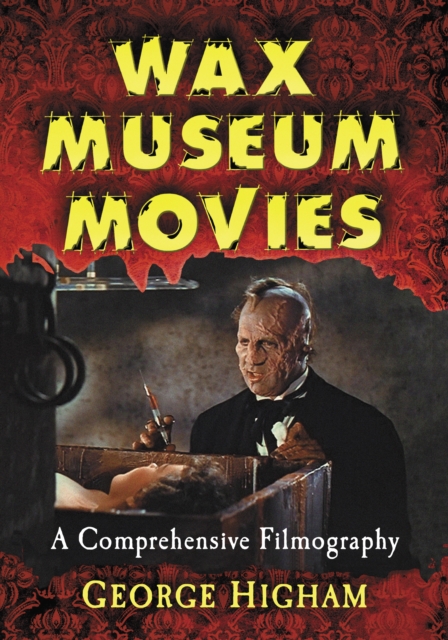
Spanning over a century of cinema and comprised of 127 films, this book analyzes the cinematic incarnations of the "e;uncanniest place on earth"e;--wax museums.
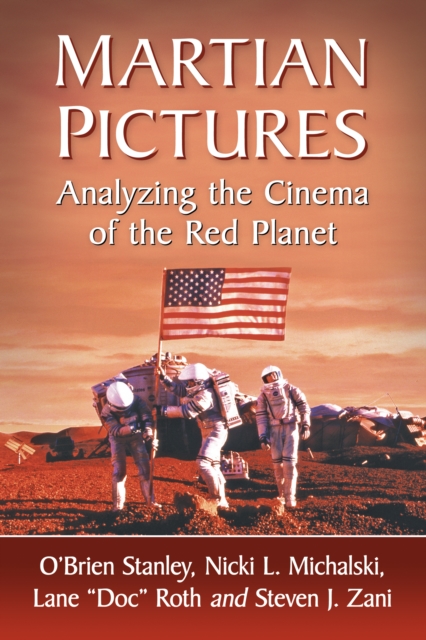
Mars has long served as a blank canvas for illustrating society's aspirations and anxieties--a science fiction setting for exploring our "e;future history.
During the 2010s, science fiction's immortal adversaries King Kong and Godzilla, representing our conflicts per Carl Sagan's "e;dream dragons"e; analogy, made comebacks in American cinema.
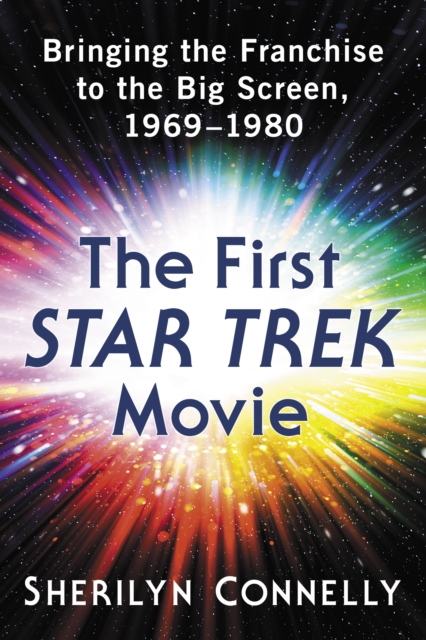
The story of Star Trek's resurrection between the 1969 cancellation of the original series and the 1979 release of Robert Wise's Star Trek--The Motion Picture, has become legend and like so many other legends, it tends to get printed instead of the facts.
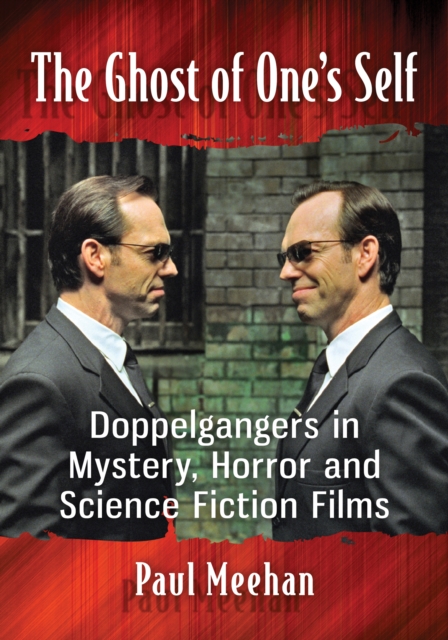
For millennia people have held folk beliefs about the existence of the doppelganger--"e;double walker"e; in German--a look-alike second self that is often the antithesis of one's identity and is usually considered an omen of misfortune or death.
Richard Matheson's 1954 novel I Am Legend has spawned a series of iconic horror and science fiction films, including The Last Man on Earth (1964), The Omega Man (1971) and I Am Legend (2007).
In sharp contrast to many 1960s science fiction films, with idealized views of space exploration, Ridley Scott's Alien (1979) terrified audiences, depicting a harrowing and doomed deep-space mission.
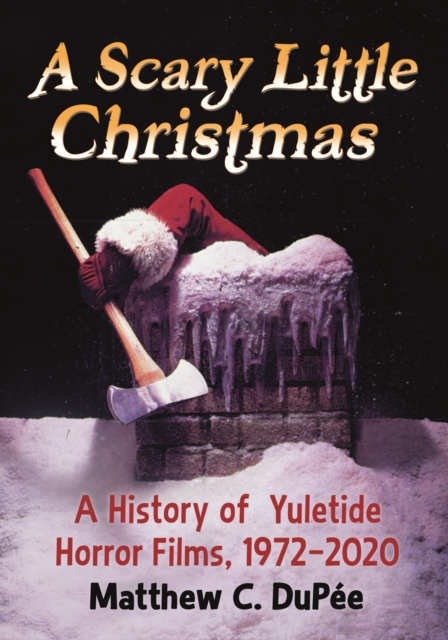
Controversial yet beloved among audiences, Christmas-themed horror movies emerged in the early 1970s and gained a notorious reputation with Silent Night, Deadly Night (1984), depicting Santa as an ax-wielding maniac.
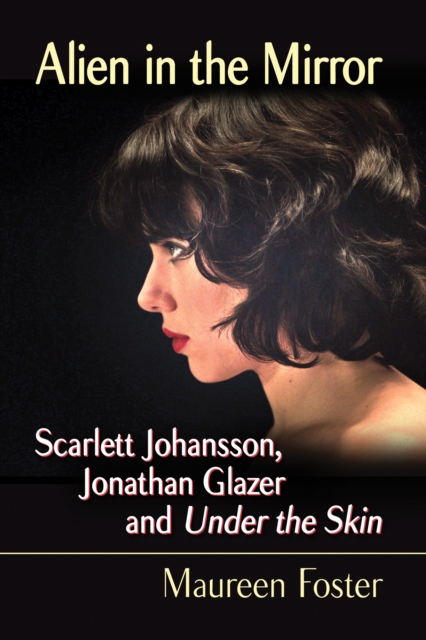
Directed by Jonathan Glazer (Sexy Beast, Birth) and starring Scarlett Johansson, the 2013 film Under the Skin contains elements of science fiction and fantasy, horror, mystery, and thriller.
Faith horror refers to a significant outcropping of mid-1960s and 1970s films and adaptative novels that depict non-Christian communities of evil doers and their activities.
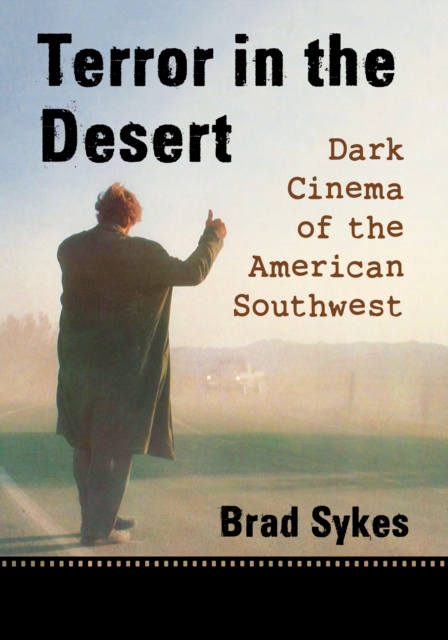
Set in the American Southwest, "e;desert terror"e; films combine elements from horror, film noir and road movies to tell stories of isolation and violence.
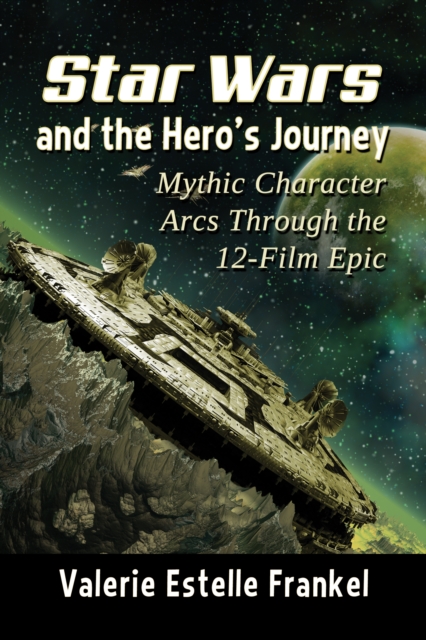
The original Star Wars trilogy famously follows Joseph Campbell's model for the hero's journey, making Luke Skywalker's story the new hero quest for a modern age.
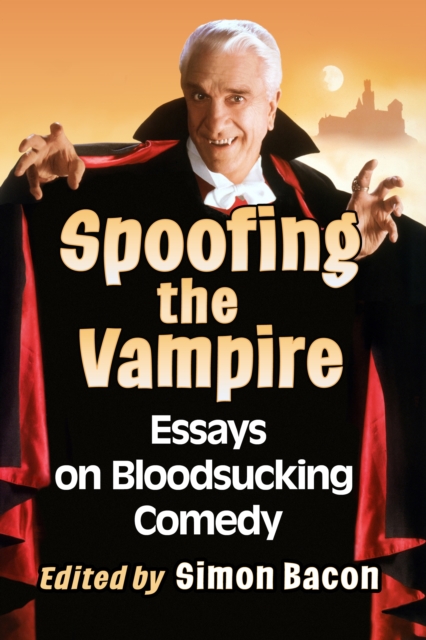
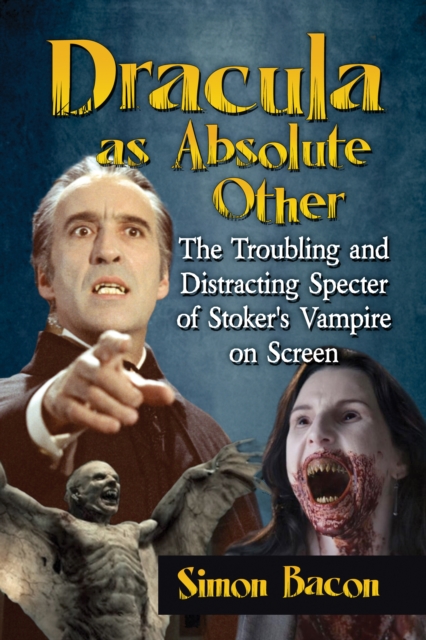
Dark, dangerous and transgressive, Bram Stoker's Dracula is often read as Victorian society's absolute Other--an outsider who troubles and distracts those around him, one who represents the fears and anxieties of the age.