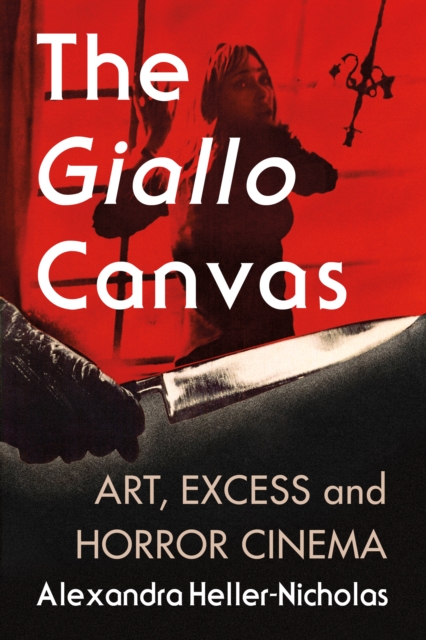
Beloved among cult horror devotees for its signature excesses of sex and violence, Italian giallo cinema is marked by switchblades, mysterious killers, whisky bottles and poetically overinflated titles.
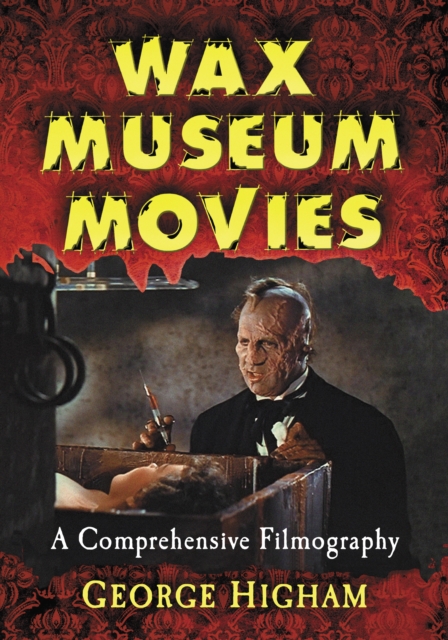
Spanning over a century of cinema and comprised of 127 films, this book analyzes the cinematic incarnations of the "e;uncanniest place on earth"e;--wax museums.
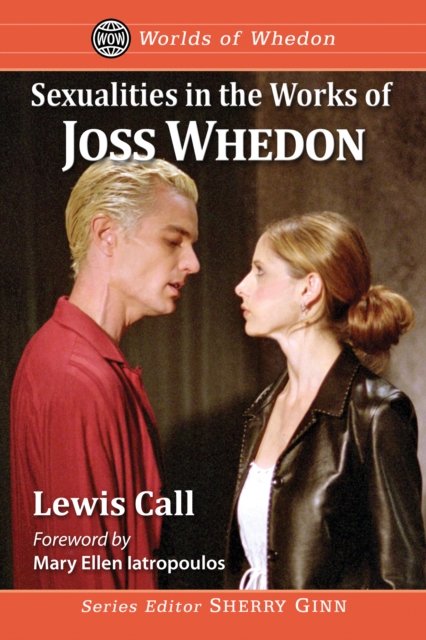
Joss Whedon's works, across all media including television, film, musicals, and comic books, are known for their commitment to gender and sexual equality.
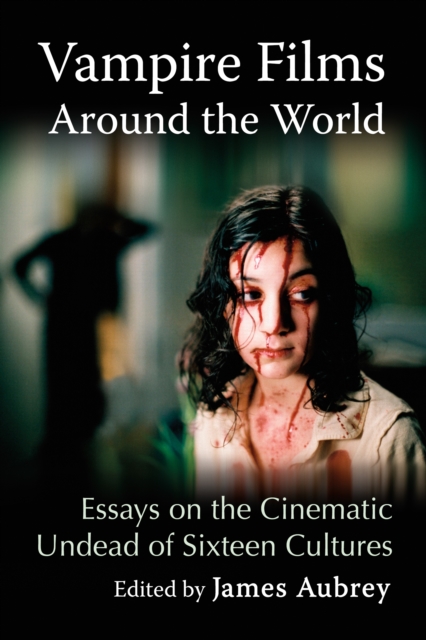
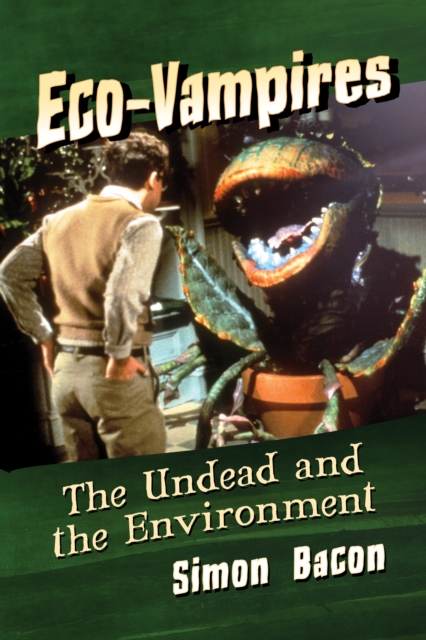
Vampires are arguably the most popular and most paradoxical of gothic monsters: life draining yet passionate, feared yet fascinating, dead yet immortal.
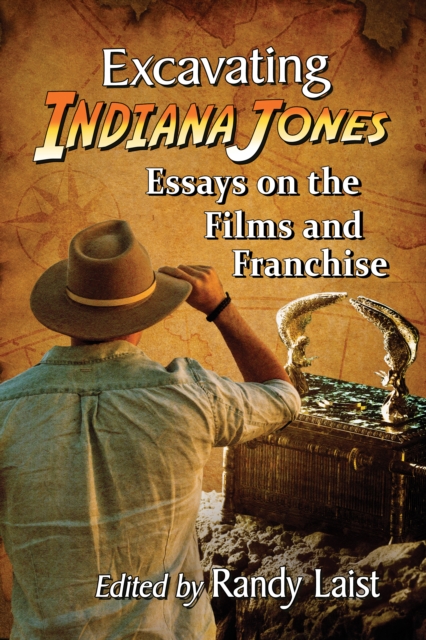
With his signature bullwhip and fedora, the rousing sounds of his orchestral anthem, and his eventful explorations into the arcana of world religions, Indiana Jones--archeologist, adventurer, and ophidiophobe--has become one of the most recognizable heroes of the big screen.
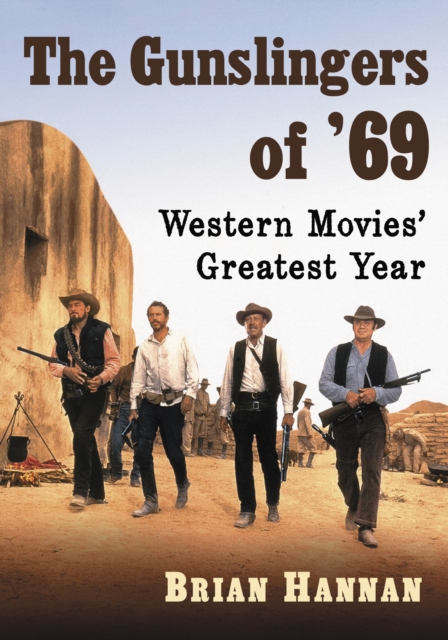
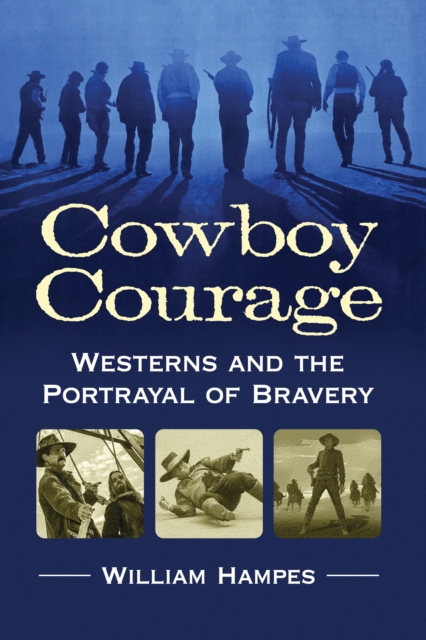
In 1969--the counter-cultural moment when Easy Rider triggered a "e;youthquake"e; in audience interests--Westerns proved more dominant than ever at the box office and at the Oscars.
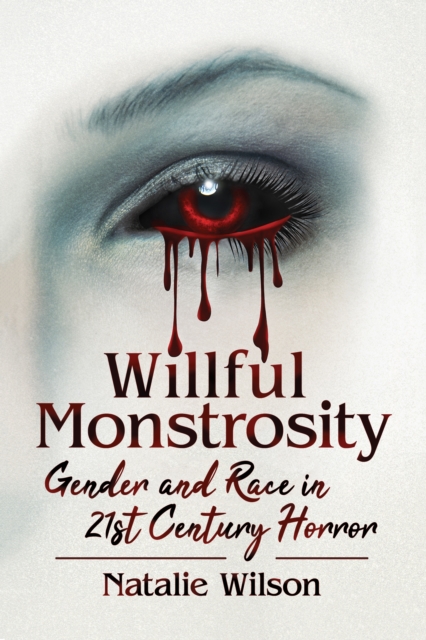
Taking in a wide range of film, television, and literature, this volume explores 21st century horror and its monsters from an intersectional perspective with a marked emphasis on gender and race.
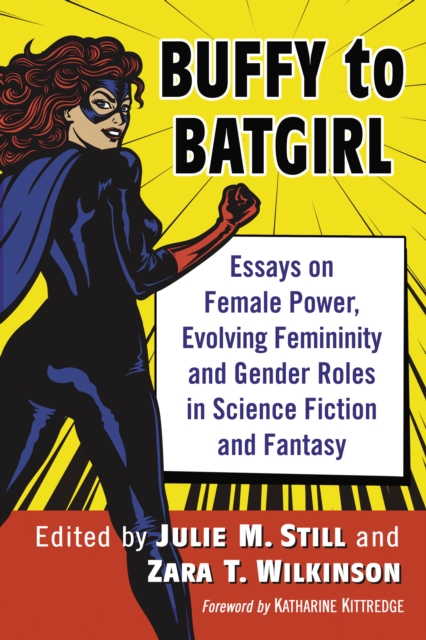
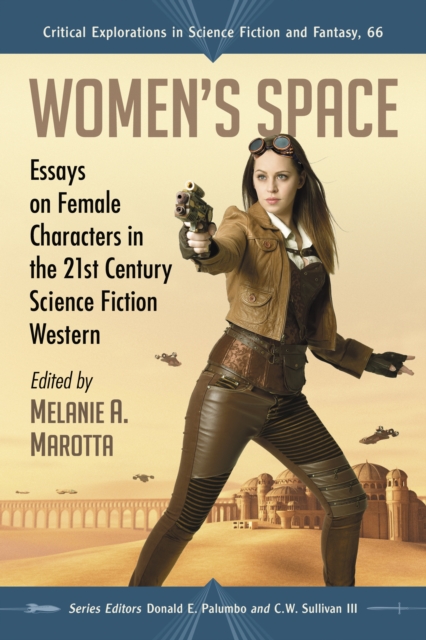
Science fiction and fantasy are often thought of as stereotypically male genres, yet both have a long and celebrated history of female creators, characters, and fans.
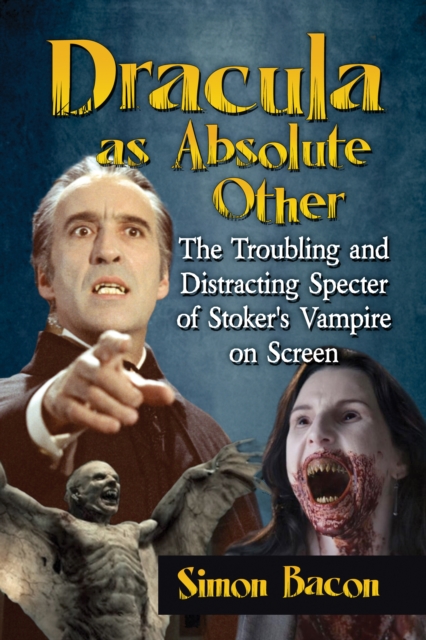
Dark, dangerous and transgressive, Bram Stoker's Dracula is often read as Victorian society's absolute Other--an outsider who troubles and distracts those around him, one who represents the fears and anxieties of the age.
Serial killers, mass murderers, spree killers, outlaws, and real-life homicidal maniacs have long held a grim fascination for both filmmakers and viewers.
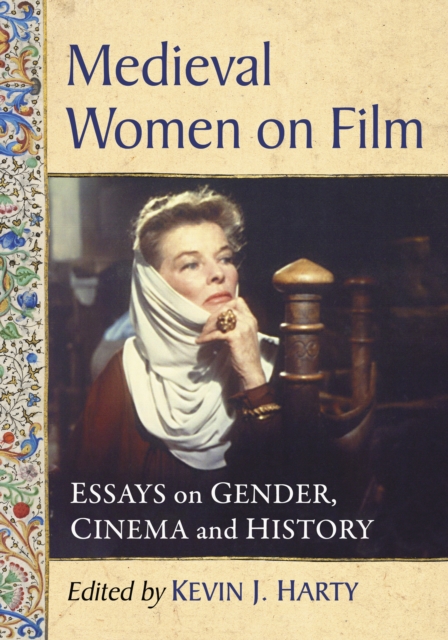
In this first ever book-length treatment, 11 scholars with a variety of backgrounds in medieval studies, film studies, and medievalism discuss how historical and fictional medieval women have been portrayed on film and their connections to the feminist movements of the 20th and 21st centuries.
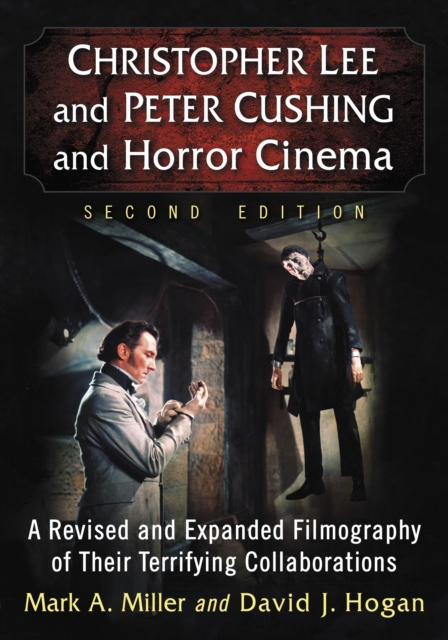
From their first pairing in Hamlet (1948) to House of the Long Shadows (1983), British film stars Christopher Lee and Peter Cushing forged perhaps the most successful collaboration in horror film history.
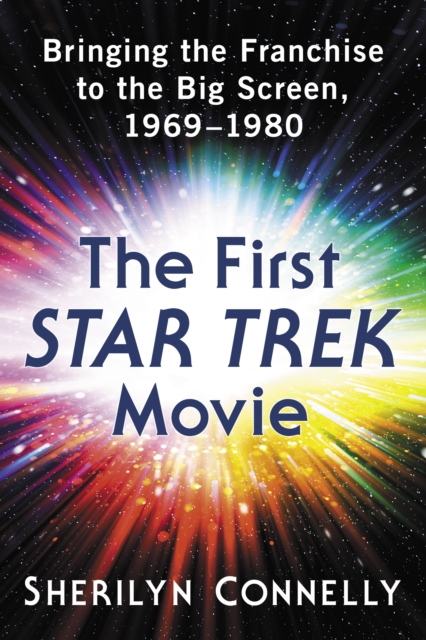
The story of Star Trek's resurrection between the 1969 cancellation of the original series and the 1979 release of Robert Wise's Star Trek--The Motion Picture, has become legend and like so many other legends, it tends to get printed instead of the facts.
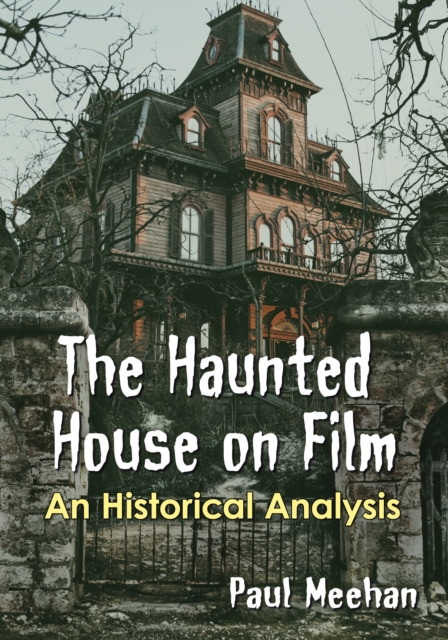
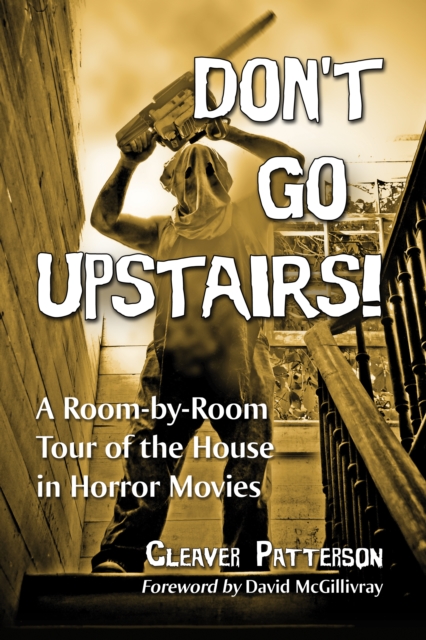
Throughout cinematic history, the buildings characters inhabit--whether stately rural mansions or inner-city apartment blocks--have taken on extra dimensions, often featuring as well developed characters themselves.
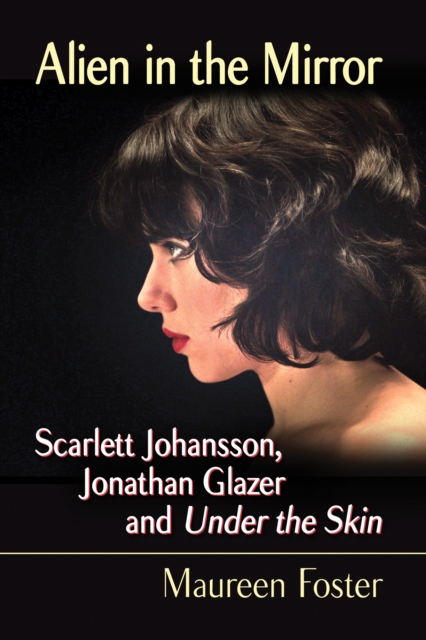
Directed by Jonathan Glazer (Sexy Beast, Birth) and starring Scarlett Johansson, the 2013 film Under the Skin contains elements of science fiction and fantasy, horror, mystery, and thriller.
One of the top-grossing independent films of all time, The Evil Dead (1981) sparked a worldwide cult following, resulting in sequels, remakes, musicals, comic books, conventions, video games and a television series.
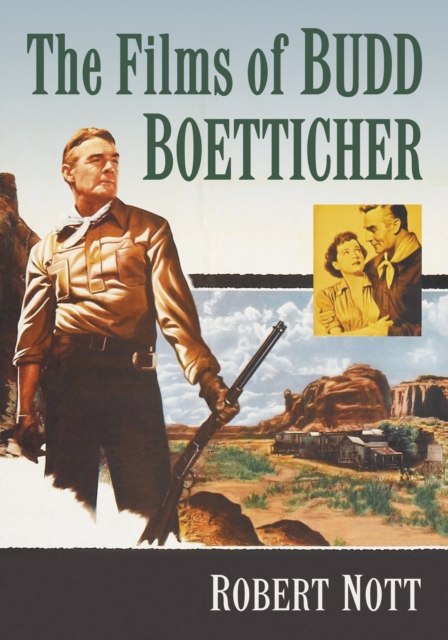
Budd Boetticher (1916-2001) was a bullfighter, a pleasant madman and a talented journeyman filmmaker who could--with the right material and drive--create a minor Western film classic as easily as he could kill a bull.
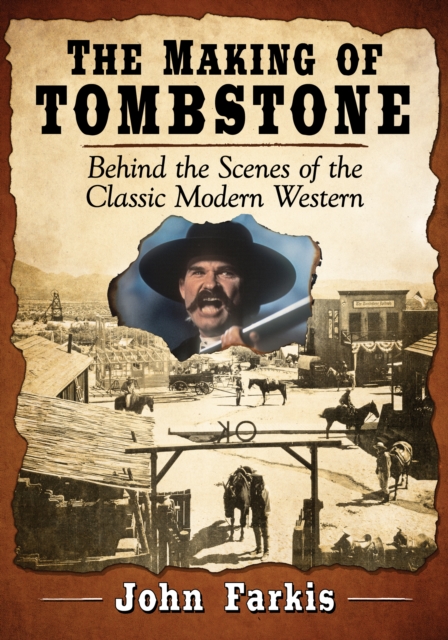
The day-by-day inside story of the making of Tombstone (1993) as told to the author by those who were there--actors, extras, crew members, Buckaroos, historians and everyone in between.
In sharp contrast to many 1960s science fiction films, with idealized views of space exploration, Ridley Scott's Alien (1979) terrified audiences, depicting a harrowing and doomed deep-space mission.
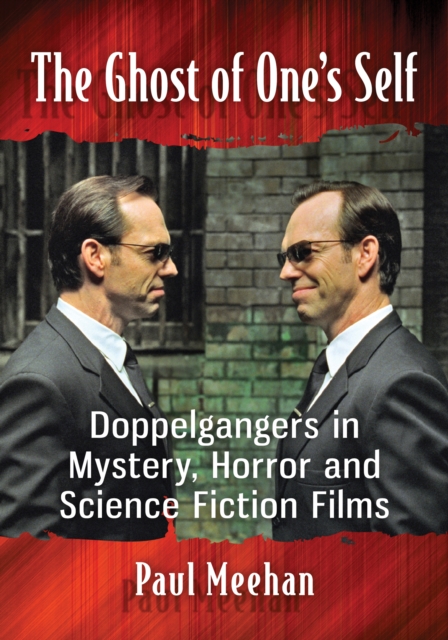
For millennia people have held folk beliefs about the existence of the doppelganger--"e;double walker"e; in German--a look-alike second self that is often the antithesis of one's identity and is usually considered an omen of misfortune or death.
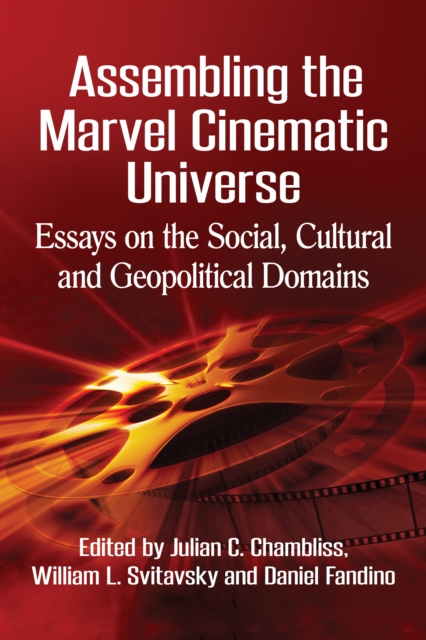
The Marvel Cinematic Universe--comprised of films, broadcast television and streaming series and digital shorts--has generated considerable fan engagement with its emphasis on socially relevant characters and plots.
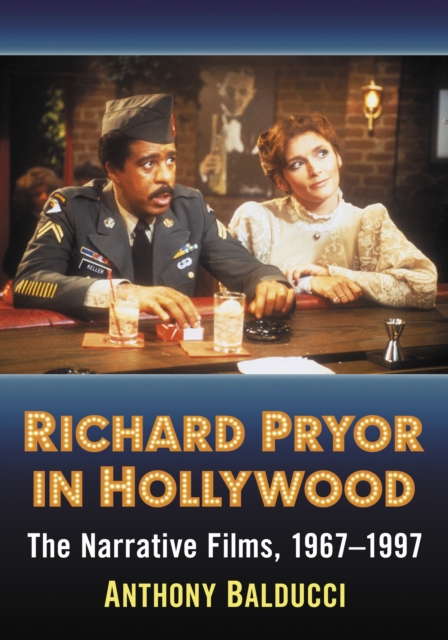
Hollywood studios were once eager to bring stand-up comedy king Richard Pryor's dynamic humor to the big screen--so much so that studio executives gave him full access to available resources and creative control to develop his own projects.