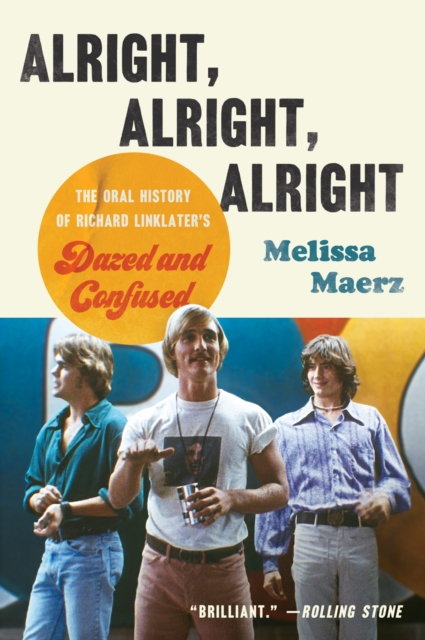
The definitive oral history of the cult classic Dazed and Confused, featuring behind-the-scenes stories from the cast, crew, and Oscar-nominated director Richard Linklater.
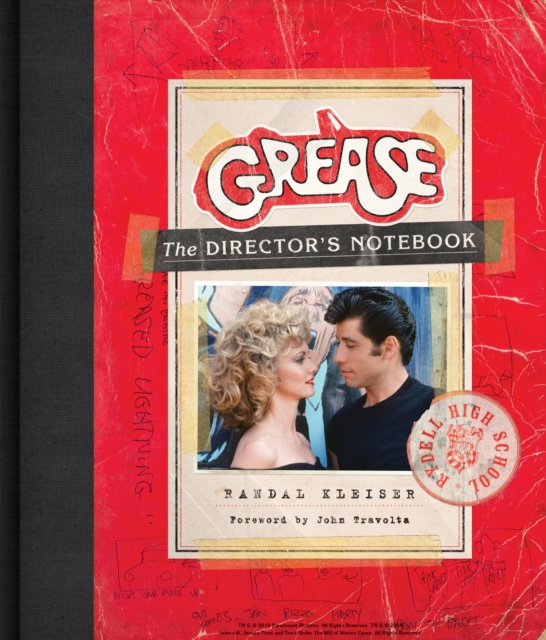
Comprehensive and beautifully designed, Grease: The Director's Notebook also includes all new exclusive interviews with the key cast members and crew, including Olivia Newton-John, John Travolta, and Stockard Channing, original script pages, call sheets, conceptual images, and more.
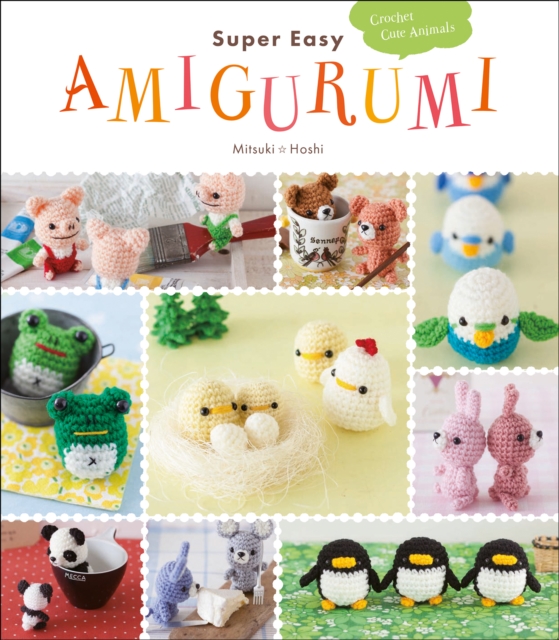
Master the popular art of Japanese Amigurumi and take your skills to the next level with this enchanting illustrated guide for creating pandas, rabbits, penguins, and other animals from the author of Ami Ami Dogs, Ami Ami Dogs 2, and Ami Ami Kittens.
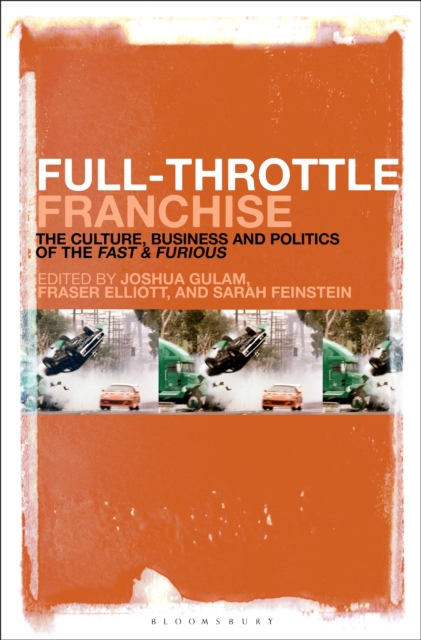
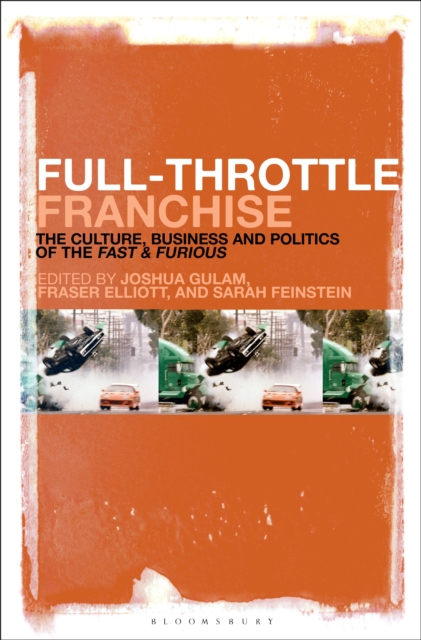
When the first Fast & Furious film was released in June 2001, few predicted that it would be a box office hit, let alone the launchpad for a multi-billion-dollar franchise.
When the first Fast & Furious film was released in June 2001, few predicted that it would be a box office hit, let alone the launchpad for a multi-billion-dollar franchise.
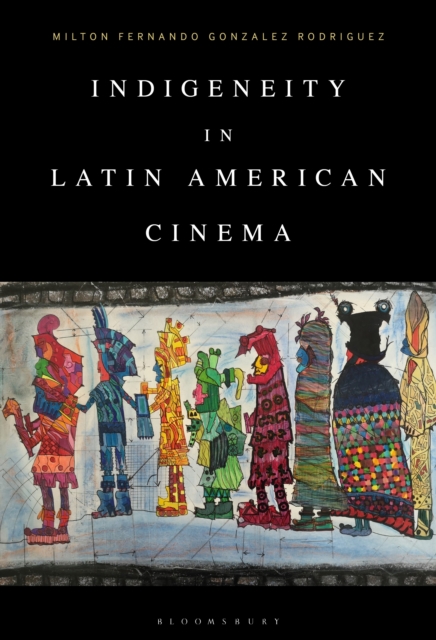
Indigeneity in Latin American Cinema explores how contemporary films (2000-2020) participate in the evolution and circulation of images and sounds that in many ways define how indigenous communities are imagined, at a local, regional and global scale.
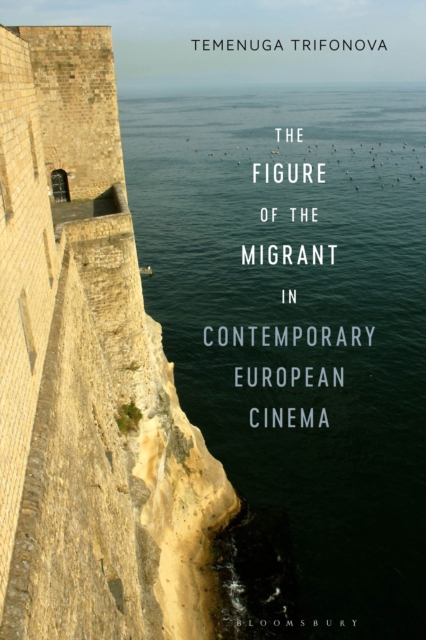
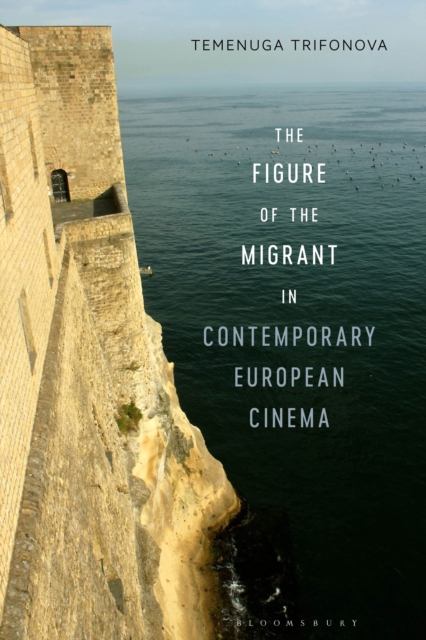
The Figure of the Migrant in Contemporary European Cinema explores contemporary debates around the concepts of 'Europe' and 'European identity' through an examination of recent European films dealing with various aspects of globalization (the refugee crisis, labour migration, the resurgence of nationalism and ethnic violence, neoliberalism, post-colonialism) with a particular attention to the figure of the migrant and the ways in which this figure challenges us to rethink Europe and its core Enlightenment values (citizenship, justice, ethics, liberty, tolerance, and hospitality) in a post-national context of ephemerality, volatility, and contingency that finds people desperately looking for firmer markers of identity.
The Figure of the Migrant in Contemporary European Cinema explores contemporary debates around the concepts of 'Europe' and 'European identity' through an examination of recent European films dealing with various aspects of globalization (the refugee crisis, labour migration, the resurgence of nationalism and ethnic violence, neoliberalism, post-colonialism) with a particular attention to the figure of the migrant and the ways in which this figure challenges us to rethink Europe and its core Enlightenment values (citizenship, justice, ethics, liberty, tolerance, and hospitality) in a post-national context of ephemerality, volatility, and contingency that finds people desperately looking for firmer markers of identity.
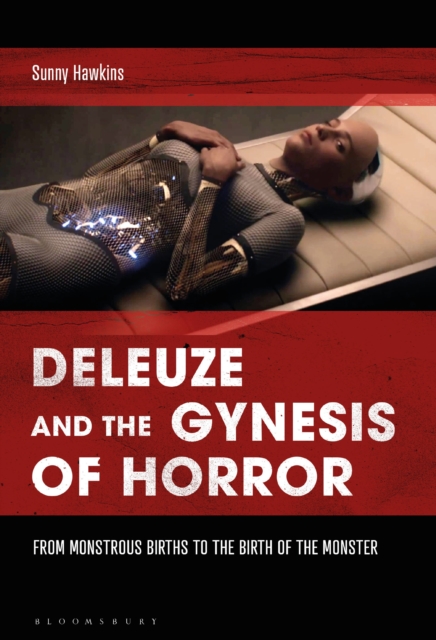
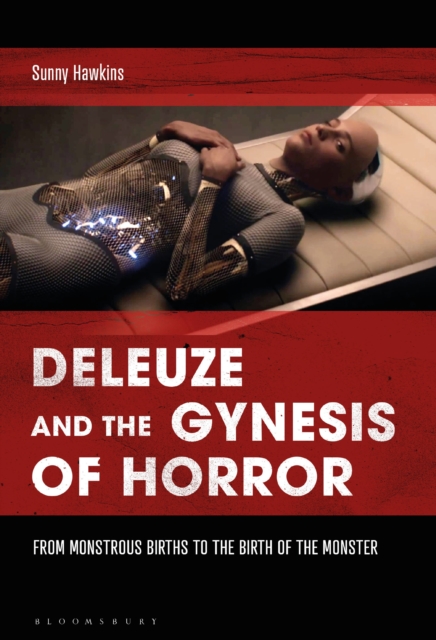
Applying Deleuze's schizoanalytic techniques to film theory, Deleuze and the Gynesis of Horror demonstrates how an embodied approach to horror film analysis can help us understand how film affects its viewers and distinguish those films which reify static, hegemonic, "e;molar"e; beings from those which prompt fluid, nonbinary, "e;molecular"e; becomings.
Applying Deleuze's schizoanalytic techniques to film theory, Deleuze and the Gynesis of Horror demonstrates how an embodied approach to horror film analysis can help us understand how film affects its viewers and distinguish those films which reify static, hegemonic, "e;molar"e; beings from those which prompt fluid, nonbinary, "e;molecular"e; becomings.
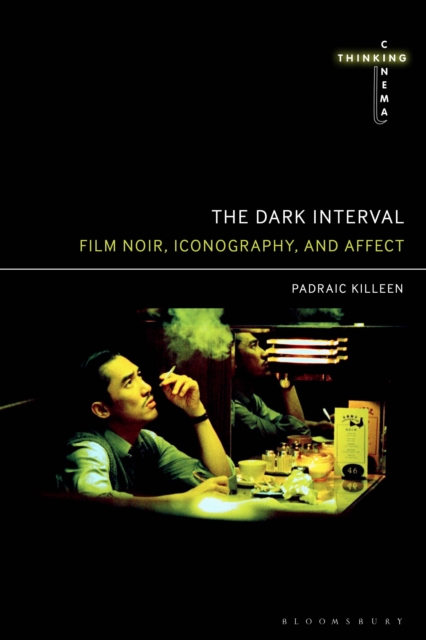
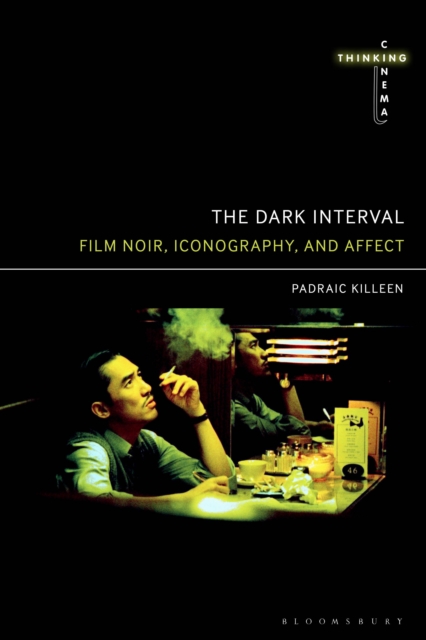
Invoking key concepts from the philosophical writings of Gilles Deleuze and Giorgio Agamben, The Dark Interval examines a subtle but distinct iconography of passivity, stillness and profound self-affection that recurs across noir films of every era.
Invoking key concepts from the philosophical writings of Gilles Deleuze and Giorgio Agamben, The Dark Interval examines a subtle but distinct iconography of passivity, stillness and profound self-affection that recurs across noir films of every era.
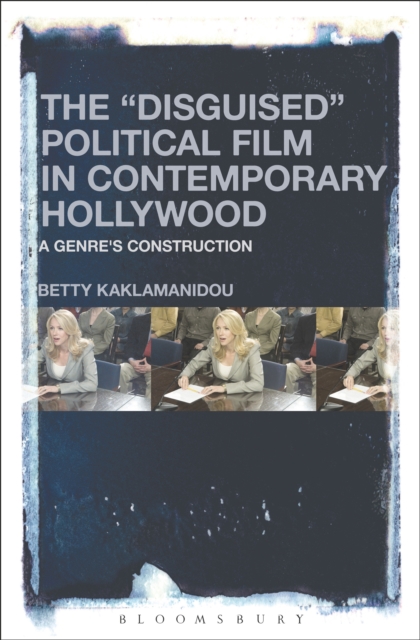
With strict guidelines on methodology and time frame -- films produced after September 2001, and a socio-semiotic theoretical framework -- Betty Kaklamanidou unpacks the problematic terms and ideas that go along with defining a new genre.
With strict guidelines on methodology and time frame -- films produced after September 2001, and a socio-semiotic theoretical framework -- Betty Kaklamanidou unpacks the problematic terms and ideas that go along with defining a new genre.
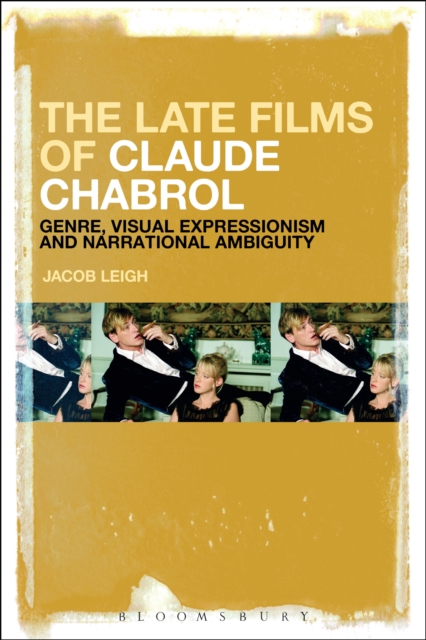
A member of the French New Wave group of filmmakers who first came to prominence at the end of the 1950s, Claude Chabrol has received the least amount of critical and scholarly attention, although he was the more prolific and commercially successful of them all.
A member of the French New Wave group of filmmakers who first came to prominence at the end of the 1950s, Claude Chabrol has received the least amount of critical and scholarly attention, although he was the more prolific and commercially successful of them all.
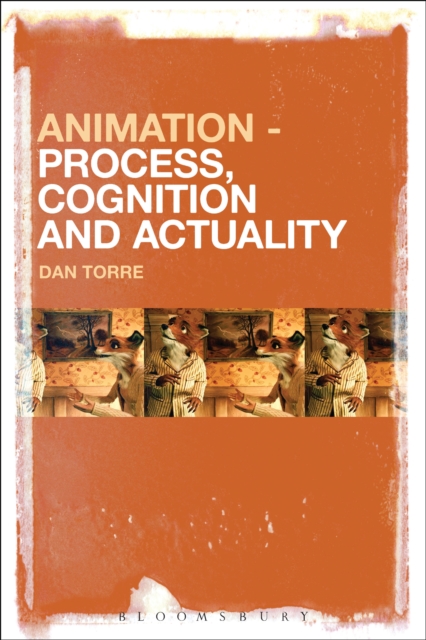
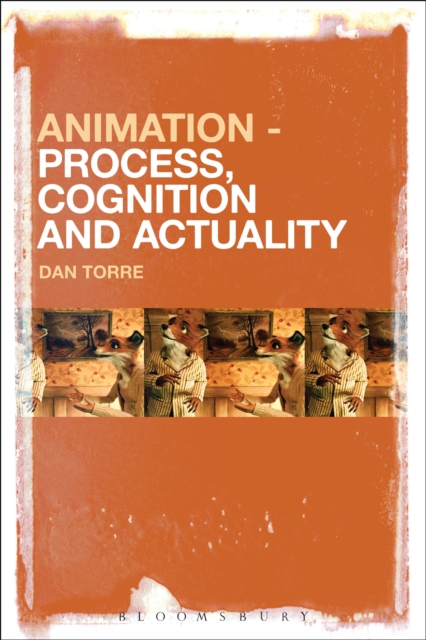
Animation - Process, Cognition and Actuality presents a uniquely philosophical and multi-disciplinary approach to the scholarly study of animation, by using the principles of process philosophy and Deleuzian film aesthetics to discuss animation practices, from early optical devices to contemporary urban design and installations.
Animation - Process, Cognition and Actuality presents a uniquely philosophical and multi-disciplinary approach to the scholarly study of animation, by using the principles of process philosophy and Deleuzian film aesthetics to discuss animation practices, from early optical devices to contemporary urban design and installations.
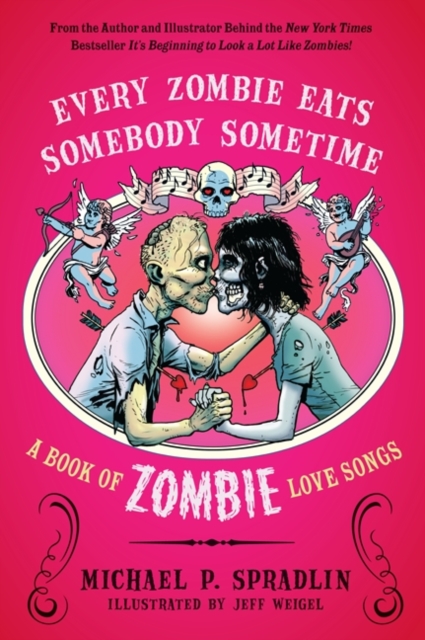
From the author and illustrator of the twisted New York Times bestselling Christmas classic, It's Beginning to Look a Lot Like Zombies, comes a heart-devouring collection of Zombie love songs, Every Zombie Eats Somebody Sometime.
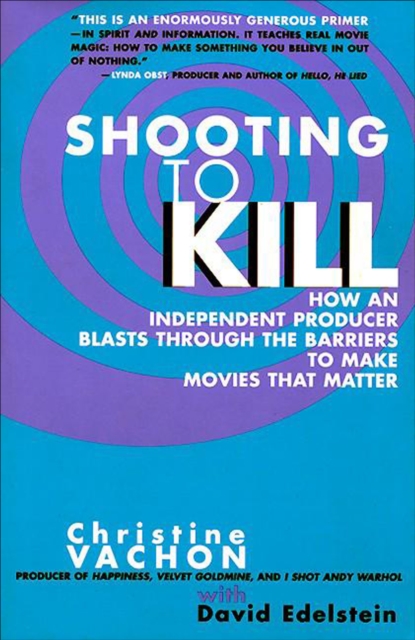
Complete with behind-the-scenes diary entries from the set of Vachon's best-known fillms, Shooting to Kill offers all the satisfaction of an intimate memoir from the frontlines of independent filmmakins, from one of its most successful agent provocateurs -- and survivors.
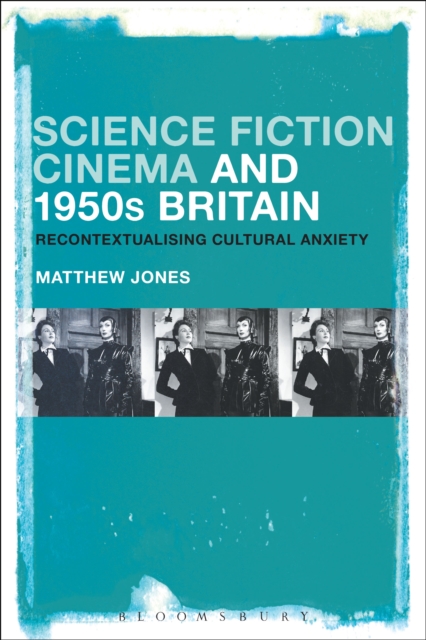
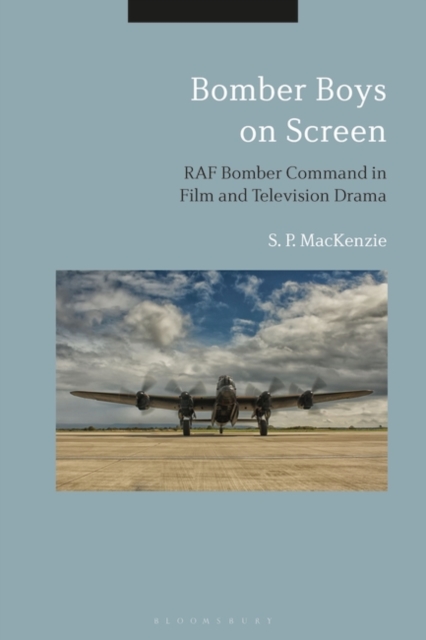
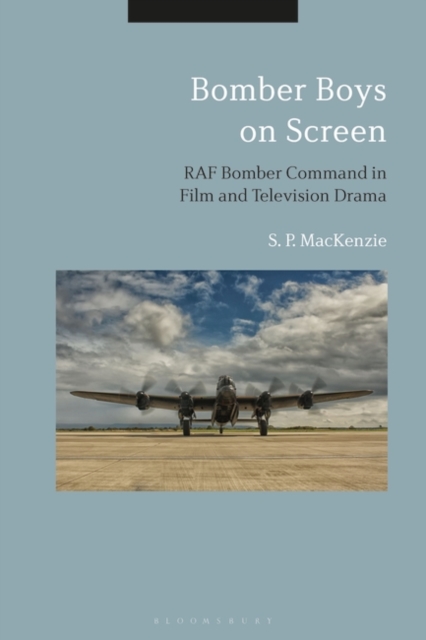
Since the Second World War, depictions of Royal Air Force operations in film and television drama have become so numerous that they make up a genre worthy of scholarly attention.
Since the Second World War, depictions of Royal Air Force operations in film and television drama have become so numerous that they make up a genre worthy of scholarly attention.
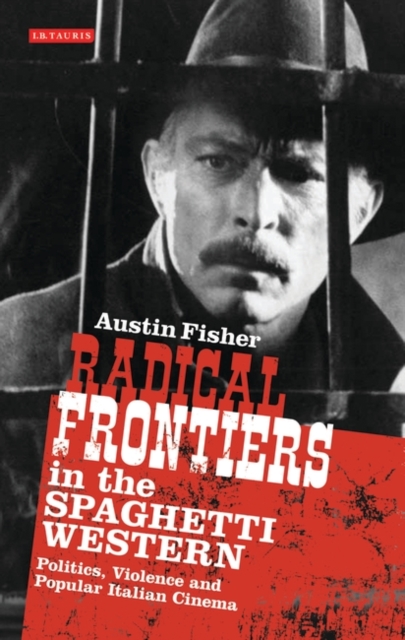
Ever more popular in the age of DVDs, eBay and online fandom, the Spaghetti Westerns of the 1960s have undergone a mainstream renaissance which has nevertheless left their intimate relationship to the troubled politics of 1960s Italy unexamined.
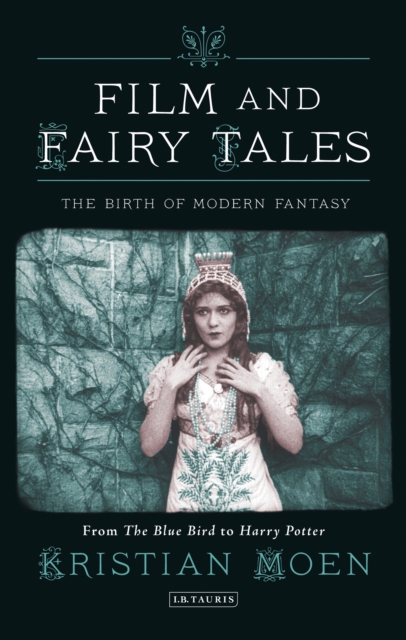
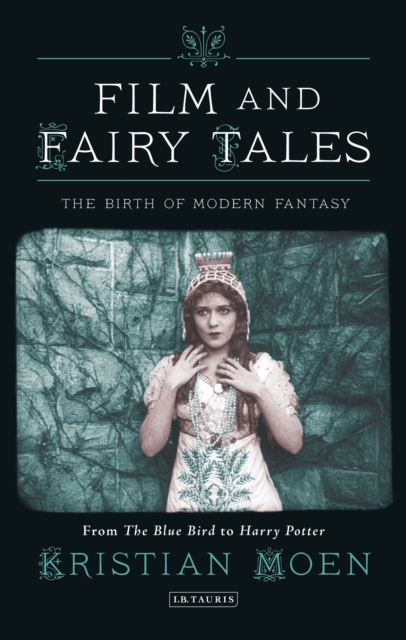
Far from a realm of pure fantasy helping people to escape harsh realities, fairy tales and the films that rooted themselves in their tropes and traditions played an integral role in formulating and expressing the anxieties of modernity as well as its potential for radical, magical transformation.
The large literature about the politics of Hollywood in the period of McCarthy and the blacklist has largely overlooked political filmmaking during those agitated years.
Far from a realm of pure fantasy helping people to escape harsh realities, fairy tales and the films that rooted themselves in their tropes and traditions played an integral role in formulating and expressing the anxieties of modernity as well as its potential for radical, magical transformation.