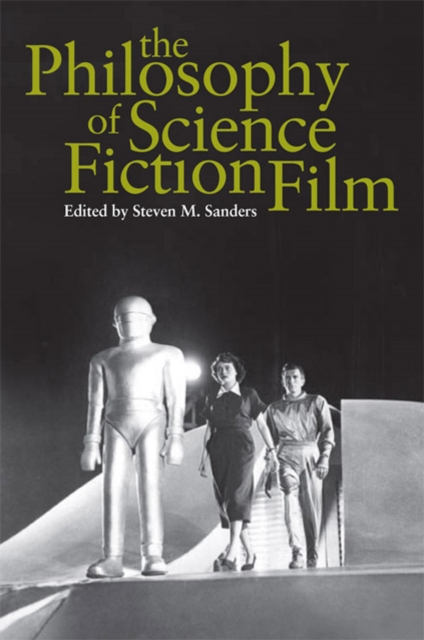
The science fiction genre maintains a remarkable hold on the imagination and enthusiasm of the filmgoing public, captivating large audiences worldwide and garnering ever-larger profits.
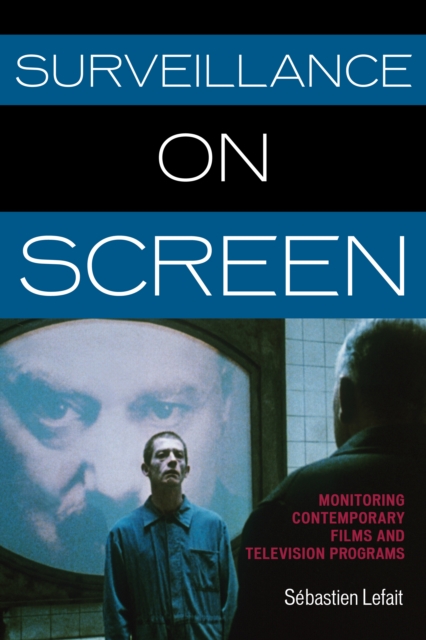
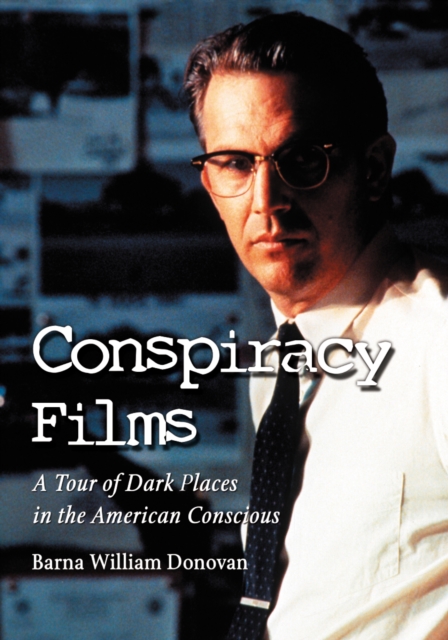
The theme of surveillance has become an increasingly common element in movies and television shows, perhaps as a response to the sense that the world is now virtually under watch.
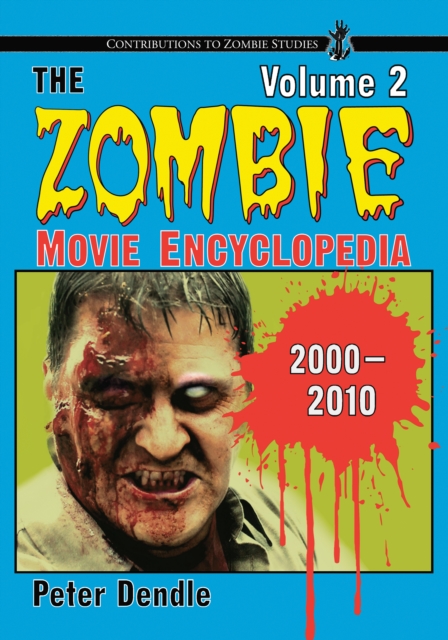
This is a comprehensive overview of zombie movies in the first 11 years of the new millennium, the most dynamic and vital period yet in the history of the zombie genre.
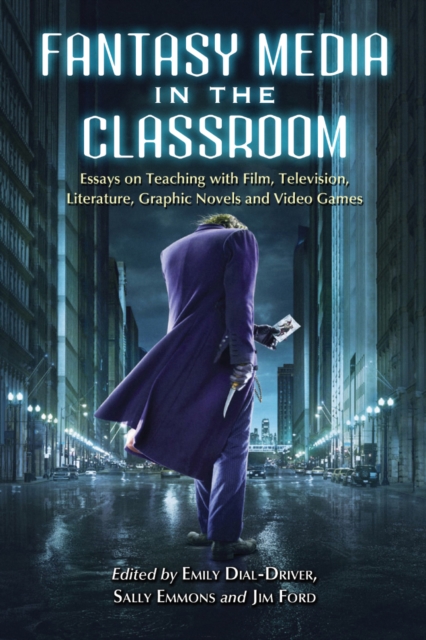
A common misconception is that professors who use popular culture and fantasy in the classroom have abandoned the classics, yet in a variety of contexts--high school, college freshman composition, senior seminars, literature, computer science, philosophy and politics--fantasy materials can expand and enrich an established curriculum.
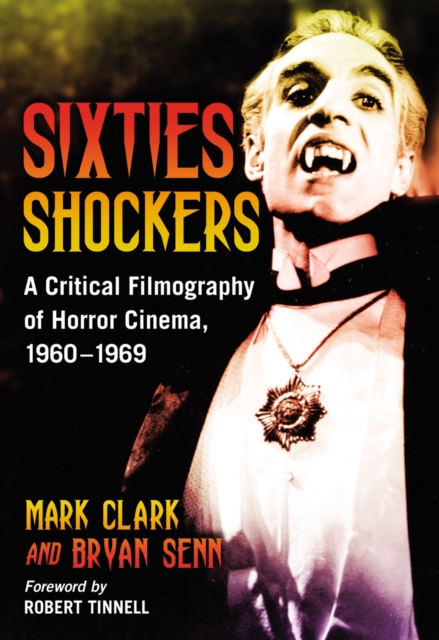
This comprehensive filmography provides critical analyses and behind-the-scenes stories for 600 horror, science fiction and fantasy films from the 1960s.
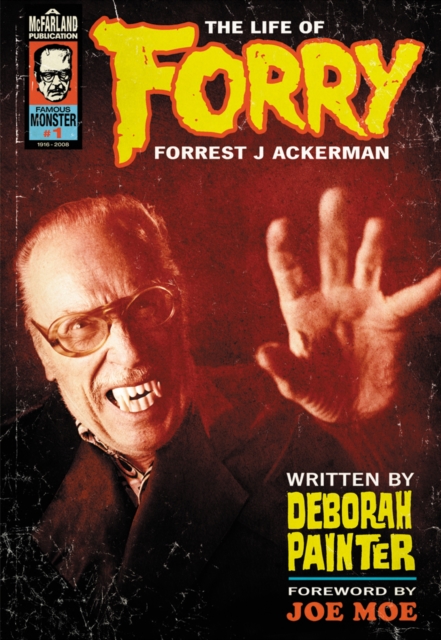
Forrest J Ackerman (1916-2008) was an author, archivist, agent, actor, promoter, and editor of the iconic fan magazine Famous Monsters of Filmland; a founder of science fiction fandom; and one of the world's foremost collectors of sci-fi, horror and fantasy films, literature, and memorabilia.
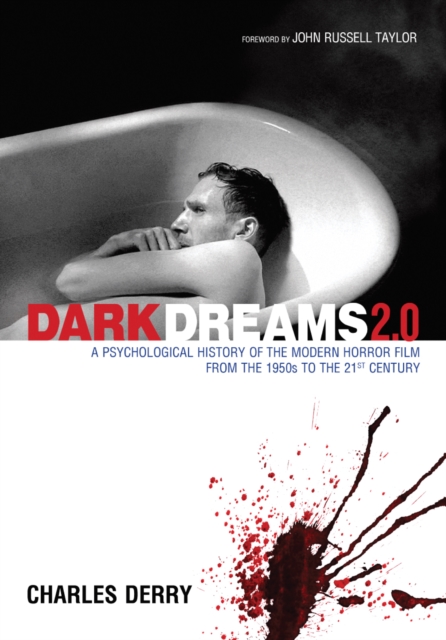
Greatly expanded and updated from the 1977 original, this new edition explores the evolution of the modern horror film, particularly as it reflects anxieties associated with the atomic bomb, the Cold War, 1960s violence, sexual liberation, the Reagan revolution, 9/11 and the Iraq War.
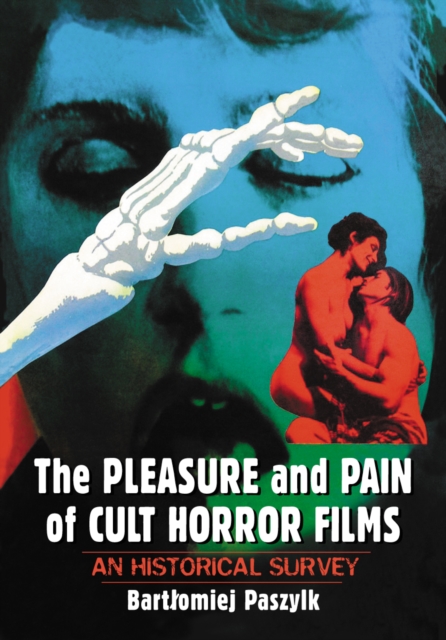
The horror genre harbors a number of films too bold or bizarre to succeed with mainstream audiences, but offering unique, startling and often groundbreaking qualities that have won them an enduring following.
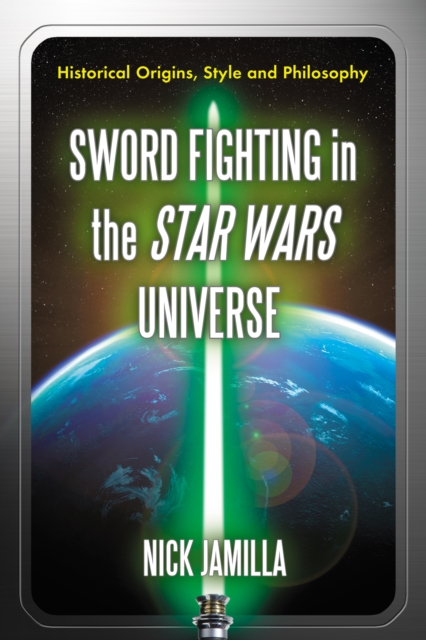
Unlike most makers of modern or futuristic films, George Lucas turned away from the standard special operatives or secret agents when he created the heroes for his epic Star Wars saga.
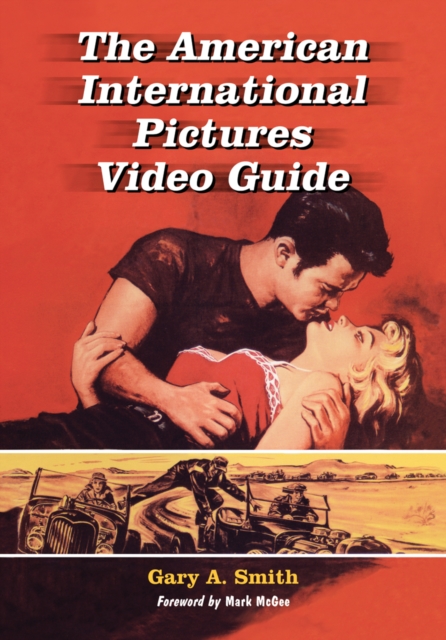
American International released a tide of low-budget, sensationalistic films aimed at the teenage audience, finding its greatest success in the horror genre.
At a moment when the discipline of Canadian art history seems to be in flux and the study of Canadian visual culture is gaining traction outside of art history departments, the authors of Negotiations in a Vacant Lot were asked: is "e;Canada"e; - or any other nation - still relevant as a category of inquiry?
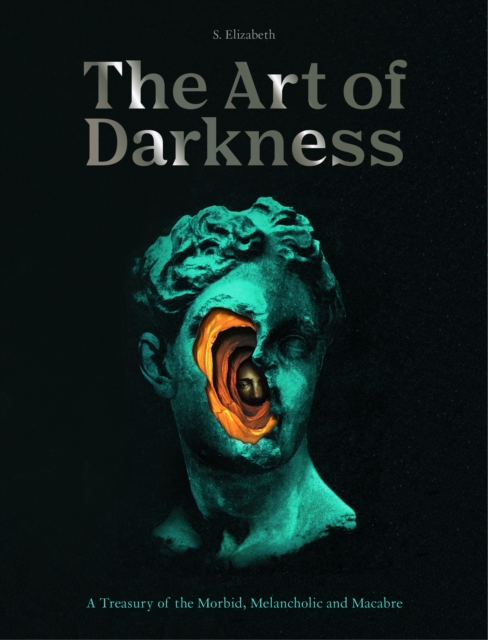
The Art of Darkness is a visually rich sourcebook featuring eclectic artworks thathave been inspired and informed by the morbid, melancholic and macabre.
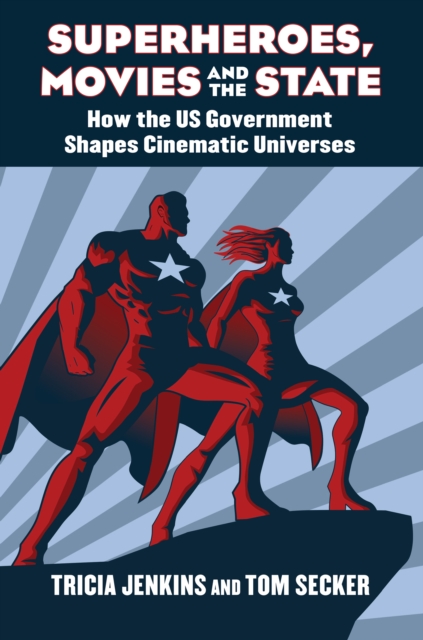
Tricia Jenkins and Tom Secker deliver a highly original exploration of how the government-entertainment complex has influenced the worlds most popular movie genresuperhero films.
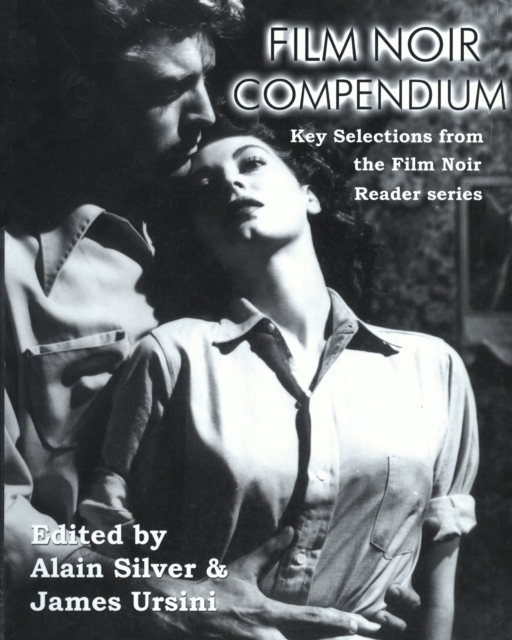
In this essential study of film noir, editors Alain Silver and James Ursini select the most significant and influential articles on the movement from their highly respected Film Noir Reader series and assemble them into a single, convenient, heavily illustrated volume.
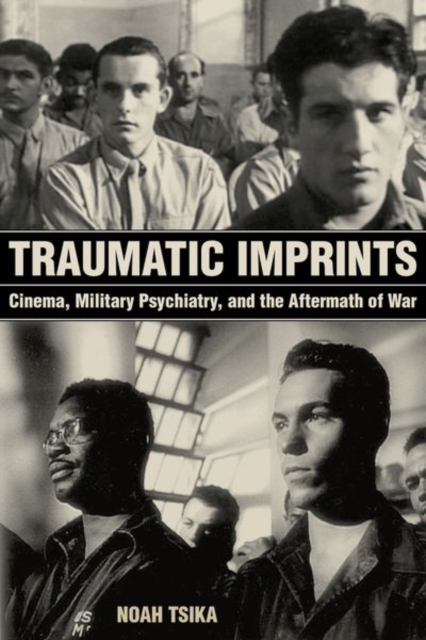
Forced to contend with unprecedented levels of psychological trauma during World War II, the United States military began sponsoring a series of nontheatrical films designed to educate and even rehabilitate soldiers and civilians alike.
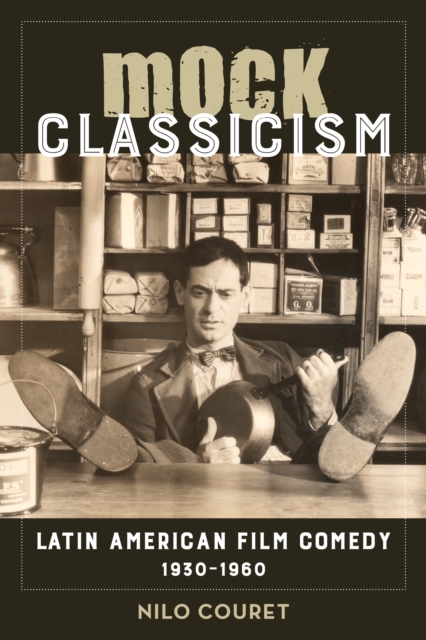
In Mock Classicism Nilo Couret presents an alternate history of Latin American cinema that traces the popularity and cultural significance of film comedies as responses to modernization and the forerunners to a more explicitly political New Latin American Cinema of the 1960s.
With a new introduction, acclaimed director and screenwriter Paul Schrader revisits and updates his contemplation of slow cinema over the past fifty years.
Australian Genre Film interrogates key genres at the core of Australia's so-called new golden age of genre cinema, establishing the foundation on which more sustained research on film genre in Australian cinema can develop.
Australian Genre Film interrogates key genres at the core of Australia's so-called new golden age of genre cinema, establishing the foundation on which more sustained research on film genre in Australian cinema can develop.
New Approaches to Cinematic Space aims to discuss the process of creation of cinematic spaces through moving images and the subsequent interpretation of their purpose and meaning.
New Approaches to Cinematic Space aims to discuss the process of creation of cinematic spaces through moving images and the subsequent interpretation of their purpose and meaning.
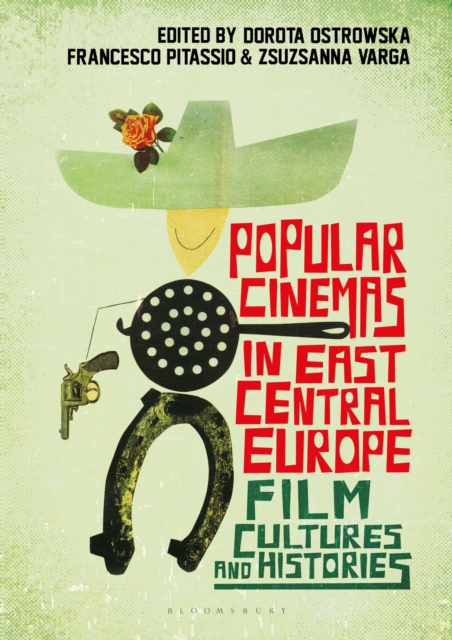
The continued interest in the social and cultural life of the former Warsaw pact countries - looking at but also beyond their socialist pasts - encompasses a desire to know more about their national cinemas.
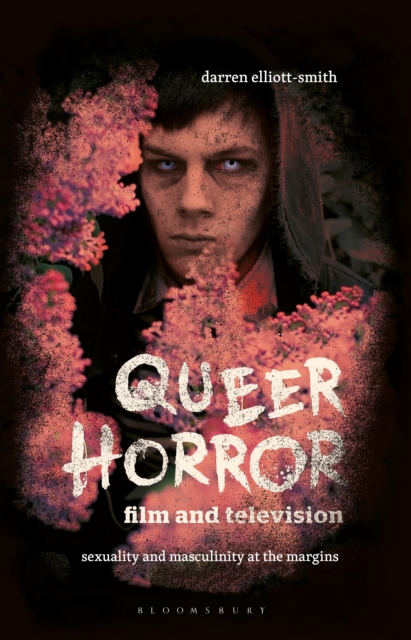
In recent years, the representation of alternative sexuality in the horror film and television has "e;outed"e; itself from the shadows from which it once lurked, via the embrace of an outrageously queer horror aesthetic where homosexuality is often unequivocally referenced.
At the opening ceremony for the London 2012 Olympics, a global audience of nearly one billion viewers were treated to the unprecedented sight of James Bond meeting Queen Elizabeth II.
Engaging with fiction films devoted to heroic tales from the decade and a half between 1949 and 1966, this book reconceives state propaganda as aesthetic experiments that not only radically transformed acting, cinematography and screenwriting in socialist China, but also articulated a new socialist film theory and criticism.