This book adopts a cognitive theoretical framework in order to address the mental processes that are elicited and triggered by found footage horror films.
This book adopts a cognitive theoretical framework in order to address the mental processes that are elicited and triggered by found footage horror films.
This book helps readers understand Moonlight's profound political and social importance, the innovative technical choices adopted by director Barry Jenkins and the film's adoption and disruption of traditional coming-of-age themes through the specific prism of Chiron's childhood and youth.
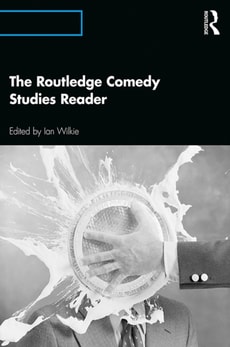
The Routledge Comedy Studies Reader is a selection of the most outstanding critical analysis featured in the journal Comedy Studies in the decade since its inception in 2010.
This book helps readers understand Moonlight's profound political and social importance, the innovative technical choices adopted by director Barry Jenkins and the film's adoption and disruption of traditional coming-of-age themes through the specific prism of Chiron's childhood and youth.
The Routledge Comedy Studies Reader is a selection of the most outstanding critical analysis featured in the journal Comedy Studies in the decade since its inception in 2010.
This book explores horror film franchising from a broad range of interdisciplinary perspectives and considers the horror film's role in the history of franchising and serial fiction.
This book explores horror film franchising from a broad range of interdisciplinary perspectives and considers the horror film's role in the history of franchising and serial fiction.
Known for creating classic films including His Girl Friday, The Big Sleep, Bringing Up Baby, and Gentlemen Prefer Blondes, Howard Hawks is one of the best-known Hollywood 'auteurs', but the important role that music plays in his films has been generally neglected by film critics and scholars.
Known for creating classic films including His Girl Friday, The Big Sleep, Bringing Up Baby, and Gentlemen Prefer Blondes, Howard Hawks is one of the best-known Hollywood 'auteurs', but the important role that music plays in his films has been generally neglected by film critics and scholars.
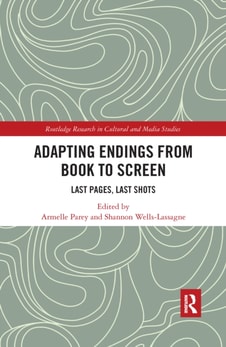
This book offers a new perspective on adaptation of books to the screen; by focusing on endings, new light is shed on this key facet of film and television studies.
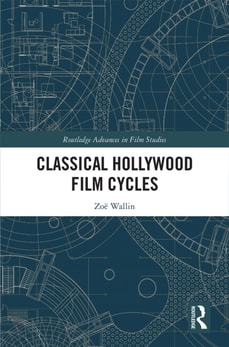
This book explores the ways in which Hollywood film cycles from the 1930s to the 1960s were shaped by their surrounding industrial contexts and market environments, to build an inclusive conception of the form, operation, and function of film cycles.
This book offers a new perspective on adaptation of books to the screen; by focusing on endings, new light is shed on this key facet of film and television studies.
This book explores the ways in which Hollywood film cycles from the 1930s to the 1960s were shaped by their surrounding industrial contexts and market environments, to build an inclusive conception of the form, operation, and function of film cycles.
In this unique study of the process of filmmaking, director Edward Dmytryk blends abstract film theory and the practical realities of feature film production to provide an artful and elegant analysis of the conceptual foundations of filmmaking and film studies.
In this unique study of the process of filmmaking, director Edward Dmytryk blends abstract film theory and the practical realities of feature film production to provide an artful and elegant analysis of the conceptual foundations of filmmaking and film studies.
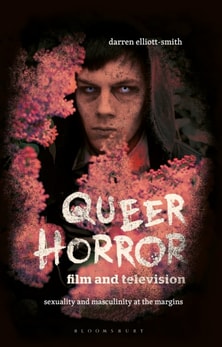
In recent years, the representation of alternative sexuality in the horror film and television has "e;outed"e; itself from the shadows from which it once lurked, via the embrace of an outrageously queer horror aesthetic where homosexuality is often unequivocally referenced.
At the opening ceremony for the London 2012 Olympics, a global audience of nearly one billion viewers were treated to the unprecedented sight of James Bond meeting Queen Elizabeth II.
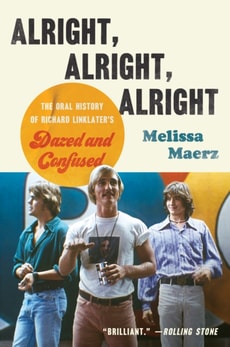
The definitive oral history of the cult classic Dazed and Confused, featuring behind-the-scenes stories from the cast, crew, and Oscar-nominated director Richard Linklater.
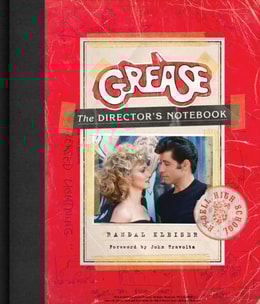
Comprehensive and beautifully designed, Grease: The Director's Notebook also includes all new exclusive interviews with the key cast members and crew, including Olivia Newton-John, John Travolta, and Stockard Channing, original script pages, call sheets, conceptual images, and more.
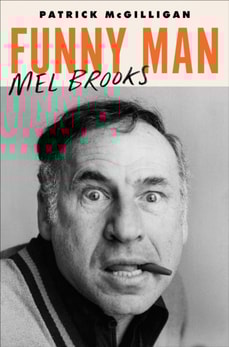
A deeply textured and compelling biography of comedy giant Mel Brooks, covering his rags-to-riches life and triumphant career in television, films, and theater, from Patrick McGilligan, the acclaimed author of Young Orson: The Years of Luck and Genius on the Path to Citizen Kane and Alfred Hitchcock: A Life in Darkness and Light.
Master the popular art of Japanese Amigurumi and take your skills to the next level with this enchanting illustrated guide for creating pandas, rabbits, penguins, and other animals from the author of Ami Ami Dogs, Ami Ami Dogs 2, and Ami Ami Kittens.
When the first Fast & Furious film was released in June 2001, few predicted that it would be a box office hit, let alone the launchpad for a multi-billion-dollar franchise.
When the first Fast & Furious film was released in June 2001, few predicted that it would be a box office hit, let alone the launchpad for a multi-billion-dollar franchise.
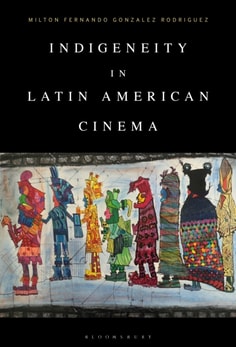
Indigeneity in Latin American Cinema explores how contemporary films (2000-2020) participate in the evolution and circulation of images and sounds that in many ways define how indigenous communities are imagined, at a local, regional and global scale.
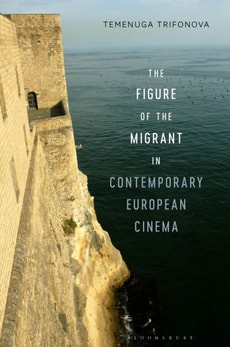
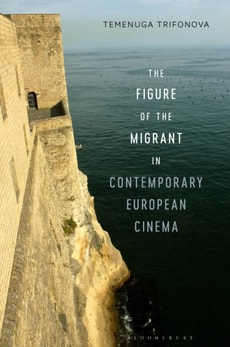
The Figure of the Migrant in Contemporary European Cinema explores contemporary debates around the concepts of 'Europe' and 'European identity' through an examination of recent European films dealing with various aspects of globalization (the refugee crisis, labour migration, the resurgence of nationalism and ethnic violence, neoliberalism, post-colonialism) with a particular attention to the figure of the migrant and the ways in which this figure challenges us to rethink Europe and its core Enlightenment values (citizenship, justice, ethics, liberty, tolerance, and hospitality) in a post-national context of ephemerality, volatility, and contingency that finds people desperately looking for firmer markers of identity.
The Figure of the Migrant in Contemporary European Cinema explores contemporary debates around the concepts of 'Europe' and 'European identity' through an examination of recent European films dealing with various aspects of globalization (the refugee crisis, labour migration, the resurgence of nationalism and ethnic violence, neoliberalism, post-colonialism) with a particular attention to the figure of the migrant and the ways in which this figure challenges us to rethink Europe and its core Enlightenment values (citizenship, justice, ethics, liberty, tolerance, and hospitality) in a post-national context of ephemerality, volatility, and contingency that finds people desperately looking for firmer markers of identity.
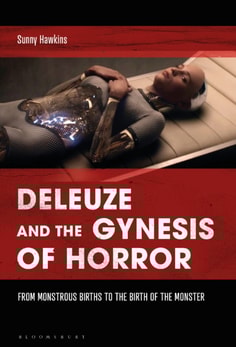
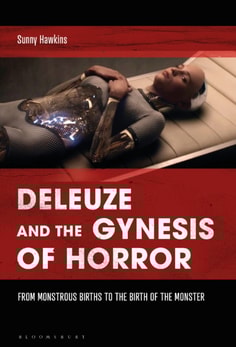
Applying Deleuze's schizoanalytic techniques to film theory, Deleuze and the Gynesis of Horror demonstrates how an embodied approach to horror film analysis can help us understand how film affects its viewers and distinguish those films which reify static, hegemonic, "e;molar"e; beings from those which prompt fluid, nonbinary, "e;molecular"e; becomings.
Applying Deleuze's schizoanalytic techniques to film theory, Deleuze and the Gynesis of Horror demonstrates how an embodied approach to horror film analysis can help us understand how film affects its viewers and distinguish those films which reify static, hegemonic, "e;molar"e; beings from those which prompt fluid, nonbinary, "e;molecular"e; becomings.
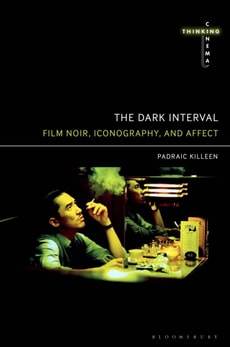
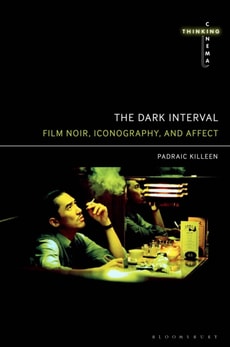
Invoking key concepts from the philosophical writings of Gilles Deleuze and Giorgio Agamben, The Dark Interval examines a subtle but distinct iconography of passivity, stillness and profound self-affection that recurs across noir films of every era.
Invoking key concepts from the philosophical writings of Gilles Deleuze and Giorgio Agamben, The Dark Interval examines a subtle but distinct iconography of passivity, stillness and profound self-affection that recurs across noir films of every era.