From the 1950s to the 1980s the Children's Film Foundation made films for Saturday morning cinema clubs across the UK - entertaining and educating generations of British children.
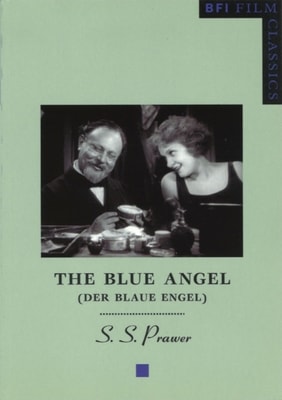
This comprehensive study reconstructs the production history of The Blue Angel (1930), showing how director Josef von Sternberg's virtuoso visual style was amply supported by an immensely talented team of actors and technicians.
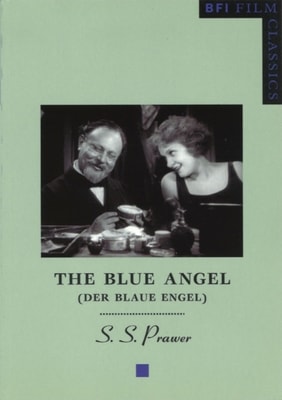
This comprehensive study reconstructs the production history of The Blue Angel (1930), showing how director Josef von Sternberg's virtuoso visual style was amply supported by an immensely talented team of actors and technicians.
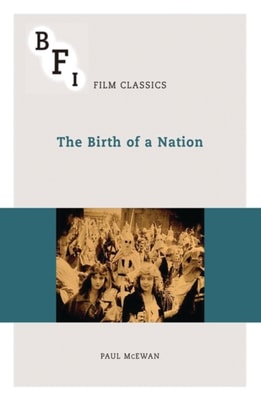
Portraying the Ku Klux Klan as heroic underdogs, silent epic The Birth of a Nation (1915) is widely considered to be the most controversial film of all time.
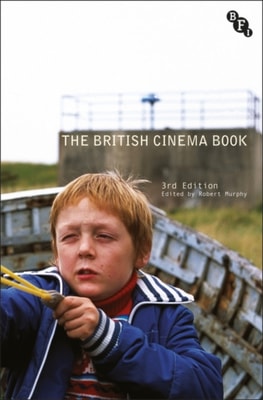
The new edition of The British Cinema Book has been thoroughly revised and updated to provide a comprehensive introduction to the major periods, genres, studios, film-makers and debates in British cinema from the 1890s to the present.
The new edition of The British Cinema Book has been thoroughly revised and updated to provide a comprehensive introduction to the major periods, genres, studios, film-makers and debates in British cinema from the 1890s to the present.
William Wyler's The Best Years of Our Lives (1946) tells the story of three veterans returning from World War II and adjusting to civilian life in a manner unusual for classical Hollywood cinema, with melodrama leavened by authentic detail, personal memories and a fierce desire to capture its historical moment.
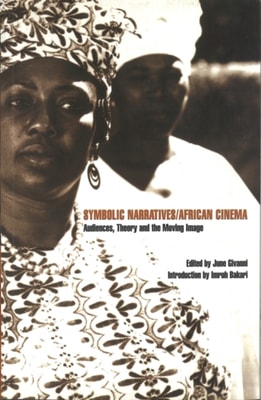
In the conference Africa and the History of Cinematic Ideas held in London in 1995, film-makers, cultural theorists and critics gathered to debate a range of issues.
In the conference Africa and the History of Cinematic Ideas held in London in 1995, film-makers, cultural theorists and critics gathered to debate a range of issues.
Through the intensive examination of films, magazines, advertising and critical texts, Dyer analyses the historical, ideological and aesthetic significance of stars, changing the way we understand screen icons.
Through the intensive examination of films, magazines, advertising and critical texts, Dyer analyses the historical, ideological and aesthetic significance of stars, changing the way we understand screen icons.
Martin Shingler presents the mother volume for Palgrave's Film Stars series in three easily-navigable chapters in which he provides a summative and instructive account of star studies for today's film student.
The highest artistic achievement of Hecht-Hill-Lancaster, an innovative production company that emerged in Hollywood at the end of the classic studio system, Sweet Smell of Success (1957) portended the collapse of Breen-Office censorship and was the first US entertainment film to depict McCarthy-style exploitation of the press.
As blockbusters employ ever greater numbers of dazzling visual effects and digital illusions, this book explores the material roots and stylistic practices of special effects and their makers.
The past four decades have seen the Spanish film industry rise from isolation in the 1970s to international recognition within European and World Cinema today.
A visually stunning and heartfelt riposte to the emotional sterility of Kubrick's 2001: A Space Odyssey, Douglas Trumbull's eco-themed Silent Running (1972) became one of the defining science-fiction films of the seventies.
Claude Lanzmann's epic 1985 film 'Shoah' tells the story of the Holocaust through interviews with survivors of the extermination camps, bystanders who watched or participated in mass murder, and some of the perpetrators of genocide.
Hugely impressive in its scope, with introductory chapters on social history, the film industry and theories of realism, this indispensable history of these vital years contains unusually fresh discussions of films justly regards as important, alongside those unjustly ignored.
Hugely impressive in its scope, with introductory chapters on social history, the film industry and theories of realism, this indispensable history of these vital years contains unusually fresh discussions of films justly regards as important, alongside those unjustly ignored.