Menschen, die sich im Kreis drehen und doch einen Schritt nach vorne gehen; Paare, die scheinbar nichts tun und sich doch verlieben; Häuser, die das Leben ihrer Bewohner gestalten - die Spielfilme von Sofia Coppola handeln von sehr viel mehr, als eine bloße Beschreibung des Plots vermuten lässt.
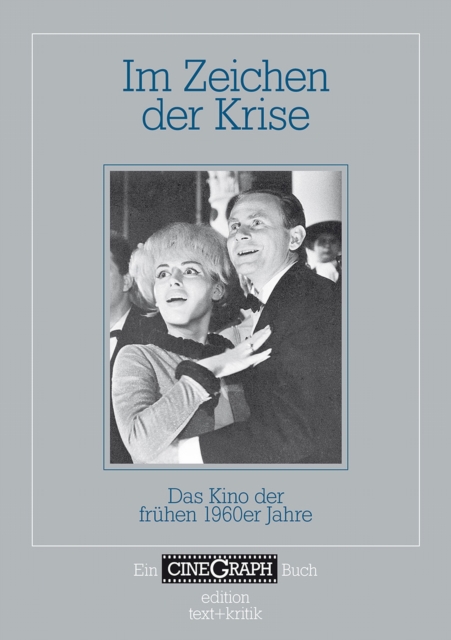
Anfang der 1960er Jahre befand sich das Kino in der Bundesrepublik wie in der DDR in der Krise, die Filmproduktion beiderseits der Grenze folgte überwiegend einem mutlosen Schematismus.
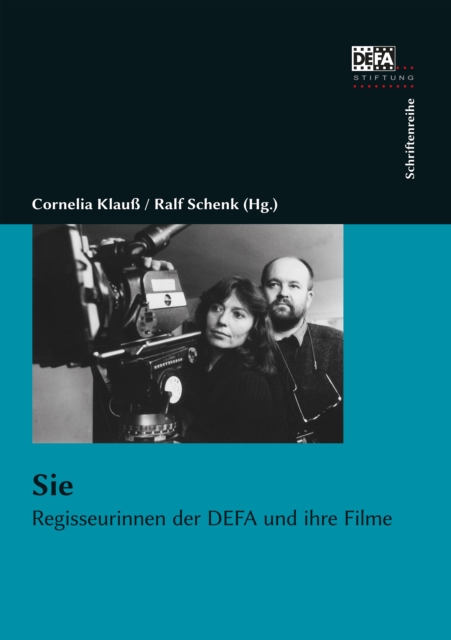
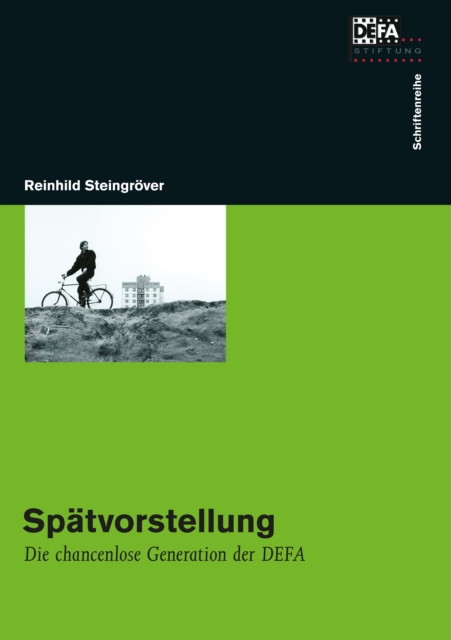
Im DEFA-Studio für Spielfilme entstanden zahlreiche Gegenwartsfilme mit dem Anspruch, aktuelle Ereignisse und gesellschaftliche Entwicklungen als verdichtete Zeitzeugnisse zu inszenieren.
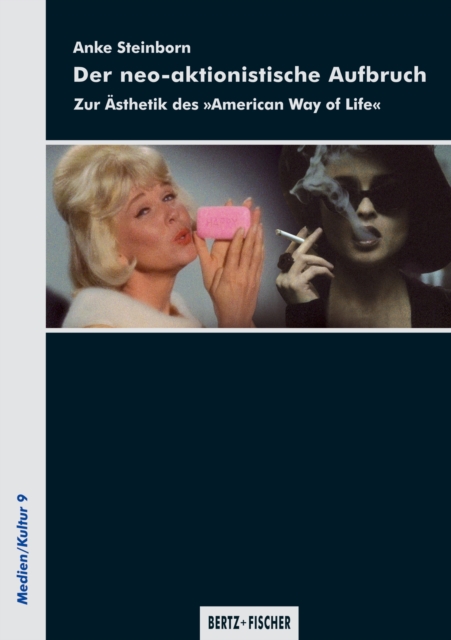
Die drei unveräußerlichen Grundrechte der amerikanischen Unabhängigkeitserklärung - das Recht auf Leben und Freiheit, das Streben nach Glück - bilden das Fundament des American Way of Life - ein Fundament, das im Zeitalter des Konsums seine Entsprechung in der Familie, dem Automobil und dem Vorstadtheim findet.
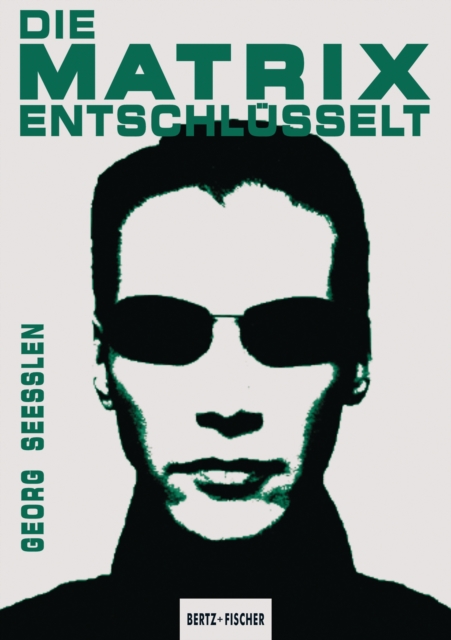
Die MATRIX-Trilogie ist mehr als nur ein geniales Spielzeug, das von der Leinwand hinweg sich auf die Bücher, die Comics, das Science-Fiction-Genre und die Werbung auswirkt.
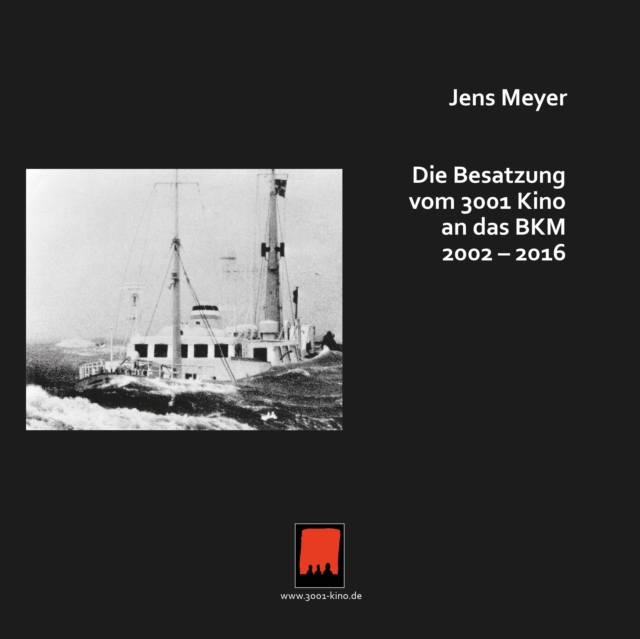
Die Besatzung des ,3001´ geht nicht unter, wie es das Titelfoto suggeriert, auch wenn die großen und kleinen Katastrophen des Kinoalltags regelmäßig für Grundberührung sorg(t)en.
Die Geschichte des nordkoreanischen Films ist eng mit der politischen und ideologischen Entwicklung des Landes verknüpft, für dessen Konstituierung die wiederholte Narration des historischen Erbes eine wichtige Rolle spielt.
Die Femme fatale des Rock'n'RollSie war die dunkle Muse der Rolling Stones, ein schillernder Star am Set von Kultfilmen wie Mord und Totschlag (1967), Barbarella (1968) oder Performance (1970) und Inspiration für Andy Warhol in seiner legendären Factory.
Gehören Sie auch zu den Menschen die gerne Krimis, Thriller oder Horrorfilme sehen und den Bösewicht, den Gegenspieler der Helden als die interessanteste Figur erleben?
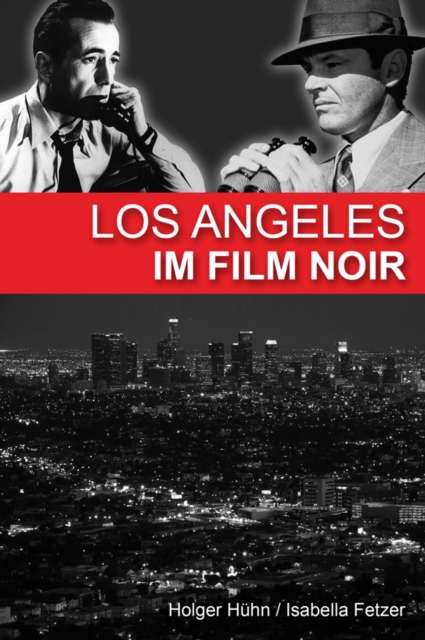
Smarte Privatdetektive und harte Polizisten, dubiose Gangster und geheimnisvolle Frauen: Das eBook "Los Angeles im Film noir" stellt die 16 düstersten Kriminalfilme aus der "Stadt der Engel" und ihre schaurig-schönen Schauplätze vor.
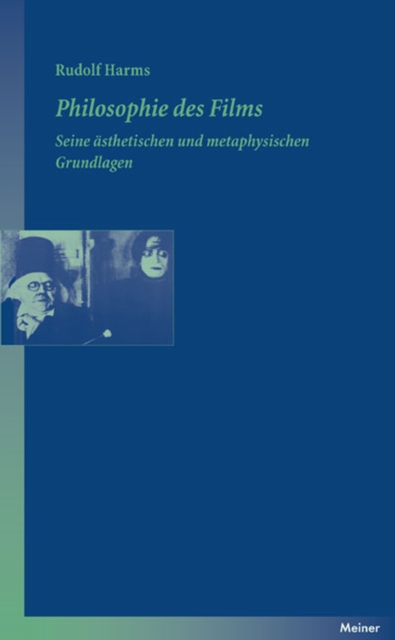
Rudolf Harms entwickelt seine reich differenzierte Ästhetik des Films in Anlehnung an die Ästhetik seines Lehrers Johannes Volkelt und sucht deren auf Kant zurückgehende Polarität des Schönen und Erhabenen für das Verständnis des neuen Mediums fruchtbar zu machen.
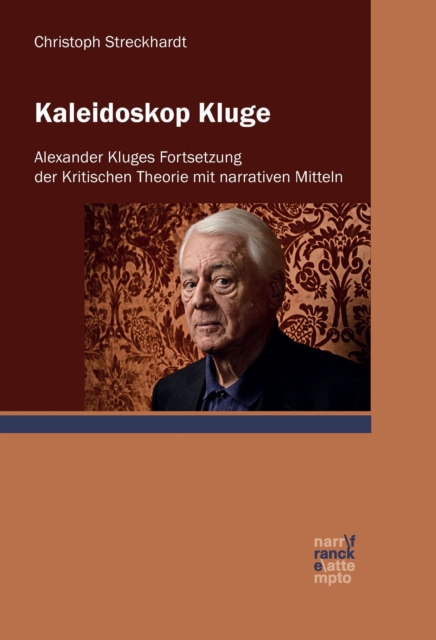
Alexander Kluge, so die These dieser außergewöhnlichen Studie, befreit die Kritische Theorie aus ihrer diskursiven Verschanzung der letzten Jahrzehnte und verknüpft sie auf ästhetische wie bildungsphilosophische Weise wieder mit Gesellschaft.
Alexander Kluge, so die These dieser außergewöhnlichen Studie, befreit die Kritische Theorie aus ihrer diskursiven Verschanzung der letzten Jahrzehnte und verknüpft sie auf ästhetische wie bildungsphilosophische Weise wieder mit Gesellschaft.
Film- und Fernsehproduktionen wie »Der Baader Meinhof Komplex«, »Contergan« oder auch Stefan Raab's »TV total« rückten in den letzten Jahren nicht nur aufgrund ihrer filmischen Inhalte in den Fokus der öffentlichen Diskussion, sondern auch anlässlich rechtlicher AuseinanderSetzungen: Immer häufiger fühlen sich Personen von dokumentarischen oder halbdokumentarischen Produktionen in ihren Persönlichkeitsrechten verletzt und ziehen vor Gericht.
Das Genre ist die narrative DNS jeder Story und seine Wahl somit die wichtigste dramaturgische Grundsatzentscheidung, die Drehbuchautor*innen und Schriftsteller*innen treffen müssen.
Werbe-, Produkt-, Image-, Schulungs-, Messe- oder Eventfilme – der Corporate Film boomt und die visuelle Präsenz von Unternehmen und Organisationen gewinnt weiter an Bedeutung.
Das neue Zeitalter der Streamingwelt bedeutet nicht nur einen Umbruch der Sehgewohnheiten des Publikums, die Entwicklung der Geschichten hat sich ebenfalls radikal verändert.
Die szenische Auflösung eines Filmes ist ein kreativer Vorgang, der dem eigenen Geschmack und dem individuellen Stil der Kamerafrau/des Kameramannes bzw.
Die heutige "Bewegtbildproduktion" zehrt vom Erbe des Films, lebt von der Kraft des Legendären, Dynamischen, Weltentrückten, des "Bigger than Live" und übt so eine nahezu magische Anziehungskraft aus.