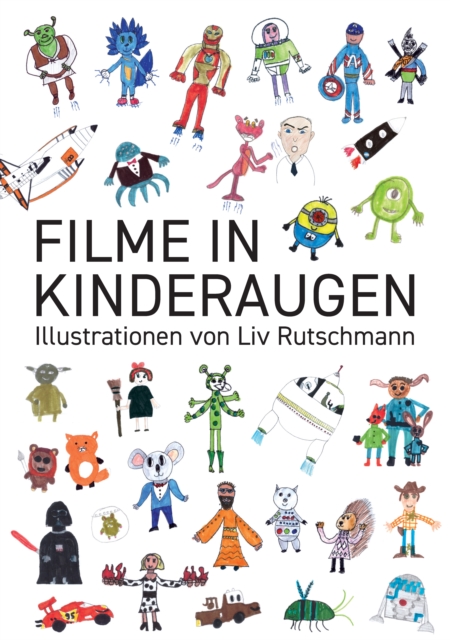
Seit ihrem siebten Lebensjahr malt Liv mit viel Fantasie aber auch hohem Wiedererkennungswert die Heldinnen und Helden der Filme, die sie gemeinsam mit ihrer Familie sieht.
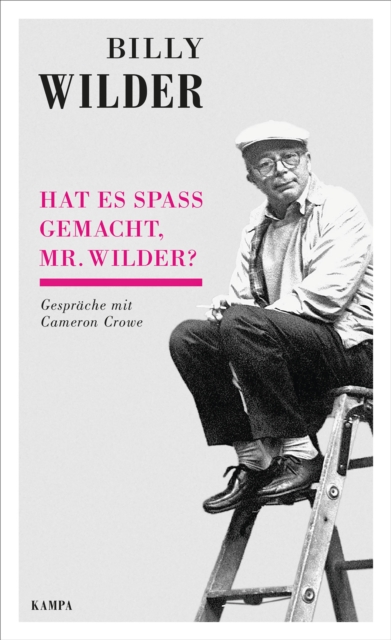
Nach den drei wichtigsten Regeln des Filmemachens gefragt, antwortete Billy Wilder bekanntlich: »Du sollst nicht langweilen, du sollst nicht langweilen, du sollst nicht langweilen.
Die neue filmgeschichtliche Reihe, die in ausführlichen Essays über einzelne Epochen sowie in einlässlich interpretierenden Artikeln zu deren 50 wichtigsten Filmen jeweils die Blütezeiten großer nationaler Filmproduktionen vorstellt, widmet sich mit diesem Band dem klassischen Hollywood – der Epoche von Tonfilm, Starsystem und Mega-Studios von den frühen Dreißigern bis zur künstlerischen Krise um 1960, der Epoche, die mit Gene Kelly tanzte, mit Vivien Leigh weinte, mit Henry Fonda litt, mit Humphrey Bogart den Überblick behielt und sich in Marilyn verliebte.
Das Leben des legendären Filmproduzenten Artur »Atze« Brauner und seiner Frau Maria: Eine Geschichte vom Überleben im Krieg, von einer großen Liebe und dem Traum, Hollywood nach Berlin zu holen.
Über die Darstellung von Krieg im Hollywood-FilmAmerikas traumatische Kriegsgeschichte wird am ehesten verständlich, wenn man sie durch die Linse von Filmen erfasst.
Contains Active Table of Contents (HTML)The first table of contents (at the very beginning of the ebook) lists the titles of all novels included in this volume.
Contains Active Table of Contents (HTML)The first table of contents (at the very beginning of the ebook) lists the titles of all novels included in this volume.
Contains Active Table of Contents (HTML)The first table of contents (at the very beginning of the ebook) lists the titles of all novels included in this volume.
Contains Active Table of Contents (HTML)The first table of contents (at the very beginning of the ebook) lists the titles of all novels included in this volume.
Wilde's only novel, first published in 1890, is a brilliantly designed puzzle, intended to tease conventional minds with its exploration of the myriad interrelationships between art, life and consequence.
Don Quijote de la Mancha, escrito por Miguel de Cervantes Saavedra, editado en 1605, es una de las obras más destacadas de la literatura española y la literatura universal, y una de las más traducidasLa novela consta de dos partes: la primera, El ingenioso hidalgo don Quijote de la Mancha, fue publicada en 1605; la segunda, El ingenioso caballero don Quijote de la Mancha, en 1615.
The brilliant screenplay of the Academy Awardnominated film The Trial of the Chicago 7 by Academy and Emmy Awardwinning screenwriter and director Aaron Sorkin.
NATIONAL BESTSELLER This ';wickedly pacey page-turner' (Total Film) unfurls the behind-the-scenes story of the making of The Godfather, fifty years after the classic film's original release.
David Winters has produced and directed over 80 feature films and over 200 television shows and TV movies, and is recognized as nothing short of an icon in the entertainment industry.
Fargo - that bloody tale of greed, kidnapping and murder set in the freezing tundra of Minnesota - was the Coen brothers' break-out film, scooping two Oscars and a towering snowdrift of critical and commercial acclaim.
An updated edition - with completely new chapters - of the most accessible and compelling history of the cinema yet published, and complements Mark Cousins' fascinating 15-hour film documentary The Story of Film: An Odyssey.
Although he never left his native Krakow except for relatively short periods, Stanislaw Wyspianski (1869-1907) achieved worldwide fame, both as a painter, and Poland's greatest dramatist of the first half of the twentieth century.