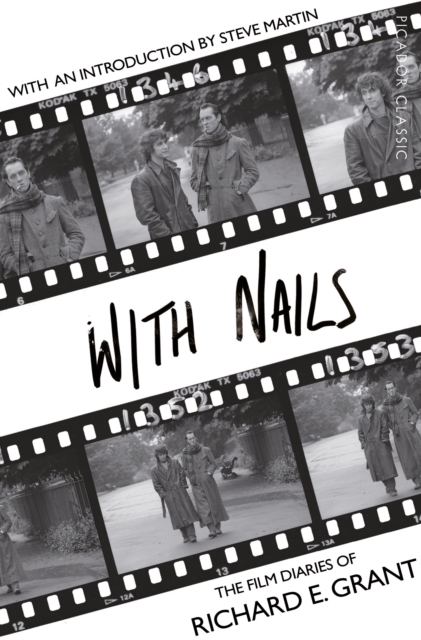
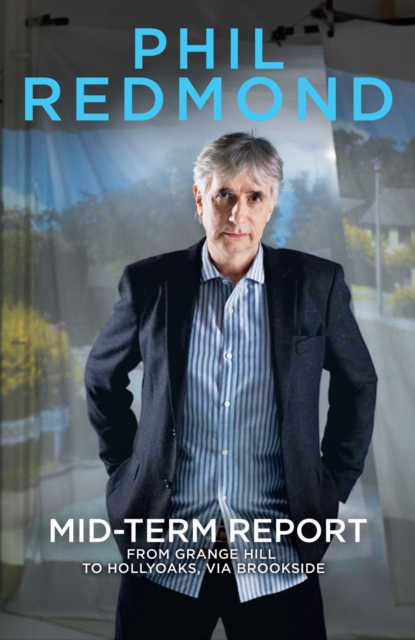
With an introduction by Steve MartinTwo pages into the script and an ache has developed in my gonads - I am both laughing out loud and agonized by the fact that the Withnail part is such a corker that not in a billion bank holidays will they ever seriously consider me.
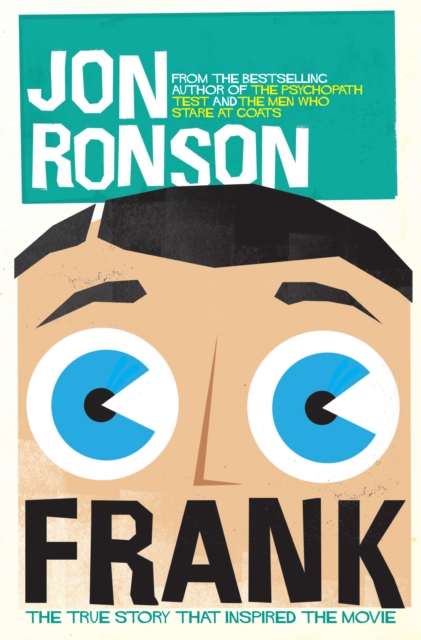
Jon Ronson's Frank: The True Story that Inspired the Movie is a memoir of funny, sad times and a tribute to outsider artists too wonderfully strange to ever make it in the mainstream.
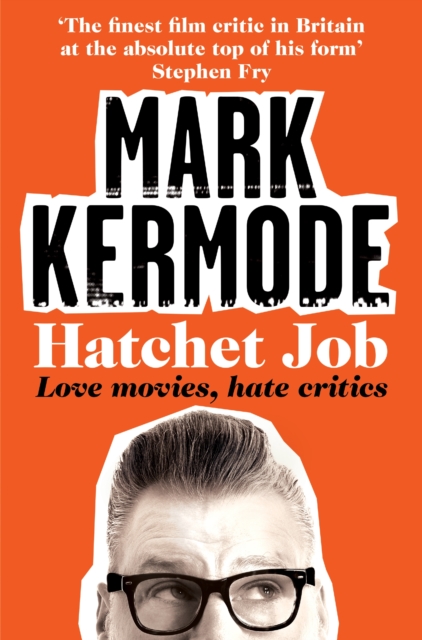
The finest film critic in Britain at the absolute top of his form' Stephen Fry'Entertainingly incendiary stuff' EmpireA hatchet job isn't just a bad review, it's a total trashing.
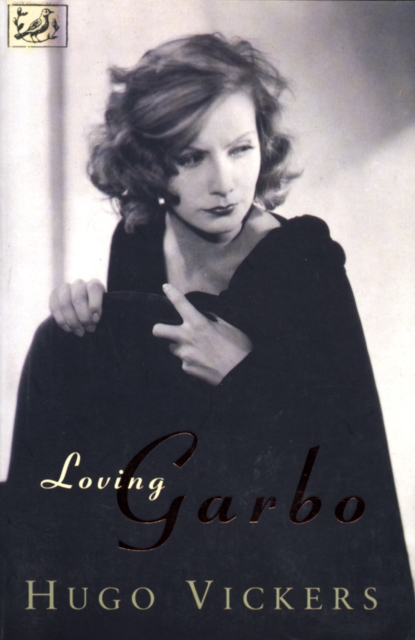
Greta Garbo's enduring legend derives from her incandescent performances as a woman in love in such classics as Camille, Queen Christina and Grand Hotel.
This biography draws on a series of unpublished interviews and offers a startling and intitmate portrait of one of the most glamourous icons of the 20th century.
A brilliant biography of the young Orson Welles, from his prodigious childhood and youth, his triumphs with the Mercury Theatre, to the making of Citizen Kane.
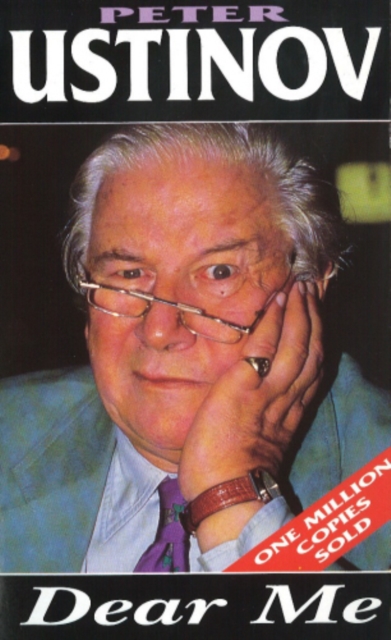
Very amusing Daily MirrorBeloved wit and raconteur, star of stage and screen, multitalented writer, director and humanitarian few stars of the twentieth century were as highly regarded as Sir Peter Ustinov.
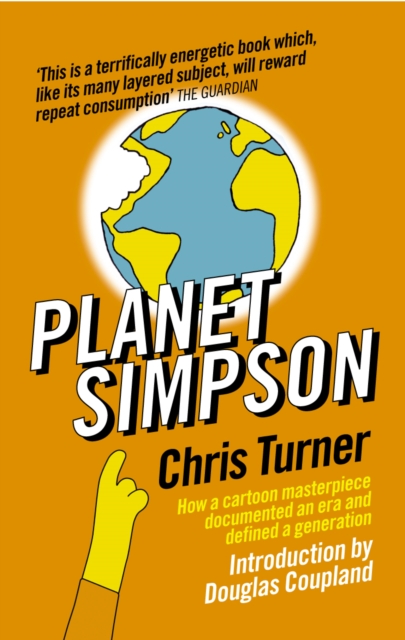
Astute, funny, literate, politically and culturally aware; in this analysis of The Simpsons, Chris Turner, a provocative new writer, dissects the world's favourite TV show - its genesis, past, characters and influence.
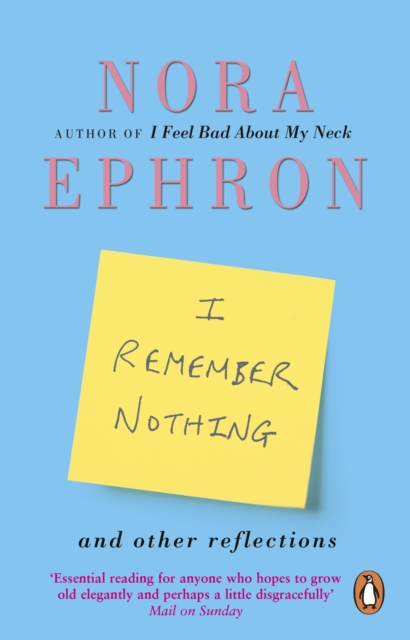
'Memories, aphorisms and stern good advice from America's favourite naughty aunt' Independent on Sunday'This book is as grown-up as a dirty martini' Sunday Times'Sharp as a knife' Daily Express___In her final book, Nora Ephron reflects on life, growing older, and everything she will and won't miss.
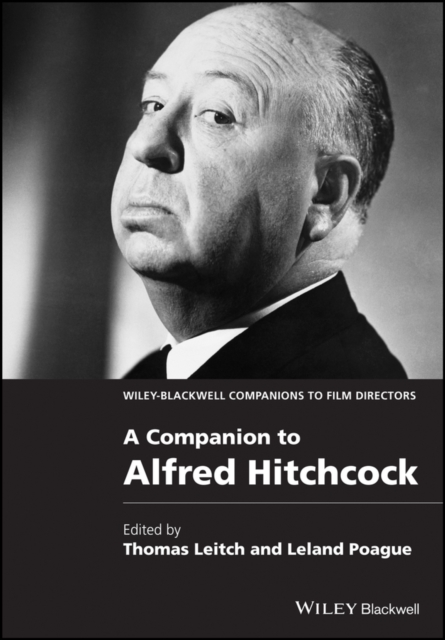
The most comprehensive volume ever published on Alfred Hitchcock, covering his career and legacy as well as the broader cultural and intellectual contexts of his work.
The most comprehensive volume ever published on Alfred Hitchcock, covering his career and legacy as well as the broader cultural and intellectual contexts of his work.
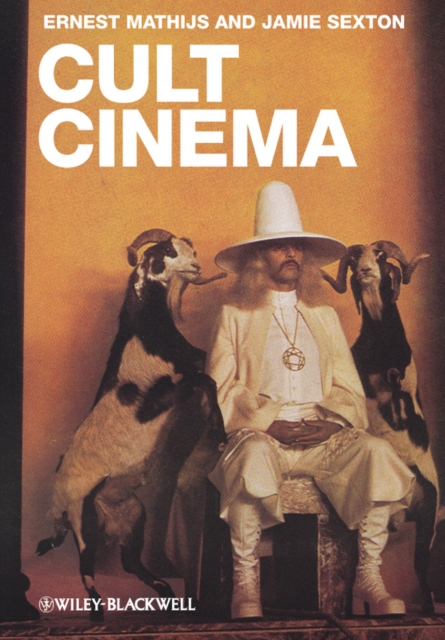
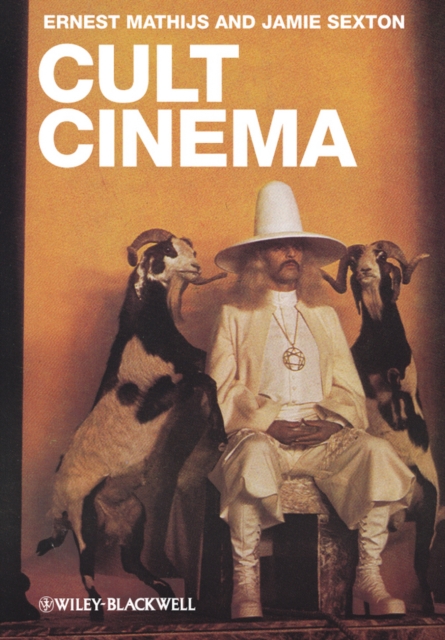
Cult Cinema: an Introduction presents the first in-depth academic examination of all aspects of the field of cult cinema, including audiences, genres, and theoretical perspectives.
By reconsidering assumptions about mainstream popular culture and its revolutionary possibilities, author Dana Heller reveals that John Waters' popular 1988 film Hairspray is the director's most subversive movie.
By reconsidering assumptions about mainstream popular culture and its revolutionary possibilities, author Dana Heller reveals that John Waters' popular 1988 film Hairspray is the director's most subversive movie.
There are certain films and shows that resonate with audiences everywhere they generate discussion and debate about everything from gender, class, citizenship and race, to consumerism and social identity.
There are certain films and shows that resonate with audiences everywhere they generate discussion and debate about everything from gender, class, citizenship and race, to consumerism and social identity.
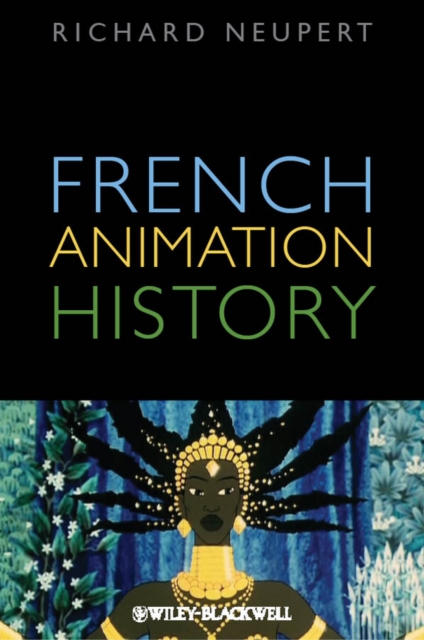
French Animation History is essential reading for anyone interested in the history of animation, illuminating the exceptional place France holds within that history.
French Animation History is essential reading for anyone interested in the history of animation, illuminating the exceptional place France holds within that history.
The most up-to-date study of the Hollywood romantic comedy film, from the development of sound to the twenty-first century, this book examines the history and conventions of the genre and surveys the controversies arising from the critical responses to these films.
The most up-to-date study of the Hollywood romantic comedy film, from the development of sound to the twenty-first century, this book examines the history and conventions of the genre and surveys the controversies arising from the critical responses to these films.
This book brings together the literature of urban sociology and film studies to explore new analytical and theoretical approaches to the relationship between cinema and the city, and to show how these impact on the realities of life in urban societies.
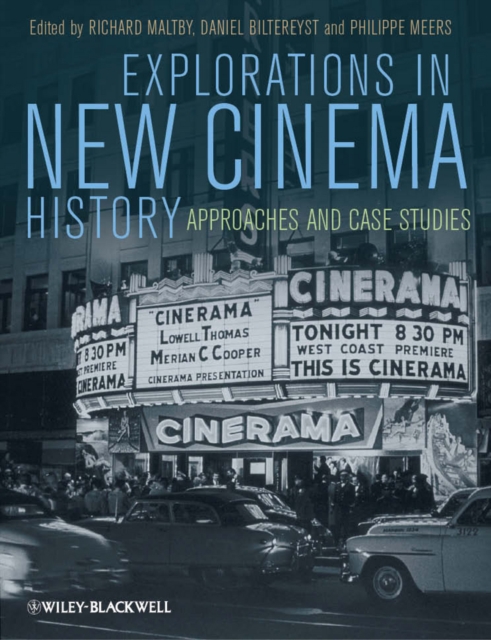
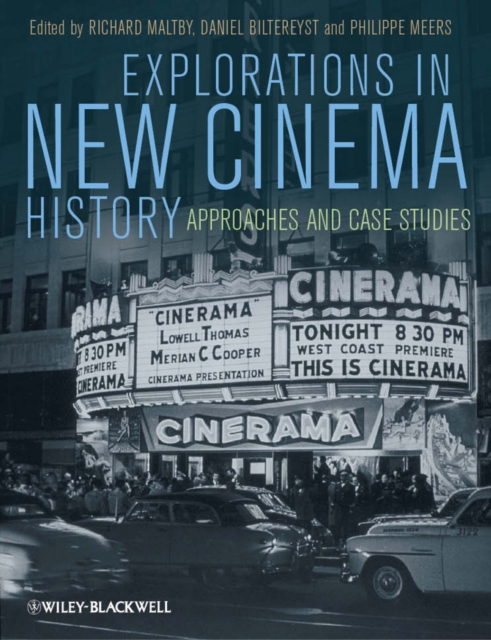
Explorations in New Cinema History brings together cutting-edge research by the leading scholars in the field to identify new approaches to writing and understanding the social and cultural history of cinema, focusing on cinema s audiences, the experience of cinema, and the cinema as a site of social and cultural exchange.
Explorations in New Cinema History brings together cutting-edge research by the leading scholars in the field to identify new approaches to writing and understanding the social and cultural history of cinema, focusing on cinema s audiences, the experience of cinema, and the cinema as a site of social and cultural exchange.
Cult Cinema: an Introduction presents the first in-depth academic examination of all aspects of the field of cult cinema, including audiences, genres, and theoretical perspectives.
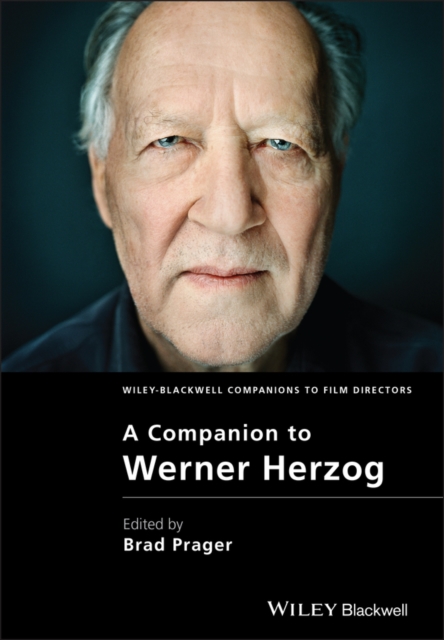
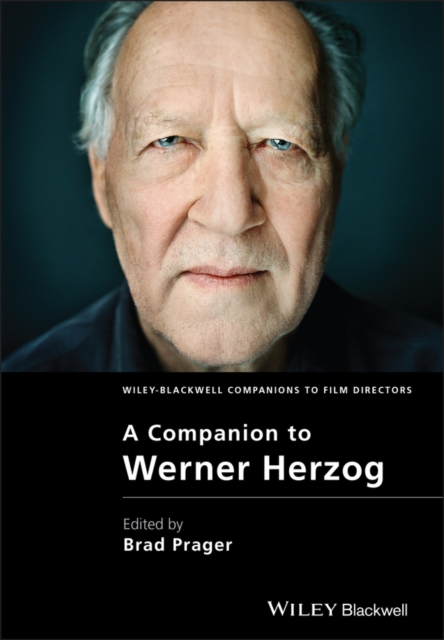
A Companion to Werner Herzog showcases over two dozen original scholarly essays examining nearly five decades of filmmaking by one of the most acclaimed and innovative figures in world cinema.
A Companion to Werner Herzog showcases over two dozen original scholarly essays examining nearly five decades of filmmaking by one of the most acclaimed and innovative figures in world cinema.
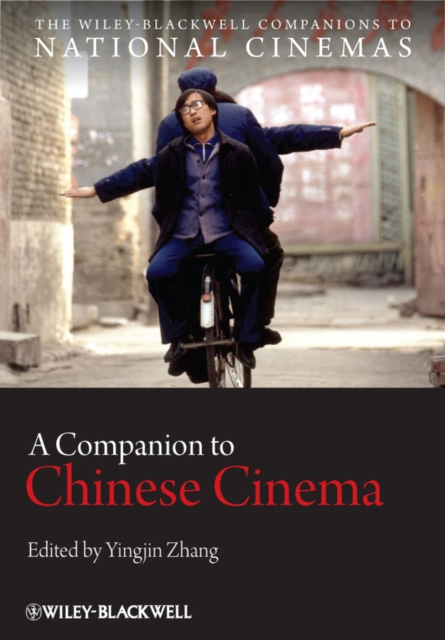
This outstanding anthology offers an encyclopedic coverage of Chinese cinema from multiple angles, and will be the standard reference in Chinese cinema studies in the years to come.
This outstanding anthology offers an encyclopedic coverage of Chinese cinema from multiple angles, and will be the standard reference in Chinese cinema studies in the years to come.
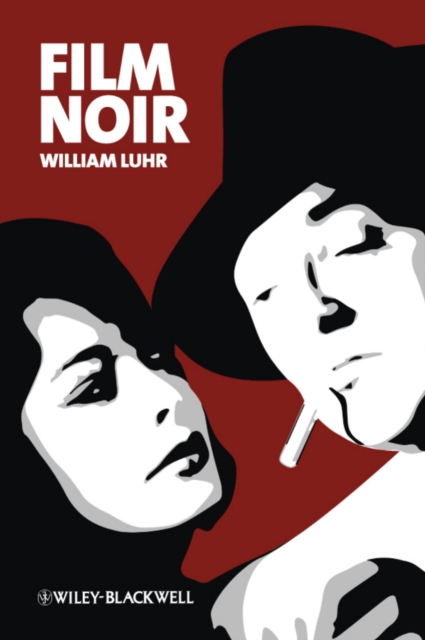
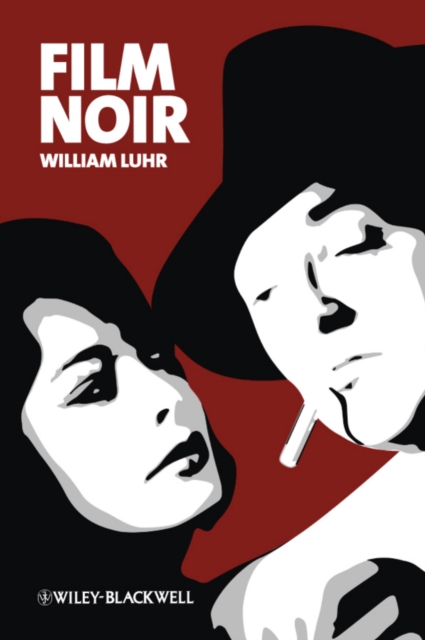
Film Noir offers new perspectives on this highly popular and influential film genre, providing a useful overview of its historical evolution and the many critical debates over its stylistic elements.
Film Noir offers new perspectives on this highly popular and influential film genre, providing a useful overview of its historical evolution and the many critical debates over its stylistic elements.
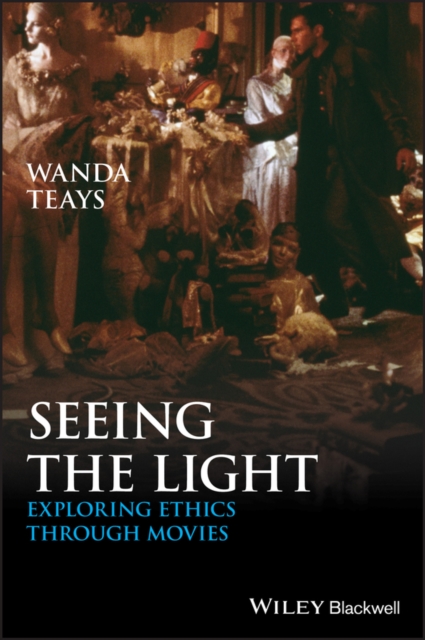
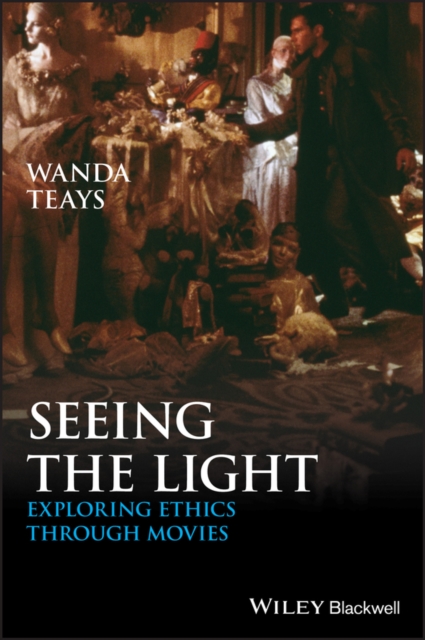
Seeing the Light: Exploring Ethics Through Movies is an engaging and innovative approach to the study of philosophy and the development of moral reasoning skills.
Seeing the Light: Exploring Ethics Through Movies is an engaging and innovative approach to the study of philosophy and the development of moral reasoning skills.
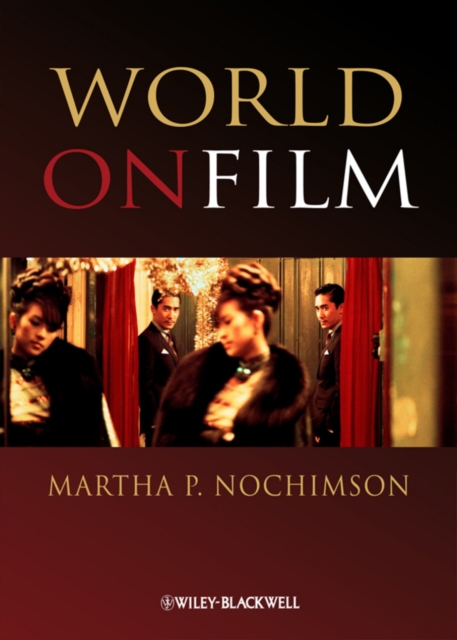
This uniquely engaging and lively textbook provides a comprehensive introduction to international film, from the golden age of European cinema to the contemporary blockbusters of India and Asia, and the post World War II emergence of global film culture.
Cinema Wars explores the intersection of film, politics, and US culture and society through a bold critical analysis of the films, TV shows, and documentaries produced in the early 2000s Offers a thought-provoking depiction of Hollywood film as a contested terrain between conservative and liberal forces Films and documentaries discussed include: Black Hawk Down, The Dark Knight, Star Wars, Syriana, WALL-E, Fahrenheit 9/11 and other Michael Moore documentaries, amongst others Explores how some films in this era supported the Bush-Cheney regime, while others criticized the administration, openly or otherwise Investigates Hollywood s treatment of a range of hot topics, from terrorism and environmental crisis to the Iraq war and the culture wars of the 2000s Shows how Hollywood film in the 2000s brought to life a vibrant array of social protest and helped create cultural conditions to elect Barack Obama