After a freak accident aboard a test flight bombards them with radiation, permanently altering their genetic structures, four adventurers use their incredible powers for the good of mankind and to protect the world from the forces of evildespite their very real problems, worries and arguments.
When Quark holds a poker tournament on Deep Space NineTM someone from almost every sentient race -- Klingons, Cardassians, Romulans, Vulcans, Ferengi -- shows up for what is sure to be the highest-stakes game of all time.
All too often, highly fictionalized cinematic depictions of the past are accepted as the unassailable truth by those unfamiliar with the "e;real"e; account.
Robert Zemeckis has risen to the forefront of American filmmaking with a string of successes: Romancing the Stone, Back to the Future I, II, & III, Who Framed Roger Rabbit?
Based on more than a half dozen interviews with the director himself, this unauthorized biography recounts Spielberg's childhood, education, career, philanthropic and charitable endeavors, and his extremely private personal life.
Five keys to creating authentic, distinctive work, whether you are a student, professional or simply love making films on your ownFor Creative Filmmaking from the Inside Out, three professors at the renowned University of Southern California School of Cinema-Television interviewed fifteen outstanding filmmakers, then distilled their insights into the "e;Five I's"e; of creativity.
Of all the diverse races and civilizations encountered by Starfleet, none have been as fearsome and unstoppable as the cybernetic life-form known as the Borg.
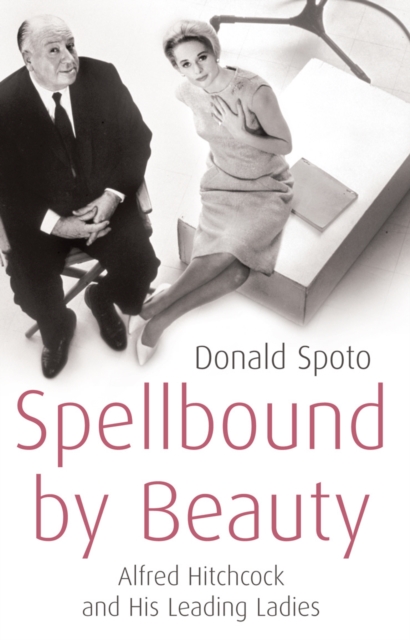
The inspiration behind BBC2's The Girl starring Toby Jones and Sienna Miller, Spellbound by Beauty examines Hitchcock's relationship with his leading ladies including Tippi Hendren and Grace Kelly.
The Vintage Collected Edition of Angela Carter's works continues with THE CURIOUS ROOM, which contains her dramatic writings, including several previously unpublished plays and screenplays.
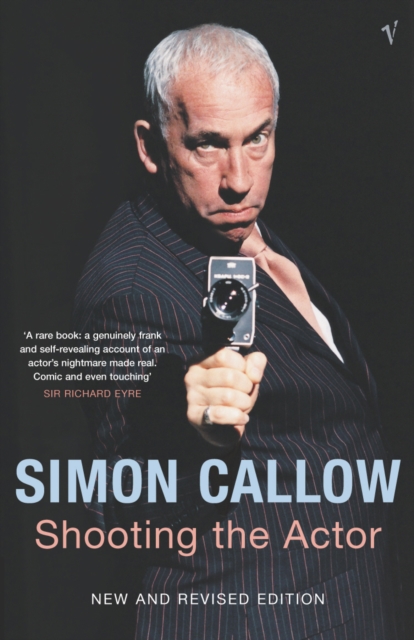
A companion volume to Being an Actor, Callow's classic text about the experience of acting in the theatre, Shooting the Actor reveals the truth about film acting.
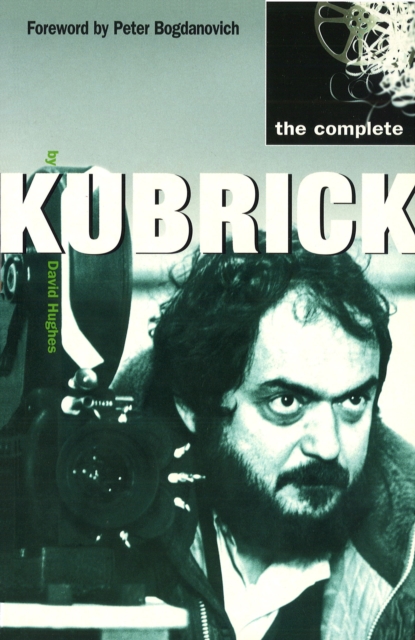
With just thirteen feature films in half a century, Stanley Kubrick established himself as one of the most accomplished directors in motion picture history.
'Genius' The New York TimesIn 1973, Norman Mailer published Marilyn, his celebrated in-depth account of the life of Marilyn Monroe, as a glossy, fully illustrated coffee-table tome.
From the team who brought you The Empire Film Guide, here are all the obscure, indecent and downright bizarre movie facts and figures that were not considered sensible for a practical film guide.
Eric Sykes is one of Britain's creative comedy geniuses combining personal warmth, superbly observed written and performed comedy and a deeply intimate understanding of what a viewing audience wants.
In this revised and updated biography, Maureen Paton encompasses the private, professional and political life of this most enigmatic, charismatic and intensely private of actors.
From the Slick horror of Alien, Scream and The Ring and the cult classics Dracula, Frankenstein and The Mummy to the slasher icons Jason, Freddy and Leatherface, horror just won t stay dead.
THE SUNDAY TIMES BESTSELLERIn A Lotus Grows in the Mud, Goldie Hawn takes us on an inspiring odyssey and, with her trademark effervescent humour, reveals the lessons she's learned and the wisdom she's gained along the way.
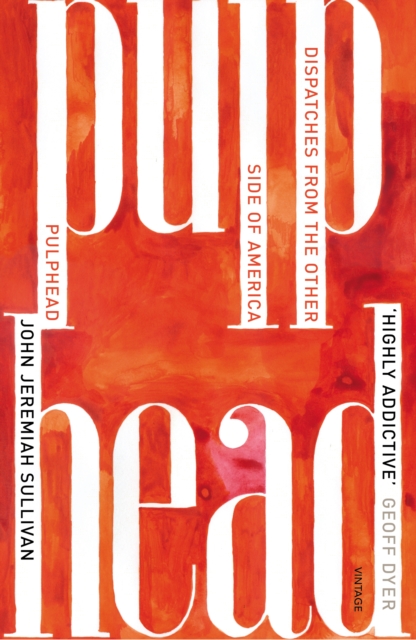
John Jeremiah Sullivan takes us on a funhouse hall-of-mirrors ride through the other side of America - to the Ozarks for a Christian rock festival; to Florida to meet the straggling refugees of MTV's Real World; to Indiana to investigate the formative years of Michael Jackson and Axl Rose and then to the Gulf Coast in the wake of Katrina - and back again as its residents confront the BP oil spill.