Addressing fans' digital practices, this book places fans' play at the centre of a networked mainstream culture that seems to increasingly cater to, amalgamate with and adapt to fans' mediatized play.
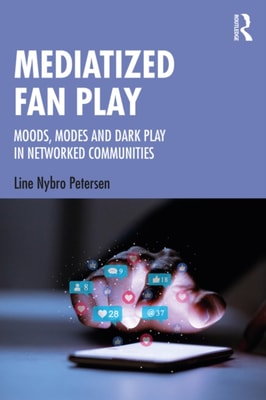
Addressing fans' digital practices, this book places fans' play at the centre of a networked mainstream culture that seems to increasingly cater to, amalgamate with and adapt to fans' mediatized play.
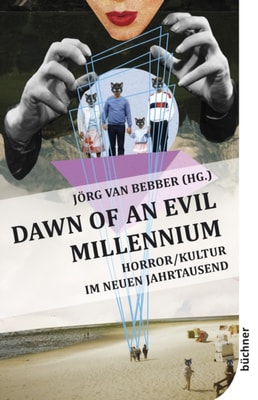
Amokläufe, Terroranschläge, Vergeltungskriege, Umweltkatastrophen und globale Seuchen: Seit Beginn des neuen Jahrtausends scheint ein Schreckensszenario das nächste zu jagen.
Digitalkameras und einfache Schnittsoftware ermöglichen es, dass mittlerweile potentiell jeder Fernsehjournalist Beiträge als Videojournalist (VJ) selbst drehen und schneiden kann.
In der Kinematografie gibt es neben unscharfen Bildern auch Bilder der Unschärfe, die ein Wissen über die Techniken, Kontexte und Geschichte(n) des Kinos und der Unschärfe mitführen.
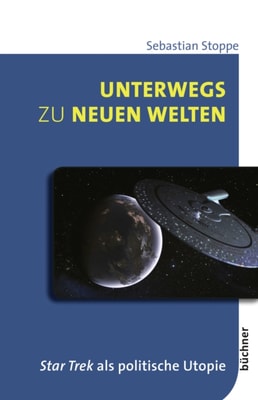
In den fast fünf Jahrzehnten, die seit der Ausstrahlung der Originalserie vergangen sind, hat sich Star Trek zu einem der bekanntesten popkulturellen Phänomene überhaupt entwickelt.
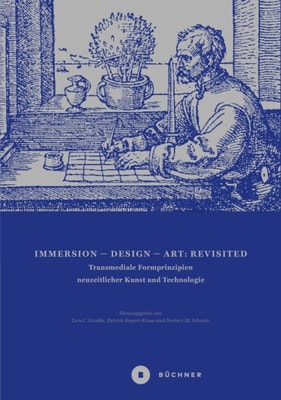
Eintauchen in eine künstliche Welt, den Unterschied zwischen Artefakt und Realität nicht mehr erkennen, ein Versprechen, das in Kunst und Design zwischen antiken Maleranekdoten und den digitalen Spielen unserer Tage nichts von seinem Faszinosum eingebüßt hat.
In order to understand "e;vision"e;, we have to look into concepts of blindness, both diegetically in typical film characters and in the representation of sight or lack thereof.
Claudia Böttcher rekonstruiert Deutungsmuster des Widerstandes gegen den Nationalsozialismus in historischen Dokumentationen des DDR-Fernsehens von 1952 bis 1989.
Vielfach dient die Arbeit an Kurzspielfilmen als Einstieg in die Filmbranche, da sich in Zusammenhang mit ihrer Konzeption und Umsetzung das Handwerk des Filmemachens erlernen lässt.
In order to understand "e;vision"e;, we have to look into concepts of blindness, both diegetically in typical film characters and in the representation of sight or lack thereof.
This is a critical history of spy fiction, film and television in the United States, with a particular focus on the American fictional spies that rivaled (and were often influenced by) Ian Fleming's James Bond.
Studio Ghibli: An Industrial History takes us deep into the production world of the animation studio co-founded by Oscar-winning director Hayao Miyazaki.
"La comunidad en montaje de Luis Ignacio García es un libro fundamental que se atreve al cruce entre la filosofía, los estudios de memoria y los estudios visuales.
A causa de la insatisfacción que generaban los omdos de análisis dominantes hacia 1990, surge el denominado "giro afectivo", a partir del cual la filosofía y la teoría social comenzaron a articular aproximaciones al ámbito de los afectos y las emociones con los que se configura la experiencia contemporánea.
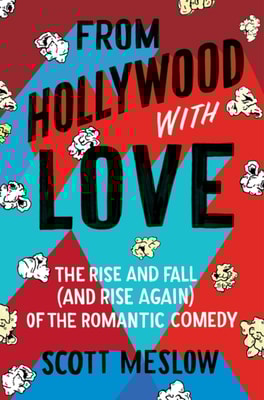
An in-depth celebration of the romantic comedys modern golden era and its role in our culture, tracking the genre from its heyday in the 80s and the 90s, its unfortunate decline in the 2000s, and its explosive reemergence in the age of streaming, featuring exclusive interviews with the directors, writers, and stars of the iconic films that defined the genre.
The World Today (1974) examines the world of the late twentieth century and its roots - the disintegration of the old world is analysed in the expansion and subsequent decline of nineteenth-century imperialism, and the attempts by the League of Nations and United Nations to bring about a new order on international cooperation.
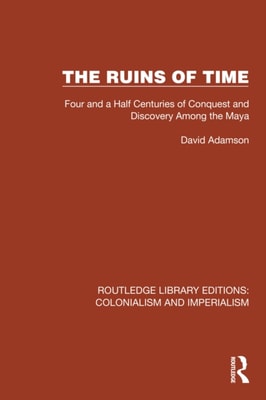
The Ruins of Time (1975) examines the conquest of the Maya by the Spanish, the discoveries and adventures of the first travellers among them, the dramatic journeys of Victorian archaeologists and explorers and also contemporary attempts to unravel Maya hieroglyphs.
The Turning Point in Africa (1982) is a significant study of British colonial policy towards tropical Africa during a critical decade, from the complacent trusteeship of the inter-war years to the strategy of decolonization inaugurated after the Second World War.
The Ruins of Time (1975) examines the conquest of the Maya by the Spanish, the discoveries and adventures of the first travellers among them, the dramatic journeys of Victorian archaeologists and explorers and also contemporary attempts to unravel Maya hieroglyphs.
More than ever education students are required to study the social context of youth culture in order to understand and design meaningful, motivational curiculum.