My Second Latino Monologue Book is the second title in a groundbreaking new collection designed to support K-3 students in beginning acting classes whose first language, or language most frequently spoken at home, is Spanish.
My First Latino Scene Book builds on acting skills kids have developed in the first three monologue books in this ground-breaking new collection for K-3 students.
This book explores the historical and cultural significance of comics in languages other than English, examining the geographic and linguistic spheres which these comics inhabit and their contributions to comic studies and academia.
This book outlines how African language media is affected by politics, technology, culture, and the economy and how this media is creatively produced and appropriated by audiences across cultures and contexts.
Written by a scholar of satire and politics, Trump Was a Joke explains why satire is an exceptional foil for absurd political times and why it did a particularly good job of making sense of Trump.
Written by a scholar of satire and politics, Trump Was a Joke explains why satire is an exceptional foil for absurd political times and why it did a particularly good job of making sense of Trump.
This book outlines how African language media is affected by politics, technology, culture, and the economy and how this media is creatively produced and appropriated by audiences across cultures and contexts.
Had you tuned in to the small television station KTMA on Thanksgiving Day, 1988, you would have been one of the few witnesses to pop culture history being made.
Jedes Jahr werden mehr Dokumentarfilme produziert, im Fernsehen steigt der Anteil non-fiktionaler Programme und Dokumentarfilmfestivals erfreuen sich wachsender Beliebtheit.
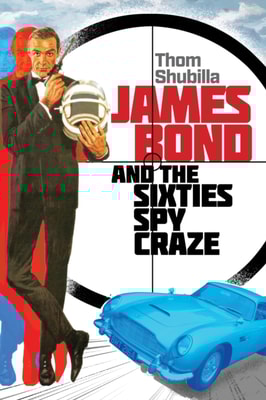
James Bond the the 60s Spy Craze will explore James Bond films and the number of movies and television shows of the 1960s inspired by Ian Fleming's character.
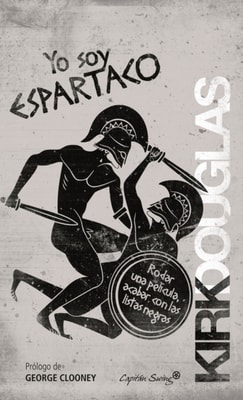
Más de cincuenta años después de la filmación de su epopeya Spartacus, Kirk Douglas revela el fascinante drama que tuvo lugar durante la realización de la legendaria película del gladiador.
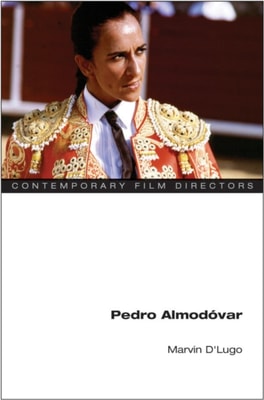
Perhaps the best-known Spanish filmmaker to international audiences, Pedro Almodovar gained the widespread attention of English-speaking critics and fans with the Oscar-nominated Women on the Verge of a Nervous Breakdown and the celebrated dark comedy Tie Me Up!
This innovative collection of essays is focused on the idea of transmedialization: the ways that the traditional forms of the predominantly oral cultures of Scotland and Brittany (poetry, song and story) can be transformed by the use of hybrid forms and new digital technologies.
Imagen por imagen, originalmente publicado en 1987, recoge ensayos sobre la naturaleza del cine y estudios y críticas sobre más de doscientas películas, publicados por Desiderio Blanco en las revistas Hablemos de Cine y Oiga, entre 1965 y 1977.
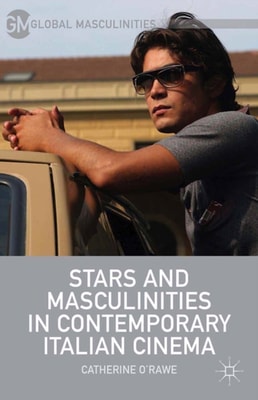
Stars and Masculinities in Contemporary Italian Cinema is the first book to explore contemporary male stars and cinematic constructions of masculinity in Italy.
The Lola film is a distinct subgenre of the woman's film in which woman's claim to pleasure is entertained without recourse to the figure of the femme fatale.
This collection convenes diverse analyses of David Lynch's newly conceived, dreamlike neo-noir representations of the American West, a first in studies of regionalism and indigeneity in his films.