An exposé of Hitler’s relationship with film and his influence on the film industry A presence in Third Reich cinema, Adolf Hitler also personally financed, ordered, and censored films and newsreels and engaged in complex relationships with their stars and directors.
A fascinating look at one of the most experimental, volatile, and influential decades, Film, Fashion, and the 1960s, examines the numerous ways in which film and fashion intersected and affected identity expression during the era.
The changing face of feminist discourse as reflected by the career of one of its preeminent scholars Figures of Resistance brings together the unpublished lectures and little-seen essays of internationally renowned theorist Teresa de Lauretis, spanning over twenty years of her finest work.
A compelling account of Christianity’s Jewish beginnings, from one of the world’s leading scholars of ancient religion How did a group of charismatic, apocalyptic Jewish missionaries, working to prepare their world for the impending realization of God’s promises to Israel, end up inaugurating a movement that would grow into the gentile church?
Although revered as one of the world's great filmmakers, the Indian director Satyajit Ray is described either in narrowly nationalistic terms or as an artist whose critique of modernity is largely derived from European ideas.
One of the "e;Big Five"e; studios of Hollywood's golden age, RKO is remembered today primarily for the famous films it produced, from King Kong and Citizen Kane to the Astaire-Rogers musicals.
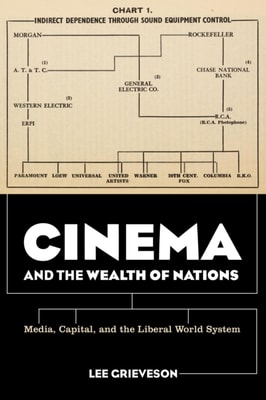
Cinema and the Wealth of Nations explores how media, principally in the form of cinema, was used during the interwar years by elite institutions to establish and sustain forms of liberal political economy beneficial to their interests.
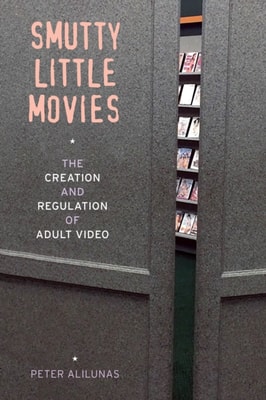
Since the mid-1980s, US audiences have watched the majority of movies they see on a video platform, be it VHS, DVD, Blu-ray, Video On Demand, or streaming media.
At the turn of the past century, the main function of a newspaper was to offer ';menus' by which readers could make sense of modern life and imagine how to order their daily lives.
Well before Evel Knievel or Hollywood stuntmen, reality television or the X Games, North America had a long tradition of stunt performance, of men (and some women) who sought media attention and popular fame with public feats of daring.
Sunset Boulevard (1950) is one of the most famous films in the history of Hollywood, and perhaps no film better represents Hollywood's vision of itself.
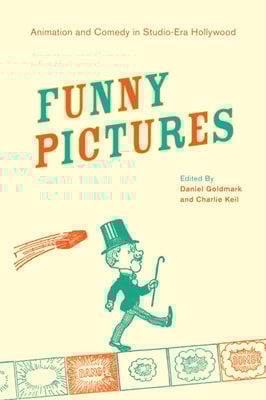
This collection of essays explores the link between comedy and animation in studio-era cartoons, from filmdom's earliest days through the twentieth century.
Stealing the Show is a study of African American actors in Hollywood during the 1930s, a decade that saw the consolidation of stardom as a potent cultural and industrial force.
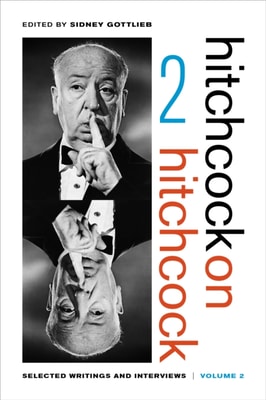
This second volume of Alfred Hitchcock's reflections on his life and work and the art of cinema contains material long out of print, not easily accessible, and in some cases forgotten or unknown.
This is the first book of its kind to examine the development of the confessional subject in video art and demonstrate how it can provide a vital platform for navigating the politics of self, subjectivity, and resistance in society.
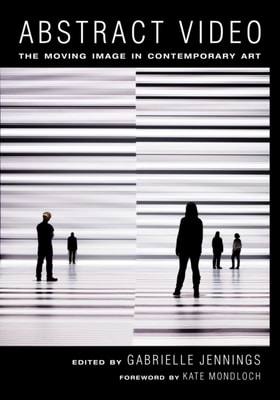
Offering historical and theoretical positions from a variety of art historians, artists, curators, and writers, this groundbreaking collection is the first substantive sourcebook on abstraction in moving-image media.
After World War II, as cultural and industry changes were reshaping Hollywood, movie studios shifted some production activities overseas, capitalizing on frozen foreign earnings, cheap labor, and appealing locations.
This book charts a comparative history of Latin America's national cinemas through ten chapters that cover every major cinematic period in the region: silent cinema, studio cinema, neorealism and art cinema, the New Latin American Cinema, and contemporary cinema.
With a new introduction, acclaimed director and screenwriter Paul Schrader revisits and updates his contemplation of slow cinema over the past fifty years.
Cari Beauchamp masterfully combines biography with social and cultural history to examine the lives of Frances Marion and her many female colleagues who shaped filmmaking from 1912 through the 1940s.
Celluloid Symphonies is a unique sourcebook of writings on music for film, bringing together fifty-three critical documents, many previously inaccessible.
This book offers a comparative exploration of how journalists across different newsrooms around the world access and interpret statistics when producing stories related to crime.