Visions of the Apocalypse examines the cinema's fascination with the prospect of nuclear and/or natural annihilation, as seen in such films as Saving Private Ryan, Bowling for Columbine, We Were Soldiers, Invasion U.
Informed by a provocative exhibition at the Louvre curated by the author, The Severed Head unpacks artistic representations of severed heads from the Paleolithic period to the present.
In eleven feature films across two decades, Christian Petzold has established himself as the most critically celebrated director in contemporary Germany.
This survey of Sally Potter's work explores her cinematic development from the feminist reworking of La Boheme in Thriller to the provocative contemplation of romantic relationships after 9/11 in Yes.
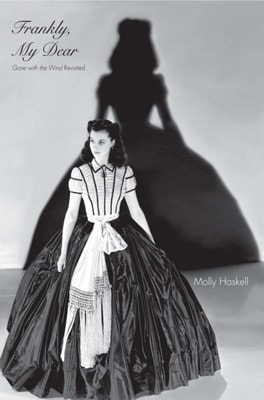
An exploration of the book, the movie, and the author of one of the most captivating stories ever told How and why has the saga of Scarlett O’Hara kept such a tenacious hold on our national imagination for almost three-quarters of a century?
Noël Carroll, a brilliant and provocative philosopher of film, has gathered in this book eighteen of his most recent essays on cinema and television—what Carroll calls “moving images.
Both a precursor to and a critical member of the French New Wave, Agnes Varda weaves documentary and fiction into tapestries that portray distinctive places and complex human beings.
An astute literary and cultural history of World War I in France that offers a fresh perspective on the popular culture of the Great War The First World War soldier has often been depicted as a helpless victim sacrificed by a ruthless society in the trenches of the Western Front.
In this pathbreaking book one of America’s most distinguished philosophers brilliantly explores the status and authority of law and the nature of political allegiance through close readings of three classic Hollywood Westerns: Howard Hawks’ Red River and John Ford’s The Man Who Shot Liberty Valance and The Searchers.
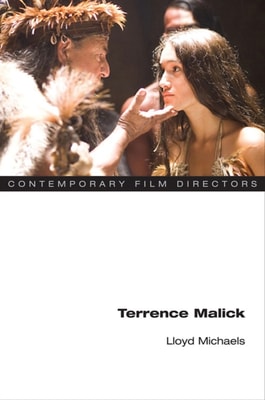
For a director who has made a limited number of feature films over four-plus decades, Terrence Malick sustains an extraordinary reputation as one of America's most original and independent directors.
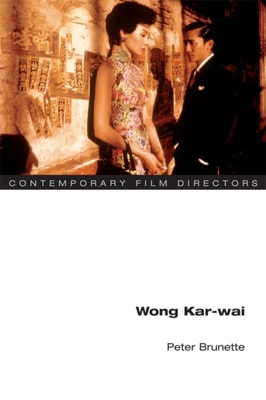
Called the leading heir to the great directors of post-WWII Europe and lavished with awards, Wong Kar-wai has redefined perceptions of Hong Kong's film industry.
Celebrated as Pixar's "e;Chief Creative Officer,"e; John Lasseter is a revolutionary figure in animation history and one of today's most important filmmakers.
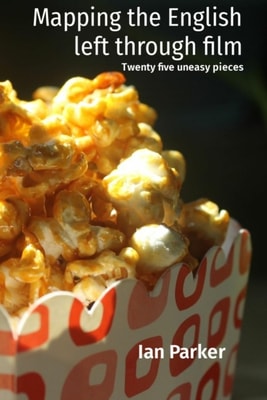
Ian Parker's Mapping the English Left through Film: Twenty Five Uneasy Pieces is a block-buster of a book, mercilessly unpicking the cinematic narratives that infuse twenty-five organisations.
This in-depth study of Mexican film director Alejandro Gonzalez Inarritu explores his role in moving Mexican filmmaking from a traditional nationalist agenda towards a more global focus.
Widely regarded as one of the most innovative and passionate filmmakers working in France today, Claire Denis has continued to make beautiful and challenging films since the 1988 release of her first feature, Chocolat.
From cynical portrayals like The Front Page to the nuanced complexity of All the President's Men, and The Insider, movies about journalists and journalism have been a go-to film genre since the medium's early days.
Scandinavia's foremost living auteur and the catalyst of the Dogme95 movement, Lars von Trier is arguably world cinema's most confrontational and polarizing figure.
In this study of Marie Dressler, MGM's most profitable movie star in the early 1930s, Victoria Sturtevant analyzes Dressler's use of her body to challenge Hollywood's standards for leading ladies.
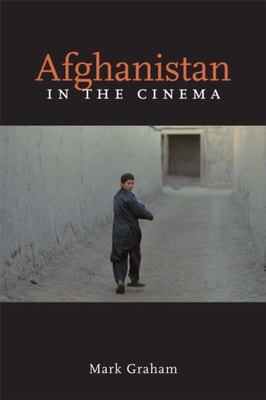
In this timely critical introduction to the representation of Afghanistan in film, Mark Graham examines the often surprising combination of propaganda and poetry in films made in Hollywood and the East.
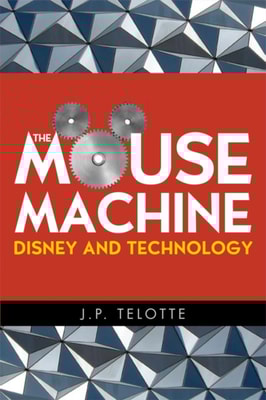
Throughout Disney's phenomenally successful run in the entertainment industry, the company has negotiated the use of cutting-edge film and media technologies that, J.
The third edition of Bill Nichols's best-selling text provides an up-to-date introduction to the most important issues in documentary history and criticism.
Whether drinking Red Bull, relieving chronic pain with oxycodone, or experimenting with Ecstasy, Americans participate in a culture of self-medication, using psychoactive substances to enhance or manage our moods.
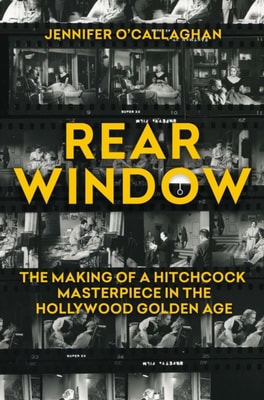
The definitive, in-depth look inside the making of Alfred Hitchcock'sRear Windowthe all-time classic of voyeurism, paranoia, and murder that became one of Hollywood's greatest achievements and turned generations of viewers into ';a race of Peeping Toms.
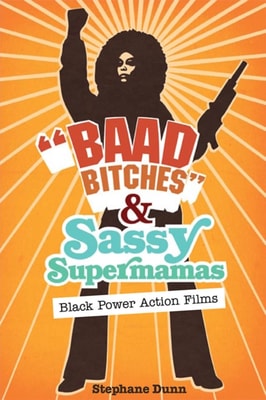
Blaxploitation action narratives as well as politically radical films like Sweet Sweetback's Baadasssss Song typically portrayed black women as trifling "e;bitches"e; compared to the supermacho black male heroes.
Lone Scherfig was the first of a number of women directors to take up the challenge of Dogme, the back-to-basics, manifesto-based, rule-governed, and now globalized film initiative introduced by Danish filmmakers Lars von Trier and Thomas Vinterberg in 1995.
In this book, Peter Brunette analyzes the theatrical releases of Austrian film director Michael Haneke, including The White Ribbon, winner of the 2009 Palme d'Or at the Cannes Film Festival.
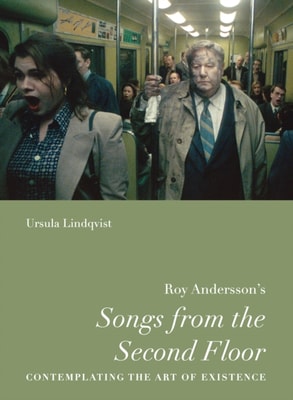
Swedish filmmaker Roy Anderssons celebrated and enigmatic film Songs from the Second Floor, his first feature film in twenty-five years, won the Special Jury Prize at the Cannes Film Festival in 2000.
This is the first book on Jean-Pierre Jeunet, the popular and critically acclaimed director of films such as Amelie, Delicatessen, A Very Long Engagement, Alien Resurrection, and City of Lost Children.
Curating material from Applauses Shakescenes: Shakespeare for Two by John Russell Brown, Once More unto the Speech, Dear Friends by Neil Freeman, The Applause Shakespeare Library, and Applause First Folio Editions, weve created the must-have workbook series for Shakespeare plays.
Best known for directing the Impressionist classic The Smiling Madame Beudet and the first Surrealist film The Seashell and the Clergyman, Germaine Dulac, feminist and pioneer of 1920s French avant-garde cinema, made close to thirty fiction films as well as numerous documentaries and newsreels.