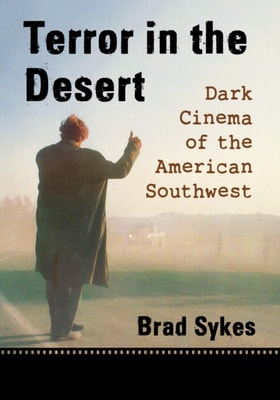
Set in the American Southwest, "e;desert terror"e; films combine elements from horror, film noir and road movies to tell stories of isolation and violence.
Arctic cinemas represent a noteworthy new subfield of film studies, and in the current era of unprecedented global warming, interest in the Arctic region and its cinematic portrayals has never been greater.
Jeffrey Hunter is best remembered today for his roles as half-breed Martin Pawley in John Ford's classic western The Searchers (1956), as Jesus Christ in Nicholas Ray's King of Kings (1961) and as Christopher Pike, the first captain of the U.
Oscar-winning actor, translator of Bertolt Brecht's Galileo, and director of the iconoclastic The Night of the Hunter, Charles Laughton's name alone commanded box office and theatre acclaim.
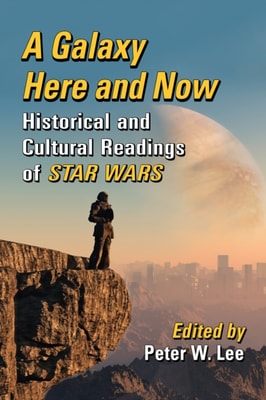
The original Star Wars trilogy famously follows Joseph Campbell's model for the hero's journey, making Luke Skywalker's story the new hero quest for a modern age.
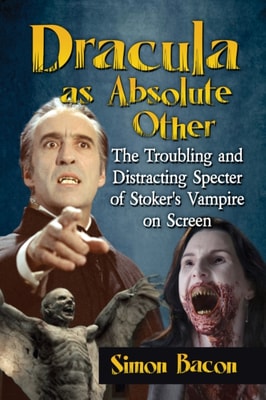
Dark, dangerous and transgressive, Bram Stoker's Dracula is often read as Victorian society's absolute Other--an outsider who troubles and distracts those around him, one who represents the fears and anxieties of the age.
Squirrels have made numerous appearances in mass media over the years, from Beatrix Potter's Nutkin and Timmy Tiptoes, to Rocky the flying squirrel of The Adventures of Rocky and Bullwinkle, and to Conker and Squirrel Girl of video game fame.
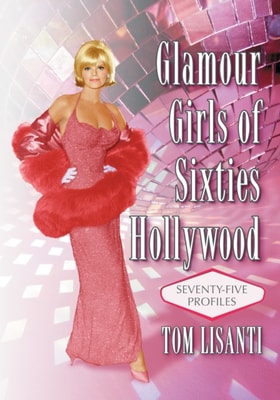
During the 1960s, many models, Playboy centerfolds, beauty queens, and Las Vegas showgirls went on to become "e;decorative actresses"e; appearing scantily clad on film and television.
Vampire characters are ubiquitous in popular culture, serving as metaphors for society's most sensitive subjects--sexuality, gender roles, race, ethnicity, class--and often channeling widespread fears of immigration, crime, terrorism and addiction.
Hollywood studios were once eager to bring stand-up comedy king Richard Pryor's dynamic humor to the big screen--so much so that studio executives gave him full access to available resources and creative control to develop his own projects.
Comic book audience expectations have fluctuated dramatically through the years, and comic book creators have had to adapt to shifting reader concerns.
American dancer, singer and actress Gwen Verdon (1925-2000) won four Tony awards for her work on Broadway and also appeared in films and on television.
A catalog nearly fifty years in the making, Bruce Springsteen's music remains popular and a frequent subject of study yet little critical attention has been given to its inclusion in film and television.
Arkham Asylum for the Criminally Insane is a staple of the Batman universe, evolving into a franchise comprised of comic books, graphic novels, video games, films, television series and more.
These were unique, complex, personal and professional relationships between master director John Ford and his two favorite actors, John Wayne and Ward Bond.
British literature often refers to pagan and classical themes through richly detailed landscapes that suggest more than a mere backdrop of physical features.
The samurai films of legendary Japanese director Akira Kurosawa are set in the past, but they tell us much about the present, as do his crime stories, romances, military films, medical dramas and art films.
Though Grimm's Fairy Tales was published about 200 years ago, the revered collection of folk stories remains one of the most iconic pieces of children's literature and has had significant influence in modern pop culture.
Filmmaker brothers Joel and Ethan Coen got their start in the independent film business in 1984 with their debut feature Blood Simple, which won the award of Best Dramatic Feature at Sundance in 1985 and was hailed as one of the best films of the year by the National Board of Review.
In the era of Hollywood now considered its Golden Age, there was no shortage of hard-luck stories--movie stars succumbed to mental illness, addiction, accidents, suicide, early death and more.
This is a comprehensive journey through the long career of auteur Hollywood filmmaker Walter Hill, director of The Driver, The Warriors, Southern Comfort, 48 Hrs.