Theatre Across Oceans: Mediators Of Transatlantic Exchange allows the reader to enter and understand the infrastructural 'backstage area' of global cultural mobility during the years between 1890 and 1925.
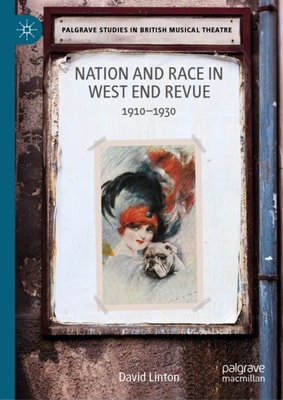
London West End revue constituted a particular response to mounting social, political, and cultural insecurities over Britain's status and position at the beginning of the twentieth century.
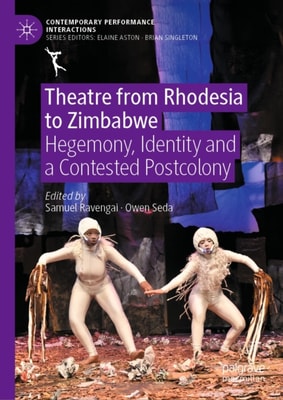
The voices that are represented in this collection come from various parts of the world and express the views of practitioners and scholars who have all had first-hand experience working in Zimbabwean theatre from the last days of Rhodesia to Zimbabwe.
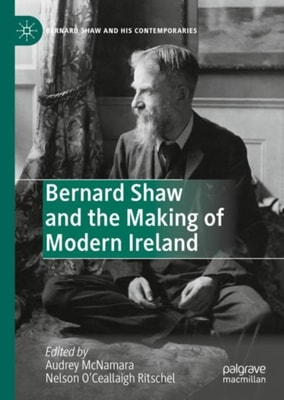
This book presents new insights into the production and reception of Irish drama, its internationalisation and political influences, within a pivotal period of Irish cultural and social change.
This book details the Irish socialistic tracks pursued by Bernard Shaw and Sean O'Casey, mostly after 1916, that were arguably impacted by the executed James Connolly.
The Colonial Public and the Parsi Stage is the first comprehensive study of the Parsi theatre, colonial South and Southeast Asia's most influential cultural phenomenon and the precursor of the Indian cinema industry.
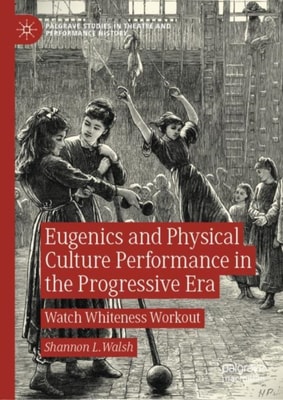
This book strives to unmask the racial inequity at the root of the emergence of modern physical culture systems in the US Progressive Era (1890s-1920s).
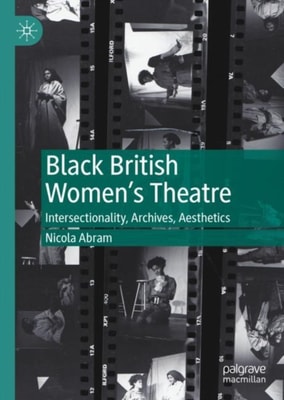
This book marks a significant methodological shift in studies of black British women's theatre: it looks beyond published plays to the wealth of material held in archives of various kinds, from national repositories and themed collections to individuals' personal papers.
As readers head into the second fifty years of the modern critical study of blackness and black characters in Renaissance drama, it has become a critical commonplace to note black female characters' almost complete absence from Shakespeare's plays.
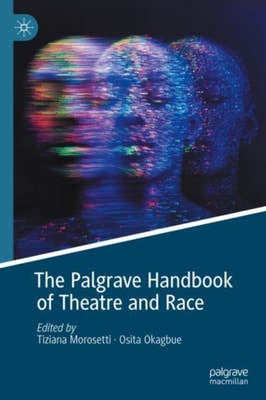
The first comprehensive publication on the subject, this book investigates interactions between racial thinking and the stage in the modern and contemporary world, with 25 essays on case studies that will shed light on areas previously neglected by criticism while providing fresh perspectives on already-investigated contexts.
This book is notable for bringing together humanist schooling and familial instruction under the banner of emotions and for studying seminal works of early modern literature within this new analytical context.
In the first book-length study of the work and legacy of West End actor-manager George Alexander since the 1930s, George Alexander and the Work of the Actor Manager examines the key part this figure played in presenting new drama by authors including Oscar Wilde and Henry James.
This book revisits In-Yer-Face theatre, an explosive, energetic theatrical movement from the 1990s that introduced the world to playwrights Sarah Kane, Martin McDonagh, Mark Ravenhill, Jez Butterworth, and many others.
Placing 'literature' at the centre of Renaissance economic knowledge, this book offers a distinct intervention in the history of early modern epistemology.
This is the first systematic study of networks of performance collaboration in the contemporary Chinese-speaking world and of their interactions with the artistic communities of the wider East Asian region.
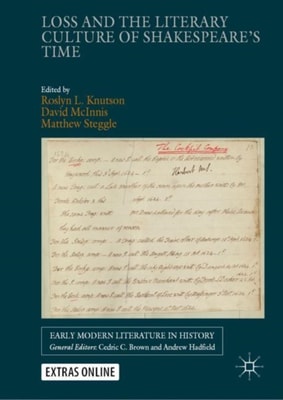
As early modernists with an interest in the literary culture of Shakespeare's time, we work in a field that contains many significant losses: of texts, of contextual information, of other forms of cultural activity.
This book examines the figure of Joan of Arc as depicted in stage works of the nineteenth and twentieth centuries, especially those based on or related to Schiller's 1801 romantic tragedy, Die Jungfrau von Orleans (The Maid of Orleans).
This book considers the influence that sixteenth-century and early seventeenth-century mathematical thinking exerted on the writing and production of popular drama between about 1587 and 1603.
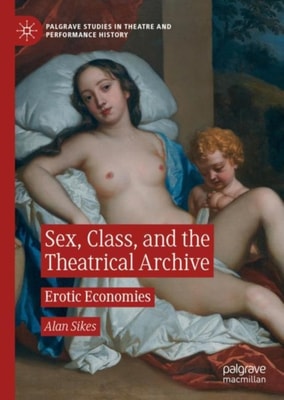
In Sex, Class and the Theatrical Archive: Erotic Economies, Alan Sikes explores the intersection of struggles over sex and class identities in politicized performances during key revolutionary moments in modern European history.
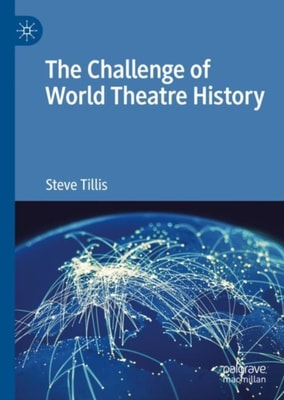
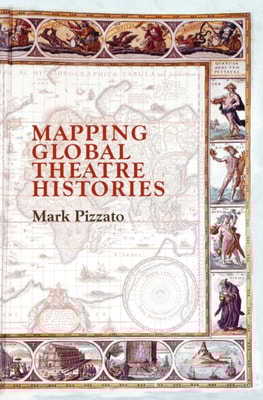
This textbook provides a global, chronological mapping of significant areas of theatre, sketched from its deepest history in the evolution of our brain's 'inner theatre' to ancient, medieval, modern, and postmodern developments.
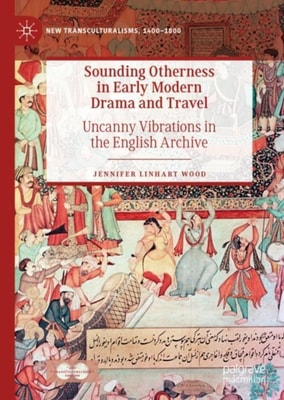
Winner of the Medieval and Renaissance Drama Society's 2021 Bevington Award for Best New BookSounds are a vital dimension of transcultural encounters in the early modern period.
This volume bears potent testimony, not only to the dense complexity of Hamlet's emotional dynamics, but also to the enduring fascination that audiences, adaptors, and academics have with what may well be Shakespeare's moodiest play.
Corpuscule Danse est la première compagnie de danse au Québec à avoir intégré des personnes avec et sans handicap, tant visible qu’invisible, dans les cours qu’elle dispense et sur la scène professionnelle.
This book is a fascinating cri de coeur and made me questioneverything I think about musicals Alan CummingA book for those who can t stand musicals, those who love them, and every theatregoer, academic, practitioner and student in between.
Gender and the contemporary audio-visual landscape of MexicoThis book focusses on gender and the audio-visual landscape of Mexico since 2010, examining popular culture as expressed in the still distinct but rapidly converging media forms of cinema, television, and streaming platforms.
Gender and the contemporary audio-visual landscape of MexicoThis book focusses on gender and the audio-visual landscape of Mexico since 2010, examining popular culture as expressed in the still distinct but rapidly converging media forms of cinema, television, and streaming platforms.
Reconstructs the constitutive role that German actresses played on and off the stage in shaping not only modernist theater aesthetics and performance practices, but also influential strains of modern thought.