This essay collection is a wide-ranging exploration of Vikings, the television series that has successfully summoned the historical world of the Norse people for modern audiences to enjoy.
The 15th in a series drawn from scholarship presented at the annual Comparative Drama Conference at Rollins College in Winter Park, Florida, this collection provides insights into texts and practices currently at the forefront of theatrical discussion.
Screenwriter, director, producer and comic book author Joss Whedon is best known for his television series and films featuring villainous vampires, angry gods and even bloggers who wish to rule the world.
Part memoir, part dance history and ethnography, this critical study explores ballet's power to inspire and to embody ideas about politics, race, women's agency, and spiritual experience.
Often overlooked in the history of broadcast television, The CW became a top-rated cable network in primetime during the mid-2000s, at a moment when many critics predicted the death of the medium.
Originally known as a brand for greeting cards, Hallmark has seen a surge in popularity since the early 2010s for its made-for-TV movies and television channels: the Hallmark Channel and its spinoffs, Hallmark Movie Channel (now Hallmark Movies & Mysteries) and Hallmark Drama.
Called "e;The Poet Laureate of Radio"e; by critics, Norman Corwin was the top writer at CBS when CBS reigned supreme in radio, and when radio itself dominated public attention.
This volume is the sixteenth in a series dedicated to presenting the latest findings in the fields of comparative drama, performance, and dramatic textual analysis.
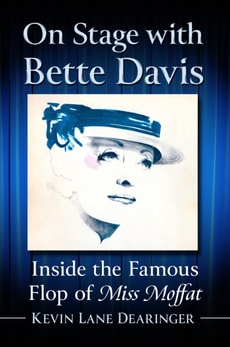
A reflection on one of Broadway's most iconic flops, this memoir follows a musical that featured one of the silver screen's most powerful personalities.
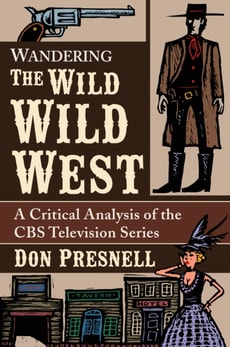
The Wild Wild West premiered on CBS in 1965, just as network dominance of television Westerns was waning and the global James Bond phenomenon was in full force.
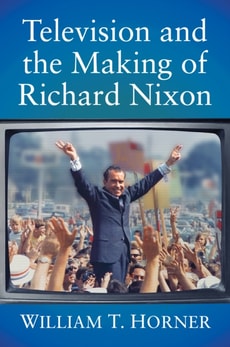
While Richard Nixon's accomplishments and shortcomings are well-documented, one often ignored aspect of his career is his influence on the media conduct of politicians.
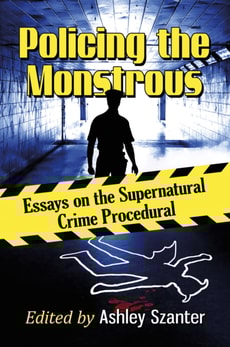
This collection of new essays examines how the injection of supernatural creatures and mythologies transformed the hugely popular crime procedural television genre.
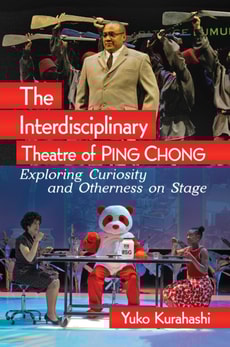
This first-ever biography exploring the life of Ping Chong (1946), successful avant-garde artist and Presidential Medal of Freedom recipient, focuses on his valuable contributions to modern theatre.
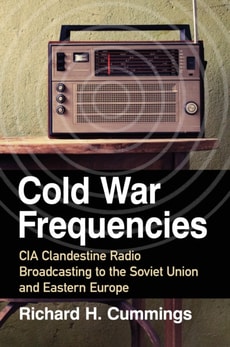
Published for the first time, the history of the CIA's clandestine short-wave radio broadcasts to Eastern Europe and the USSR during the early Cold War is covered in-depth.
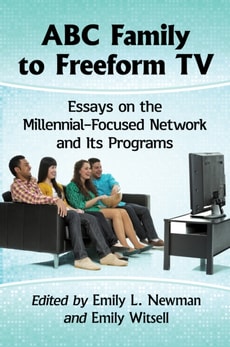
Launched in 1977 by the Christian Broadcasting Service (originally associated with Pat Robertson), the ABC Family/Freeform network has gone through a number of changes in name and ownership.
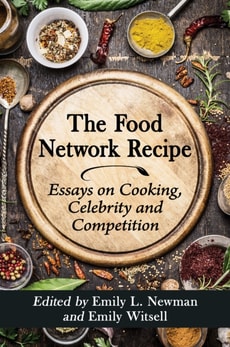
When the Television Food Network launched in 1993, its programming was conceived as educational: it would teach people how to cook well, with side trips into the economics of food and healthy living.
The Wire's provocative subject matter, layered narrative and explicit critiques of American socio-economic institutions make it one of the most teachable television series in recent years.
This collection of new essays focuses on The CW network's hit television series Arrow--based on DC Comic's Green Arrow--and its spin-offs The Flash, DC's Legends of Tomorrow and Supergirl.
Before stories of King Arthur and Robin Hood were adapted and readapted for film, television and theater, radio scriptwriters looking for material turned to Thomas Malory's Le Morte Darthur (1485) and Howard Pyle's The Merry Adventures of Robin Hood (1883).
As television grew more enticing for both viewers and filmmakers in the 1950s, several independent film producers with knowledge of making low-cost films and radio shows transferred their skills to producing shows for the small screen.
Most of the books that have been written about territorial Arizona and the southwest focus on the Indian Wars, outlaws, violent crimes, gambling, saloons, and bawdy houses.
Hamlet stands as a high water mark of canonical art, yet it has equally attracted rebels and experimenters, those avant-garde writers, dramatists, performers, and filmmakers who, in their adaptations and appropriations, seek new ways of expressing innovative and challenging thoughts in the hope that they can change perceptions of their own world.
Be they actors, comedians, singers, dancers, or talk show hosts and personalities, everyone from George Burns and Milton Berle to Jack Benny and Jackie Gleason to Sid Caesar and Caesar Romero ignited their own particular brand of ';man-erisms.
This enlightening book is the go-to guide for fans for biographical information, rare photos, and interesting trivia about their favorite child stars, shows, series, networks, and the times that defined the shows.
Kathy Garver, the teenage heartthrob from the hit series Family Affair (19661971), was no one-hit wonder, but a journeywoman actress who appeared in such classic films as Night of the Hunter and The Ten Commandments long before she became a television icon.
Few morose thoughts permeate the brain when Yosemite Sam calls Bugs Bunny a ';long-eared galut' or a frustrated Homer Simpson blurts out his famous catch-word, ';D'oh!