Published for the first time, the history of the CIA's clandestine short-wave radio broadcasts to Eastern Europe and the USSR during the early Cold War is covered in-depth.
Before stories of King Arthur and Robin Hood were adapted and readapted for film, television and theater, radio scriptwriters looking for material turned to Thomas Malory's Le Morte Darthur (1485) and Howard Pyle's The Merry Adventures of Robin Hood (1883).
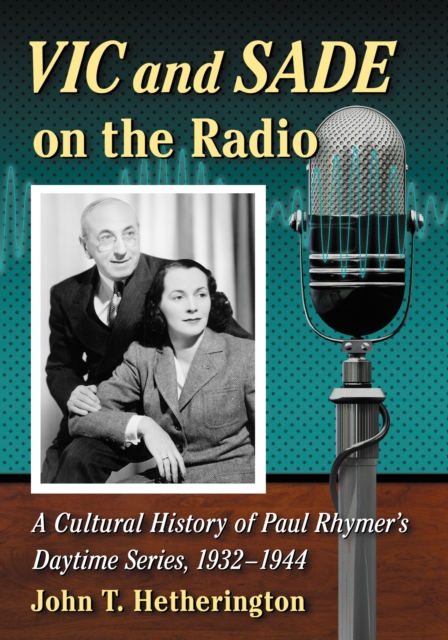
Vic and Sade, an often absurd situation comedy written by the prolific Paul Rhymer, aired on America's radios from 1932 to 1944 (with short-lived revivals afterward).
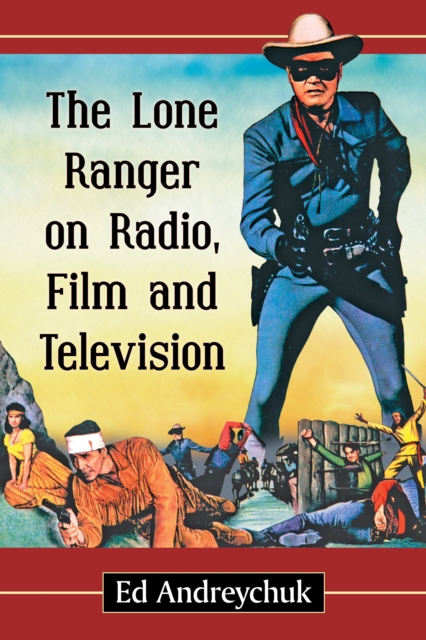
The Lone Ranger has endured as an iconic figure in American popular culture, from his 1933 premier as a radio serial hero through a highly-rated television series (1949-1957) to a 2013 feature film.
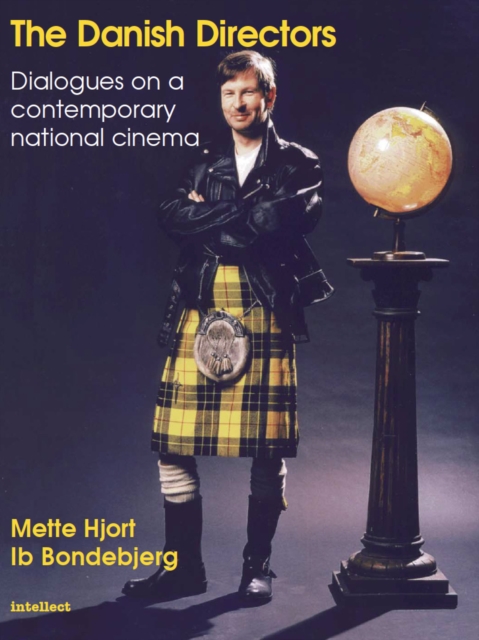
Profiling the canonized figures alongside recently-established filmmakers, this collection features interviews with Lars von Trier, S ren Kragh-Jacobsen, Thomas Vinterberg and Henning Carlsen among many others.
This book explores the convergence of urban radio with digital media technologies in Africa, focusing on how youth are riding on the rapid (though uneven) internet rollout on the continent to participate and drive the production and consumption of urban radio.
The book focuses on radio and sound docufiction and docudrama through comparative analysis of the British and the Italian output from post war years to the 2010s, from both a historical and formal point of view.
The book focuses on radio and sound docufiction and docudrama through comparative analysis of the British and the Italian output from post war years to the 2010s, from both a historical and formal point of view.
This textbook describes the field of radio and television in the United States, presents the material in a manner the reader can grasp and enjoy, and makes the book useful for the classroom teacher.
This textbook describes the field of radio and television in the United States, presents the material in a manner the reader can grasp and enjoy, and makes the book useful for the classroom teacher.
A century ago, the emergence of radio, along with organized systems of broadcasting, sparked a global fascination with the 'wonder' of sound transmission and reception.
A century ago, the emergence of radio, along with organized systems of broadcasting, sparked a global fascination with the 'wonder' of sound transmission and reception.
Now firmly established as one of the leading textbooks in the increasingly popular field of radio studies, Radio in Context provides students with a practical, critical and comprehensive understanding of the main principles and techniques used in radio programming.
Andre Kostelanetz On Records and On the Air is a comprehensive discography of the commercial recordings of the Russian/American conductor and radio personality, Andre Kostelanetz.
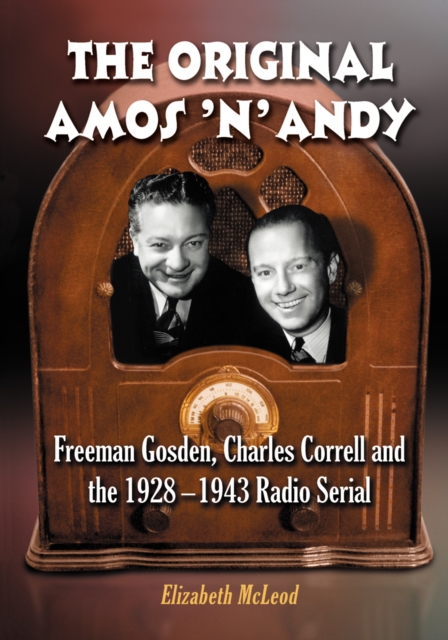
This critical reexamination of Amos 'n' Andy, the pioneering creation of Charles Correll and Freeman Gosden, presents an unapologetic but balanced view lacking in most treatments.
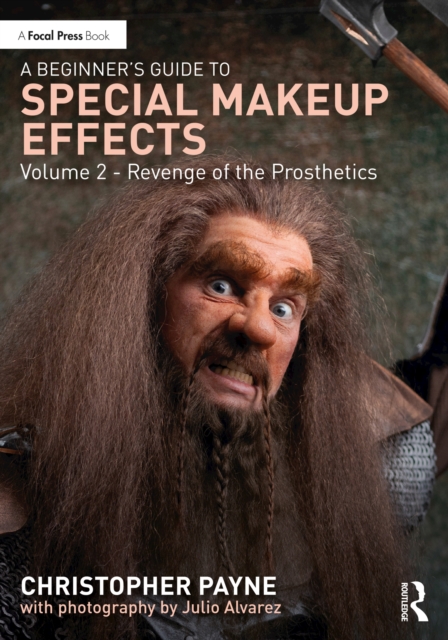
A Beginners Guide to Special Makeup Effects, Volume 2 builds on the foundations covered in A Beginner's Guide to Special Makeup Effects: Monsters, Maniacs and More, introducing more professional-level materials and techniques and preparing readers for the next steps in their career.
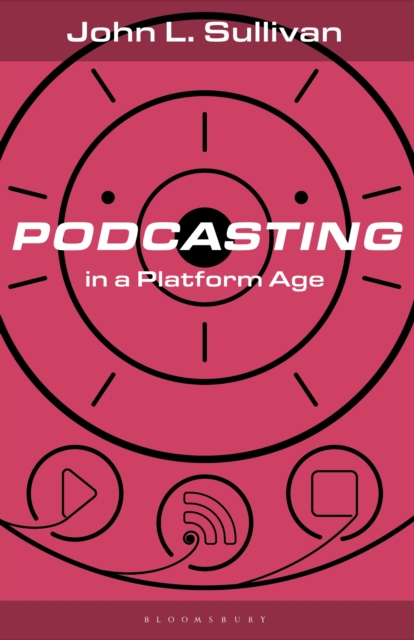
Podcasting in a Platform Age explores the transition underway in podcasting by considering how the influx of legacy and new media interest in the medium is injecting professional and corporate logics into what had been largely an amateur media form.
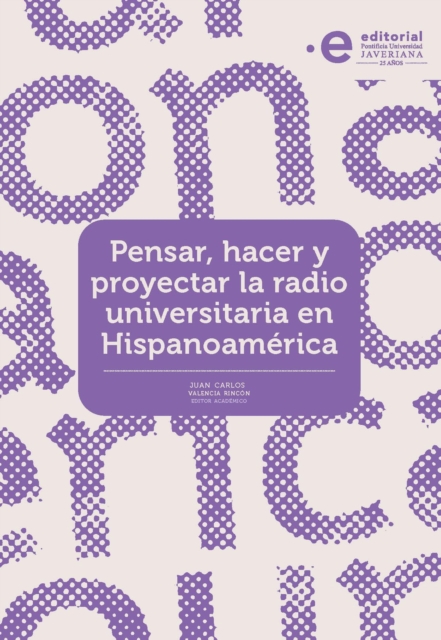
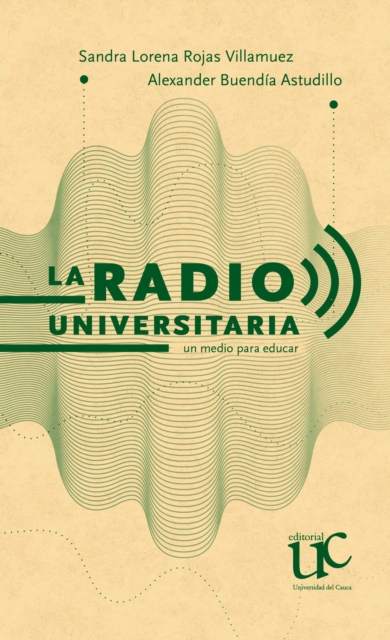
Las primeras radios universitarias de Hispanoamérica datan de la segunda década del siglo XX, pero su crecimiento solo fue notorio a partir de los años setenta.
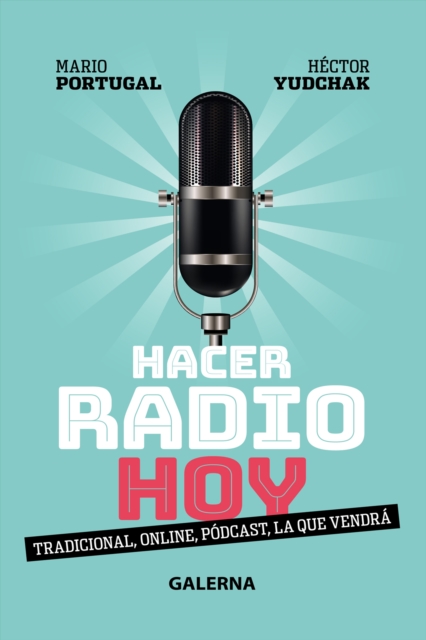
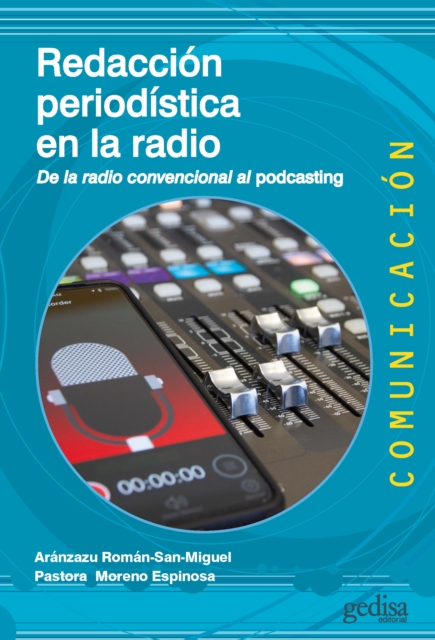
Las formas de consumo de radio han ido cambiando desde finales del siglo XX y, por tanto, los modelos de produccion se han visto obligados a adaptarse.
Jordi Basté pregunta com la gent del carrer, s'emociona com el veí de l'escala, s'indigna com un conductor atrapat a les rondes, s'admira com un nen amb els èxits dels altres.
Literarische Perlen zu Literatur, Kunst und ReligionEr ist renommierter Radiomann der ersten Stunde und begehrter Vortragender in Fragen von Kunst, Literatur und Religion: Hubert Gaisbauer kann mit seinen nunmehr 80 Jahren aus einer Fülle an lesenswerten, vielschichtigen Texten schöpfen, die zum Teil für seine Radioserien "Gedanken für den Tag" und "Menschenbilder" oder auch für seine immer wieder gern gehörten, aber bisher nicht veröffentlichten Vorträge entstanden sind.
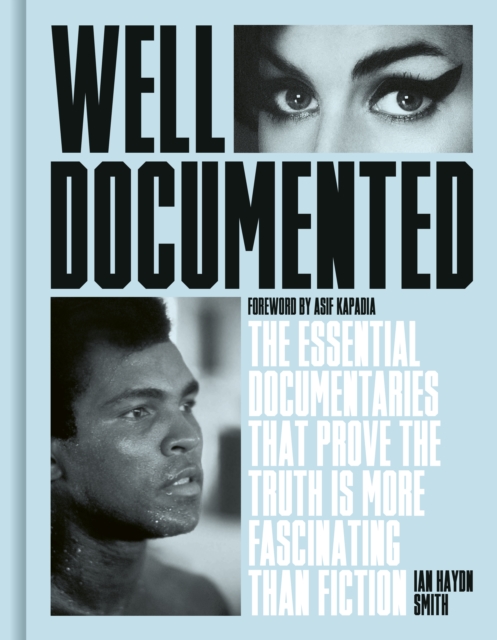
This fascinating book from veteran film journalist Ian Haydn Smith, with a foreword from award-winning director Asif Kapadia, explores 100 of the most compelling documentaries, each with the power to radically change our perceptions and challenge the way we see the world.