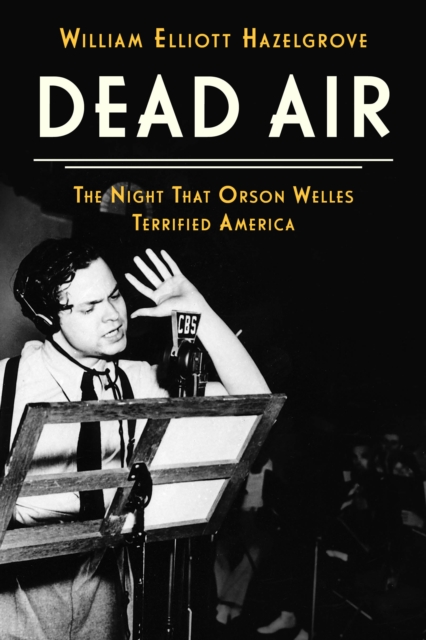
A "e;granular history"e; (Wall Street Journal) of the greatest hoax in radio history and the panic that followed, which Publishers Weekly calls "e;a rollicking portrait of a director on the cusp of greatness"e; and Booklist, in a starred review, says, "e;Hazelgrove's feverishly focused retelling of the broadcast as well as the fallout makes for a propulsive read as a study of both a cultural moment of mass hysteria and the singular voice at its root.
»Doch doch (…) Ich glaube wir kommen voran«›Auckland‹ versammelt sämtliche Hörspiele Ilse Aichingers und macht ihre beeindruckende Entwicklung von der scharfen, aber auch noch relativ geschlossenen Dialogtechnik in ›Knöpfe‹ (1953) über das schwebende Spiel der Stimmen in ›Besuch im Pfarrhaus‹ (1961) bis zur Offenheit von ›Auckland‹ (1969) und zur zärtlichen Radikalität von ›Gare maritime‹ (1976) nachvollziehbar.
This book presents an absorbing study of how educational radio, which originated to broadcast weather forecasts to farmers, has become what the Pew Center calls the most trusted source of news for American liberals and a regular in the rogue's gallery of election-year conservative targets.
Now fans need no longer wait for the CBC to re-run recordings of Max Fergusons notorious radio shows (assuming that the tapes have not all been destroyed by court order).
The Times Bestseller (Non-Fiction)Join Scroobius Pip as he gets to the bottom of what matters most in life: whether getting Russell Brand to expound on capitalism, Jon Ronson on the perils of social media, Simon Pegg on the power of satire, Killer Mike on race relations in the United States or Howard Marks on drugs and cancer, Pip elicits thought-provoking material by rummaging through the minds of some of the most interesting creatives of our time.
Since 1975 Charles Collingwood has also been known as Brian Aldridge - the JR of Ambridge - the upper-class charmer with more than a dash of naughty wickedness.
Almost a Celebrity is the no-holds-barred autobiography of radio megastar James Whale, a man who, for over thirty years, has never been afraid to say the unsayable.
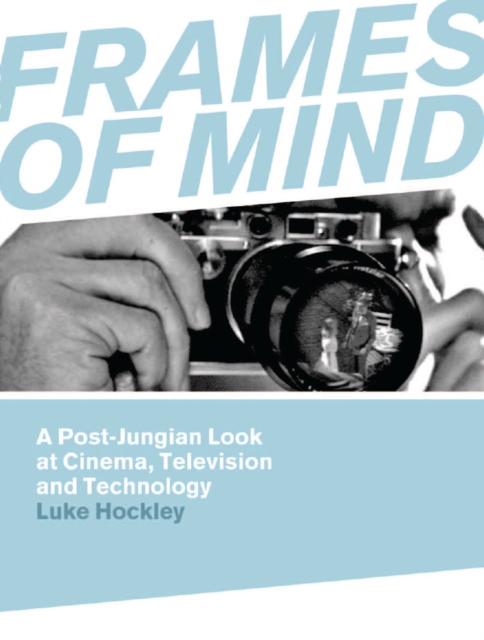
The eminent psychologist Carl Jung is best known for such indelible contributions to modern thought as the concept of the collective unconscious, but his wide-spread work can also be fruitfully employed to analyze popular culture.
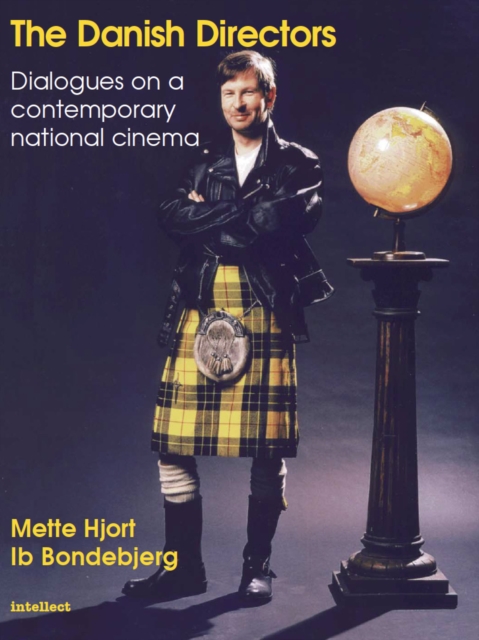
Profiling the canonized figures alongside recently-established filmmakers, this collection features interviews with Lars von Trier, S ren Kragh-Jacobsen, Thomas Vinterberg and Henning Carlsen among many others.
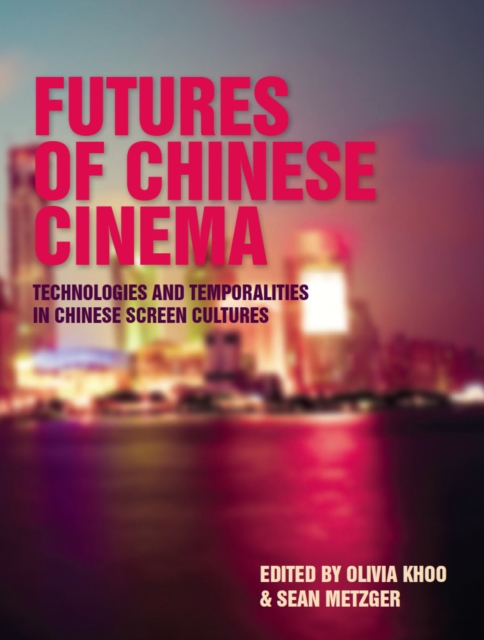
In recent years, Chinese film has garnered worldwide attention, and this interdisciplinary collection investigates how new technologies, changing production constraints, and shifting viewing practices have shaped perceptions of Chinese screen cultures.
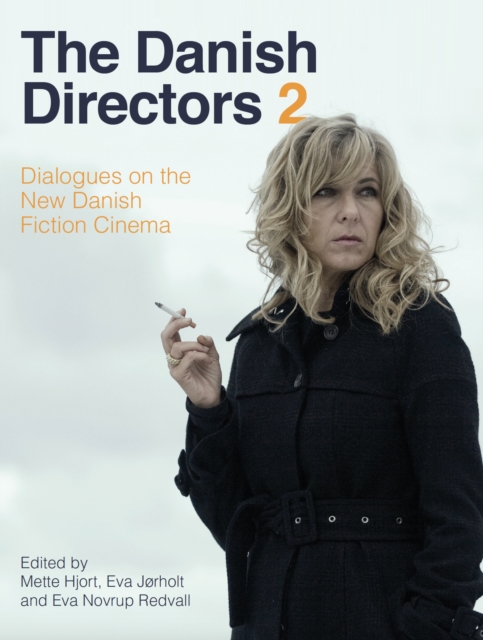
Over the last two decades or so, the New Danish Cinema has established itself as an important source of cinematic renewal and innovation, and as a model for how small, minor or peripheral cinemas can survive in an industry dominated by Global Hollywood.
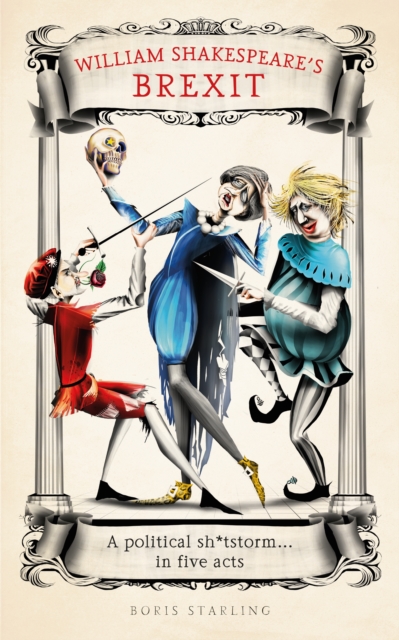
BORIS JOHNSON:To leave or not to leave, that is the question: Whether 'tis nobler in the mind to sufferThe slings and arrows of outrag'd Remainers,Or to take arms against a sea of Leavers,And by opposing end them?
For the last 70 years, the guests of Woman s Hour have been entertaining listeners with their compelling combination of wit, warmth, insight and humour.
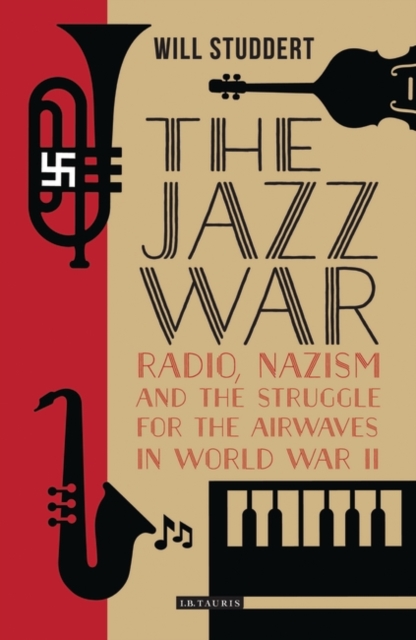
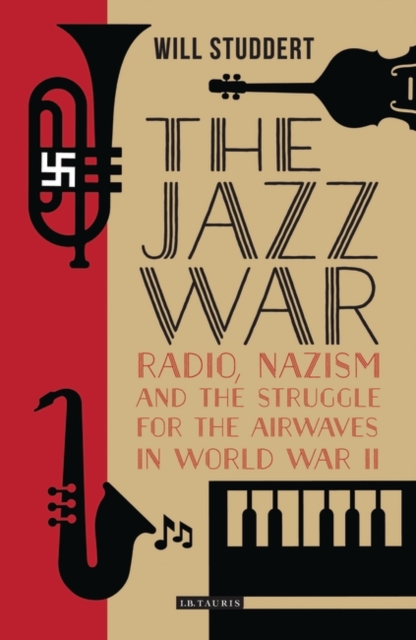
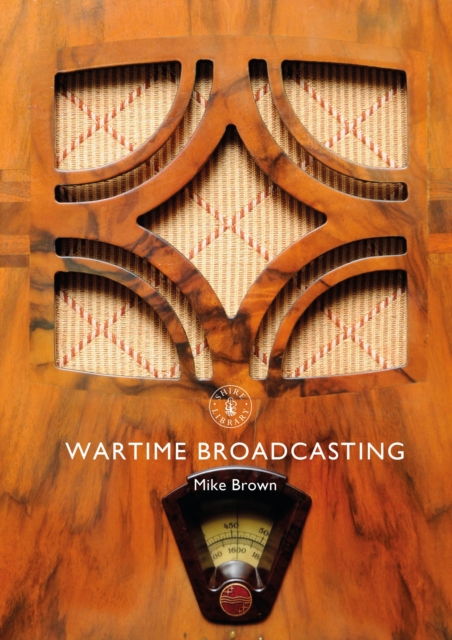
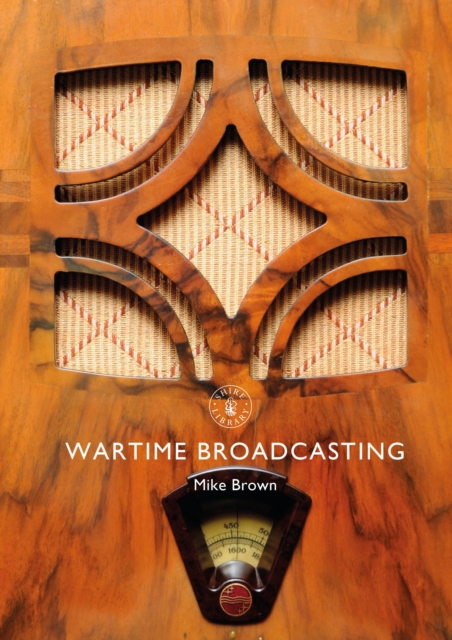
On 3 September 1939, Prime Minister Neville Chamberlain sat tensely at a microphone, using radio to declare that 'this country is at war with Germany'.
On 3 September 1939, Prime Minister Neville Chamberlain sat tensely at a microphone, using radio to declare that 'this country is at war with Germany'.
This edited collection focuses on the production cultures of successful small and medium-sized (SME) film and television companies in Norway, Denmark, the Netherlands and the UK, based on a three-year research project, 'Success in the Film and Television Industries' (SiFTI) funded by the Norwegian Research Council.
This edited collection focuses on the production cultures of successful small and medium-sized (SME) film and television companies in Norway, Denmark, the Netherlands and the UK, based on a three-year research project, 'Success in the Film and Television Industries' (SiFTI) funded by the Norwegian Research Council.
Berlin School Glossary is the first major publication to mark the increasing international importance of a group of contemporary German and Austrian filmmakers initially known by the name the Berlin School: Christian Petzold, Thomas Arslan, Christoph Hochhausler, Jessica Hausner and others.
Berlin School Glossary is the first major publication to mark the increasing international importance of a group of contemporary German and Austrian filmmakers initially known by the name the Berlin School: Christian Petzold, Thomas Arslan, Christoph Hochhausler, Jessica Hausner and others.
Filming the City brings together the work of filmmakers, architects, designers, video artists and media specialists to provide three distinct prisms through which to examine the medium of film in the context of the city.
Filming the City brings together the work of filmmakers, architects, designers, video artists and media specialists to provide three distinct prisms through which to examine the medium of film in the context of the city.
For most of the twentieth century, the private eye dominated crime fiction and film, a lone figure fighting for justice, often in opposition to the official representatives of law and order.
Immigration Cinema in the New Europe examines a variety of films from the early 1990s that depict and address the lives and identities of both first generation immigrants and children of the diaspora in Europe.
Immigration Cinema in the New Europe examines a variety of films from the early 1990s that depict and address the lives and identities of both first generation immigrants and children of the diaspora in Europe.
Formulated around a number of key thematic concerns - including new creative trends; the politics and practices of memory; auteurship, genre and stardom in a transnational age - this reassessment of contemporary Spanish cinema from 1992 to 2012 brings leading academics from a broad range of disciplinary and geographical backgrounds into dialogue with critically and commercially successful practitioners to suggest the need to redefine the parameters of one of the world's most creative national cinemas.
Formulated around a number of key thematic concerns - including new creative trends; the politics and practices of memory; auteurship, genre and stardom in a transnational age - this reassessment of contemporary Spanish cinema from 1992 to 2012 brings leading academics from a broad range of disciplinary and geographical backgrounds into dialogue with critically and commercially successful practitioners to suggest the need to redefine the parameters of one of the world's most creative national cinemas.
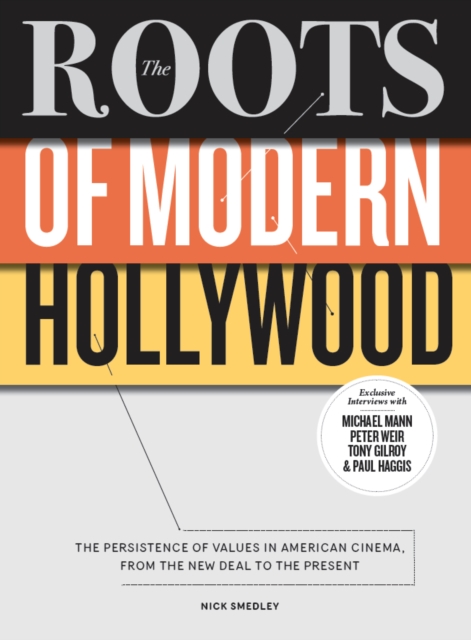
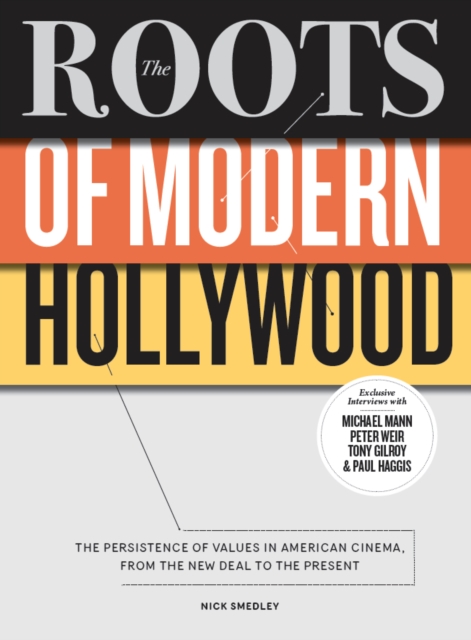
In this insightful study of Hollywood cinema since 1969, film historian Nick Smedley traces the cultural and intellectual heritage of American films, showing how the more thoughtful recent cinema owes a profound debt to Hollywood's traditions of liberalism, first articulated in the New Deal era.
In this insightful study of Hollywood cinema since 1969, film historian Nick Smedley traces the cultural and intellectual heritage of American films, showing how the more thoughtful recent cinema owes a profound debt to Hollywood's traditions of liberalism, first articulated in the New Deal era.
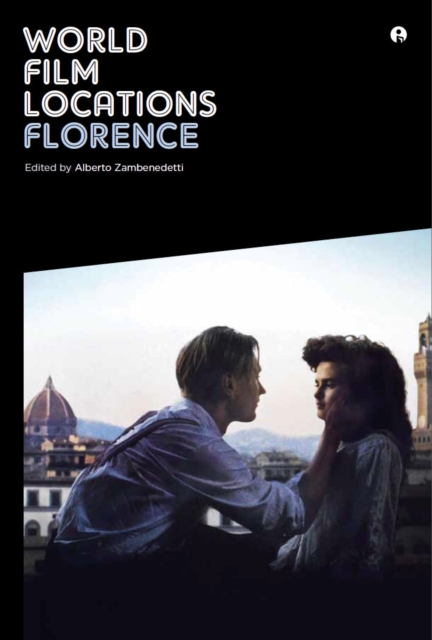
Florence, with its rich history, privileged place in the canon of Western art, and long-standing relationship with the moving image, is a cinematic city equal to Venice or Rome.
Often recognized as one of the happiest countries in the world, Denmark, like its Scandinavian neighbours, is known for its progressive culture, which is also reflected in its national cinema.
Often recognized as one of the happiest countries in the world, Denmark, like its Scandinavian neighbours, is known for its progressive culture, which is also reflected in its national cinema.
For most of the twentieth century, the private eye dominated crime fiction and film, a lone figure fighting for justice, often in opposition to the official representatives of law and order.