Films and television programs about nuns (women in a religious order) are among the most successful and popular we watch, from old favorites like The Sound of Music to recent smash hits like Call the Midwife and Mrs.
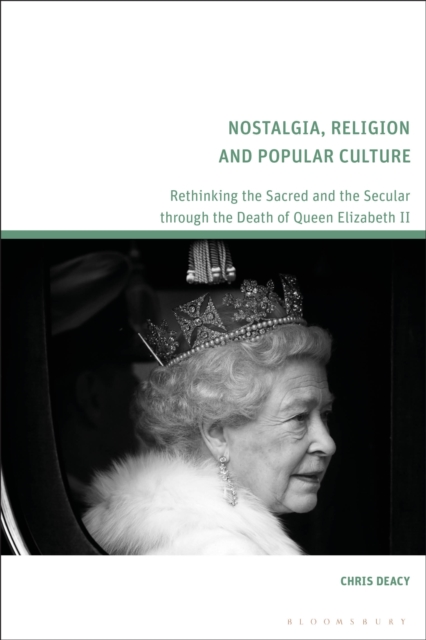
Drawing on the event of Queen Elizabeth II's death in 2022 as a central case study, this book explores the way we navigate the relationship between nostalgia and religion.
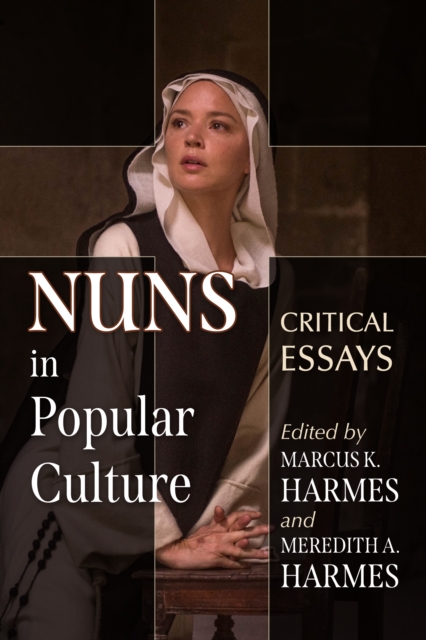
Films and television programs about nuns (women in a religious order) are among the most successful and popular we watch, from old favorites like The Sound of Music to recent smash hits like Call the Midwife and Mrs.
'The best comedy the UK has ever created' GUARDIAN'One of the most satisfying endings in TV history' INEWS 'Endlessly entertaining and richly rewarding' DAILY TELEGRAPH Inside No.
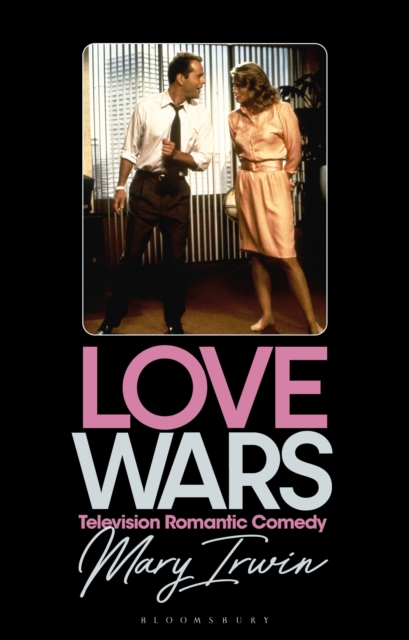
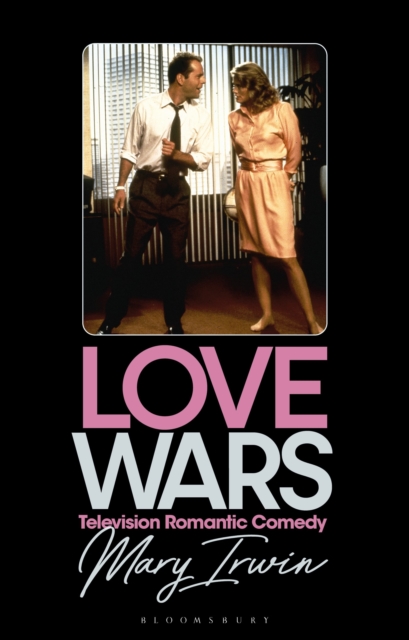
This is the first dedicated overview of the international television romantic comedy genre, Mary Irwin builds on the critical work on cinematic romantic comedy to offer a dedicated critical analysis of the romantic comedy on the small screen.
An in-depth telling of the Norman Lear's seven-decade career that Publishers Weekly calls a "e;lovingly detailed portrait"e; and "e;a fitting tribute to a consequential figure in television history"e; and Booklist praises as an "e;extensive and comprehensive look at a comedic legend.
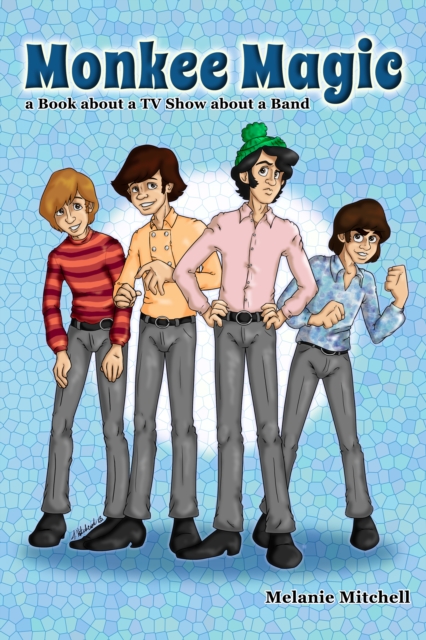
Before the first gold record, before the first concert tour, before the Monkees racked up four number-one albums in a single year and outsold the Beatles and the Rolling Stones, THE MONKEES was a half-hour TV show, airing Monday nights on NBC.
Drawing from author Tim Palmer's 30 years of experience working as a cinematographer for award-winning drama series including Killing Eve, Bad Sisters, and Line of Duty, this book is the go-to guide on how to light just about any scene a cinematographer may face when shooting a TV show.
This volume brings together scholarly theories and practices on speculative fiction from the Nordic countries, including Denmark, Finland, Iceland, Norway, and Sweden, that are all rooted in similar values, culture, and history yet are independent and unique societies.
This is the first dedicated overview of the international television romantic comedy genre, Mary Irwin builds on the critical work on cinematic romantic comedy to offer a dedicated critical analysis of the romantic comedy on the small screen.
Broadcast News and Writing Stylebook is the go-to resource for writing broadcast news, offering a concise introduction to writing engaging stories for television, radio, podcasts and online media.
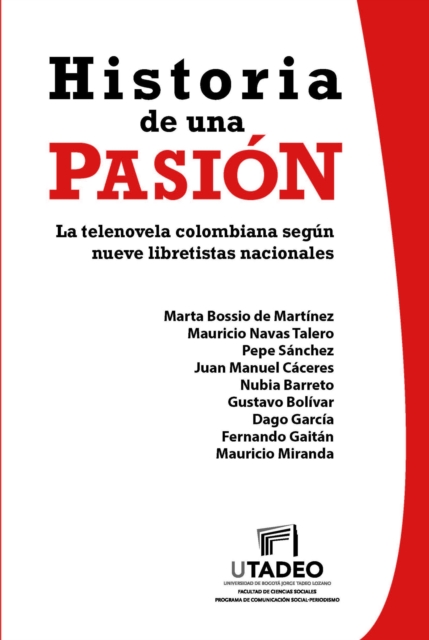
En el presente volumen se reúnen entrevistas a reconocidos libretistas de la televisión colombiana: Marta Bossio de Martínez, Mauricio Navas Talero, Pepe Sánchez, Juan Manuel Cáceres, Nubia Barreto, Gustavo Bolívar, Dago García y Fernando Gaitán, y se rinde un homenaje póstumo a Mauricio Miranda con la transcripción de una conferencia dictada por él en el año 2000.
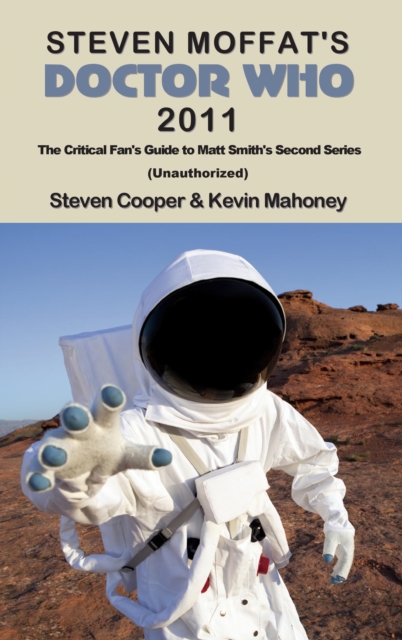
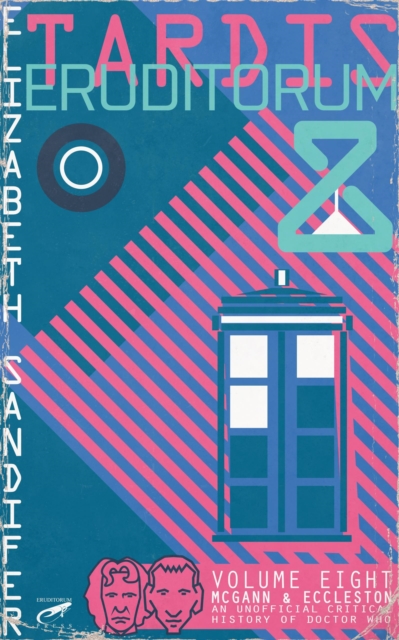
In this eighth volume of essays adapted from the acclaimed blog TARDIS Eruditorum you'll find a critical history of the Paul McGann and Christopher Eccleston eras of Doctor Who.
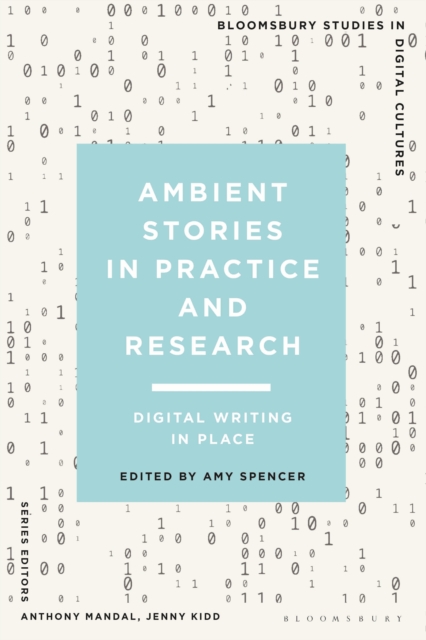
From a range of academic and practice-led perspectives, this book explores how a combination of place-based writing and location-based technologies are producing new kinds of experimental ambient literary experience.
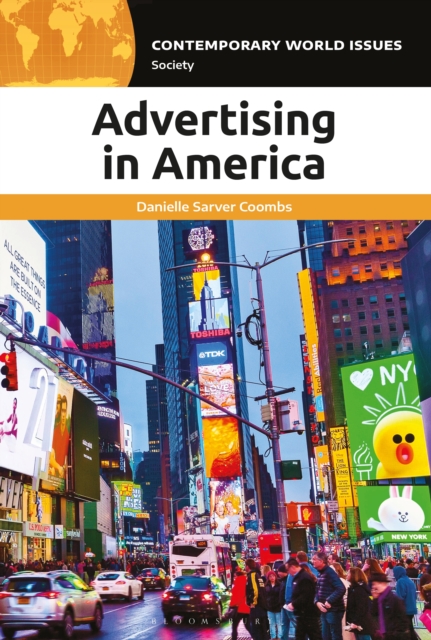
This book provides an accessible resource for understanding the world behind the advertising jingles and Super Bowl commercials and digital algorithms.
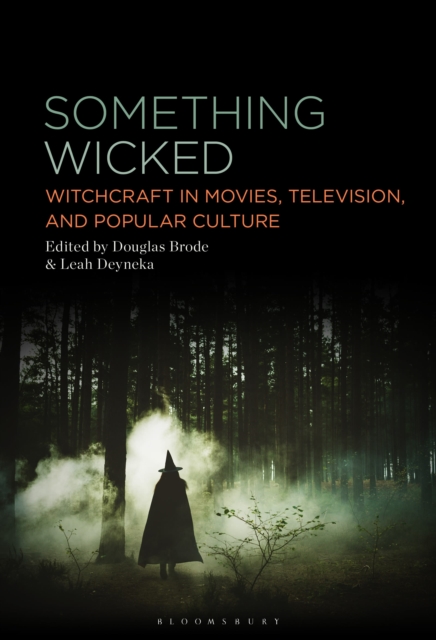
An anthology of essays that deal with Witchcraft and the figure of the Witch, as they have been presented in motion pictures, television, and popular culture, in order to understand how, why, and when the common anti-Witchcraft/ anti-Witch attitude evolved.
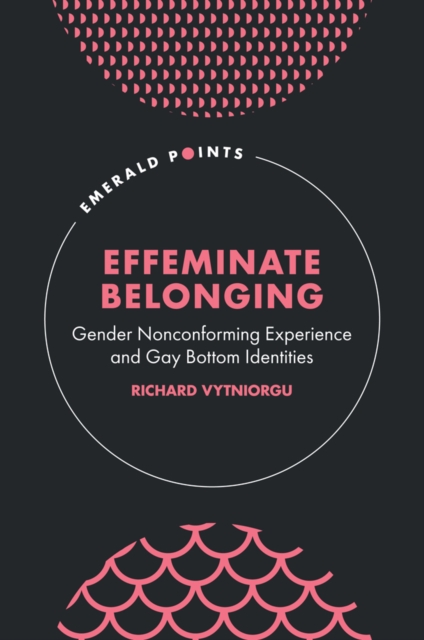
Since the 1970s, effeminate gay men, and fem bottoms in particular, have increasingly become the 'marginalised among the marginalised' in Anglo-American gay culture, which tends to place a premium on appearing, behaving, and sounding masculine.