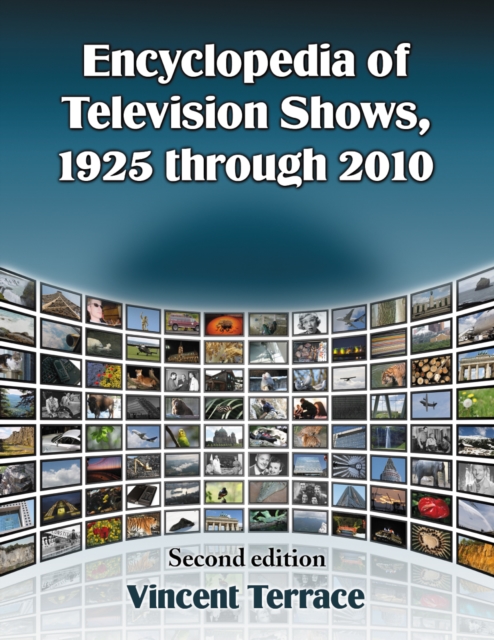
This fully updated and expanded edition covers over 10,200 programs, making it the most comprehensive documentation of television programs ever published.
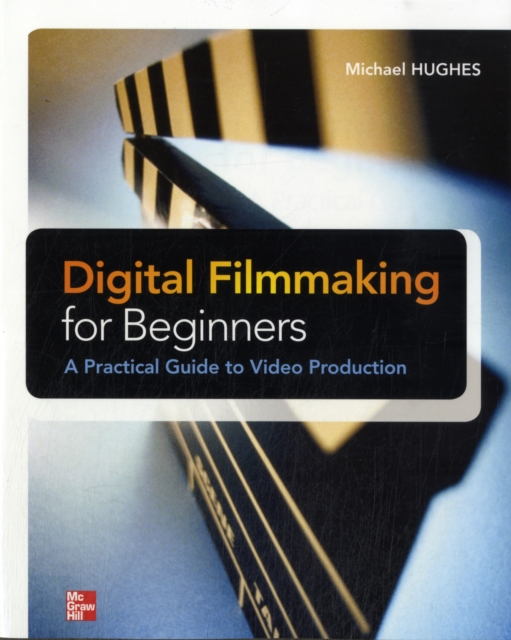
Discover how to create professional-quality digital videos--faster than you can say "e;lights, camera, action"e;Digital video cameras are everywhere--even on our phones!
Even though it's frequently asserted that we are living in a golden age of scripted television, television as a medium is still not taken seriously as an artistic art form, nor has the stigma of television as "e;chewing gum for the mind"e; really disappeared.
Since the mid-1980s, US audiences have watched the majority of movies they see on a video platform, be it VHS, DVD, Blu-ray, Video On Demand, or streaming media.
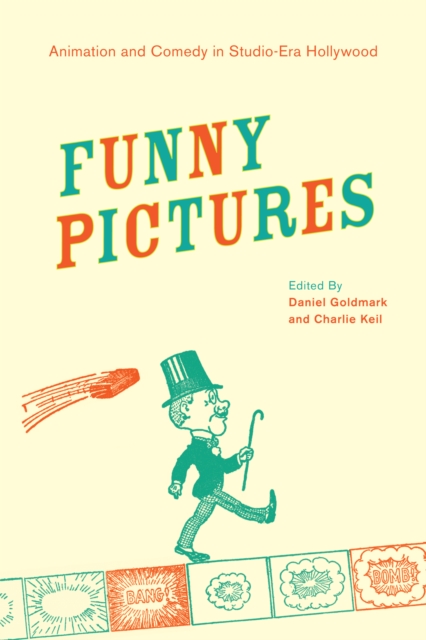
This collection of essays explores the link between comedy and animation in studio-era cartoons, from filmdom's earliest days through the twentieth century.
This revised edition of a now classic text includes a new introduction by Henry Jenkins, explaining 'Why Fiske Still Matters' for today's students, followed by a discussion between former Fiske students Ron Becker, Aniko Bodroghkozy, Steve Classen, Elana Levine, Jason Mittell, Greg Smith and Pam Wilson on 'John Fiske and Television Culture'.
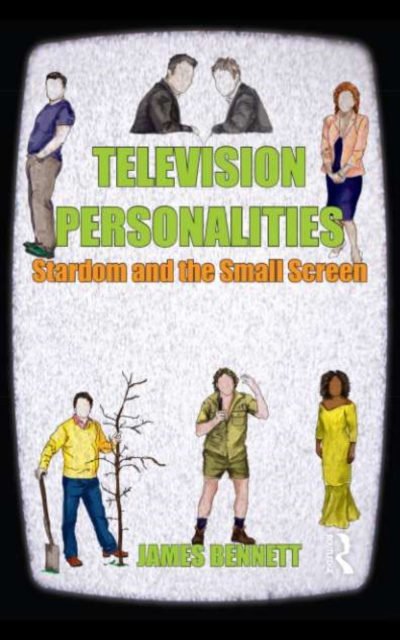
Television Personalities offers an exciting, engaging approach to studying and understanding the most prominent and popular performers in television and celebrity culture.
In this original study, Thompson explores the complicated relationships between Americans and television during the 1950s, as seen and effected through popular humor.
You Watch Too Much TV is a Book of Lists for the television generation, offering fun facts and quizzes on Leave It To Beaver, Everybody Loves Raymond, and just about every show in between.
Even as the major superhero film franchises appear to be exhausting their runs The Umbrella Academy demonstrates that the superhero genre is still extremely effective at creating role models with lasting psychological resonance and allegories with extraordinary emotional impact.
This collection of fresh essays addresses a broad range of topics in the BBC science fiction television series Doctor Who, both old (1963-1989) and new (2005-present).
From the beginning, both Robert Kirkman's comics and AMC's series of The Walking Dead have brought controversy in their presentations of race, gender and sexuality.
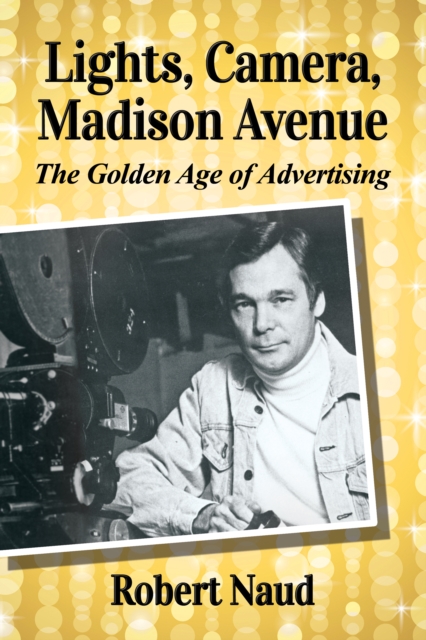
This inside look at the production of 20th century television commercials begins with a review of advertising's beginnings going through the 1960s and early 1970s.
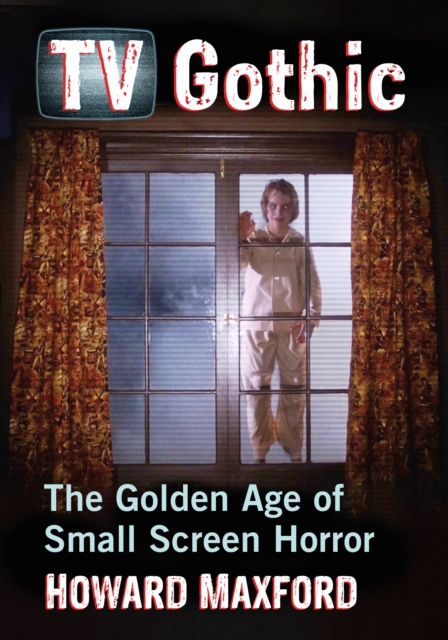
Most horror film fans are familiar with the movie classics, from the early Universal archetypes to the Hammer landmarks--all of which have been celebrated in countless books and magazines.
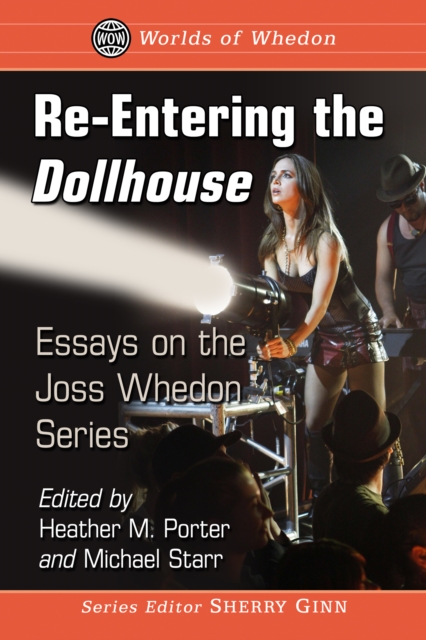
Premiering on Fox in 2009, Joss Whedon's Dollhouse was an innovative, contentious and short-lived science fiction series whose themes were challenging for viewers from the outset.
This book highlights detection's malleability by analyzing the works of particular groups of authors from specific time periods written in response to other texts.
On December 31, 1939, nationwide radio audiences listened as 17-year-old Josephine Owaissa Cottle, a Texas schoolgirl, won Gateway to Hollywood's new talent competition.
This is the first book to take a deep dive into the philosophical, social, moral, political, and religious issues tackled by Seth MacFarlane's marvelous space adventure, The Orville.
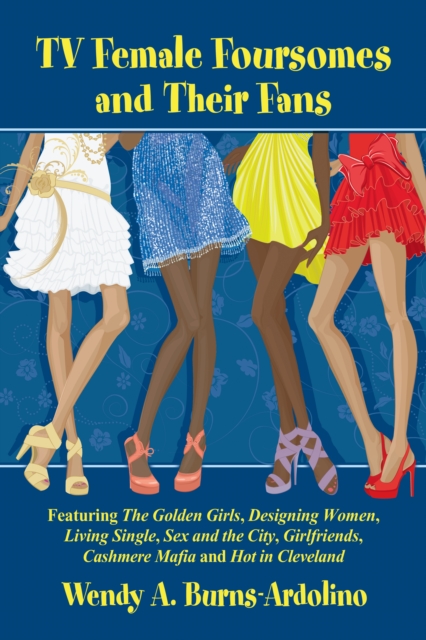
The Golden Girls, Designing Women, Living Single, Sex and the City, Girlfriends, Cashmere Mafia and Hot in Cleveland stand out as some of America's favorite television series.
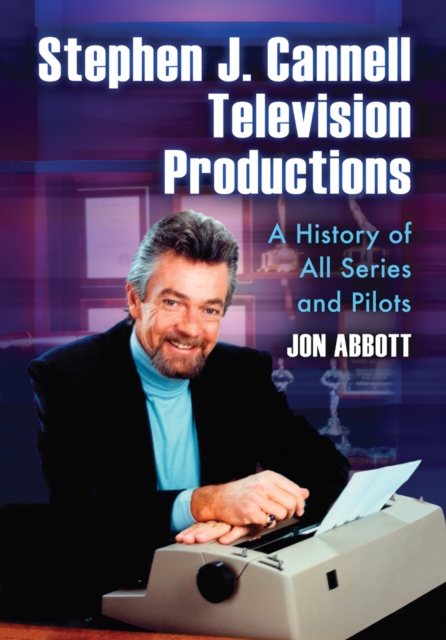
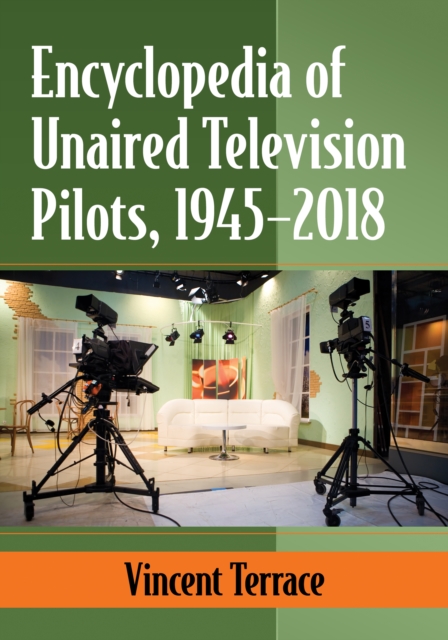
Covering the years 1945-2018, this alphabetical listing provides details about 2,923 unaired television series pilots, including those that never went into production, and those that became series but with a different cast, such as The Green Hornet, The Middle and Superman.
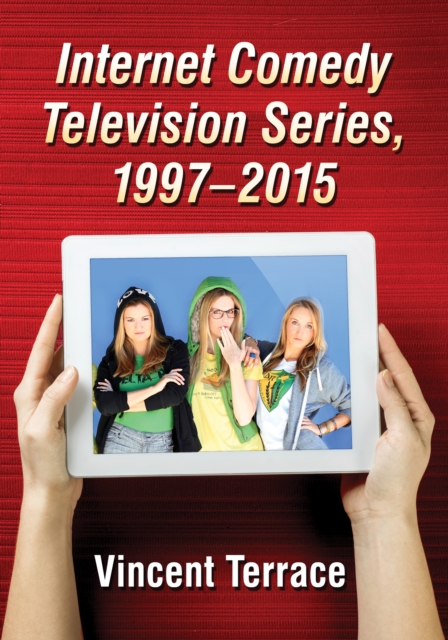
Created around the world and available only on the web, Internet "e;television"e; series are independently produced, mostly low budget shows that often feature talented but unknown performers.
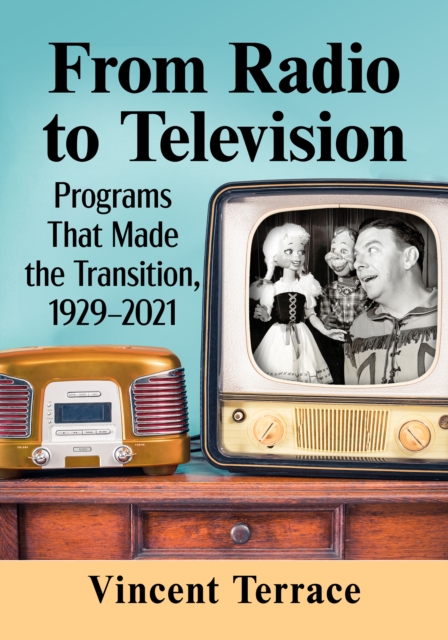
The early years of television relied in part on successful narratives of another medium, as studios adapted radio programs like Boston Blackie and Defense Attorney to the small screen.
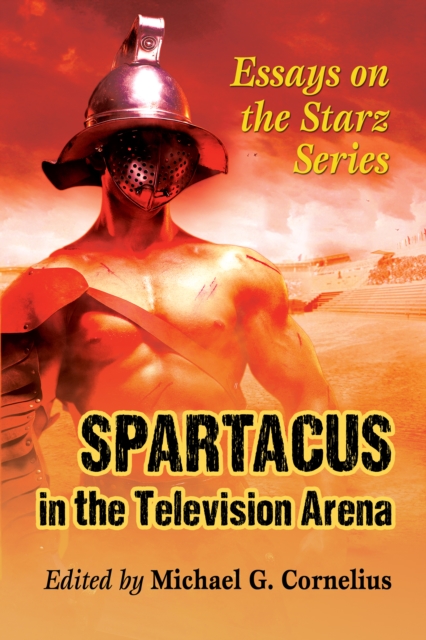
Spartacus, the Thracian gladiator turned rebel leader, endures as a near-mythic hero who fought for the oppressed against a Roman oligarchy built on the backs of slave labor.
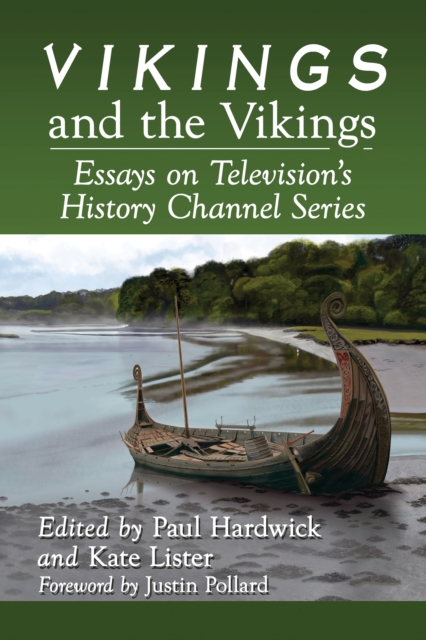
This essay collection is a wide-ranging exploration of Vikings, the television series that has successfully summoned the historical world of the Norse people for modern audiences to enjoy.