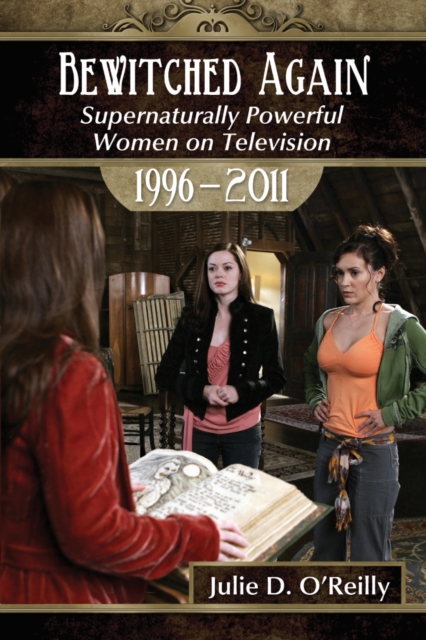
At a time when debates about social inequality are in the spotlight, it is worth examining how the two most popular media of the 20th and 21st centuries--film and television--have shaped the representation of social classes.
Screenwriter, director, producer and comic book author Joss Whedon is best known for his television series and films featuring villainous vampires, angry gods and even bloggers who wish to rule the world.
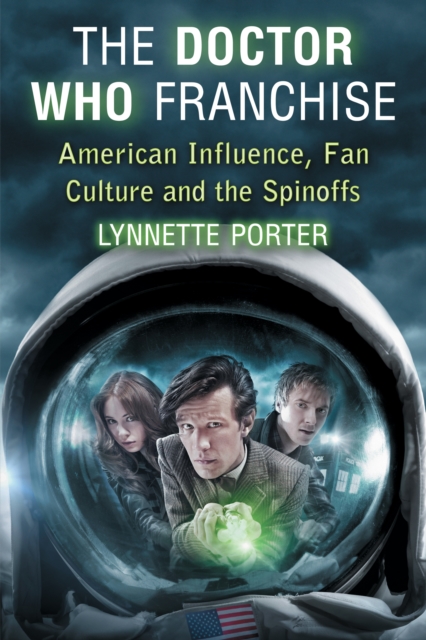
When Sydney Newman conceived the idea for Doctor Who in 1963, he envisioned a show in which the Doctor and his companions would visit and observe, but not interfere with, events in history.
Supernatural is one of the most successful horror TV shows ever, providing fifteen seasons of the adventures of Dean and Sam Winchester as they hunt monsters and save the world.
The millennials, who constitute the largest generation in America's history, may resist a simple definition; nevertheless, they do share a number of common traits and also an ever increasing presence on film and television.
As properties of DC comics continue to sprout over the years, narratives that were once kept sacrosanct now spill over into one another, synergizing into one bona fide creative Universe.
Often overlooked in the history of broadcast television, The CW became a top-rated cable network in primetime during the mid-2000s, at a moment when many critics predicted the death of the medium.
The ever-popular "e;Whedonverse"e; television shows--Buffy the Vampire Slayer, Angel, Firefly and Dollhouse--have inspired hundreds of articles and dozens of books.
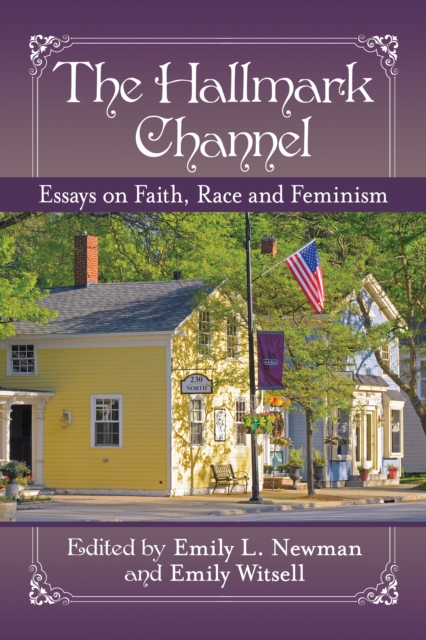
Originally known as a brand for greeting cards, Hallmark has seen a surge in popularity since the early 2010s for its made-for-TV movies and television channels: the Hallmark Channel and its spinoffs, Hallmark Movie Channel (now Hallmark Movies & Mysteries) and Hallmark Drama.
Over its five seasons on the air, the televised series Outlander has combined romance, adventure, history, and time travel into a classic saga of love, war, and the ties that bind family together.
Created around the world and available only on the Web, internet "e;television"e; series are independently produced, mostly low budget shows that often feature talented but unknown performers.
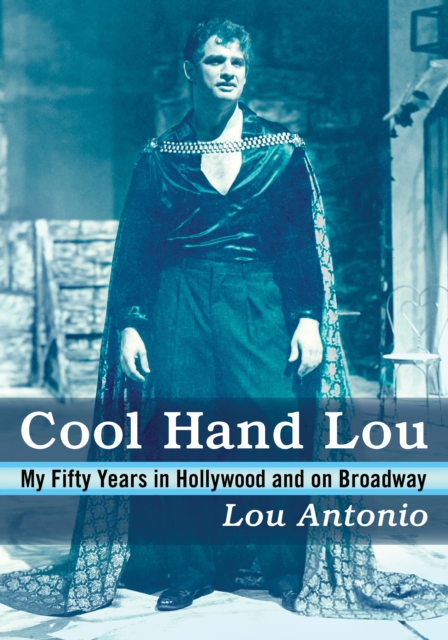
In this candid memoir, actor and director Lou Antonio recounts his five decades in television, film and theater, from live television to Broadway to Emmy-nominated Movies of the Week.
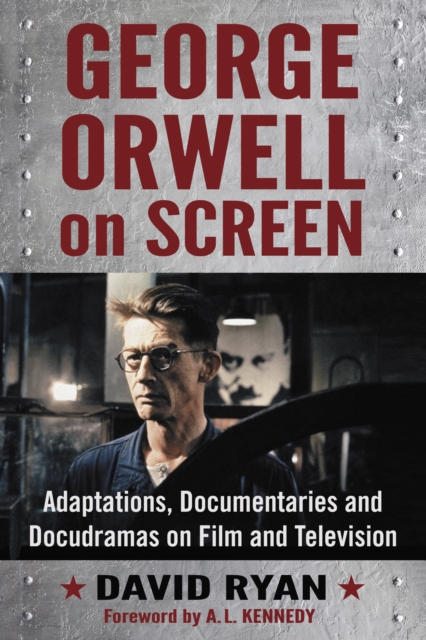
British author and essayist George Orwell shot to fame with two iconic novels: the anti-Stalinist satire Animal Farm and the dystopian masterpiece Nineteen Eighty-Four.
This collection of 19 new essays by 21 authors from the United States, the UK, Canada, Australia and India focuses on contemporary film and television (1989 to the present) from those countries as well as from China, Korea, Thailand and France.
NBC's Grimm is an understudied series full of compelling characters, including Monroe, the charmingly knowledgeable vegetarian who looks like a werewolf; Wu, the funny cop who beats his way to the truth; Adalind, the enjoyably vengeful, risk-taking witch; Trubel, the furious young loner accused of insanity; Kelly, a powerful older warrior-woman; Nick, a compassionate detective; Hank, Juliette, Rosalee and others.
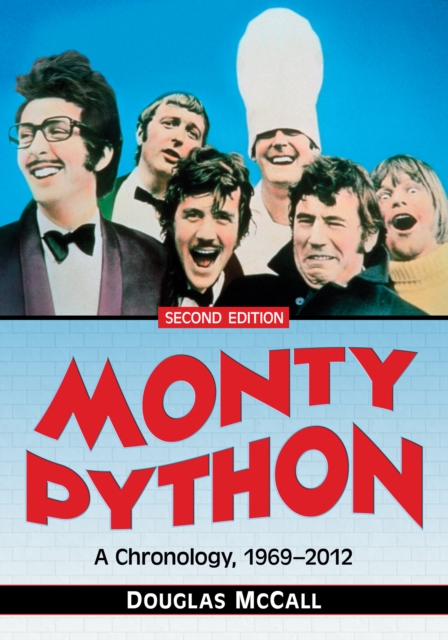
A chronological listing of the creative output and other antics of the members of the British comedy group Monty Python, both as a group and individually.
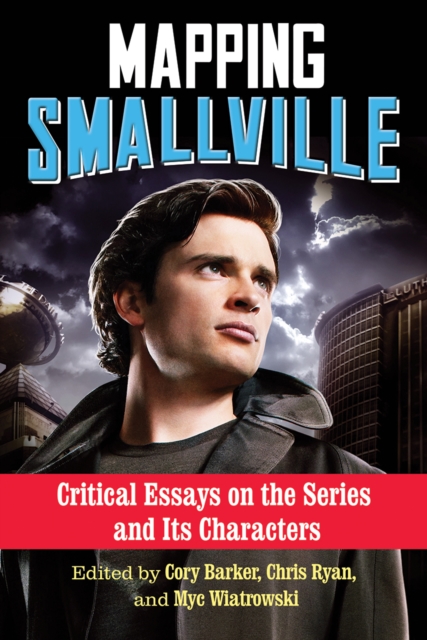
One of the first full-length academic projects on the television series Smallville, this collection of new essays explains why the WB/CW series is important to understanding contemporary popular culture.
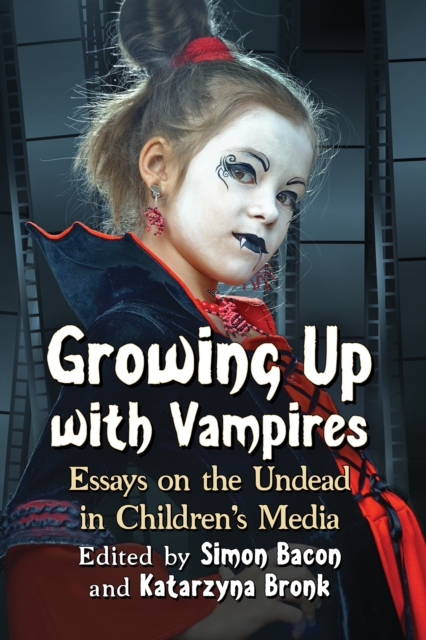
Vampire narratives are generally thought of as adult or young adult fare, yet there is a long history of their appearance in books, film and other media meant for children.
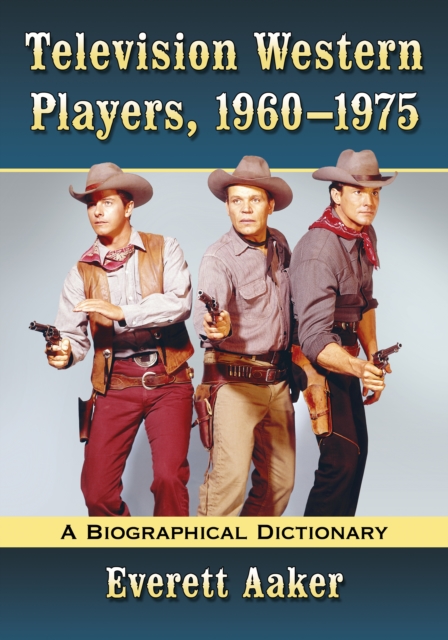
This biographical encyclopedia covers every actor and actress who had a regular role in a Western series on American television from 1960 through 1975, with analyses of key players.
Whether it's Sherlock Holmes solving crimes or Sheldon and Leonard geeking out over sci-fi, geniuses are central figures on many of television's most popular series.
Netflix's The Haunting of Hill House has received both critical acclaim and heaps of contempt for its reimagining of Shirley Jackson's seminal horror novel.
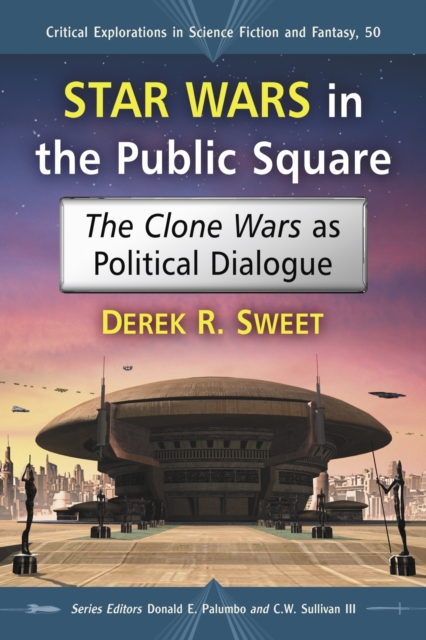
Speculative science fiction, with its underlying socio-political dialogue, represents an important intersection of popular culture and public discourse.
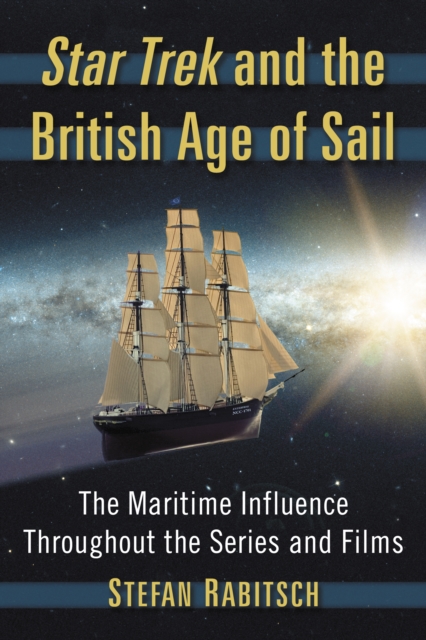
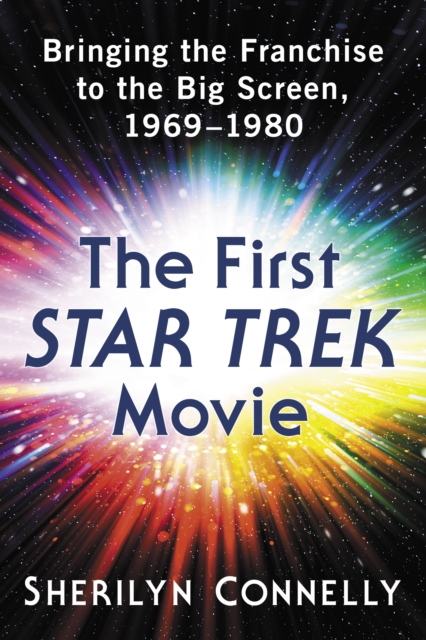
The story of Star Trek's resurrection between the 1969 cancellation of the original series and the 1979 release of Robert Wise's Star Trek--The Motion Picture, has become legend and like so many other legends, it tends to get printed instead of the facts.
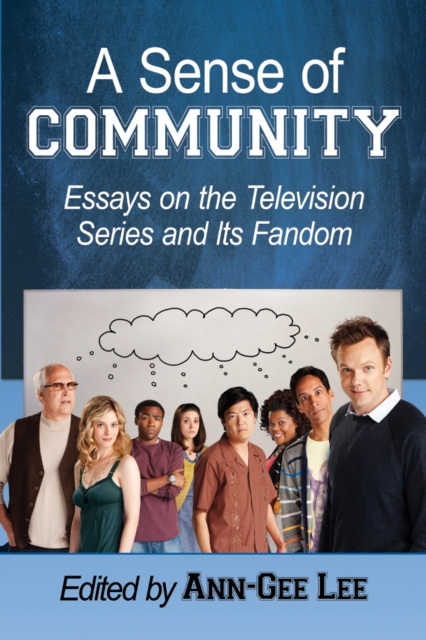
Television's Community follows the shenanigans of a diverse group of traditional and nontraditional community college students: Jeff Winger, a former lawyer; Britta Perry, a feminist; Abed Nadir, a pop culture enthusiast; Shirley Bennett, a mother; Troy Barnes, a former jock; Annie Edison, a naive overachiever; and Pierce Hawthorne, an old-fashioned elderly man.
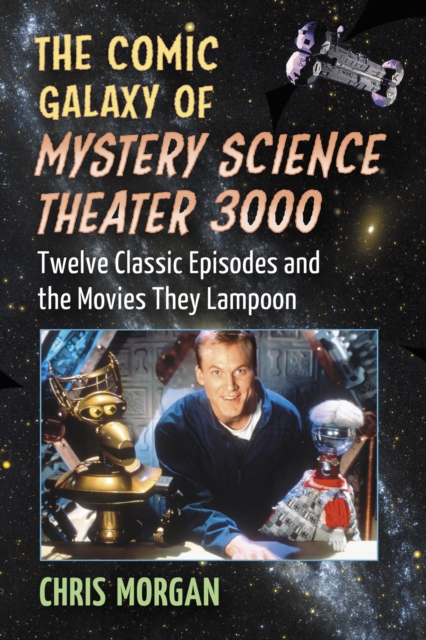
One of the most original shows in the history of television, Mystery Science Theater 3000 is a beloved cult hit built on the back of another cult phenomenon: the bad movie.
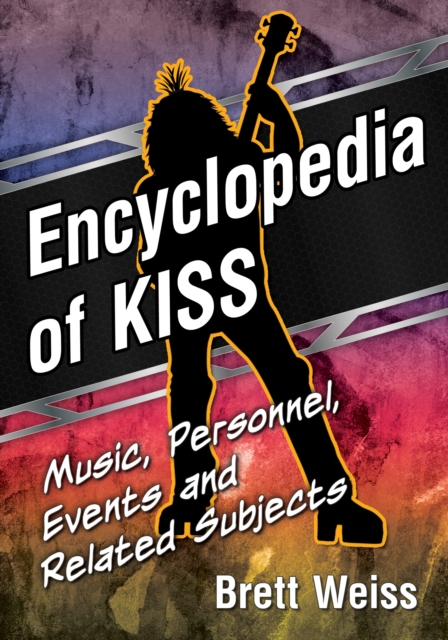
The self-proclaimed "e;Hottest Band in the World,"e; KISS is one of the most popular groups in the history of rock, having sold more than 100 million albums during their more than 40-year reign.