The Wild Wild West premiered on CBS in 1965, just as network dominance of television Westerns was waning and the global James Bond phenomenon was in full force.
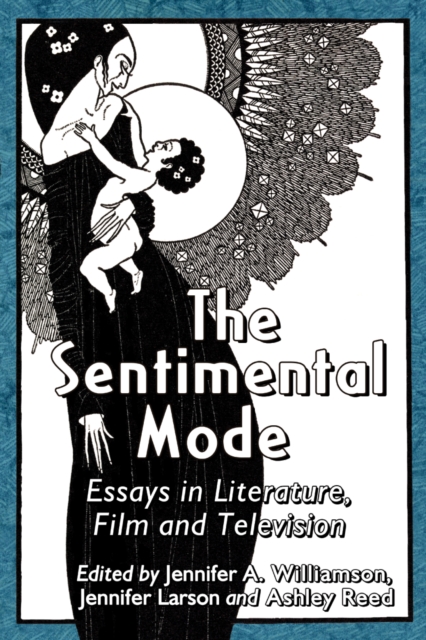
This collection of new essay examines how authors of the 20th and 21st centuries continue the use of sentimental forms and tropes of 19th century literature.
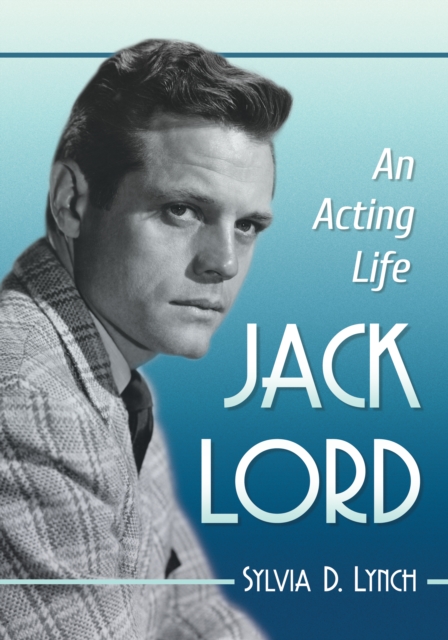
Before his rise to superstardom portraying Detective Steve McGarrett on the long-running police drama Hawaii Five-O, Jack Lord was already a dedicated and versatile actor on Broadway, in film and on television.
One of FX's most successful original productions, Sons of Anarchy roared onto the screen in 2008 and dominated the cable network's programming for seven seasons.
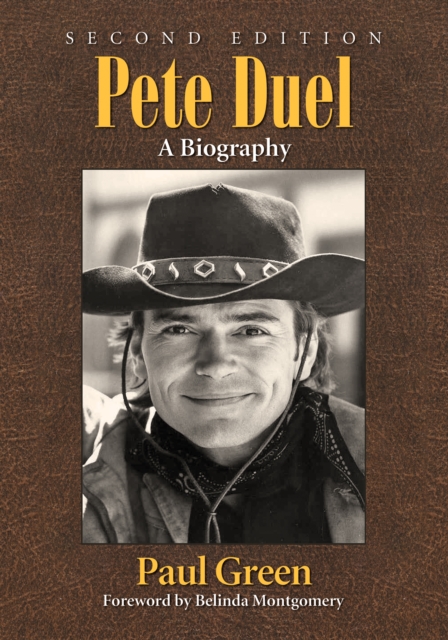
Most widely known for his starring role as outlaw Hannibal Heyes in television's Alias Smith and Jones (1971-1973), actor Pete Duel (originally Peter Deuel) led an unpredictable and often tumultuous life, cut short by his highly publicized suicide on New Year's Eve 1971, at the height of his celebrity.
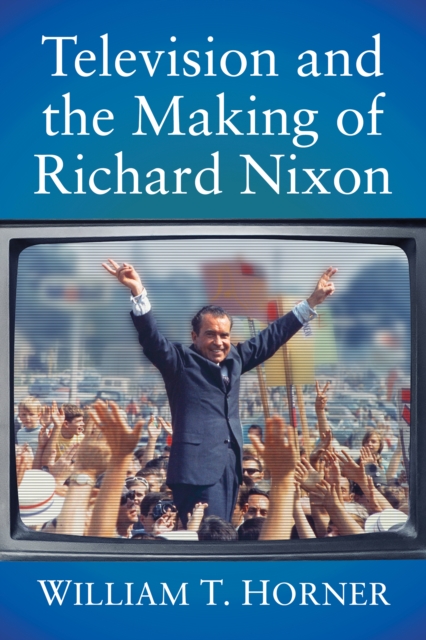
While Richard Nixon's accomplishments and shortcomings are well-documented, one often ignored aspect of his career is his influence on the media conduct of politicians.
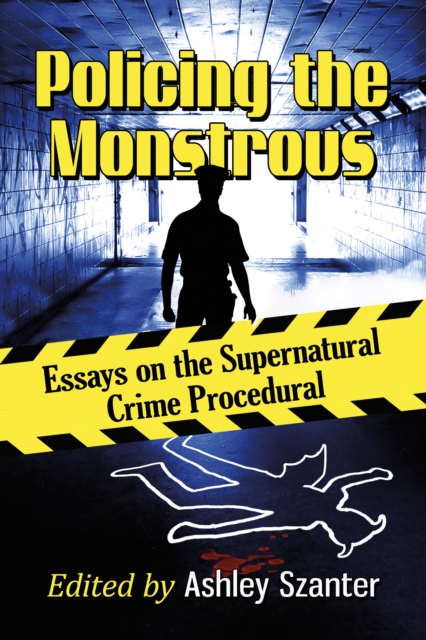
This collection of new essays examines how the injection of supernatural creatures and mythologies transformed the hugely popular crime procedural television genre.
Launched in 1977 by the Christian Broadcasting Service (originally associated with Pat Robertson), the ABC Family/Freeform network has gone through a number of changes in name and ownership.
Before award-winning director Dan Curtis became known for directing epic war movies, he darkened the small screen with the horror genre's most famous soap opera, Dark Shadows, and numerous subsequent made-for-TV horror movies.
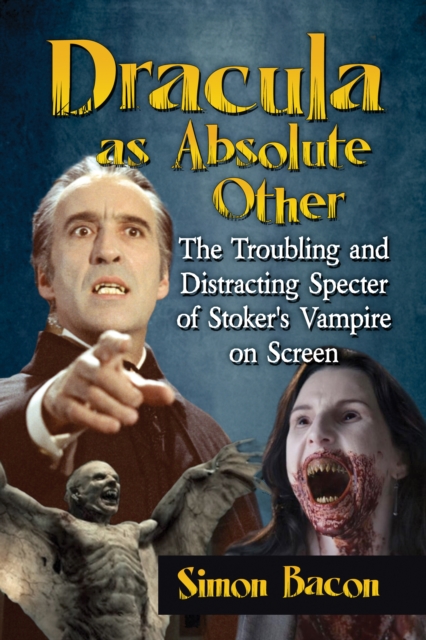
Dark, dangerous and transgressive, Bram Stoker's Dracula is often read as Victorian society's absolute Other--an outsider who troubles and distracts those around him, one who represents the fears and anxieties of the age.
This is a complete revision of the author's 1993 McFarland book Television Specials that not only updates entries contained within that edition, but adds numerous programs not previously covered, including beauty pageants, parades, awards programs, Broadway and opera adaptations, musicals produced especially for television, holiday specials (e.
When the Television Food Network launched in 1993, its programming was conceived as educational: it would teach people how to cook well, with side trips into the economics of food and healthy living.
Squirrels have made numerous appearances in mass media over the years, from Beatrix Potter's Nutkin and Timmy Tiptoes, to Rocky the flying squirrel of The Adventures of Rocky and Bullwinkle, and to Conker and Squirrel Girl of video game fame.
Vampire characters are ubiquitous in popular culture, serving as metaphors for society's most sensitive subjects--sexuality, gender roles, race, ethnicity, class--and often channeling widespread fears of immigration, crime, terrorism and addiction.
As a wildly popular local dance show, Soul Train provided a venue for Chicago's soul singers and political activists and gave African American teenagers their first significant chance to see and identify with their peers on television.
For the major broadcast networks, the heyday of made-for-TV movies was 20th Century programming like The ABC Movie of the Week and NBC Sunday Night at the Movies.
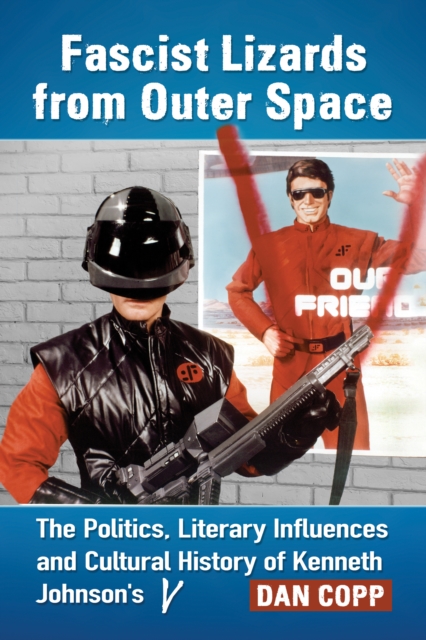
When Kenneth Johnson's science fiction miniseries V premiered in 1983, it netted more than 40 percent of the television viewing audience and went on to spawn a sequel, a weekly series, novelizations, comic books and a remake.
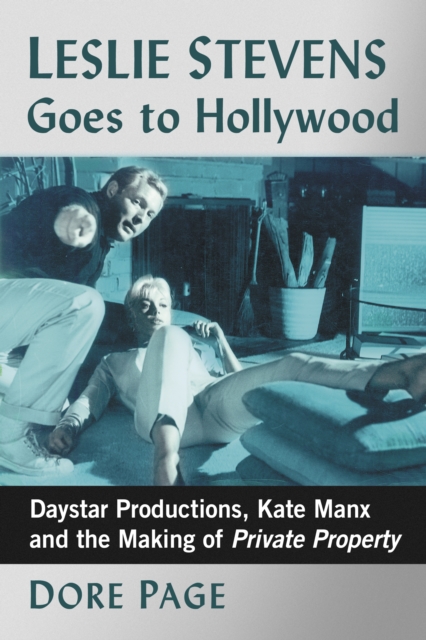
The ongoing popularity of Leslie Stevens' 1960s television masterwork The Outer Limits, as well as later series creations Battlestar Galactica and Buck Rogers in the 25th Century, has kept his name familiar to television fans.
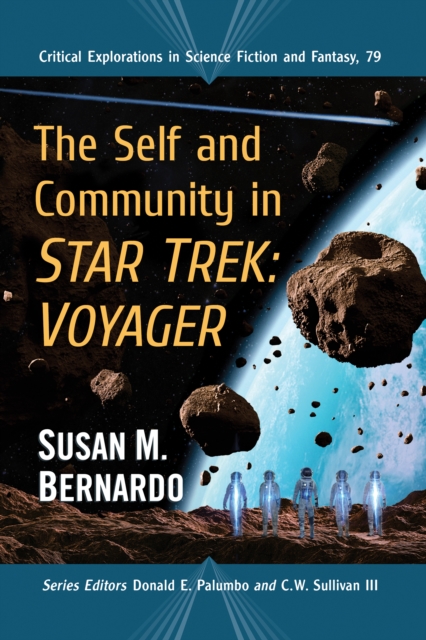
After they are pulled 70,000 light-years away from Alpha Quadrant, the captain and crew of Star Trek: Voyager must travel homeward while exploring new challenges to their relationships, views of others, and themselves.
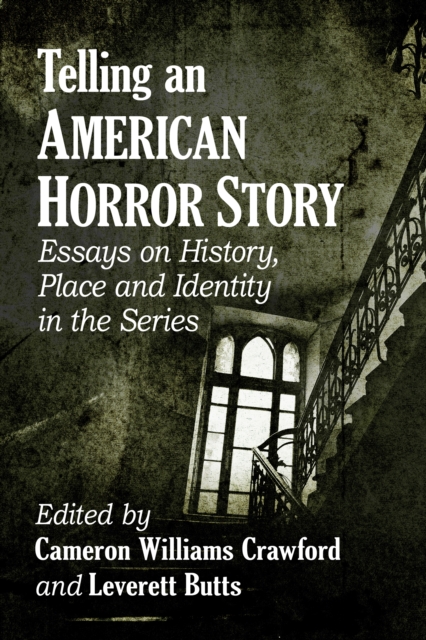
Telling an American Horror Story collects essays from new and established critics looking at the many ways the horror anthology series intersects with and comments on contemporary American social, political and popular culture.
The Wire's provocative subject matter, layered narrative and explicit critiques of American socio-economic institutions make it one of the most teachable television series in recent years.
This collection of new essays focuses on The CW network's hit television series Arrow--based on DC Comic's Green Arrow--and its spin-offs The Flash, DC's Legends of Tomorrow and Supergirl.