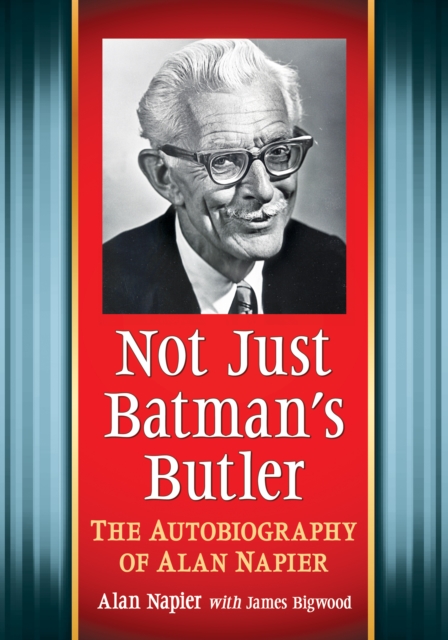
In January 1966, Alan Napier became a household name on ABC's hit series Batman (1966-1968) as Alfred Pennyworth, loyal butler to the show's title character.
Following on author Peter Rollins' motto "e;If it isn't popular, it isn't culture,"e; this collection of new essays considers Vince Gilligan's award-winning television series Breaking Bad as a landmark of Western culture--comparable to the works of Shakespeare and Dickens in their time--that merits scholarly attention from those who would understand early the 21st century zeitgeist.
A couple of generations ago, the movie industry ran on gut instinct--film schools, audience research departments and seminars on screenwriting were not yet de rigueur.
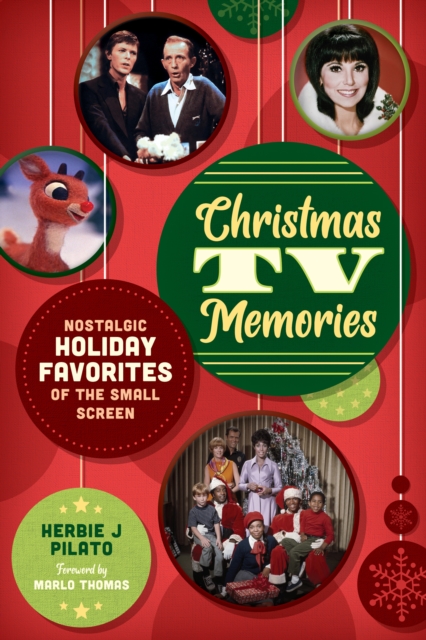
As television grew more enticing for both viewers and filmmakers in the 1950s, several independent film producers with knowledge of making low-cost films and radio shows transferred their skills to producing shows for the small screen.
In 2016, Netflix--with an already enormous footprint in the United States--expanded its online streaming video service to 130 new countries, adding more than 12 million subscribers in nine months and bringing its total to 87 million.
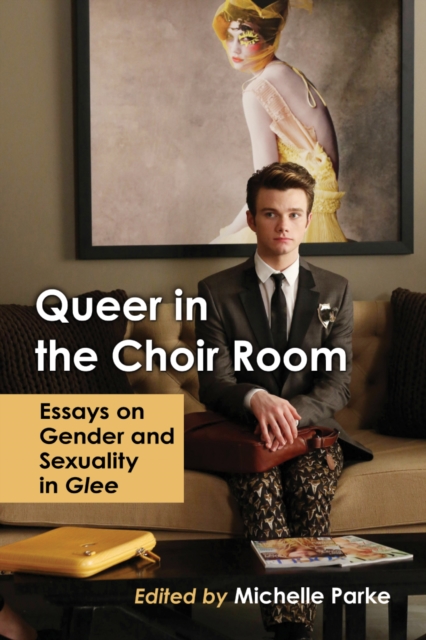
These new essays examine the many ways that issues of gender and sexuality intersect with other identities and practices--including race, religion, disability, music and education--on the Fox hit program Glee.
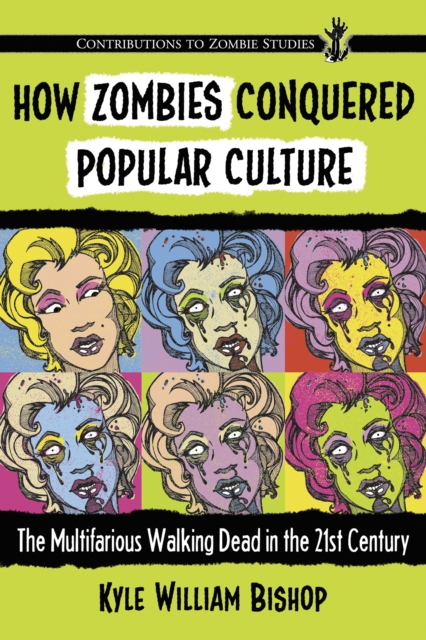
Since the early 2000s, popular culture has experienced a "e;Zombie Renaissance,"e; beginning in film and expanding into books, television, video games, theatre productions, phone apps, collectibles and toys.
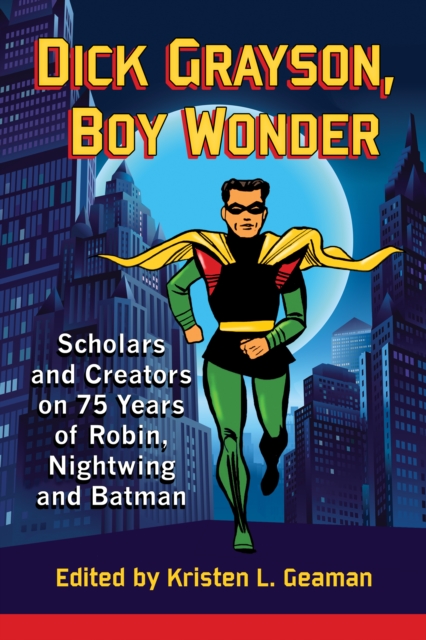
Dick Grayson--alter-ego of the original Robin of Batman comics--has gone through various changes in his 75 years as a superhero but has remained the optimistic, humorous character readers first embraced in 1940.
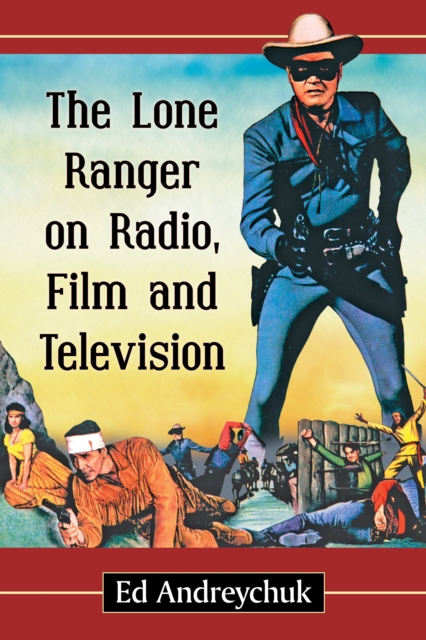
The Lone Ranger has endured as an iconic figure in American popular culture, from his 1933 premier as a radio serial hero through a highly-rated television series (1949-1957) to a 2013 feature film.
In the early days of television, suburban families welcomed TV into their homes as an electronic babysitter that would also teach their children about the world.
This critical examination of two dystopian television series--Black Mirror and Electric Dreams--focuses on pop culture depictions of technology and its impact on human existence.
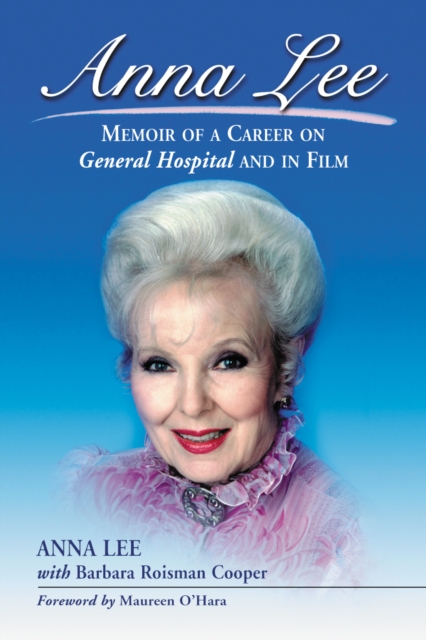
Born Joan Boniface Winnifrith on January 2, 1913, Anna Lee is best known for her portrayal of General Hospital's Lila Quartermaine, a character who she brought to life for over two decades.
A staple of television since the early years of the BBC, British crime drama first crossed the Atlantic on public broadcasting stations and specialty cable channels, and later through streaming services.
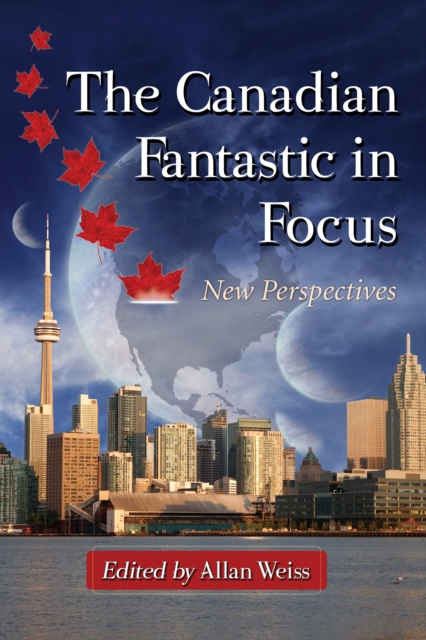
Bringing together papers presented at the Academic Conference on Canadian Science Fiction and Fantasy from 2005 to 2013, this collection of essays includes Veronica Hollinger's keynote address, "e;The Body on the Slab,"e; and Robert Runte's Aurora Award-winning paper, "e;Why I Read Canadian Speculative Fiction,"e; along with 15 other contributions on science fiction and fantasy literature, television and music by Canadian creators.
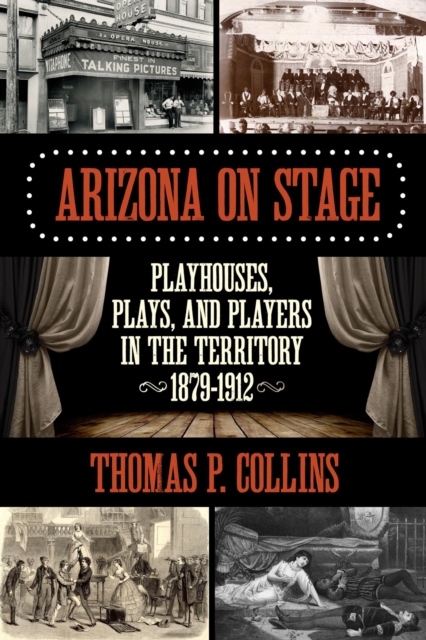
Most of the books that have been written about territorial Arizona and the southwest focus on the Indian Wars, outlaws, violent crimes, gambling, saloons, and bawdy houses.
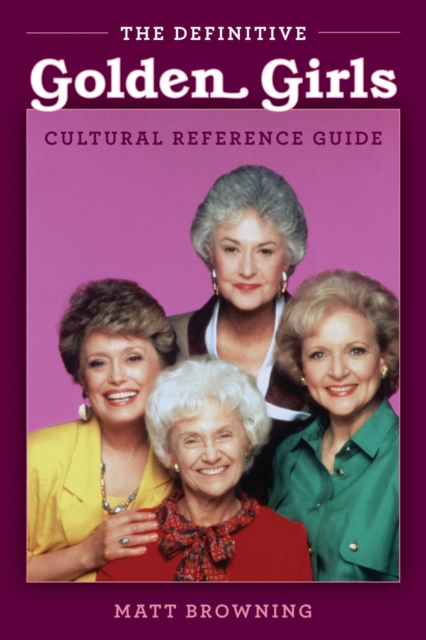
The Definitive Golden Girls Cultural Reference Guide is an in-depth look at the hundreds of topical references to people, places, and events that make up many of the funniest lines from the ever-popular television series, The Golden Girls.
A Guide to Screenwriting Success, Second Edition provides a comprehensive overview of writing-and rewriting-a screenplay or teleplay and writing for digital content.
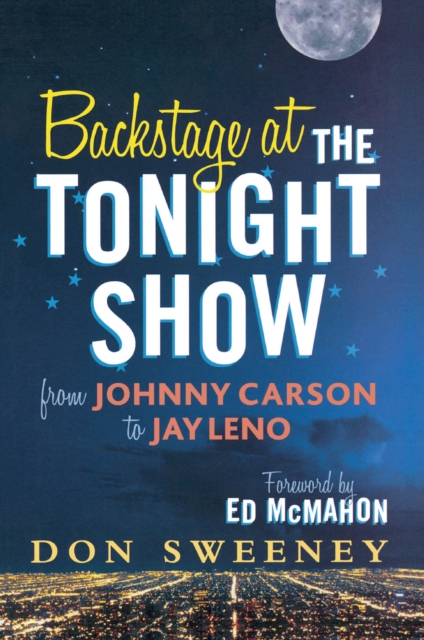
This book is a collection of celebrity vignettes and anecdotes from the peak years of the Tonight Show, and includes behind-the-scenes looks at more than two dozen celebrities, including Joan Rivers, Bill Cosby, Frank Sinatra, Ray Charles, Tony Randall, Don Rickles, Stevie Wonder, Martin Short, Liza Minnelli, Ed McMahon, and Johnny Carson himself.
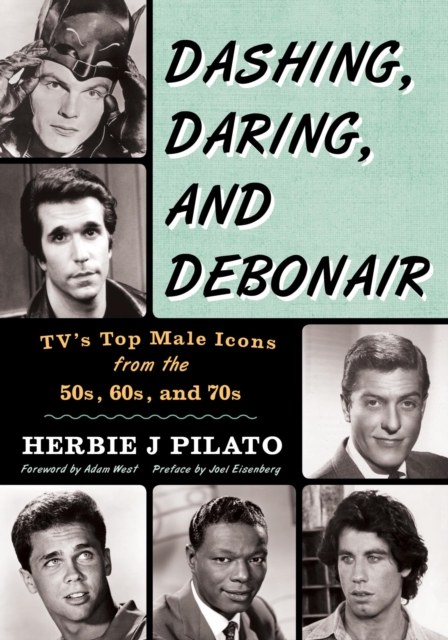
Be they actors, comedians, singers, dancers, or talk show hosts and personalities, everyone from George Burns and Milton Berle to Jack Benny and Jackie Gleason to Sid Caesar and Caesar Romero ignited their own particular brand of ';man-erisms.
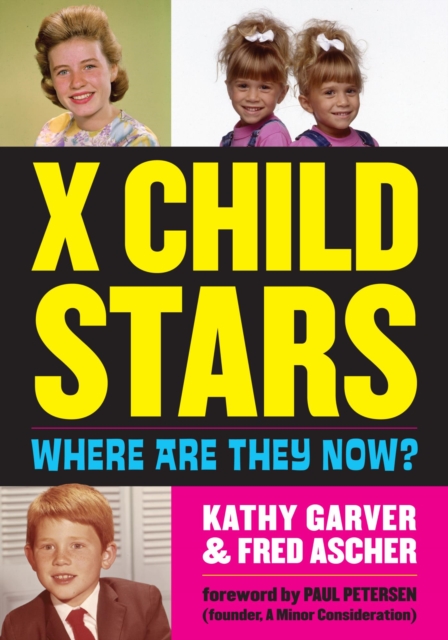
This enlightening book is the go-to guide for fans for biographical information, rare photos, and interesting trivia about their favorite child stars, shows, series, networks, and the times that defined the shows.
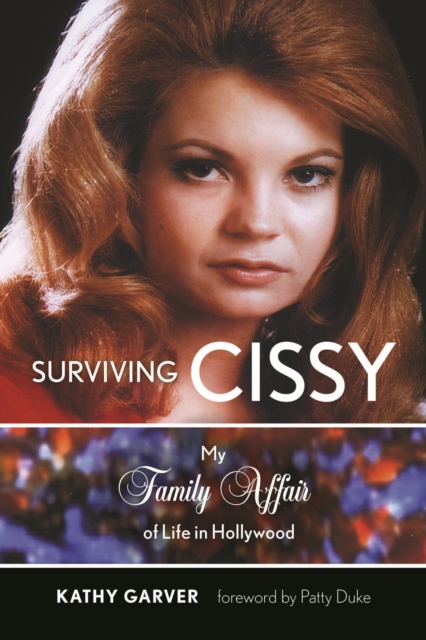
Kathy Garver, the teenage heartthrob from the hit series Family Affair (19661971), was no one-hit wonder, but a journeywoman actress who appeared in such classic films as Night of the Hunter and The Ten Commandments long before she became a television icon.
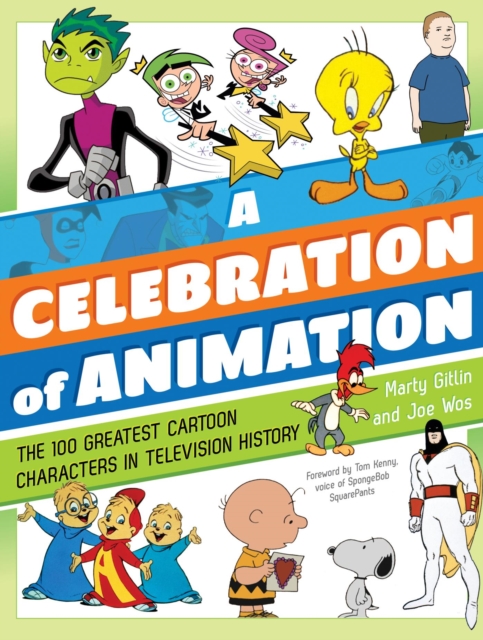
Few morose thoughts permeate the brain when Yosemite Sam calls Bugs Bunny a ';long-eared galut' or a frustrated Homer Simpson blurts out his famous catch-word, ';D'oh!
Notwithstanding the challenges of a limited population size and the struggle to fund such costly forms of screen production as high-end film and television, both of these New Zealand screen industries have been the site of significant expectation, achievement and cultural influence.
Digital Film and Television Culture introduces a new framework for the aesthetic and cultural analysis of contemporary film and serial drama, stars on social media and movie awards shows.
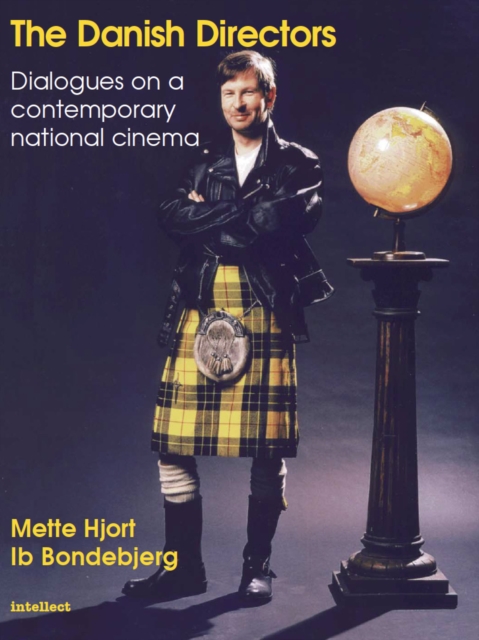
Profiling the canonized figures alongside recently-established filmmakers, this collection features interviews with Lars von Trier, S ren Kragh-Jacobsen, Thomas Vinterberg and Henning Carlsen among many others.
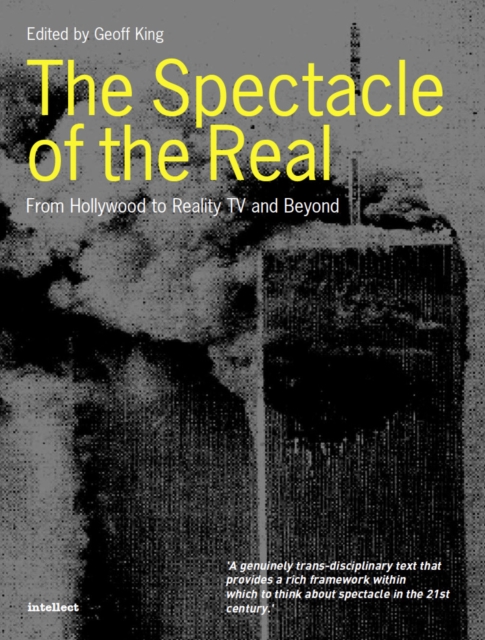
Hollywood special effects offer spectacular creations or re-creations that make claims to our attention on the grounds of their 'incredible-seeming reality'.