At a stage of major change in the world of television (the coming of digital TV, multiple channels, mobile TV on cellphones) this book seeks to take stock of the impact of the advent and presence of television on daily life over the past fifty years, or slightly longer.
Although ostensibly presented as “light entertainment,” the work of writer-director-producer Joss Whedon takes much dark inspiration from the horror genre to create a unique aesthetic and perform a cultural critique.
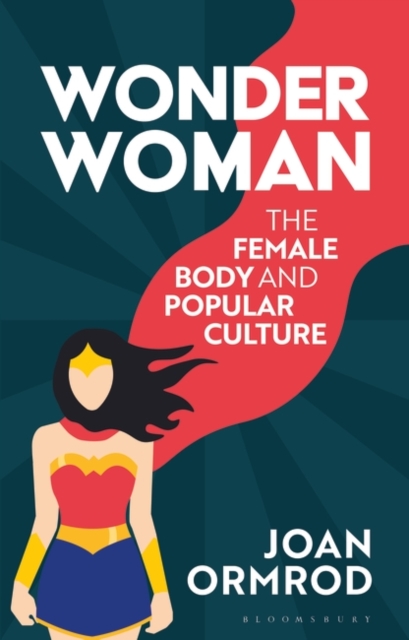
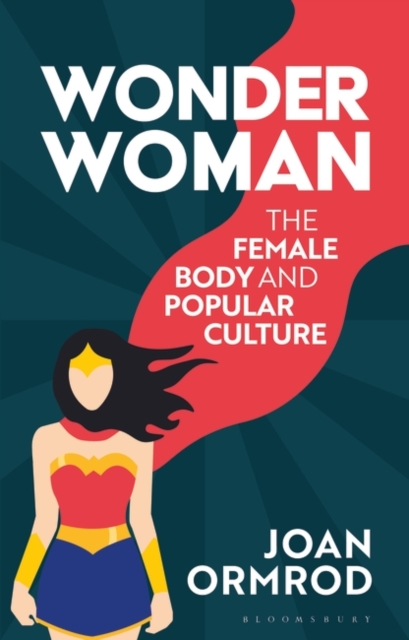
Wonder Woman was created in the early 1940s as a paragon of female empowerment and beauty and her near eighty-year history has included seismic socio-cultural changes.
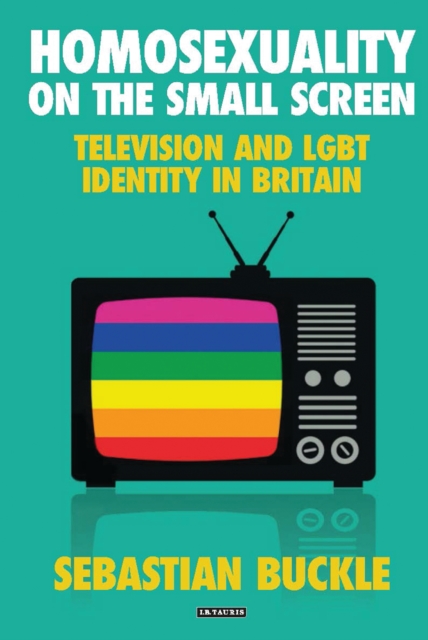
Television provides a unique account of the development of a homosexual identity across the western world, emerging as it did when ideas around sex and sexuality were themselves only just beginning to be publicly discussed.
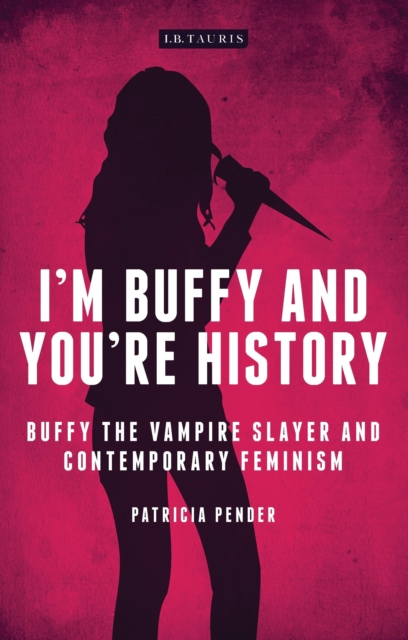
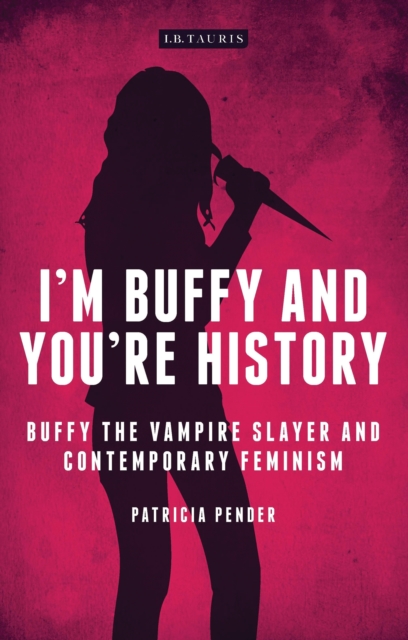
Buffy the Vampire Slayer gave contemporary TV viewers an exhilarating alternative to the tired cultural trope of a hapless, attractive blonde woman victimized by a murderous male villain.
Wonder Woman was created in the early 1940s as a paragon of female empowerment and beauty and her near eighty-year history has included seismic socio-cultural changes.
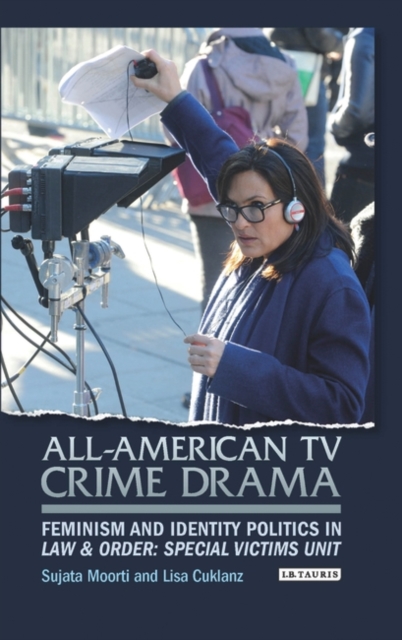
Law and Order Special Victims Unit (SVU) is more popular than any other American police procedural television series, but how does its unique focus on sex crimes reflect contemporary popular culture and feminist critique, whilst also recasting the classic crime narrative?
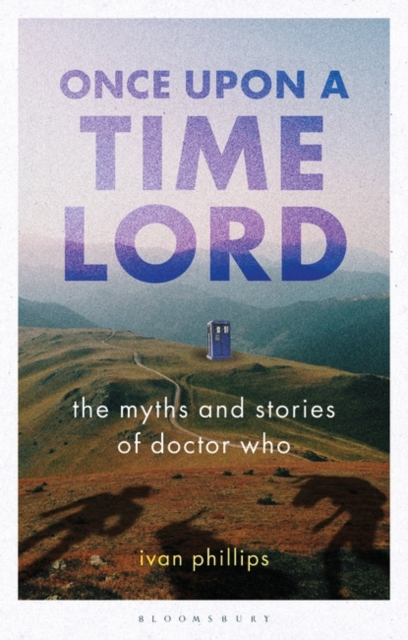
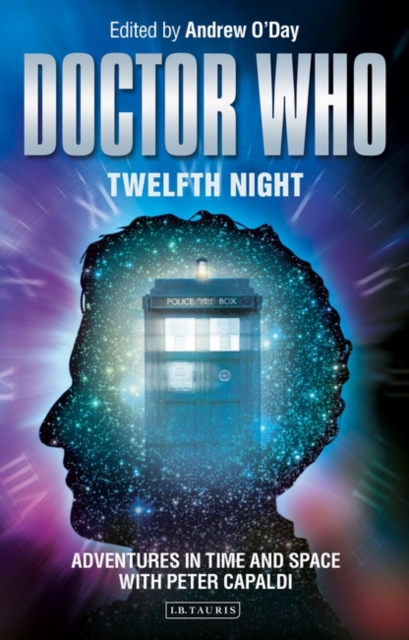
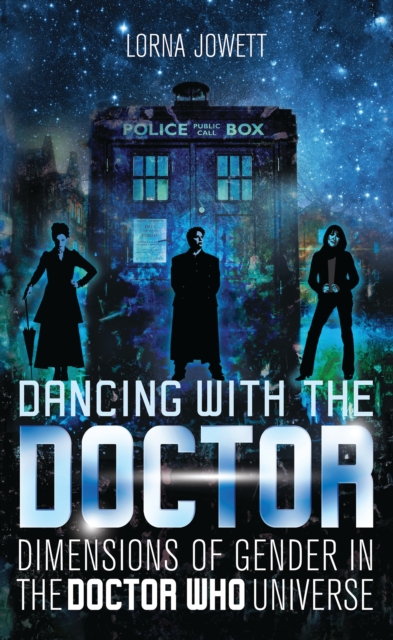
Lorna Jowett delves into the distinctive stories and characters, including the Doctors themselves, their female and male companions, Captain Jack Harkness, Missy, Sarah Jane and her young comrades.
Drawing worldwide acclaim from critics and audiences alike, programmes like The Killing, Borgen, The Bridge and The Legacy demonstrate widespread fascination with Danish style, aesthetics and culture as seen through television narratives.
Although ostensibly presented as “light entertainment,” the work of writer-director-producer Joss Whedon takes much dark inspiration from the horror genre to create a unique aesthetic and perform a cultural critique.
Television provides a unique account of the development of a homosexual identity across the western world, emerging as it did when ideas around sex and sexuality were themselves only just beginning to be publicly discussed.
Law and Order Special Victims Unit (SVU) is more popular than any other American police procedural television series, but how does its unique focus on sex crimes reflect contemporary popular culture and feminist critique, whilst also recasting the classic crime narrative?
Lorna Jowett delves into the distinctive stories and characters, including the Doctors themselves, their female and male companions, Captain Jack Harkness, Missy, Sarah Jane and her young comrades.
In recent years, the representation of alternative sexuality in the horror film and television has "e;outed"e; itself from the shadows from which it once lurked, via the embrace of an outrageously queer horror aesthetic where homosexuality is often unequivocally referenced.
Buffy the Vampire Slayer gave contemporary TV viewers an exhilarating alternative to the tired cultural trope of a hapless, attractive blonde woman victimized by a murderous male villain.
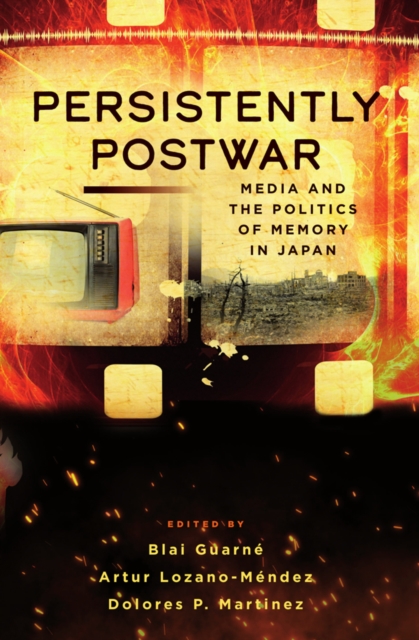
From melodramas to experimental documentaries to anime, mass media in Japan constitute a key site in which the nation s social memory is articulated, disseminated, and contested.
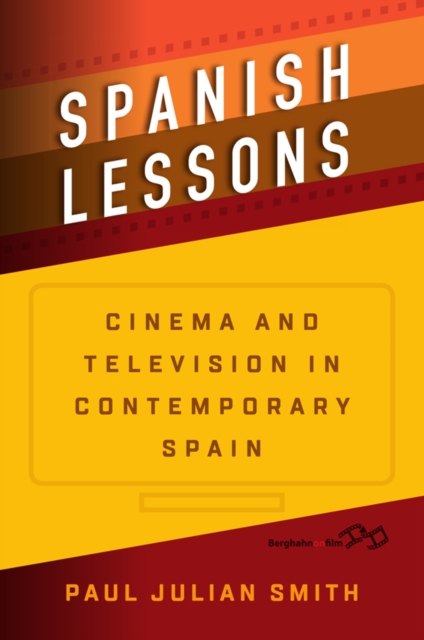
Though unjustly neglected by English-language audiences, Spanish film and television not only represent a remarkably influential and vibrant cultural industry; they are also a fertile site of innovation in the production of transmedia works that bridge narrative forms.
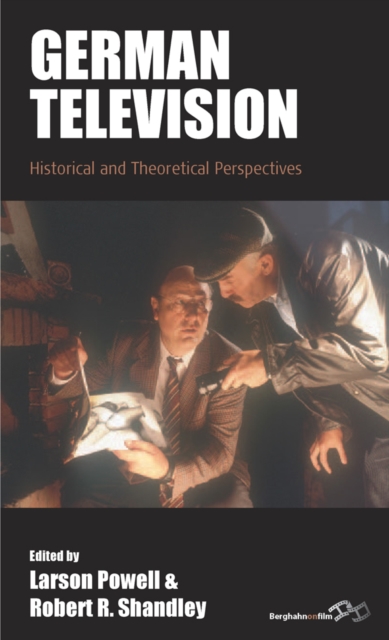
Long overlooked by scholars and critics, the history and aesthetics of German television have only recently begun to attract serious, sustained attention, and then largely within Germany.
Enjoy the taste of the cult classic TV series Twin Peaks with more than 100 recipes inspired by the show's scenes and characters - including Maple Ham Pancakes, Coffee Donuts, Icelandic Hangikjot, Percolator Fish Supper and Chocolate Chestnut Log.
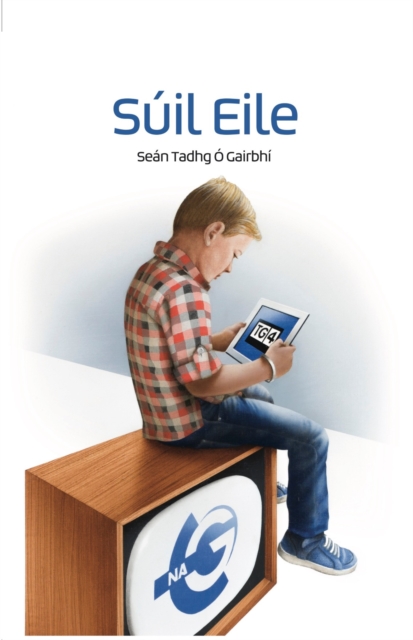
Based on new research and on interviews with those who have the inside story about the founding and development of TG4, Súil Eile gives a lively, no-nonsense account of Irish language TV in the last twenty years.
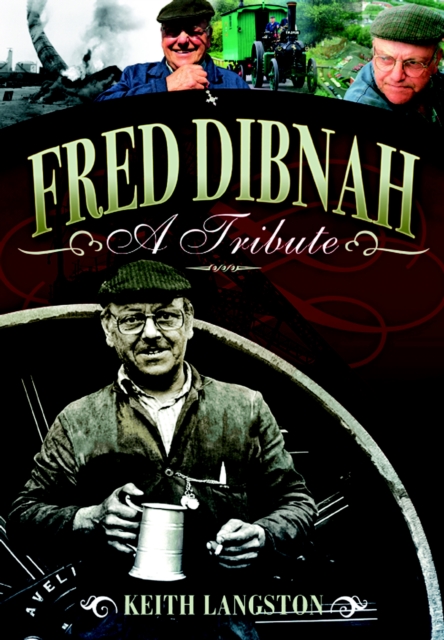
Mid-Cheshire based heritage transportation specialist photographer and feature writer Keith Langston traveled extensively with Fred Dibnah during the filming of his last TV series, 'Made in Britain.
Mid-Cheshire based heritage transportation specialist photographer and feature writer Keith Langston traveled extensively with Fred Dibnah during the filming of his last TV series, 'Made in Britain.