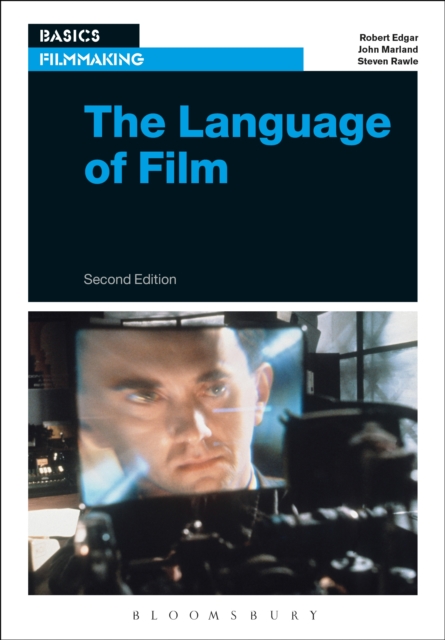
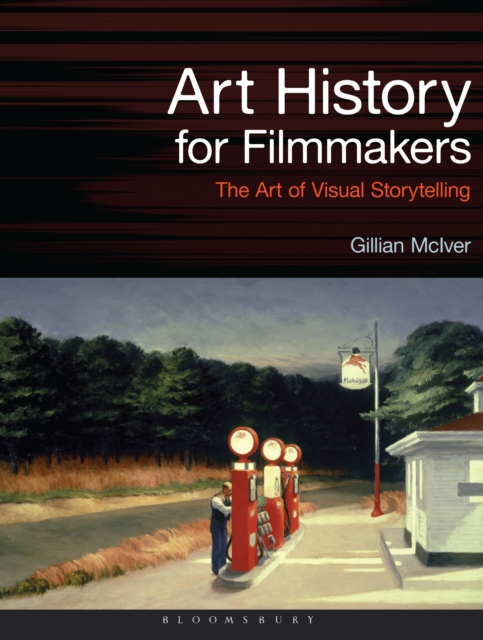
An effective filmmaker needs to have a good understanding of how film language works, and more importantly, how to actively influence an audience's thoughts and feelings and guide their gaze around the screen.
Since cinema's earliest days, literary adaptation has provided the movies with stories; and so we use literary terms like metaphor, metonymy and synecdoche to describe visual things.
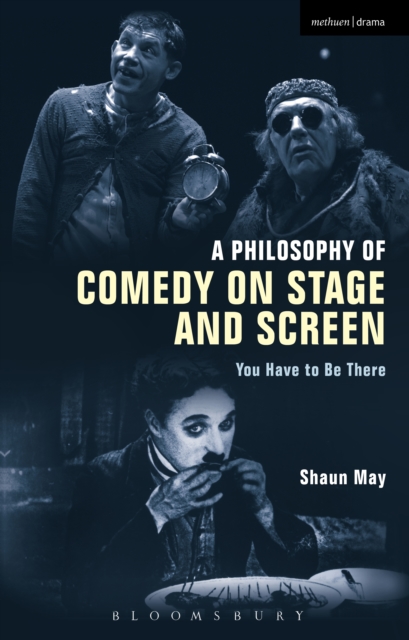
As far as we know, only human beings have a sense of humour – although chimps might laugh when tickled, and dogs respond similarly in play, Seth McFarlane's fan-base is comprised exclusively of humans.
As far as we know, only human beings have a sense of humour – although chimps might laugh when tickled, and dogs respond similarly in play, Seth McFarlane's fan-base is comprised exclusively of humans.
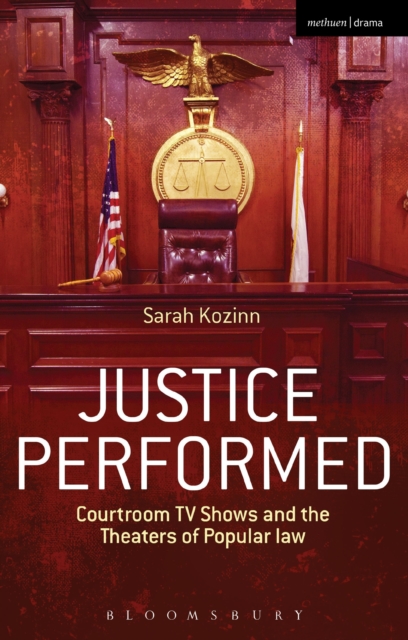
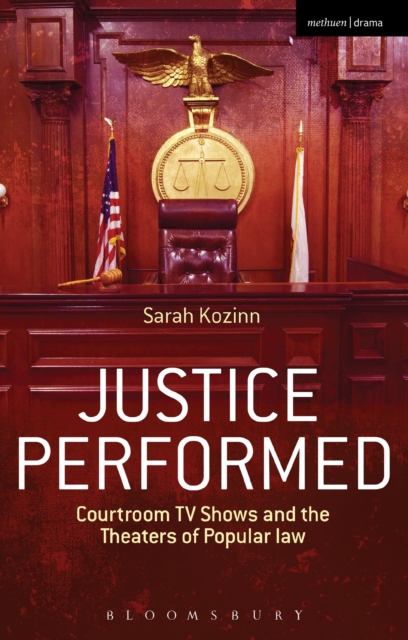
Justice Performed: Courtroom TV Shows and the Theaters of Popular Law is the first study of the reality TV genre to trace its theatrical legacy, connecting the phenomenon of the daytime TV shows to a long history of theatrical trials staged to educate audiences in pedagogies of citizenship.
Justice Performed: Courtroom TV Shows and the Theaters of Popular Law is the first study of the reality TV genre to trace its theatrical legacy, connecting the phenomenon of the daytime TV shows to a long history of theatrical trials staged to educate audiences in pedagogies of citizenship.
'An essential addition to your library' Russell Norman'A genuine ode, written with style and substance in equal measure' Gill Meller'A joy filled double whammy.
From the Fab Five - the beloved hosts of Netflix's viral hit Queer Eye - comes a book, and an official guide, that is at once a behind-the-scenes exclusive, a practical guide to living and celebrating your best life, and a symbol of hope.
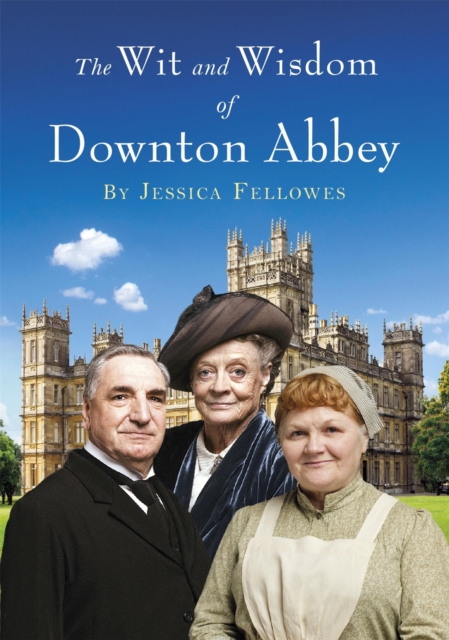
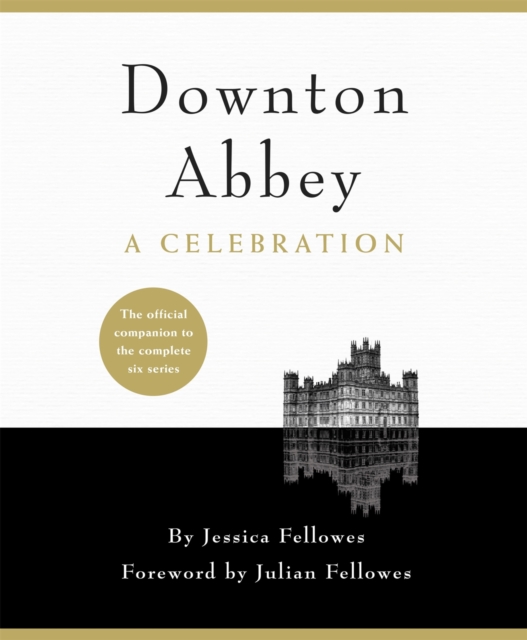
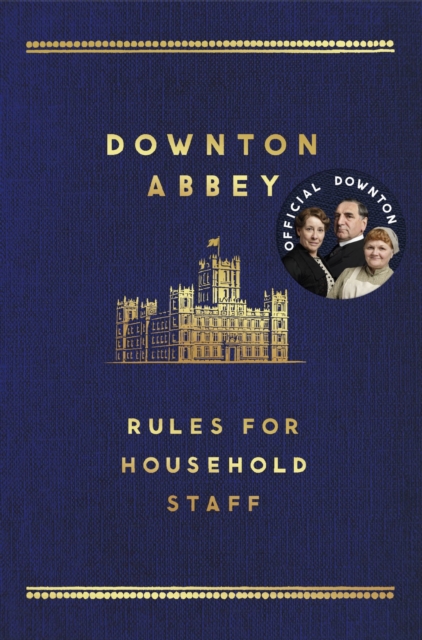
Since the moment we first entered Downton Abbey in 1912, we have been swept away by Julian Fellowes' evocative world of romance, intrigue, drama and tradition.
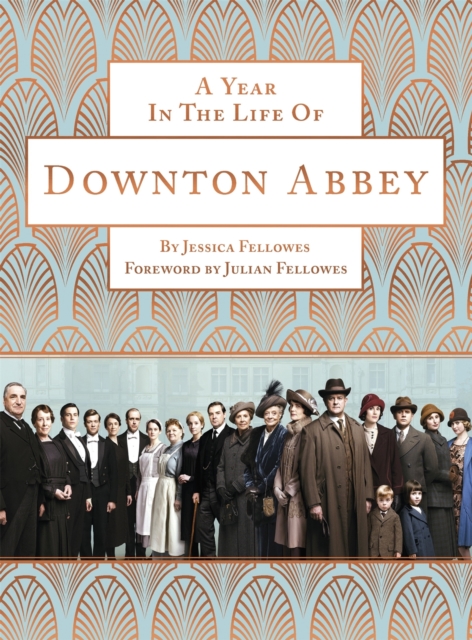
It's 1924 and there have been many changes in the world of Downton Abbey since we were first welcomed by the family and their servants twelve years ago.
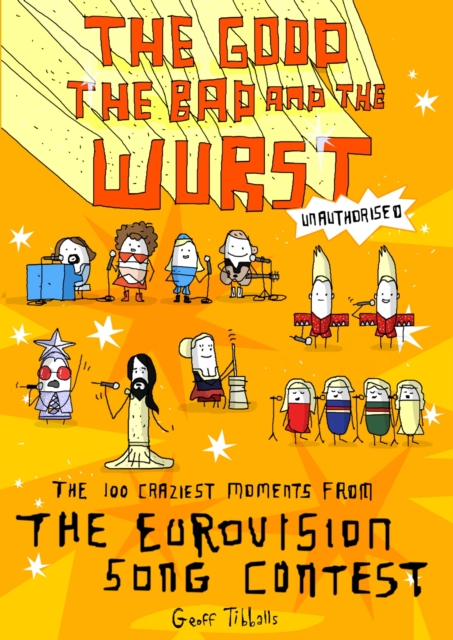
Sixty extraordinary years of Eurovision, from C line Dion to Dustin the Turkey, from Abba to Conchita Wurst - the drag acts, the bad acts and all the nul points heroes.
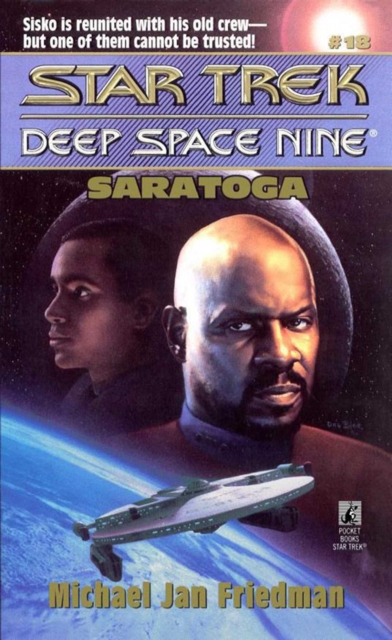
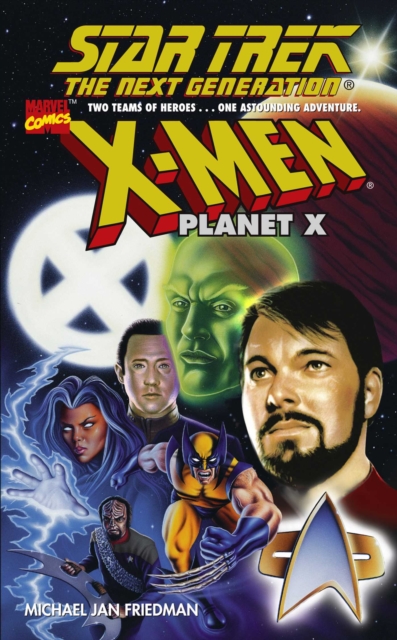
Michael Jan Friedman is the author of nearly sixty books of fiction and nonfiction, more than half of which bear the name Star Trek or some variation thereof.
When a fatal disease spreads over Bajor, threatening the entire planet with extinction, Captain Sisko must accept aid from an unexpected source: Ro Laren, Starfleet officer turned Maquis renegade.
A hundred years before the Starship VoyagerTM was transported to the Delta Quadrant, Lieutenant Tuvok served under one of Starfleet's most famous officers: Captain Hikaru Sulu of the Starship ExcelsiorTM.
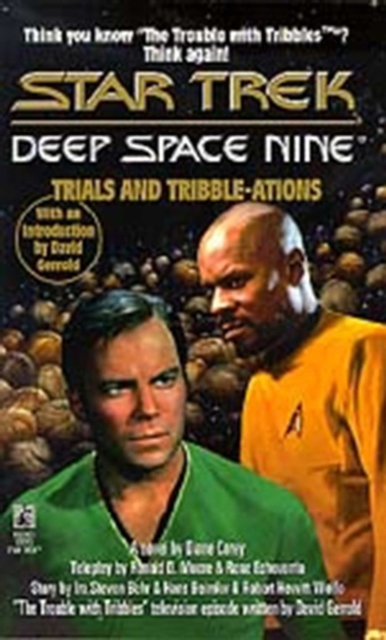
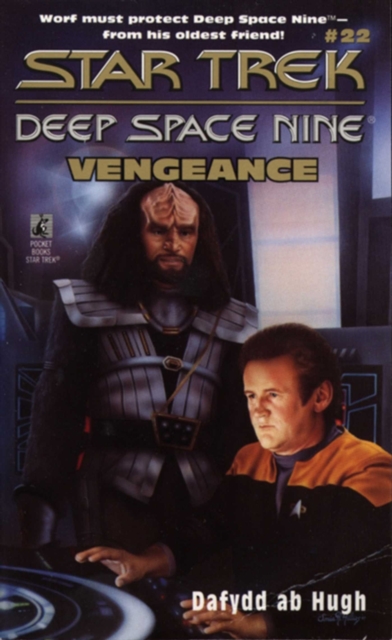
Rumors of a secret alliance between the Dominion and the Klingon Empire lure Captain Sisko and the crew of the Defiant on a desperate mission into the Gamma Quadrant, leaving Deep Space None vulnerable to a surprise sneak attack!
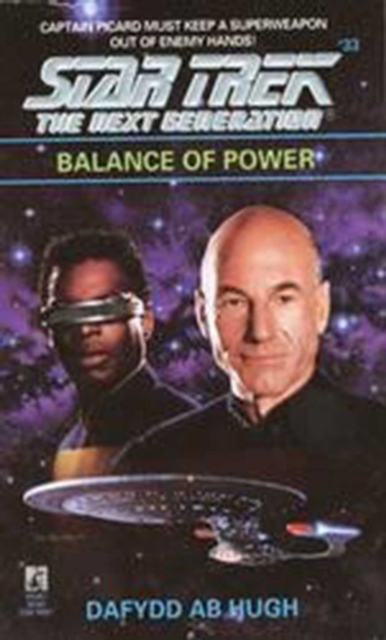
When a famous Federation scientist dies, his son puts his inventions up for sale to the highest bidder, be they Federation, Klingon, Romulan, or Cardassian.
When a ferocious plasma storm strikes the entire Bajoran system, Deep Space NineTMbecomes a port under siege, filled to overflowing with stranded space travelers, unpredictable aliens, and Klingon smugglers.
{\rtf1\ansi\ansicpg1252\deff0{\fonttbl{\f0\froman\fcharset0 Times New Roman;}{\f1\fnil\fcharset0 Arial;}} \viewkind4\uc1\pard\sb100\sa100\lang2057\f0\fs24 Every year, Starfleet Academy in San Francisco attracts many of the most talented and ambitious young people in the Federation.