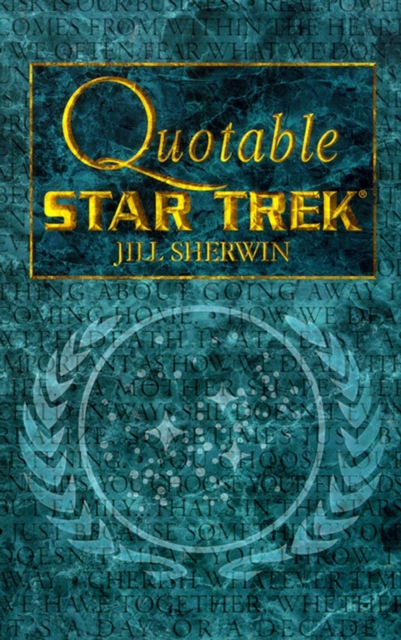
Organised into categories such as friendship, diplomacy and management, Quotable Star Trek demonstrates the truly universal appeal of Gene Roddenberry's extraordinary creation.
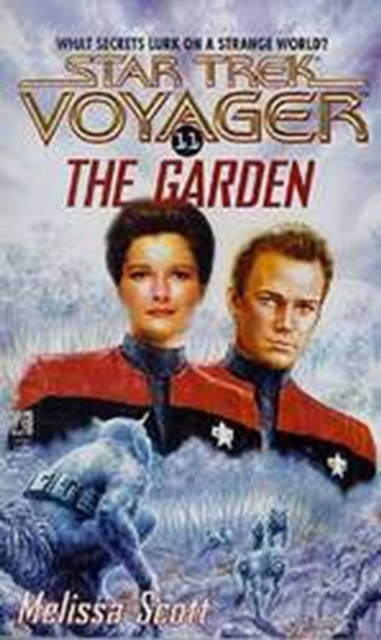
Desperately in need of vital nutritional supplies, the crew of the USS VoyagerTM must risk dealing with an enigmatic race known as the Kirse, legendary for the bountiful crops of their world - and for their secretive ways.
From 1998 to 2000, Amazing Stories, the world's oldest science fiction magazine, presented a series of original Star Trek stories written by a number of bestselling authors.
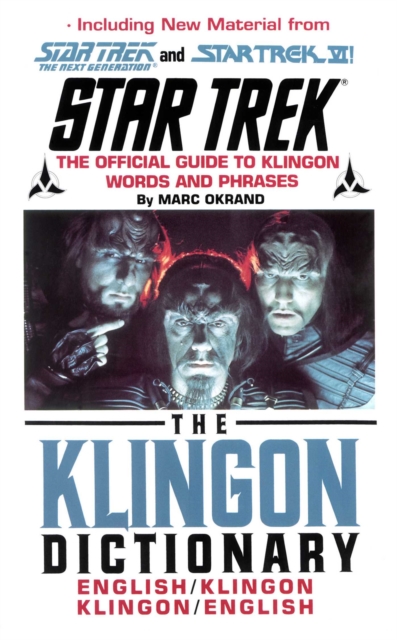
The Klingon Dictionary is the first comprehensive sourcebook for Klingon language and syntax, including fundamental rules of grammar as well as words and expressions that illustrate the complex nature of Klingon culture.
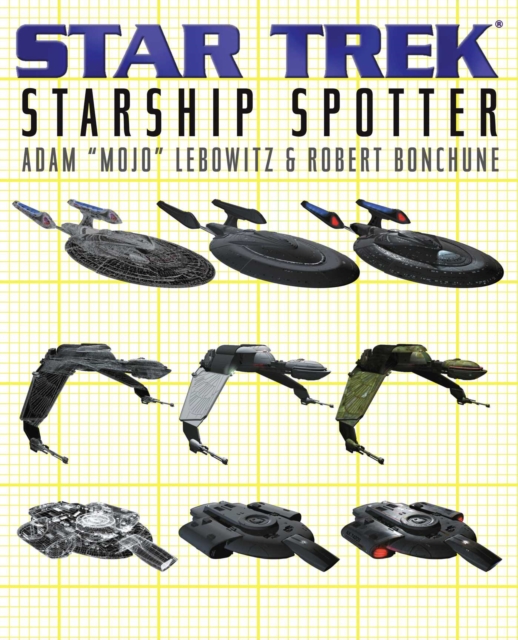
The Starship Spotter was created more than two centuries ago in the early years of deep space travel to serve as a reference guide to assorted space-going vessels.
In desperate need of crucial repairs, the Starship VoyagerTMhas come to Sardalia, a planet blessed with great natural beauty and apparently friendly inhabitants.
There's a bar called "e;The Captain's Table,"e; where those who have commanded mighty vessels of every shape and era can meet, relax, and share a friendly drink or two with others of their calling.
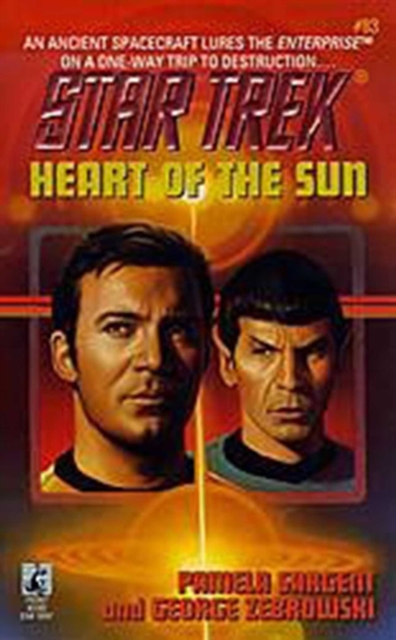
The Federation is threatened by this ancient mystery when a battered and broken version of the Defiantis found, frozen for five thousand years, in an icy cloud of cometary debris.
When Quark brokers a lucrative deal to trade trellium crystals from the Gamma Quadrant for gold-pressed latinum, the potential for profit seems too good to be true.
Against a background of an idyllic and peaceful world of eternal youth, a damaged Data goes wild, shutting down the isolation devices which conceal a Federation observation post from the native Baku.
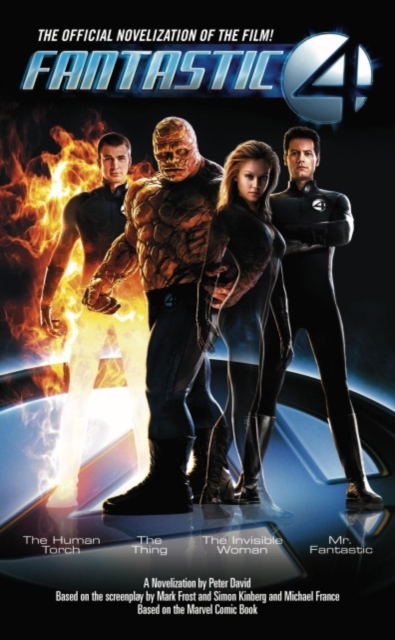
After a freak accident aboard a test flight bombards them with radiation, permanently altering their genetic structures, four adventurers use their incredible powers for the good of mankind and to protect the world from the forces of evildespite their very real problems, worries and arguments.
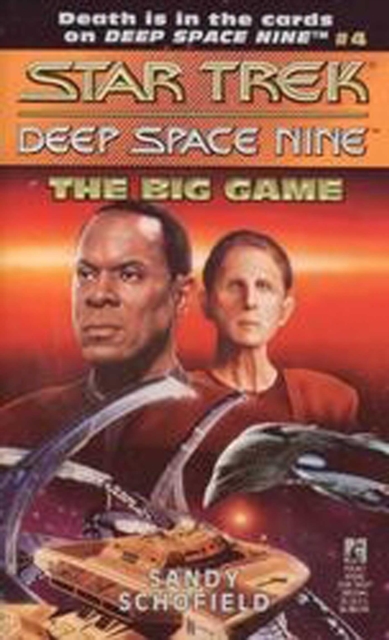
When Quark holds a poker tournament on Deep Space NineTM someone from almost every sentient race -- Klingons, Cardassians, Romulans, Vulcans, Ferengi -- shows up for what is sure to be the highest-stakes game of all time.
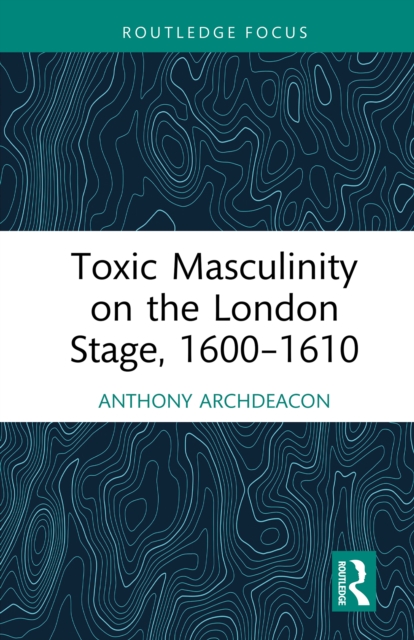
The idea of toxic masculinity might feel like a very modern, even twenty-first century notion, but similar concerns about male behaviour, also often characterised in terms of poisons and poisoning, can be identified in the literature of 400 hundred years ago, not only in Shakespeare's Othello and The Winter's Tale but also lesser-known plays that were popular on the London stage in the 1600s.
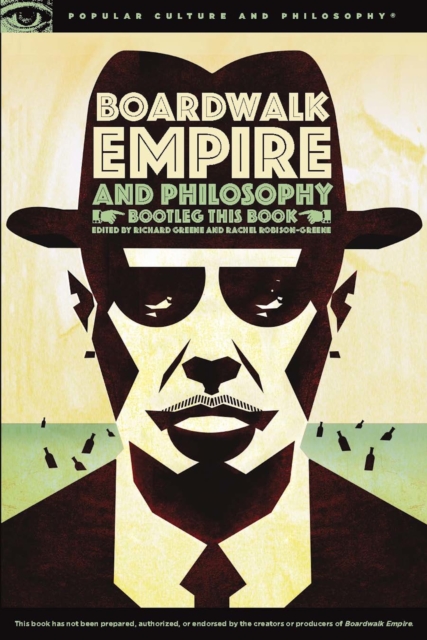
From Machiavellian city officials to big time mobsters (such as Arnold Rothstein, Lucky Luciano, and Al Capone) to corrupt beat cops to overzealous G-men to suffragettes to abolitionists to innocent citizens caught in the crossfire, Boardwalk Empire is replete with philosophically compelling characters who find themselves in philosophically interesting situations.
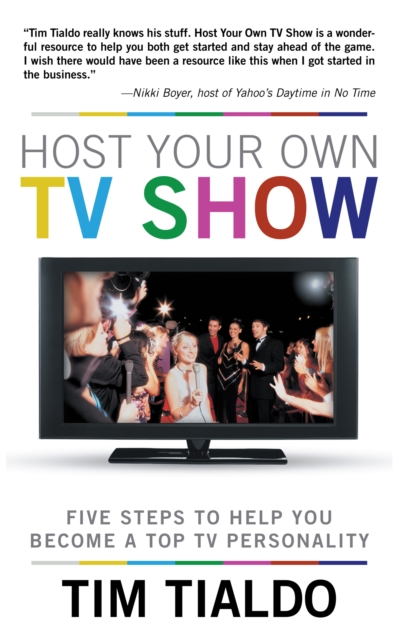
Rich and Famous in Thirty Seconds is written by a veteran of more than thirty years in show business and is filled with inside secrets and helpful tips, many not taught in university programs.
Into The Twilight Zone: The Rod Serling Programme Guide includes complete episode guides with cast, credits and story summaries of the original Twilight Zone series, as well as its many film and television revivals, and Rod Serling's Night Gallery.
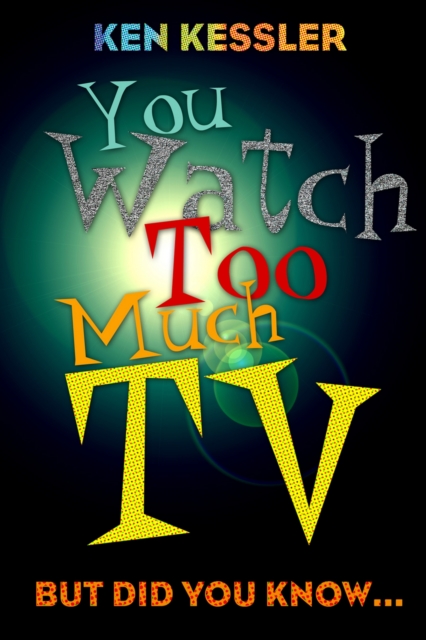
You Watch Too Much TV is a Book of Lists for the television generation, offering fun facts and quizzes on Leave It To Beaver, Everybody Loves Raymond, and just about every show in between.
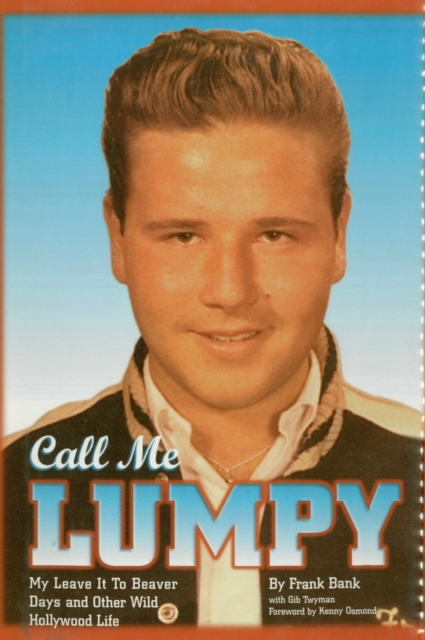
Frank Bank's story is a sometimes wild, sometimes bawdy, often poignant, always funny account of a real-life Louie Louie who led a nation to California-dreamin'.
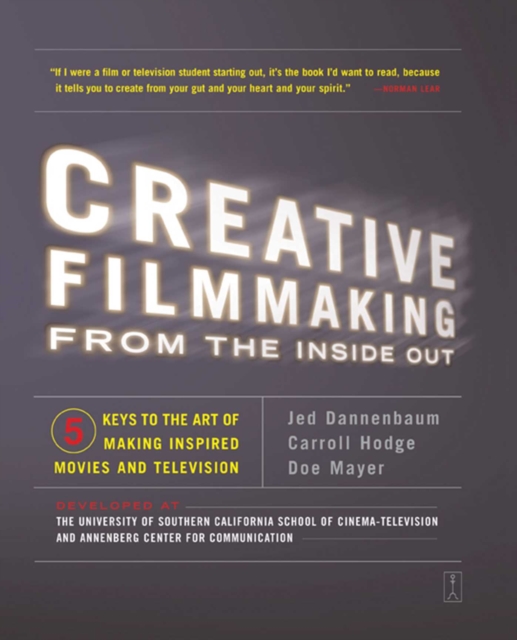
Five keys to creating authentic, distinctive work, whether you are a student, professional or simply love making films on your ownFor Creative Filmmaking from the Inside Out, three professors at the renowned University of Southern California School of Cinema-Television interviewed fifteen outstanding filmmakers, then distilled their insights into the "e;Five I's"e; of creativity.
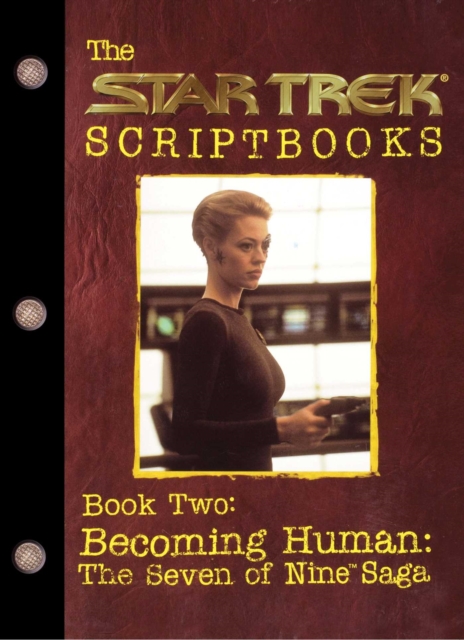
Of all the diverse races and civilizations encountered by Starfleet, none have been as fearsome and unstoppable as the cybernetic life-form known as the Borg.
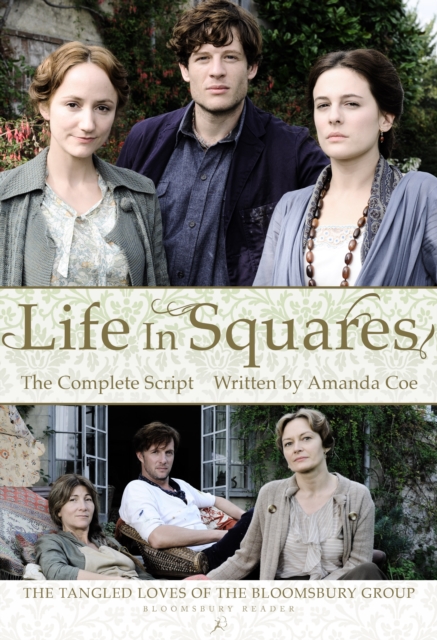
The complete script to the three part BBC television drama Life In Squares, (starring James Norton, Phoebe Fox, Eve Best and Lydia Leonard) exploring the tangled and complex loves of the Bloomsbury Group, includes an introduction by the screenwriter, Amanda Coe.
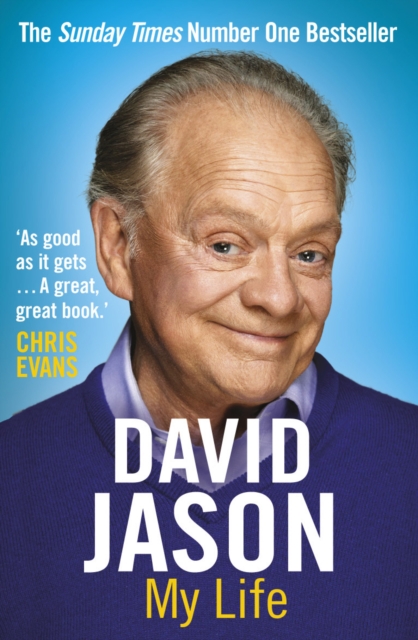
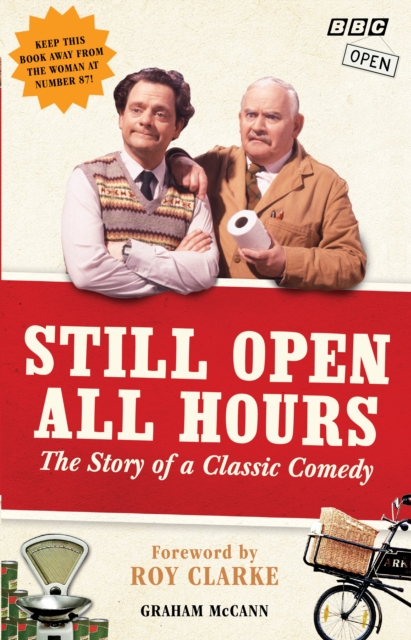
Winner of the National Book Awards Autobiography of the YearThe long-awaited autobiography of one of Britain's best-loved actors*As seen in David and Jay s Touring Toolshed on BBC Two*Born the son of a Billingsgate market porter at the height of the Second World War, David Jason spent his early life dodging bombs and bullies, both with impish good timing.
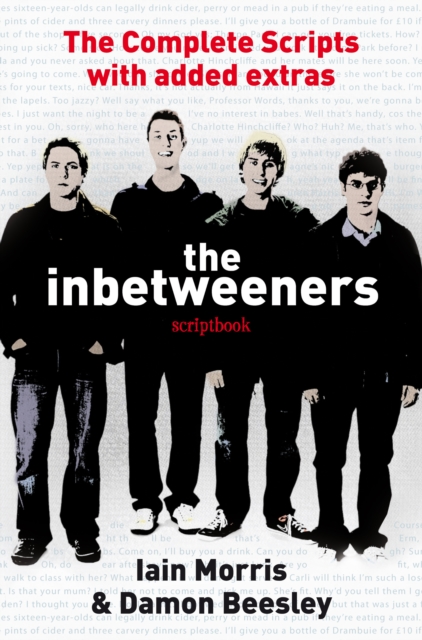
Following on from last year s huge Sunday Times bestseller, The Inbetweeners Yearbook, comes The Inbetweeners Script Book, the perfect gift for all die-hard Inbetweeners fan and lovers of fine award-winning literature.
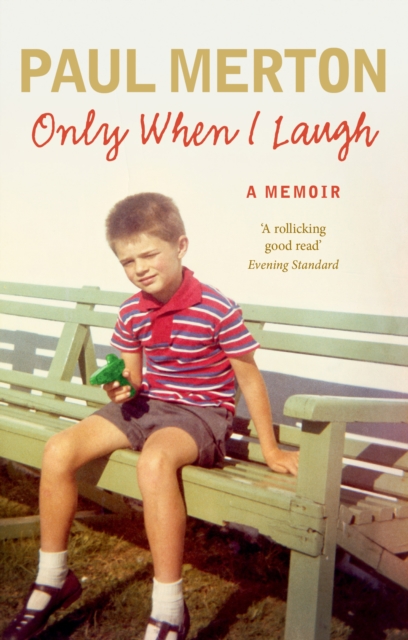
Known for his intelligent and often surreal humour, Paul Merton s weekly appearances on BBC1 s Have I Got News For You as well as Radio 4 s Just A Minute and his travel documentaries have seen him become an artfully rebellious fixture in our lives for over 25 years.