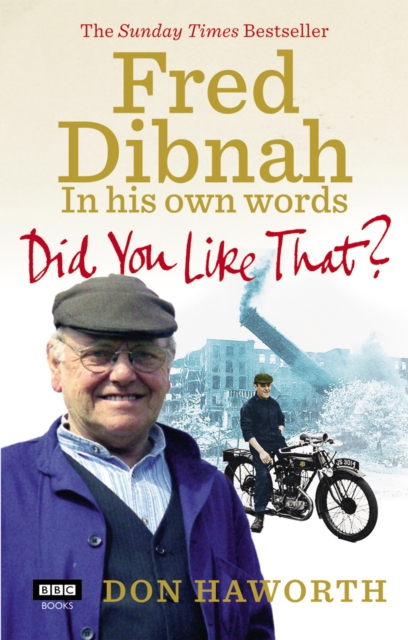
When Fred Dibnah debuted on television in 1979, British audiences immediately embraced a new cultural icon: a steeplejack from Bolton who fell in love with England's decaying industrial landscape and an exhaustive storyteller whose charm and wit was matched only by his down-to-earth manner.
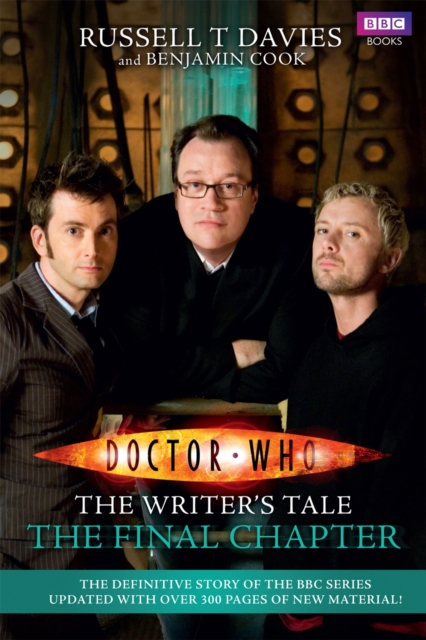
For this new edition of The Writer's Tale, Russell T Davies and Benjamin Cook expand their in-depth discussion of the creative life of Doctor Who to cover Russell's final year as Head Writer and Executive Producer of the show, as well as his work behind the increasingly successful Torchwood and The Sarah Jane Adventures spin-offs.
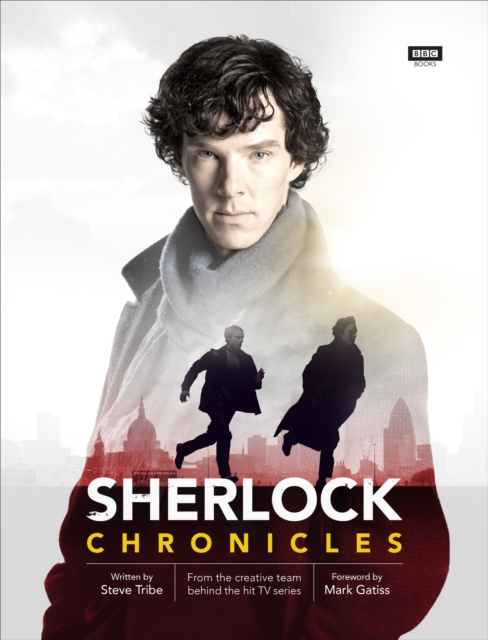
A visually stunning and comprehensive guide to the hit BBC series, Sherlock: Chronicles tells the full story of the show as you ve never seen it before.
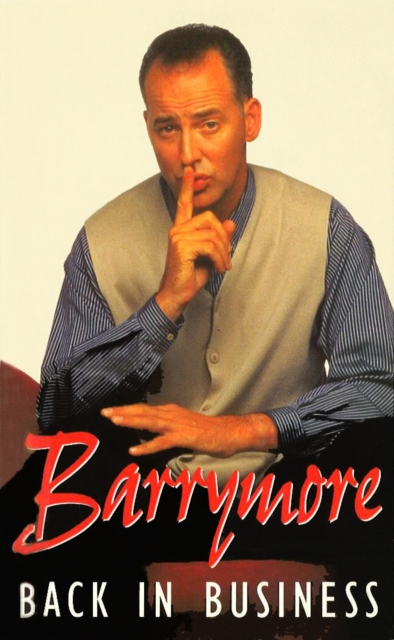
In June 1994, Michael Barrymore, television celebrity and gameshow host, checked himself out of an American clinic where he was receiving treatment for alcohol and drug abuse.
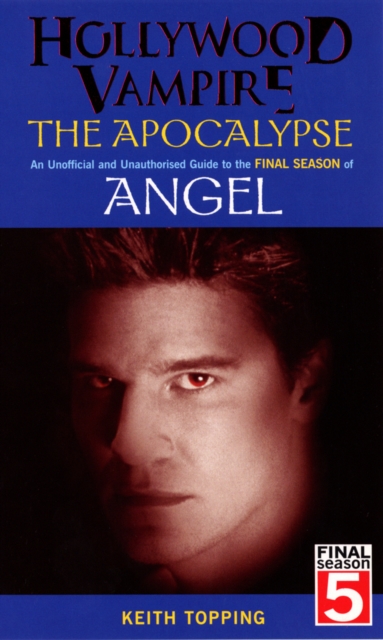
Leaving behind his life in Sunnydale and his relationship with Buffy Sunners, Angel atones for his sins by fighting for humanity in the dark seedy underworld of the superficially glamorous city of L.
John Jeremiah Sullivan takes us on a funhouse hall-of-mirrors ride through the other side of America - to the Ozarks for a Christian rock festival; to Florida to meet the straggling refugees of MTV's Real World; to Indiana to investigate the formative years of Michael Jackson and Axl Rose and then to the Gulf Coast in the wake of Katrina - and back again as its residents confront the BP oil spill.
From Mark Frost, co-creator of the landmark series, The Secret History of Twin Peaks tells the story that millions of fans spent twenty-five years waiting for .
A taut, riveting drama from legendary author Cormac McCarthy, The Gardener's Son is a tale of two families in post-Civil War South Carolina: one, owners of the local cotton mill, the other a family of mill workers beset by misfortune.
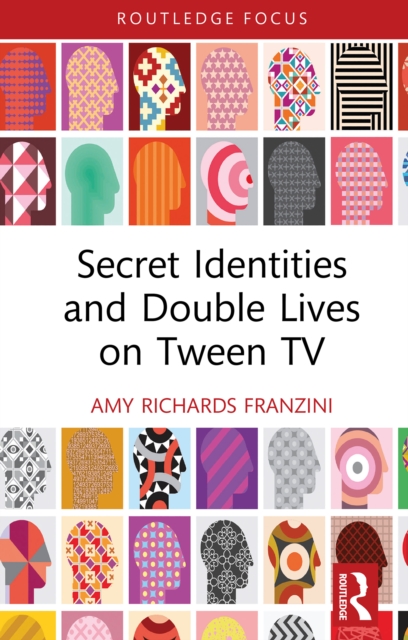
Secret Identities and Double Lives on Tween TV in introduces readers to the concepts of tweenhood and television (TV) tropes by providing historical and theoretical contexts and reviewing the history of TV targeted to tweens.
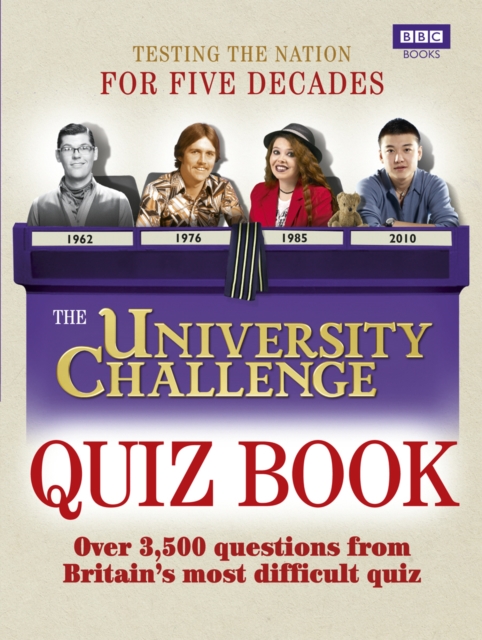
For almost 50 years, University Challenge has served as a bastion of general knowledge, regularly testing our finest young minds with a dizzying array of subjects.
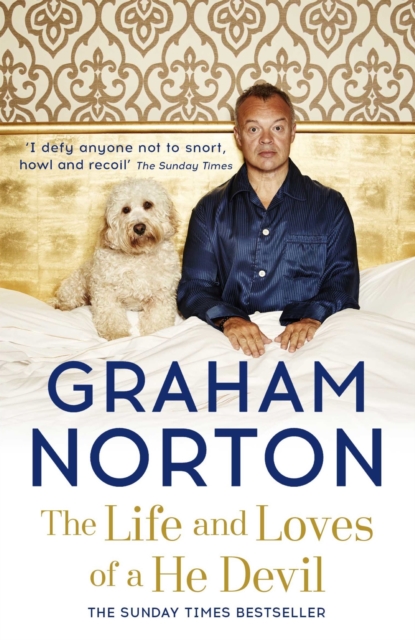
'I defy anyone not to snort, howl and recoil' The Sunday Times'Full of wicked asides, tart observations and sharp remarks that could only have originated in Graham Norton's witty brain.
PHILOSOPHY/POP CULTURE The contributors to Battlestar Galactica and Philosophy strive to make things relevant to fans of the show, and they put their information out in a way that is accessible to folks who wouldn't know Heidegger from Heineken.
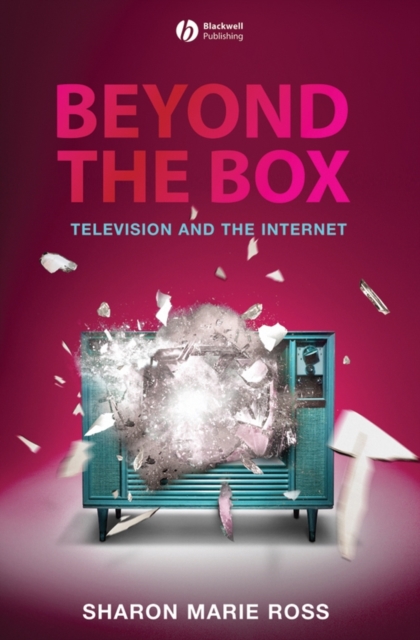
Beyond the Box gives students and couch potatoes alike a better understanding of what it means to watch television in an era of profound technological change.
There are certain films and shows that resonate with audiences everywhere they generate discussion and debate about everything from gender, class, citizenship and race, to consumerism and social identity.
There are certain films and shows that resonate with audiences everywhere they generate discussion and debate about everything from gender, class, citizenship and race, to consumerism and social identity.
Combining an exciting methodology alongside high-interest case studies, Television in Transition offers students of television a guide to a medium that has weathered the challenges of first-run syndication, a multi-channel universe, netlets, major media conglomerates, deregulation, and globalization--all in the space of twenty years.
Miami Vice captures the glitter and glamour embodied by Crockett and Tubbs and offers students an anatomy of a ground-breaking work in the police procedural genre.
Beyond the Box gives students and couch potatoes alike a better understanding of what it means to watch television in an era of profound technological change.
Break Into Writing For Television takes you from the very first line of the script through to becoming a regular writer for soaps and 'continuing dramas'.