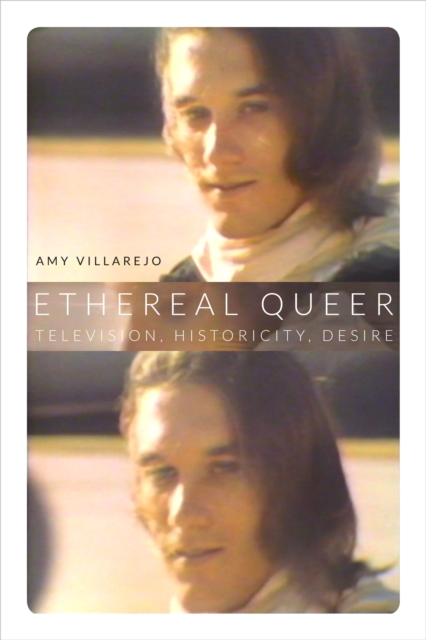
In Ethereal Queer, Amy Villarejo offers a historically engaged, theoretically sophisticated, and often personal account of how TV representations of queer life have changed as the medium has evolved since the 1950s.
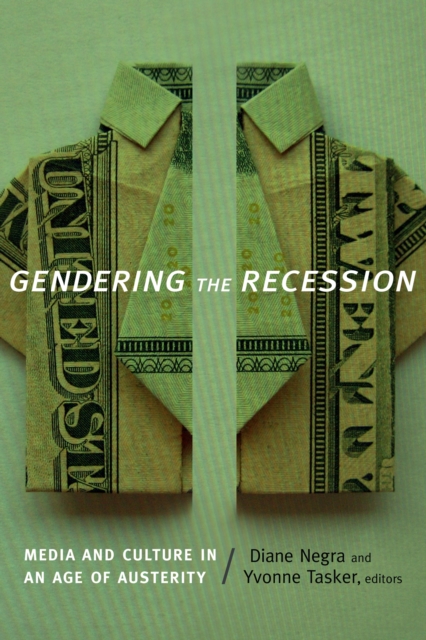
This timely, necessary collection of essays provides feminist analyses of a recession-era media culture characterized by the reemergence and refashioning of familiar gender tropes, including crisis masculinity, coping women, and postfeminist self-renewal.
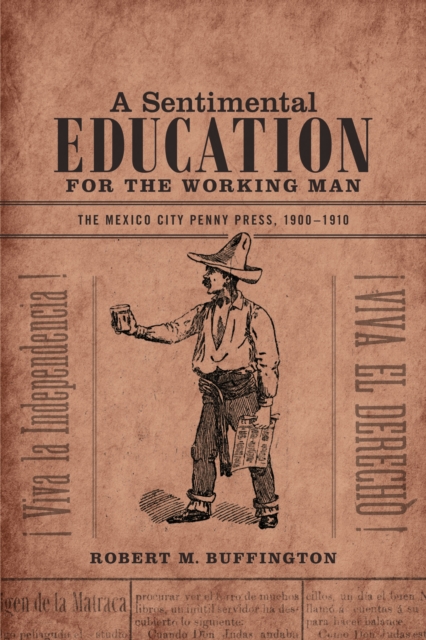
In A Sentimental Education for the Working Man Robert Buffington reconstructs the complex, shifting, and contradictory ideas about working-class masculinity in early twentieth-century Mexico City.
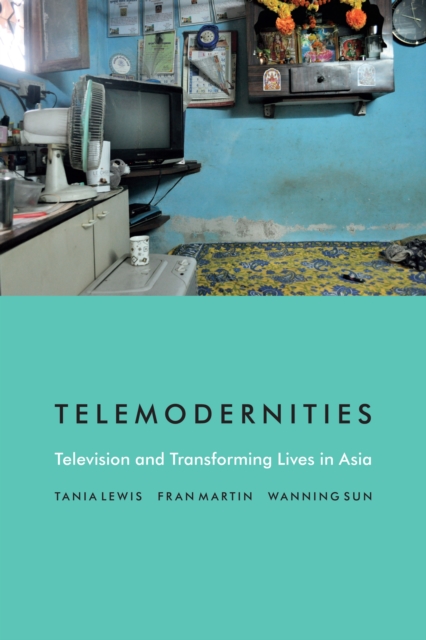
Yoga gurus on lifestyle cable channels targeting time-pressured Indian urbanites; Chinese dating shows promoting competitive individualism; Taiwanese domestic makeover formats combining feng shui with life planning advice: Asian TV screens are increasingly home to a wild proliferation of popular factual programs providing lifestyle guidance to viewers.
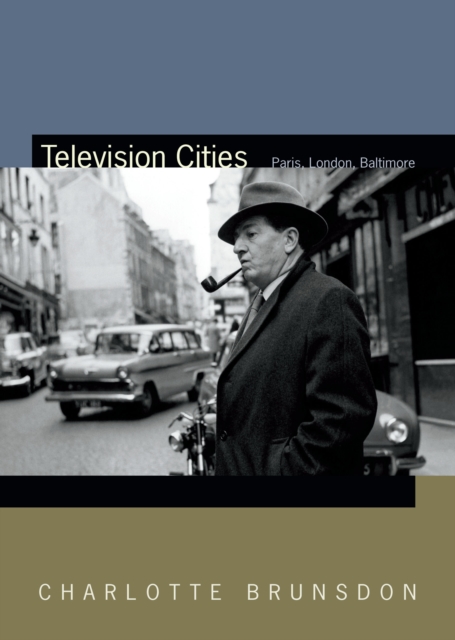
In Television Cities Charlotte Brunsdon traces television's representations of metropolitan spaces to show how they reflect the medium's history and evolution, thereby challenging the prevalent assumptions about television as quintessentially suburban.
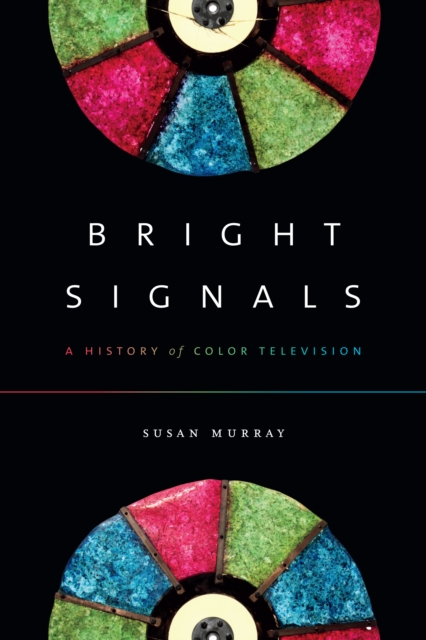
First demonstrated in 1928, color television remained little more than a novelty for decades as the industry struggled with the considerable technical, regulatory, commercial, and cultural complications posed by the medium.
Regarded by his contemporaries as one of television's premier comedy creators, Nat Hiken was the driving creative force behind the classic 1950s and 1960s series Sgt.
Blackness Is Burning critiques the way the politics of recognition and representation appear in popular culture as attempts to "e;humanize"e; black identity through stories of suffering and triumph or tales of destruction and survival.
A social and cultural analysis of The X-Files focusing on the genres the program employed in its interrogation of American history, politics, and identity.
Alcoa Presents: One Step Beyond made its television debut in 1959, nine months before Rod Serling's classic The Twilight Zone, and paved the way for a generation of television programs devoted to paranormal topics such as the occult, ESP, and ghost stories.
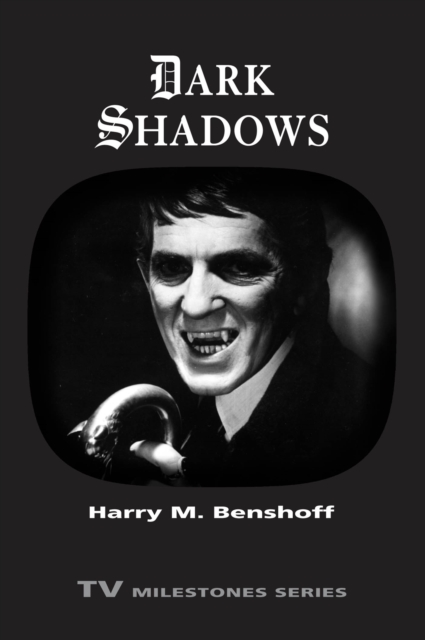
Explores the cultural, industrial, formal, and generic contexts of the television soap opera Dark Shadows as a precursor to today s popular gothic media franchises.
An exploration of the enduring popularity of the television series Perry Mason and its universal reputation as the most formulaic program in the history of broadcast television.
The theme of surveillance has become an increasingly common element in movies and television shows, perhaps as a response to the sense that the world is now virtually under watch.
Even for those who have never read Jules Verne (18281905), the author's very name conjures visions of the submarine in Twenty Thousand Leagues Under the Sea, the epic race in Around the World in Eighty Days, the spacecraft in From the Earth to the Moon, and the daring descent in Journey to the Center of the Earth.
An "e;illuminating"e; look at how filmmakers have taken us around the world, under the sea, and to the center of the earth over the course of a century (Milwaukee Express).
Once confined solely to literature and film, science fiction has emerged to become a firmly established, and wildly popular, television genre over the last half century.
Essays on the history of HBO, a company designed to please audiences instead of advertisers, and the impact of its distinctive programming: "e;Recommended.
Essays on the history of HBO, a company designed to please audiences instead of advertisers, and the impact of its distinctive programming: "e;Recommended.
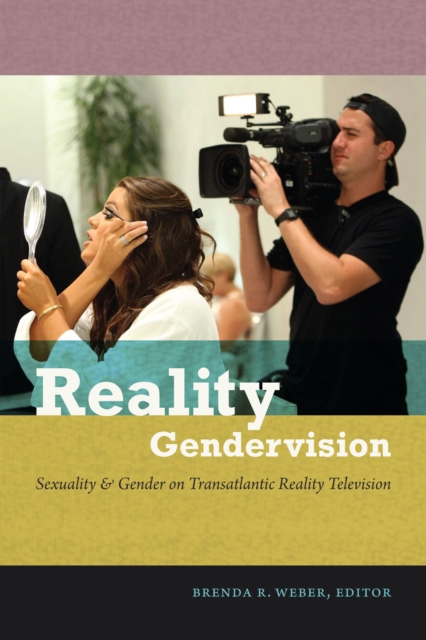
Featuring ordinary people, celebrities, game shows, hidden cameras, everyday situations, and humorous or dramatic situations, reality TV is one of the fastest growing and important popular culture trends of the past decade, with roots reaching back to the days of radio.
Learn to search for the truth that's out there in essays about what "e;may be the most philosophically challenging series in the history of television"e; (Paul A.