This is a detailed examination of 58 science fiction television series produced between 1990 and 2004, from the popular The X-Files to the many worlds of Star Trek (The Next Generation onward), as well as Andromeda, Babylon 5, Firefly, Quantum Leap, Stargate Atlantis and SG-I, among others.
Lawman Eliot Ness has been transformed into legend by the films and television programs that depicted the war he and his "e;Untouchables"e; waged against Al Capone and the mobsters of Prohibition-era Chicago.
Premiering in September of 2006, the weekly NBC television series Heroes was an immediate commercial and critical hit, lasting four successful seasons.
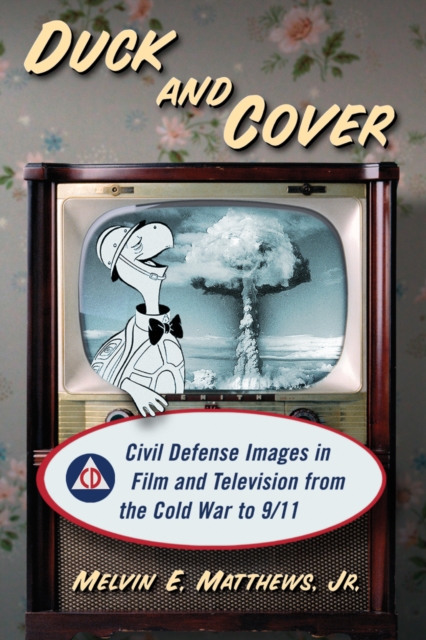
During the 1950s and early 1960s, school air-raid drills, bomb shelters, and unnerving civil defense films served as constant reminders of the looming threat of nuclear war.
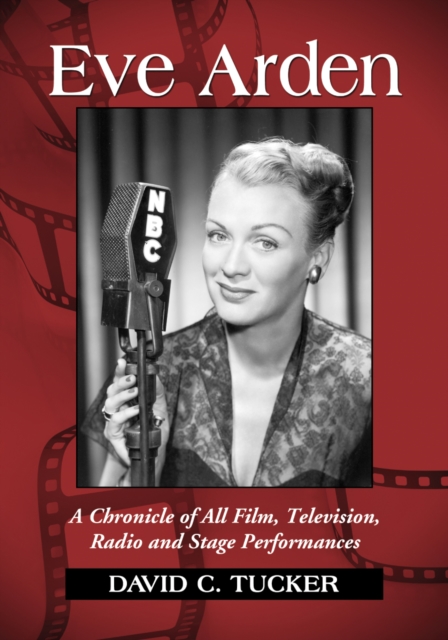
The remarkable career of American actress Eve Arden (1908-1990) is thoroughly chronicled from her earliest stage work in 1926 (under her given name Eunice Quedens) to her final television role in a 1987 episode of Falcon Crest.
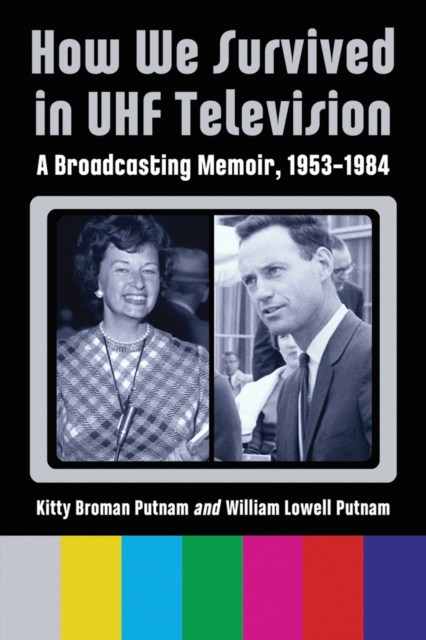
This personal narrative is co-authored by two of the best-known names in American UHF television broadcast management: Kathryn "e;Kitty"e; Broman Putnam and William Lowell "e;Bill"e; Putnam.
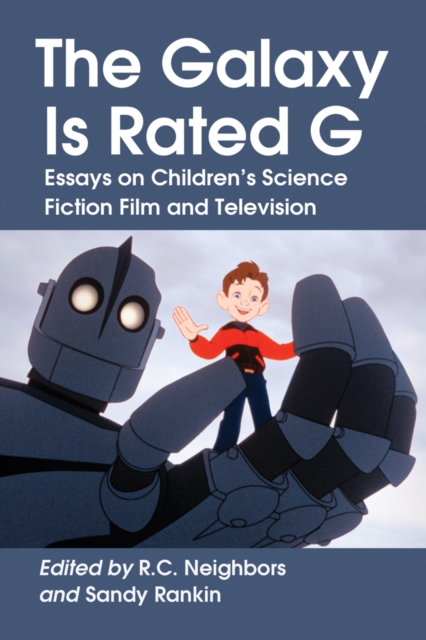
Through spaceships, aliens, ray guns and other familiar trappings, science fiction uses the future (and sometimes the past) to comment on current social, cultural and political ideologies; the same is true of science fiction in children's film and television.
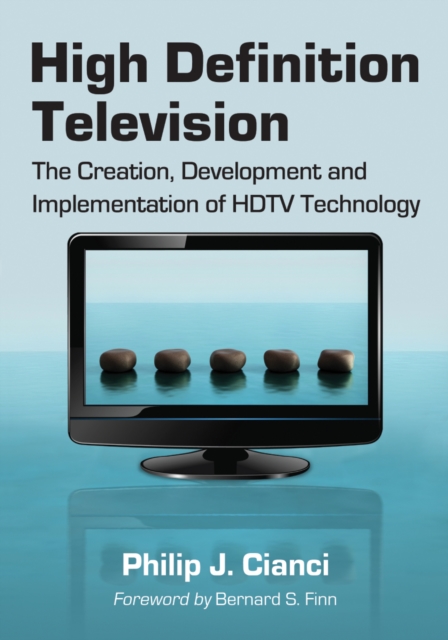
The 40-year history of high definition television technology is traced from initial studies in Japan, through its development in Europe, and then to the United States, where the first all-digital systems were implemented.
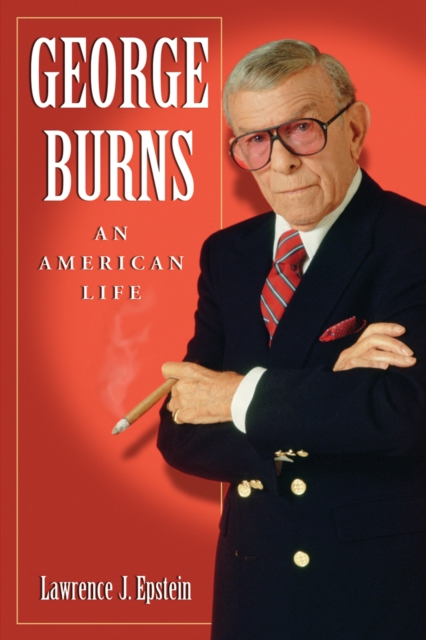
Having entered the world in 1896 as a poverty-stricken child named Naftaly (Nathan) Birnbaum, George Burns rose from New York's Lower East Side to the uppermost heights of celebrity in the entertainment industry.
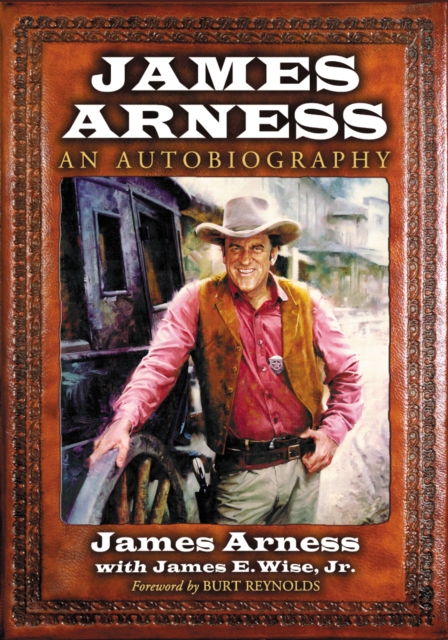
James Arness gives the full story on his early years, his family, his military career and his film work in Hollywood, including appearances in the cult-favorite science fiction movies Them!
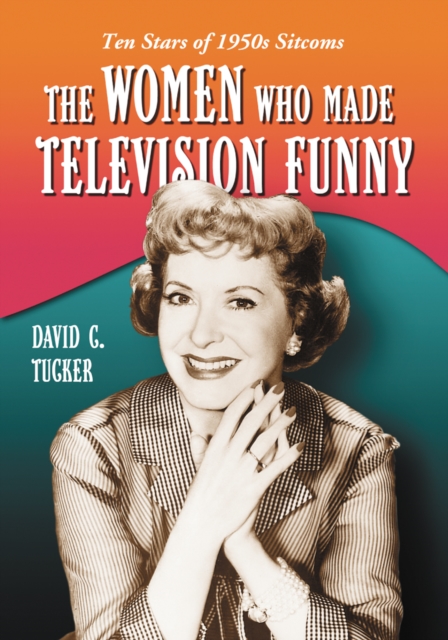
Most of the bright and talented actresses who made America laugh in the 1950s are off the air today, but their pioneering Hollywood careers irrevocably changed the face of television comedy.
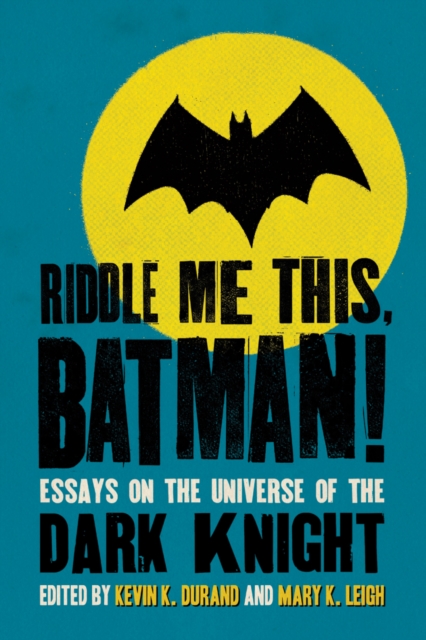
From his first comic-book appearance in 1939 through his many incarnations on the big screen, the archetypal superhero known as The Batman has never been far from the American consciousness.
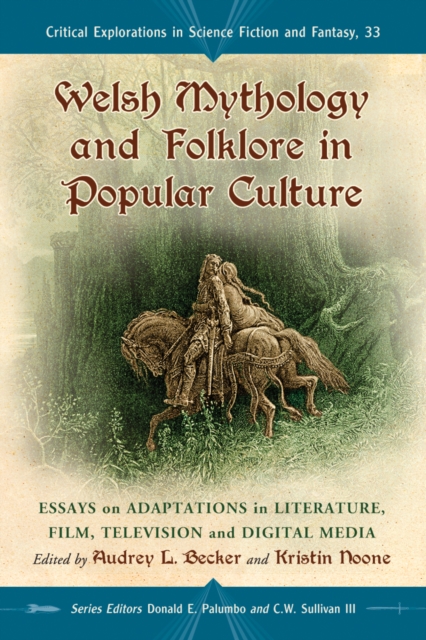
Examining how we interpret Welshness today, this volume brings together fourteen essays covering a full range of representations of Welsh mythology, folklore, and ritual in popular culture.
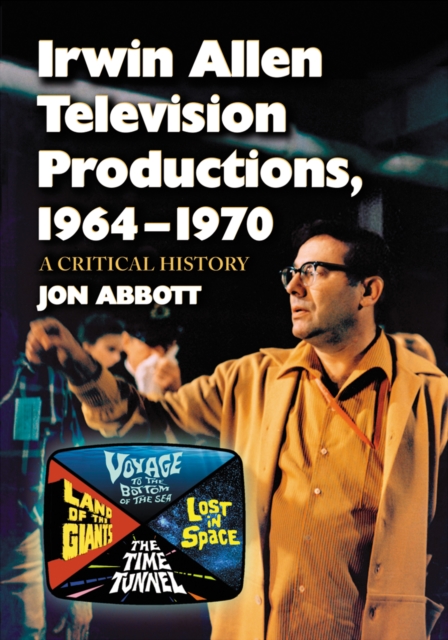
Before establishing himself as the "e;master of disaster"e; with the 1970s films The Poseidon Adventure and The Towering Inferno, Irwin Allen created four of television's most exciting and enduring science-fiction series: Voyage to the Bottom of the Sea, Lost in Space, The Time Tunnel and Land of the Giants.
This fully updated and expanded edition covers over 10,200 programs, making it the most comprehensive documentation of television programs ever published.
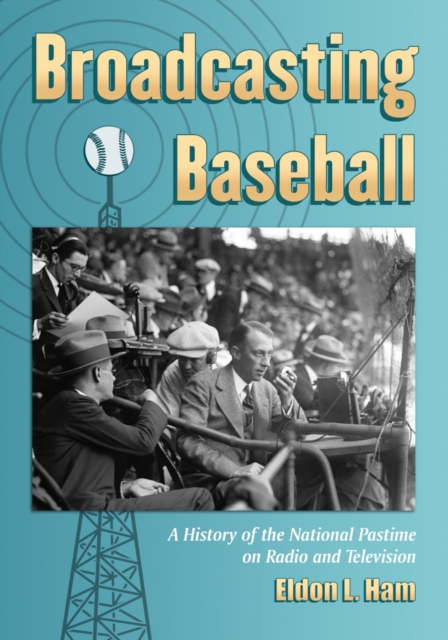
There is a long-standing relationship between broadcasting and sports, and nowhere is this more evident than in the marriage of baseball and radio: a slow sport perfectly suited to the word-painting of broadcasters.
The cinematographers and directors who shot film in wilderness areas at the turn of the 19th century are some of the unsung heroes of documentary film-making.
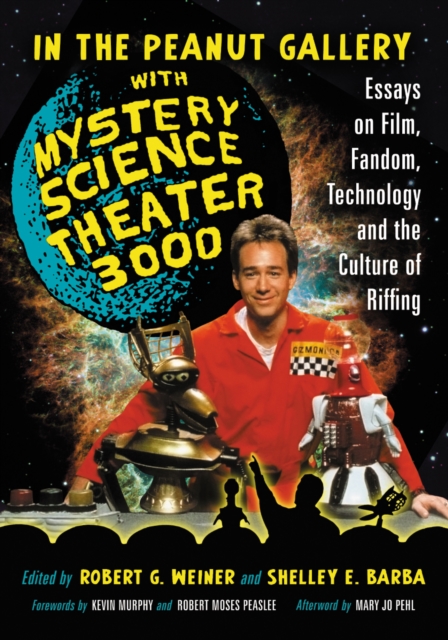
The award-winning television series Mystery Science Theater 3000 (1988-1999) has been described as "e;the smartest, funniest show in America,"e; and forever changed the way we watch movies.
For six acclaimed seasons, FBI paranormal detectives Mulder and Scully have been chasing monsters and little green men and exposing government conspiracies, while espousing the mantras "e;trust no one"e; and "e;the truth is out there.
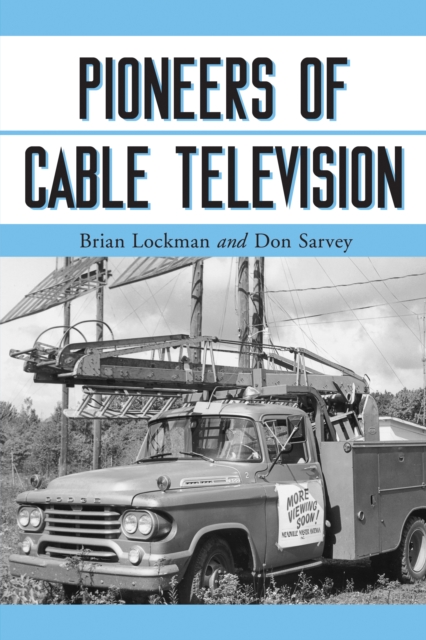
Although there are different opinions about where cable television actually began, a great deal of the ingenuity that developed cable into today's multibillion dollar industry came from Pennsylvania.
Whether they graphically depict an individual's or a community's beliefs, express the defiance of authority, or brand marginalized groups, tattoos are a means of interpersonal communication that dates back thousands of years.
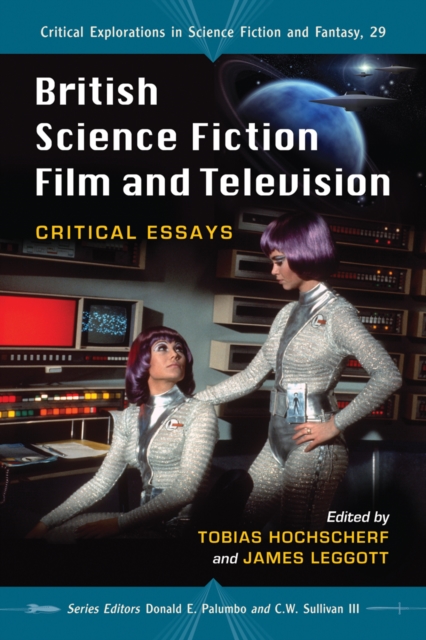
Written by international experts from a range of disciplines, these essays examine the uniquely British contribution to science fiction film and television.
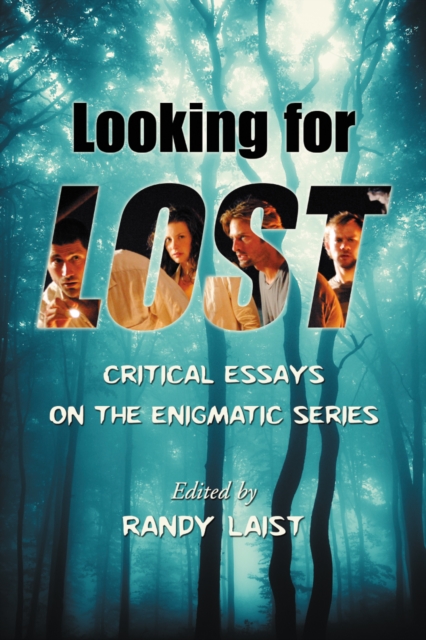
From The Prisoner in the 1960s to the more recent Heroes and Lost, a group of television series with strong elements of fantasy have achieved cult status.
A compelling and innovative television writer, David Chase has created distinctive programs since the 1970s, each reflecting his edgy humor and psychological realism.
Essays in this work examine treatments of history in science fiction and fantasy television programs from a variety of disciplinary and methodological perspectives.
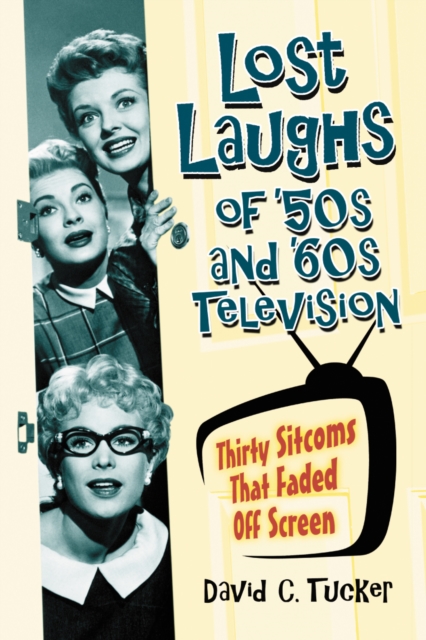
Originally broadcast on American television between 1952 and 1969, the 30 situation comedies in this work are seldom seen today and receive only brief and often incomplete and inaccurate mentions in most reference sources.