Brecht on Performance: Messingkauf and Modelbooks presents a selection of Brecht's principal writings for directors and theatre practitioners, and is suitable for acting schools, directors, actors, students and teachers of Theatre Studies.
Movement training techniques allow actors to acquire the physical body language and non-verbal skills to clearly express the ideas and emotions of their characters.
Intended for actors, directors, teachers and researchers, this book offers an exceptionally clear and thorough introduction to the renowned acting technique developed by Michael Chekhov.
Intended for actors, directors, teachers and researchers, this book offers an exceptionally clear and thorough introduction to the renowned acting technique developed by Michael Chekhov.
Lunar Fool began as a project of experimental short stories in imitation of an obscure form of medieval allegory, but it soon evolved into two extended dramatic monologues, or stagetales, The Lunar Project and The Holy Fool, which found a life and an audience in contemporary avant-garde theater.
Throughout the centuries there have been Amazing American Women; women who rose on their strength of character, who overcame incredible obstacles to become outstanding in their own right.
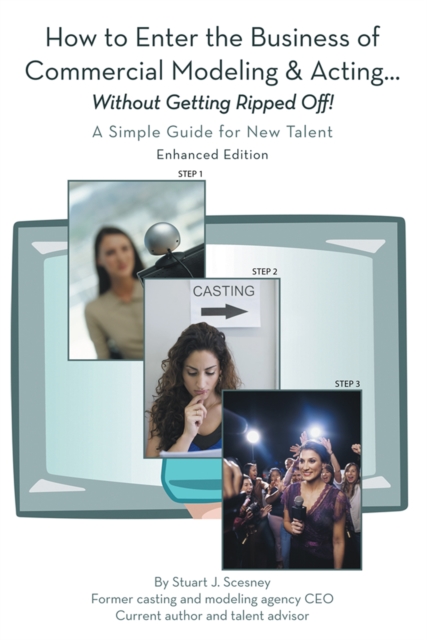
Rich and Famous in Thirty Seconds is written by a veteran of more than thirty years in show business and is filled with inside secrets and helpful tips, many not taught in university programs.
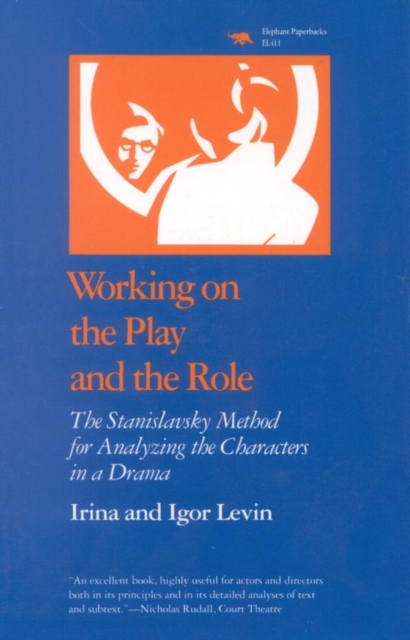
The Stanislavsky method for analyzing the characters in a drama, systematized for the first time and clearly explained, using the complete text of The Cherry Orchard as illustration.
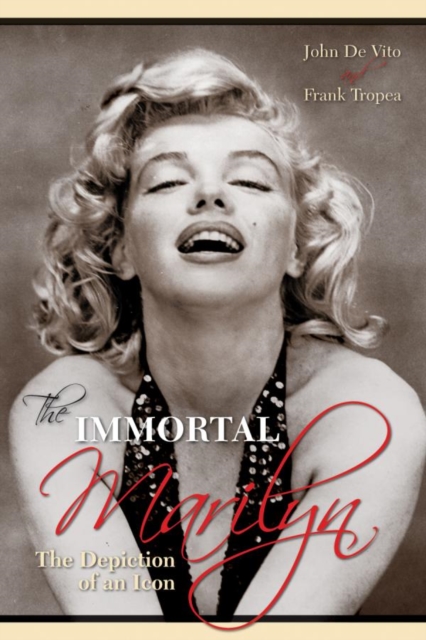
From the late 1940s to the early '60s, Marilyn Monroe appeared in barely thirty movies, beginning with bit parts and moving on into supporting roles for such films as The Asphalt Jungle, All About Eve, and Clash by Night.
This is the first book on enduring Hollywood star Eleanor Parker, long underrated despite three best actress Academy Award nominations (Caged, 1950; Detective Story, 1951; Interrupted Melody, 1955).
A tight throat; held breath; stiff muscles; stage fright: impediments to performance come in many guises, but they all spring from the same source-tension.
A tight throat; held breath; stiff muscles; stage fright: impediments to performance come in many guises, but they all spring from the same source-tension.
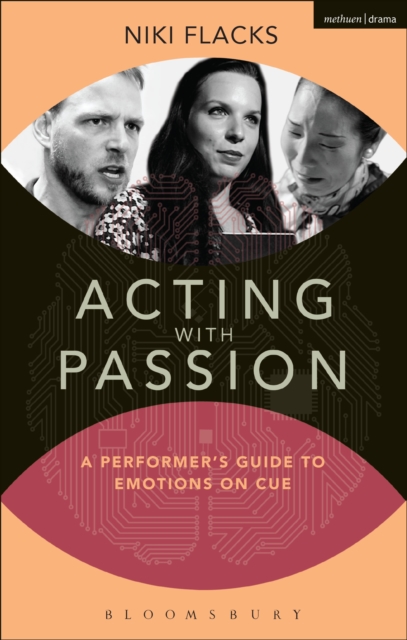
Based on the latest research from the fields of neuroscience and mind-body psychology, Acting With Passion offers a revolutionary new approach to the age-old problems of the actor: dealing with nerves, engaging the body, quieting the inner critic, auditioning, creating a character, and even playing comedy.
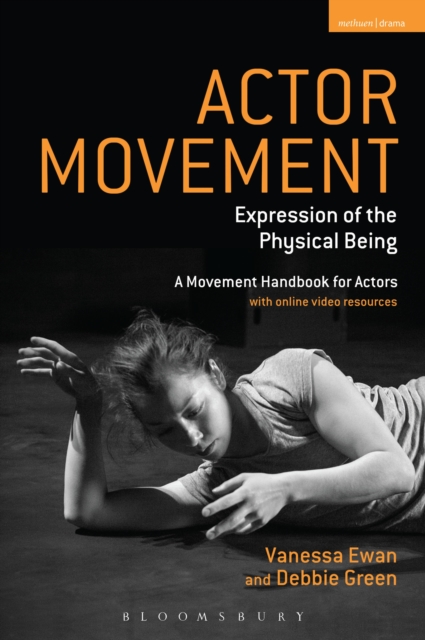
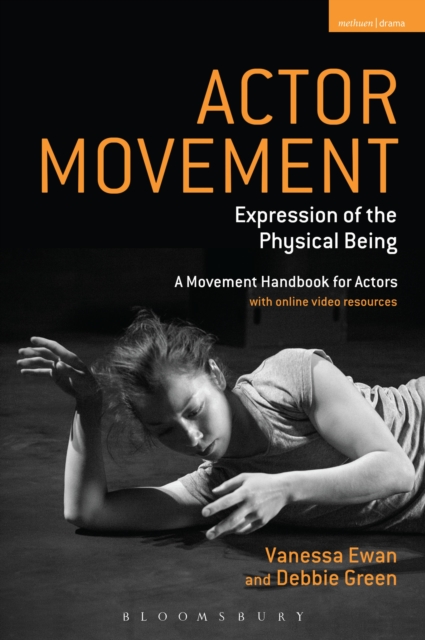
Actor Movement: Expression of the Physical Being is a textbook and video resource for the working actor, the student and all those who lead and witness movement for the actor, including movement tutors, movement directors and directors.
Actor Movement: Expression of the Physical Being is a textbook and video resource for the working actor, the student and all those who lead and witness movement for the actor, including movement tutors, movement directors and directors.
Brecht on Performance: Messingkauf and Modelbooks presents a selection of Brecht's principal writings for directors and theatre practitioners, and is suitable for acting schools, directors, actors, students and teachers of Theatre Studies.