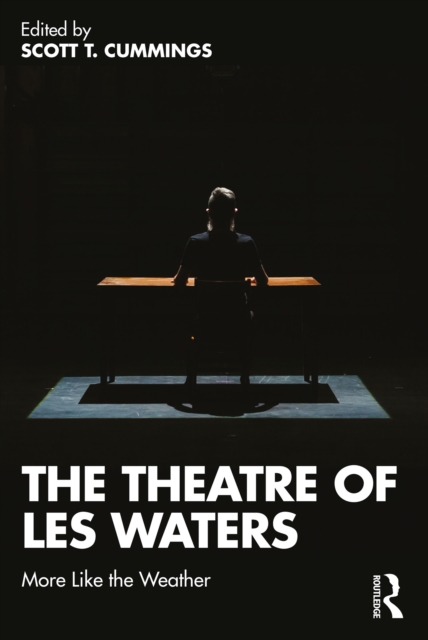
The Theatre of Les Waters: More Like the Weather combines original writings from Les Waters with short essays by a wide range of his collaborators, creating a personal and multi-faceted portrait of an influential director, revered mentor, and inspirational theatre artist.
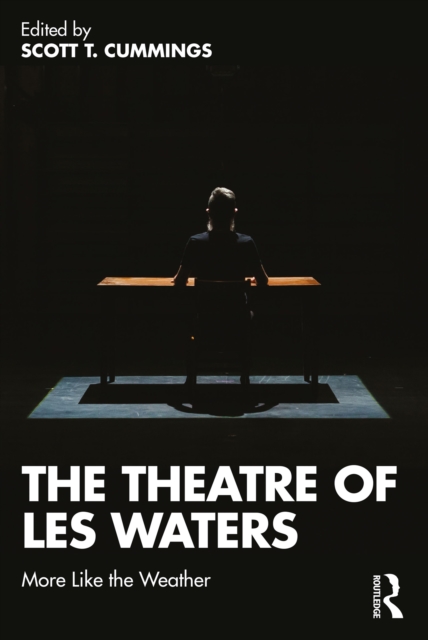
The Theatre of Les Waters: More Like the Weather combines original writings from Les Waters with short essays by a wide range of his collaborators, creating a personal and multi-faceted portrait of an influential director, revered mentor, and inspirational theatre artist.
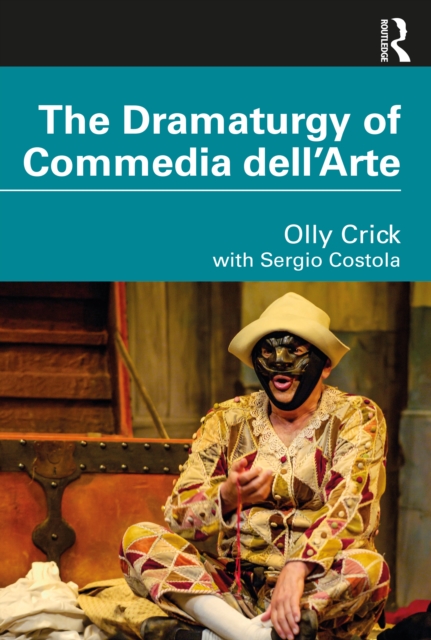
This book examines Commedia dell'Arte as a performative genre, and one that should be analysed through the framework of dramaturgy and dramaturgical practice.
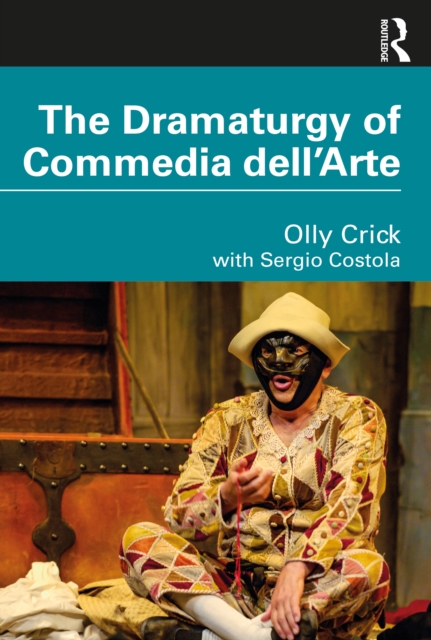
This book examines Commedia dell'Arte as a performative genre, and one that should be analysed through the framework of dramaturgy and dramaturgical practice.
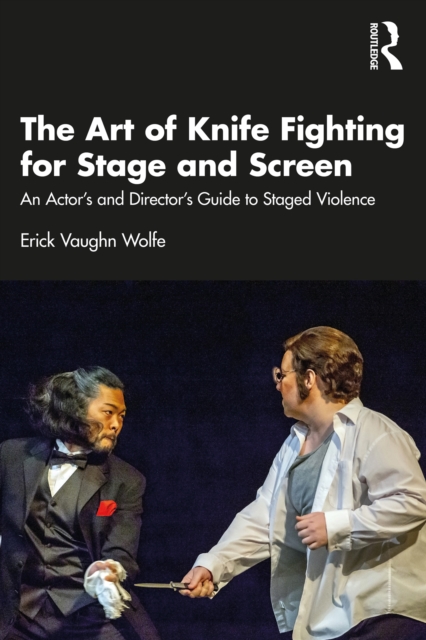
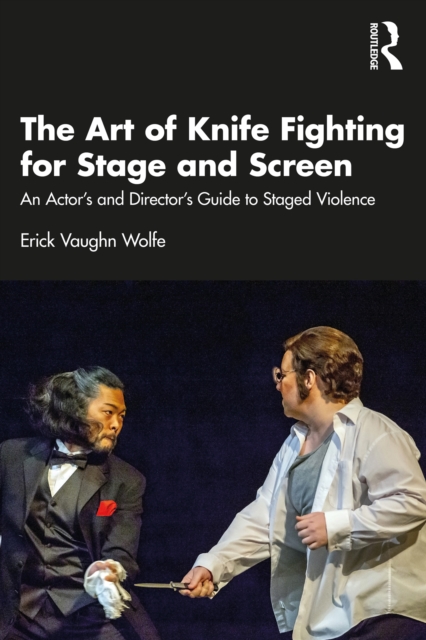
The Art of Knife Fighting for Stage and Screen: An Actor's and Director's Guide to Staged Violence provides detailed information for the safe use of knives and daggers in a theatrical setting and an in-depth understanding of safe theatrical weapons.
The Art of Knife Fighting for Stage and Screen: An Actor's and Director's Guide to Staged Violence provides detailed information for the safe use of knives and daggers in a theatrical setting and an in-depth understanding of safe theatrical weapons.
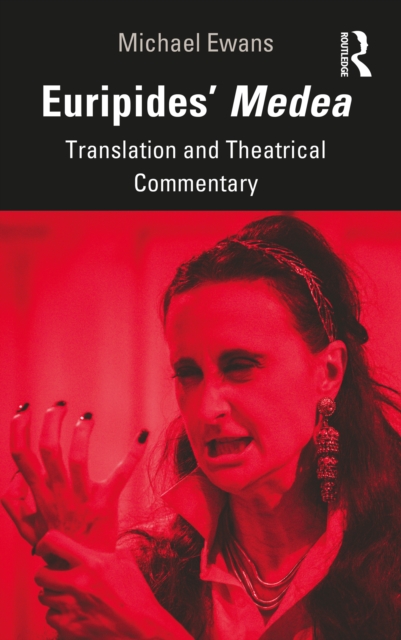
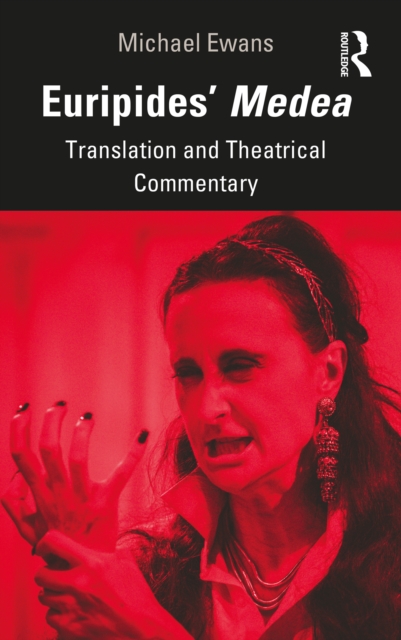
This book offers a new, accurate and actable translation of one of Euripides' most popular plays, together with a commentary which provides insight into the challenges it sets for production and suggestions for how to solve them.
This book offers a new, accurate and actable translation of one of Euripides' most popular plays, together with a commentary which provides insight into the challenges it sets for production and suggestions for how to solve them.
This book is the first study of the prolific German filmmaker, performance artist, and TV host Christoph Schlingensief (1960-2010) that identifies him as a practitioner of realism in the theater and lays out how theatrical realism can offer an aesthetic frame sturdy enough to hold together his experiments across media and genres.
This book is the first study of the prolific German filmmaker, performance artist, and TV host Christoph Schlingensief (1960-2010) that identifies him as a practitioner of realism in the theater and lays out how theatrical realism can offer an aesthetic frame sturdy enough to hold together his experiments across media and genres.
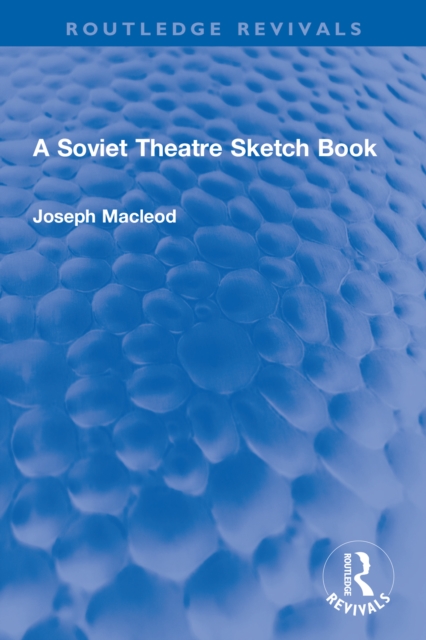
First Published in 1951, A Soviet Theatre Sketch Book presents Joseph Macleod's take on Russian Theatre in a semi-fictional way to show the effect of the productions upon different audiences.
First Published in 1951, A Soviet Theatre Sketch Book presents Joseph Macleod's take on Russian Theatre in a semi-fictional way to show the effect of the productions upon different audiences.
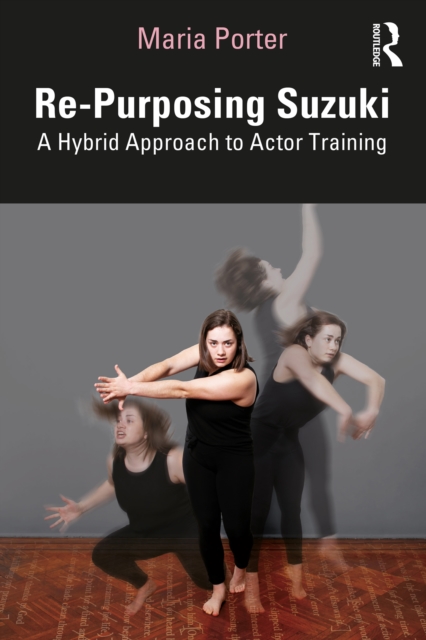
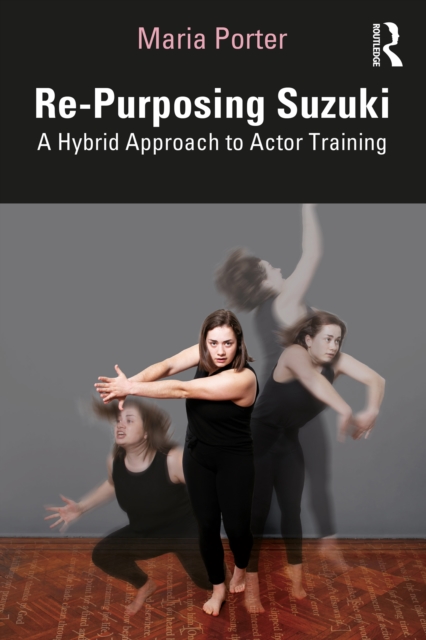
Re-Purposing Suzuki: A Hybrid Approach to Actor Training introduces a system of text analysis that synthesizes physical, psychological, and vocal components in order to truthfully embody heightened texts and contexts.
Re-Purposing Suzuki: A Hybrid Approach to Actor Training introduces a system of text analysis that synthesizes physical, psychological, and vocal components in order to truthfully embody heightened texts and contexts.
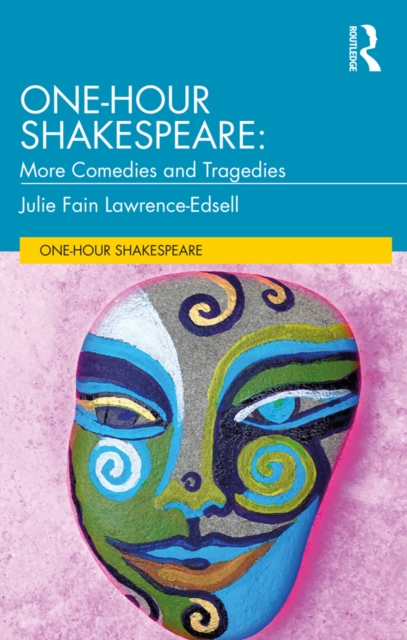
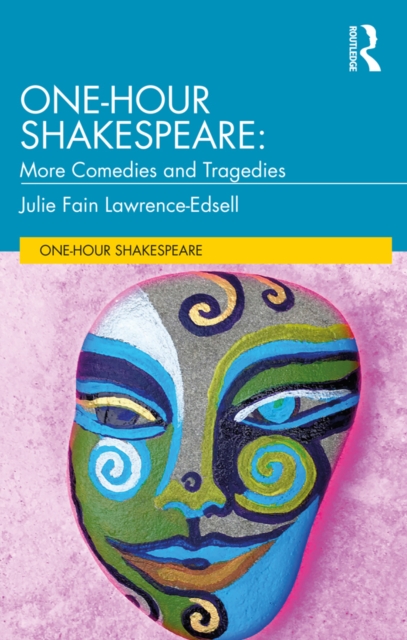
The One-Hour Shakespeare series is a collection of abridged versions of Shakespeare's plays, designed specifically to accommodate both small and large casts.
The One-Hour Shakespeare series is a collection of abridged versions of Shakespeare's plays, designed specifically to accommodate both small and large casts.
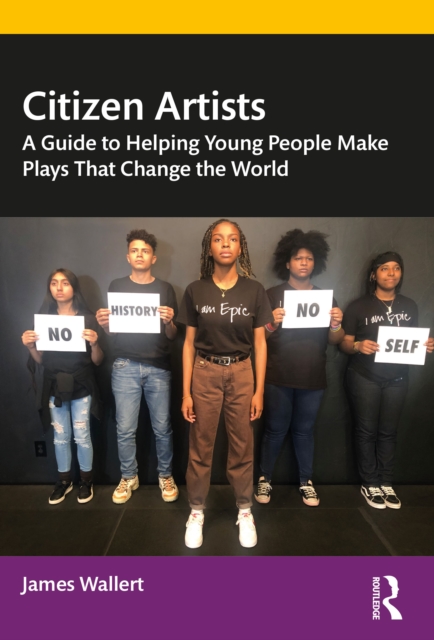
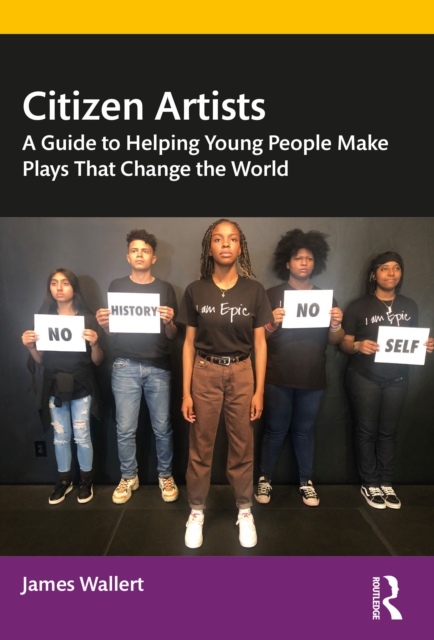
Citizen Artists takes the reader on a journey through the process of producing, funding, researching, creating, rehearsing, directing, performing, and touring student-driven plays about social justice.
Citizen Artists takes the reader on a journey through the process of producing, funding, researching, creating, rehearsing, directing, performing, and touring student-driven plays about social justice.
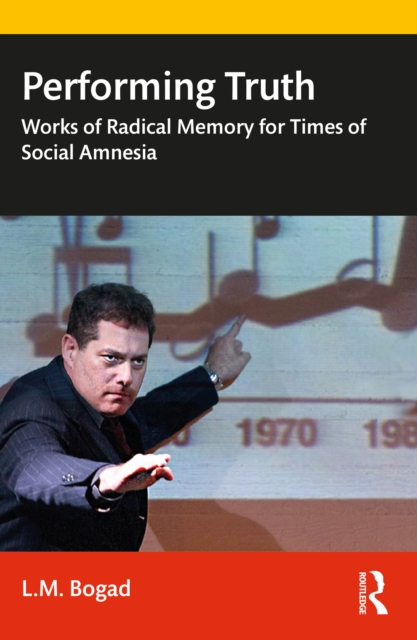
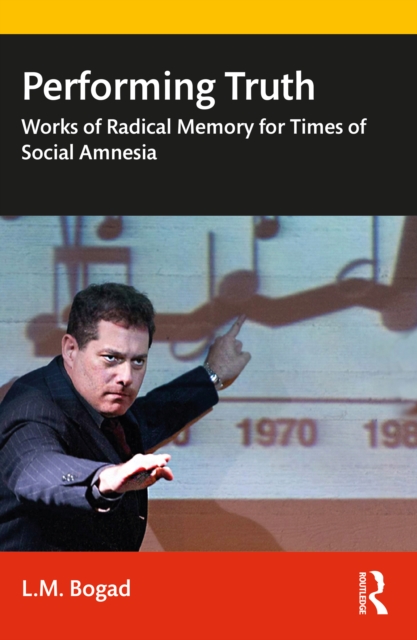
Performing Truth answers the most pressing questions facing any theatre-makers who are wrestling with how to present historical, political or socioeconomic information in an engaging, entertaining, and galvanizing way.
Performing Truth answers the most pressing questions facing any theatre-makers who are wrestling with how to present historical, political or socioeconomic information in an engaging, entertaining, and galvanizing way.
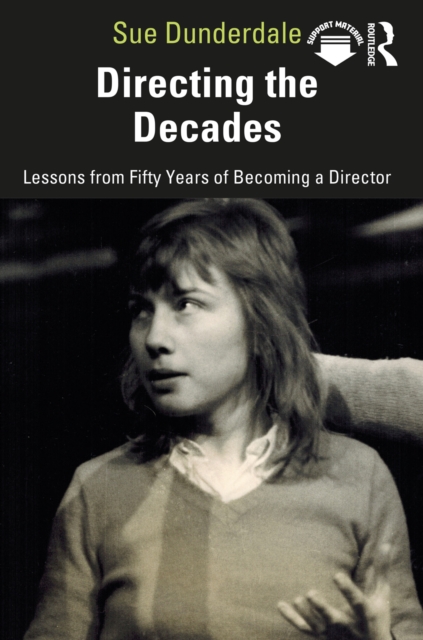
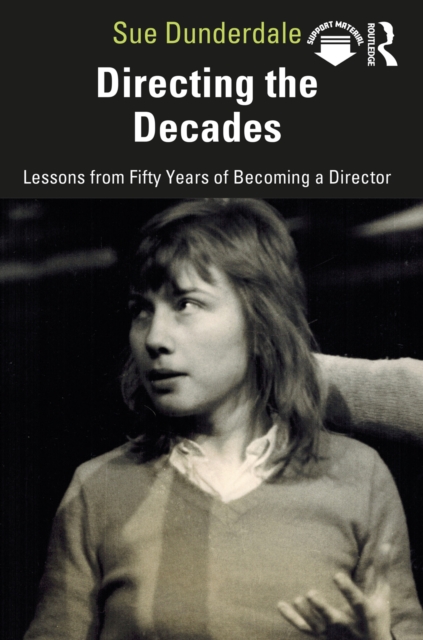
Directing the Decades is an examination of the development of theatre in the UK since the revolution of the 1950s until the present day, viewed through the individual progress of a female director from a working-class background.
Directing the Decades is an examination of the development of theatre in the UK since the revolution of the 1950s until the present day, viewed through the individual progress of a female director from a working-class background.
Regarded by Augusto Boal as the international icon of his vision, Jana Sanskriti are the leading practitioners of Theatre of the Oppressed and Forum Theatre in India and the East.
Regarded by Augusto Boal as the international icon of his vision, Jana Sanskriti are the leading practitioners of Theatre of the Oppressed and Forum Theatre in India and the East.
Creating Improvised Theatre: Tools, Techniques, and Theories for Short Form and Narrative Improvisation is a complete guide to improvised theatre for performers and instructors.
Creating Improvised Theatre: Tools, Techniques, and Theories for Short Form and Narrative Improvisation is a complete guide to improvised theatre for performers and instructors.
Dramaturgies of Interweaving explores present-day dramaturgies that interweave performance cultures in the fields of theater, performance, dance, and other arts.
Dramaturgies of Interweaving explores present-day dramaturgies that interweave performance cultures in the fields of theater, performance, dance, and other arts.
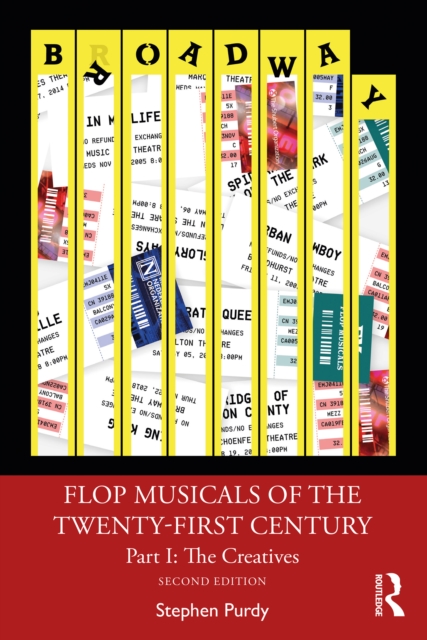
Flop Musicals of the Twenty-First Century offers a provocative and revealing historical narrative of a group of musicals that cost millions and had spectacular potential .
Flop Musicals of the Twenty-First Century offers a provocative and revealing historical narrative of a group of musicals that cost millions and had spectacular potential .
This book explores the concept of playmaking and activism through three research projects in which culturally and linguistically diverse high school students and young adults created original theatre around the issues that inform their lives and constrain their futures.
This book explores the concept of playmaking and activism through three research projects in which culturally and linguistically diverse high school students and young adults created original theatre around the issues that inform their lives and constrain their futures.
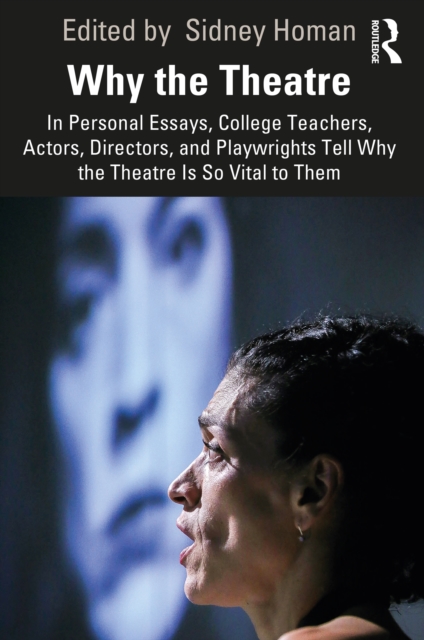
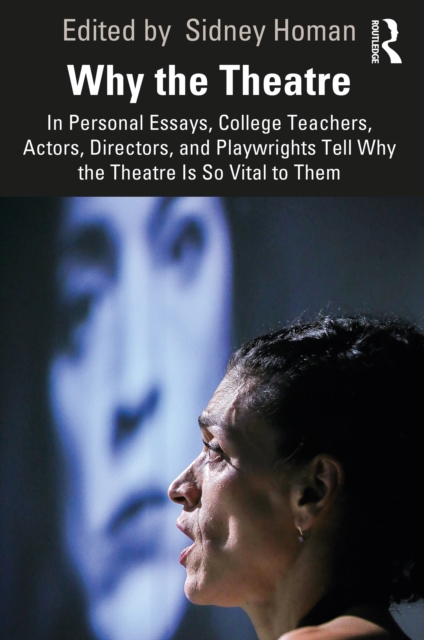
Why the Theatre is a collection of 26 personal essays by college teachers, actors, directors, and playwrights about the magnetic pull of the theatre and its changing place in society.
Why the Theatre is a collection of 26 personal essays by college teachers, actors, directors, and playwrights about the magnetic pull of the theatre and its changing place in society.
Commedia dell'Arte, its Structure and Tradition chronicles a series of discussions between two renowned experts in commedia dell'arte - master practitioners Antonio Fava and John Rudlin.
Commedia dell'Arte, its Structure and Tradition chronicles a series of discussions between two renowned experts in commedia dell'arte - master practitioners Antonio Fava and John Rudlin.