______________'A charming and entertaining read by a born storyteller' - Sunday Express______________First published in 1997, Cleared for Take-Off is the final volume of Dirk Bogarde's acclaimed series of best-selling memoirs.
A companion volume to Being an Actor, Callow's classic text about the experience of acting in the theatre, Shooting the Actor reveals the truth about film acting.
In this revised and updated biography, Maureen Paton encompasses the private, professional and political life of this most enigmatic, charismatic and intensely private of actors.
This book examines the emergence of women as audiences and speakers on the British metropolitan lecture circuit and in mass print representations from 1870 to 1910.
A must-read for aspiring actors, An Actor Prepares is an essential guide to acting and character performance, written by the father of 'method acting' Constantin Stanislavski.
The touching true story of a young 1920s 'flapper', who dreamed of becoming a chorus girl 'Early that January, there was snow on the ground, and Victoria Carmen took a violent chill.
The Letters of Kenneth Tynan- drama critic, talent snob, intellectual dandy, inveterate campaigner - provide a record of a soul: written between the ages of 11 and 53, they not only chart the extraordinary parabola of his career but show the constancy of his quest for grace, style and effortless wit.
Mattering Spiritualities brings together an array of international scholars and practitioners to explore spirituality in embodiment through the lens of performance, performative writing, and performance studies.
A brilliant biography of the young Orson Welles, from his prodigious childhood and youth, his triumphs with the Mercury Theatre, to the making of Citizen Kane.
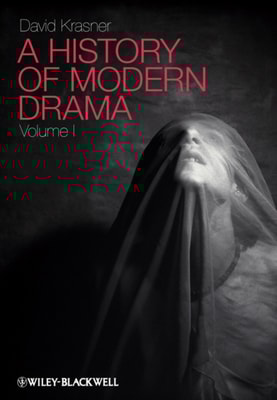
Covering the period 1879 to 1959, and taking in everything from Ibsen to Beckett, this book is volume one of a two-part comprehensive examination of the plays, dramatists, and movements that comprise modern world drama.
Covering the period 1879 to 1959, and taking in everything from Ibsen to Beckett, this book is volume one of a two-part comprehensive examination of the plays, dramatists, and movements that comprise modern world drama.
Seven authors describe the controversial nature of patriotism and citizenship education in their country, basing their account and recommendations upon their philosophical understanding of education and schooling.
Working-Class Women in Irish Literature and Theatre critically engages with works of theatre both by and about working-class women, historically and presently.
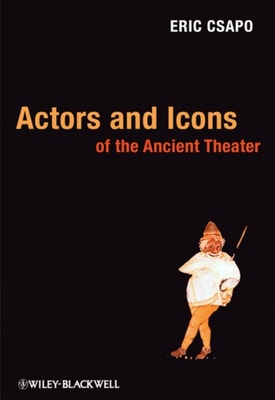
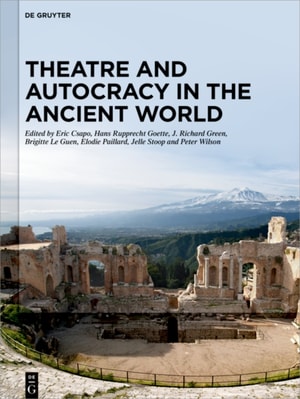
Actors and Icons of the Ancient Theater examines actors and their popular reception from the origins of theater in Classical Greece to the Roman Empire Presents a highly original viewpoint into several new and contested fields of study Offers the first systematic survey of evidence for the spread of theater outside Athens and the impact of the expansion of theater upon actors and dramatic literature Addresses a study of the privatization of theater and reveals how it was driven by political interests Challenges preconceived notions about theater history
Written by a senior examiner and teacher, this revision guide has been designed to thoroughly prepare students for the CCEA Learning for Life and Work examination.
Consent in Shakespeare's Classical Mediterranean fills a gap in knowledge about how female-identified, gender-fluid, and non-binary characters made choices about intimacy, engagement, and marriage in Shakespeare's classical Mediterranean plays.
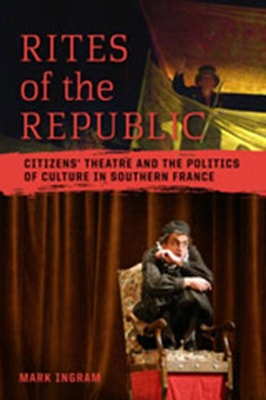
In this fascinating exploration of citizenship and the politics of culture in contemporary France, Ingram examines two theatre troupes in Provence: one based in a small town in the rural part of the Vaucluse region, and the other an urban project in Marseille, France's most culturally diverse city.
In this fascinating exploration of citizenship and the politics of culture in contemporary France, Ingram examines two theatre troupes in Provence: one based in a small town in the rural part of the Vaucluse region, and the other an urban project in Marseille, France's most culturally diverse city.
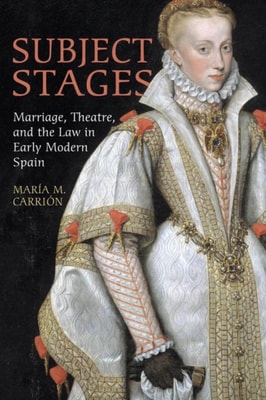
In early modern Spain, the strict definition of marriage as the union of a man and a woman of Catholic faith for the sole purpose of procreation became a key strategy in the production of Spain's version of empire, the Universal Catholic Monarchy.