Queering Autoethnography articulates for the first time the possibilities and politics of queering autoethnography, both in theoretical terms and as an intervention into narratives and cultures of apology, shame and fear.
Queering Autoethnography articulates for the first time the possibilities and politics of queering autoethnography, both in theoretical terms and as an intervention into narratives and cultures of apology, shame and fear.
Drawing the Line: Technical Hand Drafting for Film and Television is the essential resource for students and aspiring professionals studying and working in film and television design.
Drawing the Line: Technical Hand Drafting for Film and Television is the essential resource for students and aspiring professionals studying and working in film and television design.
Disability and Theatre: A Practical Manual for Inclusion in the Arts is a step-by step manual on how to create inclusive theatre, including how and where to find actors, how to publicize productions, run rehearsals, act intricate scenes like fights and battles, work with unions, contracts, and agents, and deal with technical issues.
Disability and Theatre: A Practical Manual for Inclusion in the Arts is a step-by step manual on how to create inclusive theatre, including how and where to find actors, how to publicize productions, run rehearsals, act intricate scenes like fights and battles, work with unions, contracts, and agents, and deal with technical issues.
This collection examines the widespread phenomenon of hypocrisy in literary, theological, political, and social circles in England during the years after the Reformation and up to the Restoration.
This collection examines the widespread phenomenon of hypocrisy in literary, theological, political, and social circles in England during the years after the Reformation and up to the Restoration.
"e;Post-Hamlet: Shakespeare in an Era of Textual Exhaustion"e; examines how postmodern audiences continue to reengage with Hamlet in spite of our culture's oversaturation with this most canonical of texts.
"e;Post-Hamlet: Shakespeare in an Era of Textual Exhaustion"e; examines how postmodern audiences continue to reengage with Hamlet in spite of our culture's oversaturation with this most canonical of texts.
In this new monograph, Claire Hansen demonstrates how Shakespeare can be understood as a complex system, and how complexity theory can provide compelling and original readings of Shakespeare's plays.
This eighth volume of The Shakespearean International Yearbook presents a special section on 'European Shakespeares', proceeding from the claim that Shakespeare's literary craft was not just native English or British, but was filtered and fashioned through a Renaissance awareness that needs to be recognized as European, and that has had effects and afterlives across the Continent.
This eighth volume of The Shakespearean International Yearbook presents a special section on 'European Shakespeares', proceeding from the claim that Shakespeare's literary craft was not just native English or British, but was filtered and fashioned through a Renaissance awareness that needs to be recognized as European, and that has had effects and afterlives across the Continent.
This eighth volume of The Shakespearean International Yearbook presents a special section on 'European Shakespeares', proceeding from the claim that Shakespeare's literary craft was not just native English or British, but was filtered and fashioned through a Renaissance awareness that needs to be recognized as European, and that has had effects and afterlives across the Continent.
This eighth volume of The Shakespearean International Yearbook presents a special section on 'European Shakespeares', proceeding from the claim that Shakespeare's literary craft was not just native English or British, but was filtered and fashioned through a Renaissance awareness that needs to be recognized as European, and that has had effects and afterlives across the Continent.
This eighth volume of The Shakespearean International Yearbook presents a special section on 'European Shakespeares', proceeding from the claim that Shakespeare's literary craft was not just native English or British, but was filtered and fashioned through a Renaissance awareness that needs to be recognized as European, and that has had effects and afterlives across the Continent.
This eighth volume of The Shakespearean International Yearbook presents a special section on 'European Shakespeares', proceeding from the claim that Shakespeare's literary craft was not just native English or British, but was filtered and fashioned through a Renaissance awareness that needs to be recognized as European, and that has had effects and afterlives across the Continent.
This eighth volume of The Shakespearean International Yearbook presents a special section on 'European Shakespeares', proceeding from the claim that Shakespeare's literary craft was not just native English or British, but was filtered and fashioned through a Renaissance awareness that needs to be recognized as European, and that has had effects and afterlives across the Continent.
This eighth volume of The Shakespearean International Yearbook presents a special section on 'European Shakespeares', proceeding from the claim that Shakespeare's literary craft was not just native English or British, but was filtered and fashioned through a Renaissance awareness that needs to be recognized as European, and that has had effects and afterlives across the Continent.
This eighth volume of The Shakespearean International Yearbook presents a special section on 'European Shakespeares', proceeding from the claim that Shakespeare's literary craft was not just native English or British, but was filtered and fashioned through a Renaissance awareness that needs to be recognized as European, and that has had effects and afterlives across the Continent.
This eighth volume of The Shakespearean International Yearbook presents a special section on 'European Shakespeares', proceeding from the claim that Shakespeare's literary craft was not just native English or British, but was filtered and fashioned through a Renaissance awareness that needs to be recognized as European, and that has had effects and afterlives across the Continent.
This eighth volume of The Shakespearean International Yearbook presents a special section on 'European Shakespeares', proceeding from the claim that Shakespeare's literary craft was not just native English or British, but was filtered and fashioned through a Renaissance awareness that needs to be recognized as European, and that has had effects and afterlives across the Continent.
This eighth volume of The Shakespearean International Yearbook presents a special section on 'European Shakespeares', proceeding from the claim that Shakespeare's literary craft was not just native English or British, but was filtered and fashioned through a Renaissance awareness that needs to be recognized as European, and that has had effects and afterlives across the Continent.
This eighth volume of The Shakespearean International Yearbook presents a special section on 'European Shakespeares', proceeding from the claim that Shakespeare's literary craft was not just native English or British, but was filtered and fashioned through a Renaissance awareness that needs to be recognized as European, and that has had effects and afterlives across the Continent.
This eighth volume of The Shakespearean International Yearbook presents a special section on 'European Shakespeares', proceeding from the claim that Shakespeare's literary craft was not just native English or British, but was filtered and fashioned through a Renaissance awareness that needs to be recognized as European, and that has had effects and afterlives across the Continent.
This eighth volume of The Shakespearean International Yearbook presents a special section on 'European Shakespeares', proceeding from the claim that Shakespeare's literary craft was not just native English or British, but was filtered and fashioned through a Renaissance awareness that needs to be recognized as European, and that has had effects and afterlives across the Continent.
This eighth volume of The Shakespearean International Yearbook presents a special section on 'European Shakespeares', proceeding from the claim that Shakespeare's literary craft was not just native English or British, but was filtered and fashioned through a Renaissance awareness that needs to be recognized as European, and that has had effects and afterlives across the Continent.
1590s Drama and Militarism is a fascinating interdisciplinary study of various textual interventions into the military realities of the late Elizabethan period.
1590s Drama and Militarism is a fascinating interdisciplinary study of various textual interventions into the military realities of the late Elizabethan period.
This annotated bibliography constitutes a thoroughly revised and more easily readable study of Behn's publications, of those edited or translated by her, of publications that included her works, and of writings ascribed to her, along with an annotated bibliography of over 1600 works about her from 1671 to 2001, with an unannotated update covering 2002.
This annotated bibliography constitutes a thoroughly revised and more easily readable study of Behn's publications, of those edited or translated by her, of publications that included her works, and of writings ascribed to her, along with an annotated bibliography of over 1600 works about her from 1671 to 2001, with an unannotated update covering 2002.
Cavendish and Shakespeare, Interconnections explores the relationship between the plays of William Shakespeare and the writings of Margaret Cavendish, Duchess of Newcastle (1623-1673).
Cavendish and Shakespeare, Interconnections explores the relationship between the plays of William Shakespeare and the writings of Margaret Cavendish, Duchess of Newcastle (1623-1673).
Dante on View opens an important new dimension in Dante studies: for the first time a collection of essays analyses the presence of the Italian Medieval poet Dante Alighieri in the visual and performing arts from the Middle Ages to the present day.
In uncovering the origin of the designation 'University Wits', Bob Logan examines the characteristics of the Wits and their influence on the course of Elizabethan drama.
In uncovering the origin of the designation 'University Wits', Bob Logan examines the characteristics of the Wits and their influence on the course of Elizabethan drama.
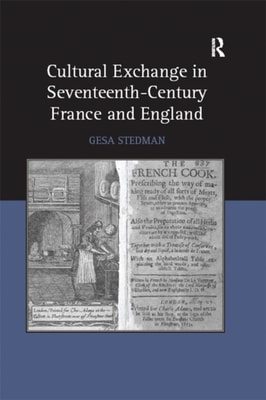
Gesa Stedman's ambitious new study is a comprehensive account of cross-channel cultural exchanges between seventeenth-century France and England, and includes discussion of a wide range of sources and topics.
Gesa Stedman's ambitious new study is a comprehensive account of cross-channel cultural exchanges between seventeenth-century France and England, and includes discussion of a wide range of sources and topics.