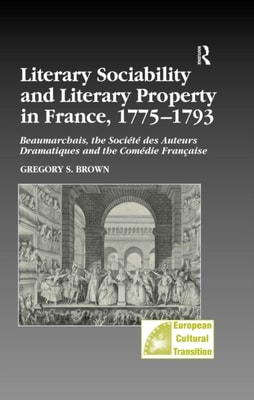
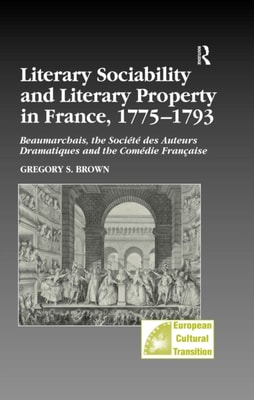
The first full-length, scholarly study of the Societe des auteurs dramatiques (SAD), this book describes the form, the meaning, the achievements, and the failures of the first professional association for creative writers in European history.
The first full-length, scholarly study of the Societe des auteurs dramatiques (SAD), this book describes the form, the meaning, the achievements, and the failures of the first professional association for creative writers in European history.
Drawing on broad research, this study explores the different social and theatrical masking activities in England during the Middle Ages and the early 16th century.
Drawing on broad research, this study explores the different social and theatrical masking activities in England during the Middle Ages and the early 16th century.
How various mythologies challenge, enable, and inspire women artists and activists across the globe to communicate personal and historical experiences of violence is the central concern of this collection.
How various mythologies challenge, enable, and inspire women artists and activists across the globe to communicate personal and historical experiences of violence is the central concern of this collection.
This first book-length study to trace the evolution of the comic old man in Italian and English Renaissance comedy shows how English dramatists adopted and reimagined an Italian model to reflect native concerns about and attitudes toward growing old.
This first book-length study to trace the evolution of the comic old man in Italian and English Renaissance comedy shows how English dramatists adopted and reimagined an Italian model to reflect native concerns about and attitudes toward growing old.
An examination of political and cultural acts of commemoration, this study addresses the way personal and collective loss is registered in prose, poetry and drama in early modern England.
An examination of political and cultural acts of commemoration, this study addresses the way personal and collective loss is registered in prose, poetry and drama in early modern England.
Performing Maternity in Early Modern England features essays that share a common concern with exploring maternity's cultural representation, performative aspects and practical consequences in the period from 1540-1690.
Performing Maternity in Early Modern England features essays that share a common concern with exploring maternity's cultural representation, performative aspects and practical consequences in the period from 1540-1690.
With the publication of Brian Gibbons's Jacobean City Comedy thirty-five years ago, the urban satires by Ben Jonson, John Marston and Thomas Middleton attained their 'official status as a Renaissance subgenre' that was distinct, by its farcical humour and ironic tone, from 'citizen comedy' or 'London drama' more generally.
With the publication of Brian Gibbons's Jacobean City Comedy thirty-five years ago, the urban satires by Ben Jonson, John Marston and Thomas Middleton attained their 'official status as a Renaissance subgenre' that was distinct, by its farcical humour and ironic tone, from 'citizen comedy' or 'London drama' more generally.
This study examines the performed poetry of Charlotte Mew, Anna Wickham, Edith Sitwell, Stevie Smith, Liz Lochhead, and Jackie Kay as an alternative radical tradition of British poetry, developed to convey women's experience.
This study examines the performed poetry of Charlotte Mew, Anna Wickham, Edith Sitwell, Stevie Smith, Liz Lochhead, and Jackie Kay as an alternative radical tradition of British poetry, developed to convey women's experience.
Considering major works by Kyd, Shakespeare, Middleton and Webster among others, this book transforms current understanding of early modern revenge tragedy.
Considering major works by Kyd, Shakespeare, Middleton and Webster among others, this book transforms current understanding of early modern revenge tragedy.
While Robert Greene was the most prolific and perhaps the most notorious professional writer in Elizabethan England, he continues to be best known for his 1592 quip comparing Shakespeare to "e;an upstart crow.
While Robert Greene was the most prolific and perhaps the most notorious professional writer in Elizabethan England, he continues to be best known for his 1592 quip comparing Shakespeare to "e;an upstart crow.
Drawing upon recent scholarship in Renaissance studies regarding notions of the body, political, physical and social, this study examines how the satiric tragedians of the English Renaissance employ the languages of sex - including sexual slander, titillation, insinuation and obscenity - in the service of satiric aggression.
Drawing upon recent scholarship in Renaissance studies regarding notions of the body, political, physical and social, this study examines how the satiric tragedians of the English Renaissance employ the languages of sex - including sexual slander, titillation, insinuation and obscenity - in the service of satiric aggression.
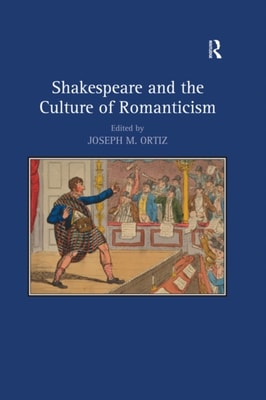
The idea of Shakespearean genius and sublimity is usually understood to be a product of the Romantic period, promulgated by poets such as Coleridge and Byron who promoted Shakespeare as the supreme example of literary genius and creative imagination.
The idea of Shakespearean genius and sublimity is usually understood to be a product of the Romantic period, promulgated by poets such as Coleridge and Byron who promoted Shakespeare as the supreme example of literary genius and creative imagination.
The period between 1585 (when Elizabeth formally committed her military support to the Dutch wars against Spain) and 1604 (when James at last brought it to an end) was one in which English life was preoccupied by the menace and actuality of war.
The period between 1585 (when Elizabeth formally committed her military support to the Dutch wars against Spain) and 1604 (when James at last brought it to an end) was one in which English life was preoccupied by the menace and actuality of war.
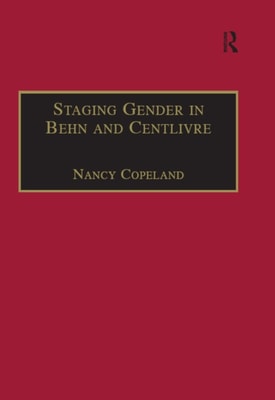
Staging Gender in Behn and Centlivre studies the representation of gender in four of the most important plays by the leading professional women playwrights of the late Stuart period.
Staging Gender in Behn and Centlivre studies the representation of gender in four of the most important plays by the leading professional women playwrights of the late Stuart period.
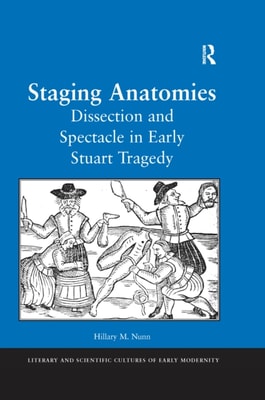
Bookending the chronology of this collection are two crucial moments in the histories of pain, trauma, and their staging in British theater: the establishment of secular and professional theater in London in the 1580s, and the growing dissatisfaction with theatrical modes of public punishment alongside the increasing efficacy of staging extravagant spectacles at the end of the eighteenth century.
Bookending the chronology of this collection are two crucial moments in the histories of pain, trauma, and their staging in British theater: the establishment of secular and professional theater in London in the 1580s, and the growing dissatisfaction with theatrical modes of public punishment alongside the increasing efficacy of staging extravagant spectacles at the end of the eighteenth century.