This book concerns the life and theatrical career of the great native-born English composer and musician of the eighteenth century, Thomas Augustine Arne (1710-1778).
In Staging Creolization, Emily Sahakian examines seven plays by Ina Cesaire, Maryse Conde, Gerty Dambury, and Simone Schwarz-Bart that premiered in the French Caribbean or in France in the 1980s and 1990s and soon thereafter traveled to the United States.
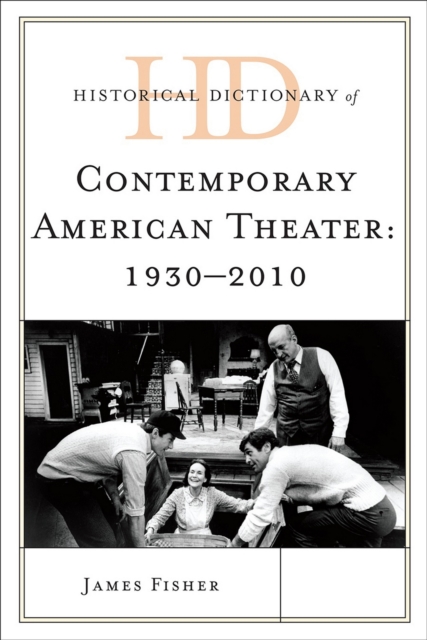
From legends like Eugene O'Neill, Tennessee Williams, and Arthur Miller to successful present-day playwrights like Neil LaBute, Tony Kushner, and David Mamet, some of the most important names in the history of theater are from the past 80 years.
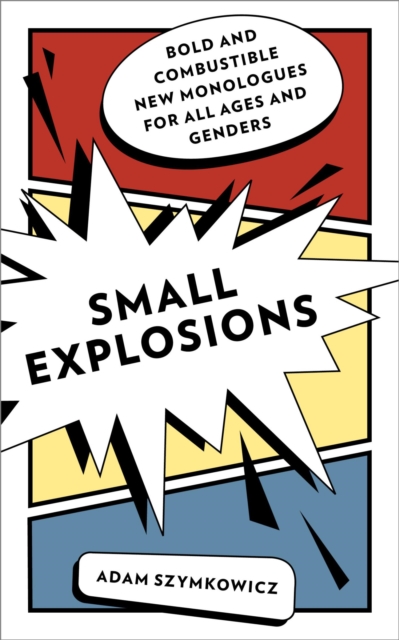
One minute: that's all the time an actor needs to make a scorching impression-to pull in an audience, make them care, laugh, cry, remind them that life is worth living, or help them forget that life is hard.
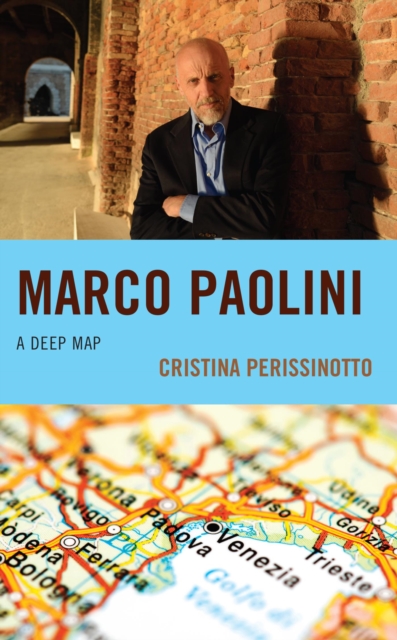
Marco Paolini: A Deep Map breaks new ground in the field of Italian political theatre by outlining the unique approach of one of Italy's most celebrated playwrights, Marco Paolini, whose work has hitherto remained mostly inaccessible to English-speaking audiences.
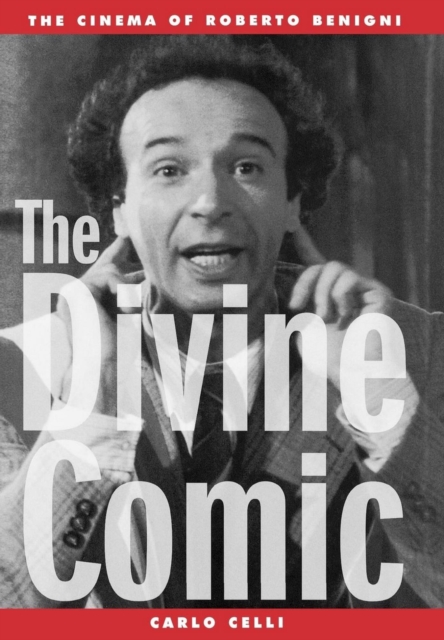
Roberto Benigni, the Italian comedian, actor, director, and writer, gained international fame when his film La vita e bella/ Life Is Beautiful (1997) won three Oscars in 1999, including Best Foreign Film and Best Actor.
All the Classroom's a Stage reveals how teachers can apply theater skills to the craft of teaching and enhance their ability to engage and motivate students, cultivate collaborative learning, and become stronger and more dynamic 'performers' in the classroom.
Female Amerindians in Early Modern Spanish Theater is a collection of essays that focuses on the female Amerindian characters in comedias based on the discovery, exploration, and conquest of America.
An introductory guide to Othello in performance offering a scene-by-scene theatrically aware commentary, contextual documents, a brief history of the text and first performances, case studies of key productions, a survey of screen adaptations, a sampling of critical opinion and further reading.
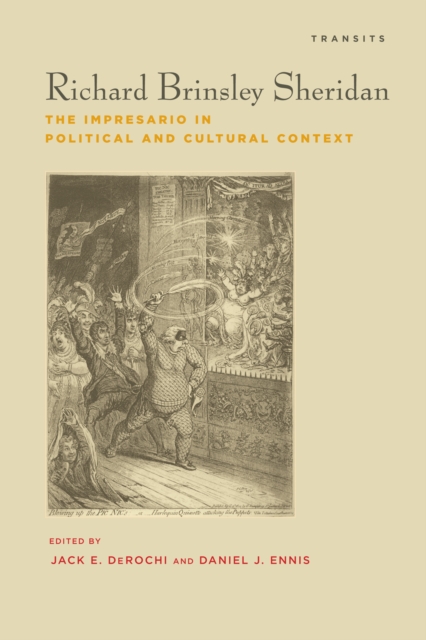
This new collection of essays on Richard Brinsley Sheridan brings the most important British playwright of the eighteenth century back to the forefront of literary and cultural studies of the era.
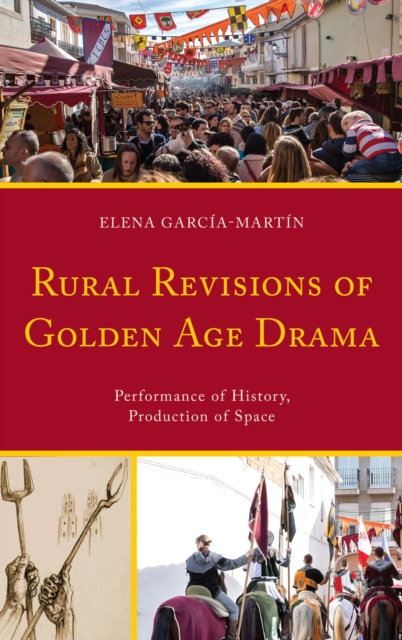
This work focuses on rural community versions of Spanish Early Modern Theatre and deals with cultural heritage and the contemporary impact of Golden Age theatre on local rural communities.
This important contribution to the Theatre And series explores what the possibilities and limits of 'community' contribute to our understanding of theatre, and what theatrical practice and representation reveal about the tensions inherent in community settings.
Marco Paolini: A Deep Map breaks new ground in the field of Italian political theatre by outlining the unique approach of one of Italy's most celebrated playwrights, Marco Paolini, whose work has hitherto remained mostly inaccessible to English-speaking audiences.
In 1928, Hilton Edwards and Micheal mac Liammoir founded the Dublin Gate Theatre, which quickly became renowned for producing stylistically and dramaturgically innovative plays in a uniquely avant-garde setting.
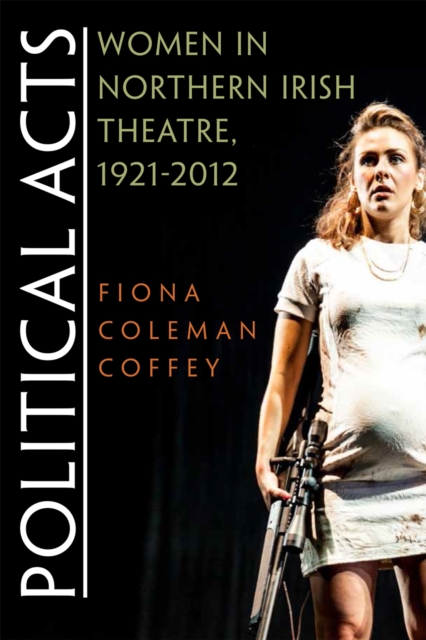
Since the establishment of the Northern Irish state in 1921, theatre has often captured and reflected the political, social, and cultural changes that the North has experienced.
At a time when expectations and assumptions about the delivery of services to children and adolescents are being reconfigured - for example, around the rights of children and adolescents as young citizens - adults are seeking to ensure that they deliver services in creative and empowering ways, ensuring that the opinions of young people are actively solicited and encouraged.
An invaluable companion which enables the reader to acquire and understand a vocabulary for discussion and critical thinking on all aspects of the subject.
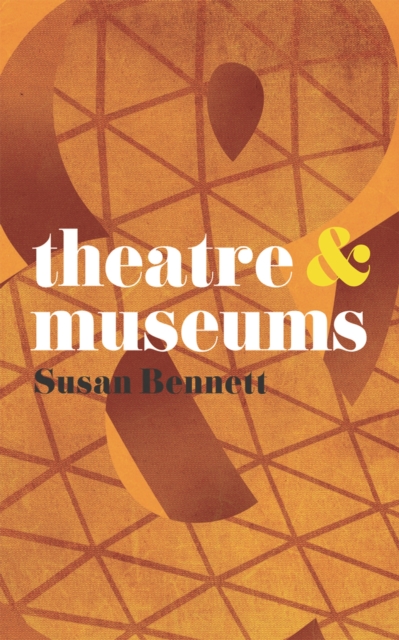
Bennett explores the relationship between theatre and museums, looking particularly at the collaborative processes that intertwine these two cultural practices.
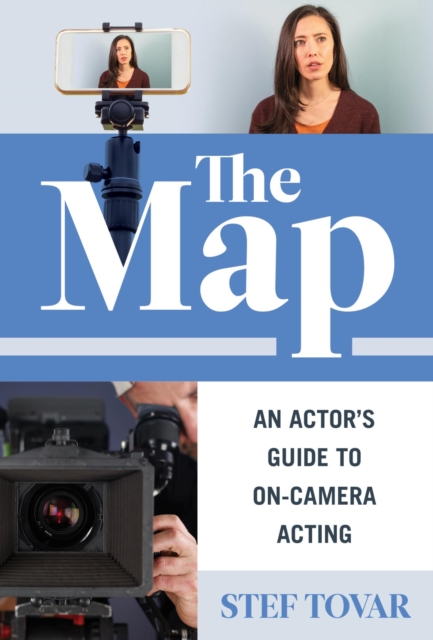
The MAP: An Actor's Guide to On-Camera Acting teaches on-camera acting in a practical and technical way-helping new actors understand the rules of on-camera acting as if they are learning a foreign language and applying that language to their acting skill set.
This revised edition incorporates plays accessible to students at high novice and intermediate levels, while retaining dramas that challenge and heighten the proficiency of the most advanced students.
This book analyzes the role of the theatrical simpleton in the pasos of the sixteenth-century playwright Lupe de Rueda, in Mario Moreno's character "e;Cantinflas,"e; and in the esquirol of the 1960s Actos of the Teatro Campesino.
It began as an artist's desperate desire to express himself inside a worldwide pandemic, but in one year's time it has grown into a theater industry and country-wide outlet for healing, grief, justice, and hope in the theater community.
The Cultural Politics of Twentieth-Century Spanish Theater argues that twentieth-century artists used the Golden Age Eucharist plays called autos sacramentales to reassess the way politics and the arts interact in the Spanish nation's past and present, and to posit new ideas for future relations between the state and the national culture industry.
The economic crisis in Argentina in 2001-2002 that spilled over into Uruguay causing fiscal and political problems is the starting point for my research on space and theater, and it demonstrates why we must look at the River Plate in both global and local ways.
Dealing mainly with the works of William Shakespeare, the essays in Close Readings without Readings reflect Stephen Booth's lifelong interest in uncovering the ways great literature works upon readers.
Breath in Action looks at the significance of breath to human life - not just the simple fact that if we stop breathing, we die, but also the more subtle ways in which our breath interacts with our voice and our being.
While over the past four hundred years numerous opinions have been voiced as to Shakespeare's identity, these eleven essays widen the scope of the investigation by regarding Shakespeare, his world, and his works in their interaction with one another.
The fifteen articles in this volume highlight the richness, diversity, and experimental nature of French and Francophone drama before the advent of what would become known as neoclassical French theater of the seventeenth century.