This concise book critically examines the intersection of power, privilege, and classical music in higher education through an extensive study of the experiences, training, and background of teachers of musical theatre singing.
The Routledge Companion to Performance and Medicine addresses the proliferation of practices that bridge performance and medicine in the contemporary moment.
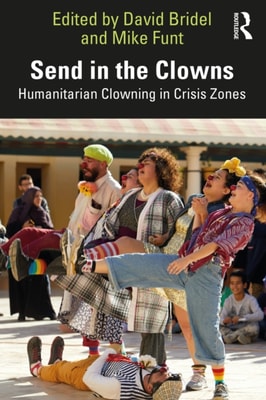
Send in the Clowns presents interviews with twenty-four pioneering humanitarian and activist clowns and thought leaders working in hospitals, refugee camps, orphanages and war zones, and at the sites of street protests and locations of social unrest across the world.
In honour of Doris Humphrey's centennial, which was celebrated worldwide in 1995, this issue explores her legacy to the world of dance and her place in history.
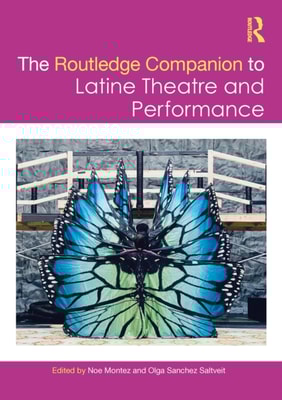
The Routledge Companion to Latine Theatre and Performance traces how manifestations of Latine self-determination in contemporary US theatre and performance practices affirm the value of Latine life in a theatrical culture that has a legacy of misrepresentation and erasure.
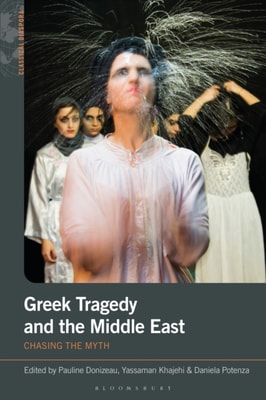
Employing the idea of interculturality to study Middle Eastern adaptations of Greek tragedy from the turn of 20th century until the present day, this book first explores the earlier phase of the development of Greek classical reception in Middle Eastern theatre.
The Routledge Companion to Performance and Medicine addresses the proliferation of practices that bridge performance and medicine in the contemporary moment.
The Improv Dictionary: An A to Z of Improvisational Terms, Techniques, and Tools explores improvisational approaches and concepts drawn from a multitude of movements and schools of thought to enhance spontaneous and collaborative creativity.
Theatre in Practice, third edition, is an accessible and wide-ranging exploration of the central practices and key practitioners covered on the various syllabi at A level, IB, and at undergraduate level.
The Improv Dictionary: An A to Z of Improvisational Terms, Techniques, and Tools explores improvisational approaches and concepts drawn from a multitude of movements and schools of thought to enhance spontaneous and collaborative creativity.
En este libro se expone la metodología del proceso de diseño de iluminación teatral a partir de un análisis estético de la luz considerando el estudio de los géneros del espectáculo que han formado la tradición occidental: el teatro, la ópera y el ballet, incluyendo los conciertos de música sinfónica.
La luz ha sido utilizada tempranamente como elemento expresivo en el teatro, concretamente desde mediados del siglo XVI, presentando un gran desarrollo en la iluminación escénica desde fines del siglo XIX.
La luz ha sido utilizada tempranamente como elemento expresivo en el teatro, concretamente desde mediados del siglo XVI, presentando un gran desarrollo en la iluminación escénica desde fines del siglo XIX.
The Waistcoat Workbook: Historical, Modern, and Genre Drafting of Waistcoats for Men and Women 1837-Present Day provides comprehensive coverage of the design, construction, and role of waistcoats from the reign of Queen Victoria to the present day in the United Kingdom.
In The Theatre and Its Double, first published in 1938, Antonin Artaud puts forward his radical theories on drama and theatre, which he saw as being stifled by conservatism and a lack of experimentation.
In The Theatre and Its Double, first published in 1938, Antonin Artaud puts forward his radical theories on drama and theatre, which he saw as being stifled by conservatism and a lack of experimentation.
The Mountaintop is published here as a Methuen Drama Student Edition, featuring notes and commentary by Harvey Young, Dean of the College of Fine Arts, Boston University, USA.
The Mountaintop is published here as a Methuen Drama Student Edition, featuring notes and commentary by Harvey Young, Dean of the College of Fine Arts, Boston University, USA.
In this book, we will address many plays, acting teams and roles that have passed without leaving a living heritage that affects our generation and future generations.
She was called ';the most beautiful girl in the world,' and during Hollywood's Golden Age of the 1930s and 1940s, she set standards of beauty and sophistication copied throughout the world during the three decades of her film career.