Political Performance in Syria, charts the history of a theatre that has sought the expansion of civil society and imagined alternate political realities.
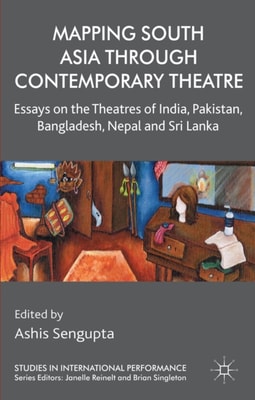
While remapping the region by examining enduring historical and cultural connections, this study discusses multiple traditions and practices of theatre and performance in five South Asian countries within their specific political and socio-cultural contexts.
Theatre's Heterotopias analyses performance space, using the concept of heterotopia: a location that, when apparent in performance, refers to the actual world, thus activating performance in its culture.
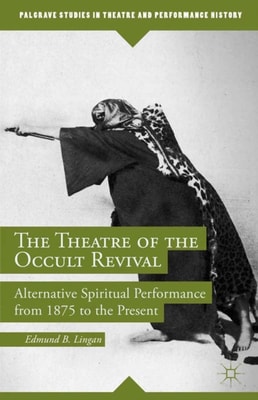
This book explores the religious foundations, political and social significance, and aesthetic aspects of the theatre created by the leaders of the Occult Revival.
Transatlantic Broadway traces the infrastructural networks and technological advances that supported the globalization of popular entertainment in the pre-World War I period, with a specific focus on the production and performance of Broadway as physical space, dream factory, and glorious machine.
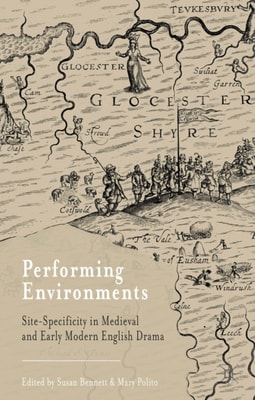
This ground-breaking collection explores the assumptions behind and practices for performance implicit in the manuscripts and playtexts of the medieval and early modern eras, focusing on work which engages with performance-oriented research.
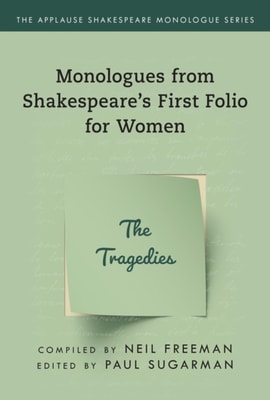
Curated from the Applause three-volume series, Once More unto the Speech, Dear Friends, edited by Neil Freeman, these monologue from Shakespeares works are given new life and purpose for todays readers and actors alike.
Das Buch erforscht die Beziehungsnetzwerke, die die Habima, eine in Moskau gegründete zionistische Theatergruppe, mit der kulturellen und wirtschaftlichen deutschjüdischen Elite in Berlin entwickelte.
In the theatre world, 'off book' signifies a deadline in the creative process: the date by which performers are to have memorised their lines and will no longer be allowed to carry their play script - the 'book' - on stage.
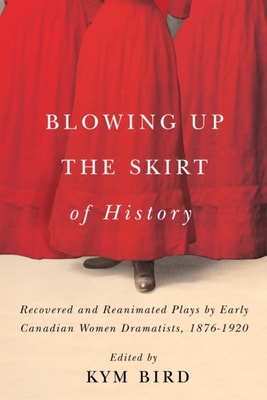
From history and politics to fantasy and farce, the first flourish of women's theatre in Canada questioned the discourses that formed and informed ideas of gender, sex, and sexuality.
One of the cultural phenomena to occur in Ireland in the last two decades has been the highly successful growth of stand-up comedy as a popular entertainment genre.
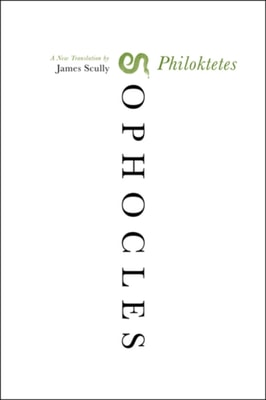
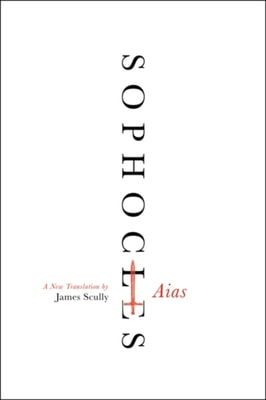
Among the most celebrated plays of ancient Athens, Philoketes is one of seven surviving dramas by the great Greek playwright, Sophocles, now available from Harper Perennial in a vivid and dynamic new translation by award-winning poet James Scully.
AIAS, translated by award-winning poet James Scully, is one of Sophocles's seven surviving works, and one of the most celebrated plays of ancient Athens.
Performing Ground explores camouflage as a performance practice, arguing that the act of blending into one's environment is central to the ways we negotiate our identities through space.
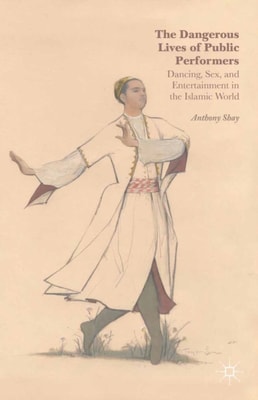
Examining performers from the ancient Mediterranean world to the modern Islamic Middle East, including India and Pakistan, Shay explores the careers, artistic performances, and legacies of these individuals who were forced to produce entertainment and art for, and have sex with, any and all patrons.
Text and Performance in Contemporary British Theatre interrogates the paradoxical nature of theatre texts, which have been understood both as separate literary objects in their own right and as material for performance.
Larry Silverberg, author of the revolutionary four book series The Sanford Meisner Approach: An Actor's Workbook now brings to you Workbook Three: Tackling the Text.
Shakespeare and Cultural Appropriation pushes back against two intertwined binaries: the idea that appropriation can only be either theft or gift, and the idea that cultural appropriation should be narrowly defined as an appropriative contest between a hegemonic and marginalized power.
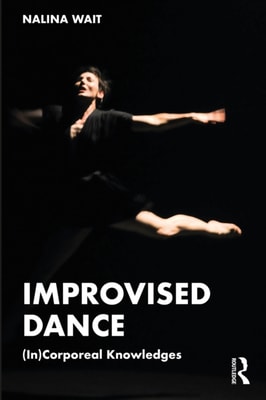
This book elucidates the technical aspects of improvised dance performance and reframes the notion of labour in the practice from one that is either based on compositionally formal logic or a mysterious impulse, to one that addresses the (in)corporeal dimensions of practice.
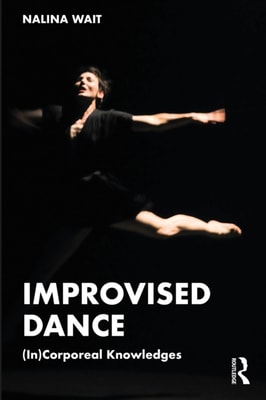
This book elucidates the technical aspects of improvised dance performance and reframes the notion of labour in the practice from one that is either based on compositionally formal logic or a mysterious impulse, to one that addresses the (in)corporeal dimensions of practice.
Help your 5th grader, middle school, or high school child build proficiency in US history with the activity-packed Mark Twain US Constitution Puzzles Activity Book!
Discover the life of John Lewis-a story for kids 6 to 9 about fighting for a better worldJohn Lewis was a civil rights leader and United States congressman who never stopped speaking up for justice, equality, and peace.
Reading the Past, Understanding the Present is a collection of essays written by students from nine European universities, who took part in the Strategic Partnership, "e;Facing Europe in Crisis: Shakespeare's World and Present Challenges,"e; aiming to promote historical understanding of the crises plaguing the contemporary Europe and the world.
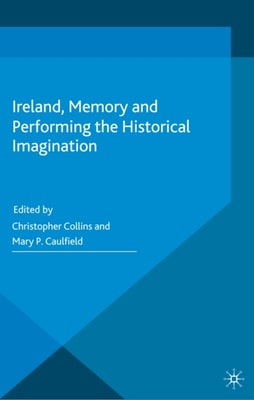
This book examines the relationship between moments of significant social change on the island of Ireland and performance practice during the twentieth and twenty-first centuries.
This book examines the relationship between moments of significant social change on the island of Ireland and performance practice during the twentieth and twenty-first centuries.
Live Digital Theatre explores the experiences of Interdisciplinary Performing Arts practitioners working on digital performance and in particular live digital theatre.