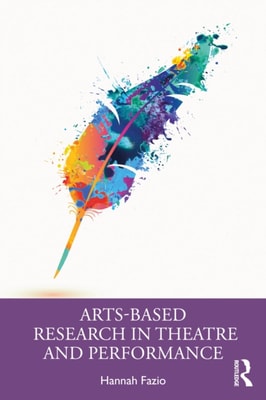
The first half of 'Playboys' is a series of production histories of Playboy performances through the twentieth century in the UK, Northern Ireland, the USA, and Ireland.
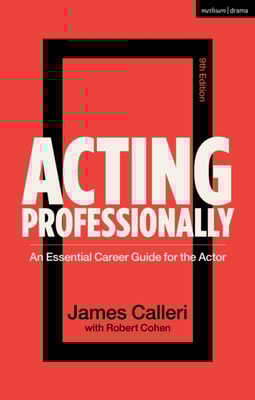
Filled with essential advice and highlighting pitfalls to avoid, Acting Professionally gives a clear understanding of how acting careers are built and sustained.
Many actors treat their profession as a purely artistic endeavor, rarely conceding that there is more to making a living than simply showing up on stage or in front of a camera.
He is a writer and professor of philosophy at the University of Tlemcen, editor-in-chief of the philosophical magazine Minerva, a member of the scientific bodies of many Algerian philosophical journals, and a member of the Athens Academy for Educational Philosophical Research.
"Esta gran obra de obras es un puzzle donde cada una de ellas remite a una situación diferente, pero continúa con remesones interiores de la anterior que preludian lo que viene en la siguiente.
Epicentro de la avanzada artística argentina de los años sesenta, el Instituto Di Tella ocupa un lugar destacado en el campo teatral argentino del período.
El recorrido histórico de este libro visibiliza, en diferentes contextos, la presencia escénica de cuestionamientos al binarismo de género imperante y destaca un elemento ignorado por las historias teatrales hasta el presente: la emergencia de la disidencia sexual en las artes escénicas durante los años 60 y sus intentos por desplazarse de la patologización de décadas anteriores.
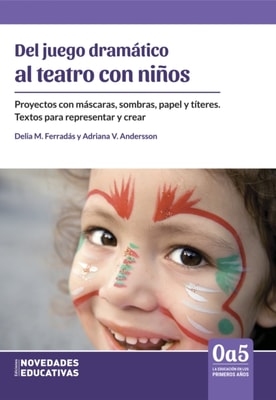
Las autoras invitan a un recorrido por el teatro en todas sus formas y con todas sus voces: teatro infantil, de títeres, de sombras y de papel o kamishibai.
"Pensar la gestión de las artes escénicas: escritos de un gestor" es el segundo libro de la colección Ser / Estar / Acción, dirigida por Paula Brusca De Giorgio.
Mercado teatral y cadena de valor de Raúl Santiago Algán, prologado por por Alejandro Casavalle, cuenta con un estudio preliminar de Paula Travnik y Miguel Angel Ludueña.
Through a contemporary Gothic lens, the book explores theatre theories, processes and practices that explore; the impacts of continuing drought and natural disaster, the conflicts concerning resource extraction and mining and current political debates focussed on climate change denial.
This book adopts a refreshing approach by examining Hokkien theatre in a region connected by maritime networks, notably southern Fujian, Taiwan, Kinmen and Singapore.
This book adopts a refreshing approach by examining Hokkien theatre in a region connected by maritime networks, notably southern Fujian, Taiwan, Kinmen and Singapore.
This book critically engages with the study of theatre and performance in colonial India, and relates it with colonial (and postcolonial) discussions on experience, freedom, institution-building, modernity, nation/subject not only as concepts but also as philosophical queries.
[…] Al igual que otras prácticas, el teatro fue utilizado como arma de lucha, instrumento básico para la toma de conciencia y preparación ideológica del pueblo, fuerza motriz de la revolución.
El presente documento es, en principio, la reconstrucción de la trayectoria intelectual del actor, director, dramaturgo y teórico del teatro colombiano Santiago García.
Novela y dramaturgia es el resultado de una investigación teórico-práctica sobre el hacer teatral que propone un recorrido por campos artísticos que han llevado a replantear la puesta en escena hasta la actualidad.
Se resalta en esta obra la importancia del conocimiento y el dominio de las herramientas básicas de la actuación y cómo estas dimensionan el arte de los títeres y desde luego el oficio del actor como eje fundamental del hecho escénico.
Este libro es el resultado de una rigurosa investigación, correspondiente a una larga praxis metódica, allegando procesos pedagógicos, deportivos y artísticos, desarrollados por más de tres décadas en distintas instituciones educativas de la ciudad de Cali, clasificando, adaptando, sistematizando y comprobando dinámicas corporales con estudiantes en diferentes etapas de desarrollo y desde diversos enfoques y aplicaciones.
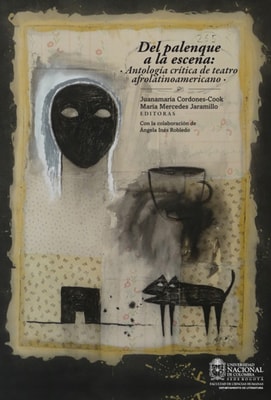
El objetivo del presente volumen ha sido reunir una selección de obras de teatro que trajeran a escena la experiencia vital y el imaginario de los afrodescendientes en América Latina.
"Este libro, encierra el concepto de viaje, que en este caso constituye el camino incierto de algo planeado que se hace realidad solamente en el momento de su ejecución y, por lo general, viene acompañado de experiencias únicas e intransferibles, no previstas o extra cotidianas.
A traves de diferentes ensayos y entrevistas el lector encontrara la manera como se ha ido generando una teorizacion alrededor de creaciones escenicas (que podrian denominarse esteticas escenicas contemporaneas) y la forma en que el cuerpo se ha llevado a escena a traves del uso de diferentes herramientas tecnologicas.
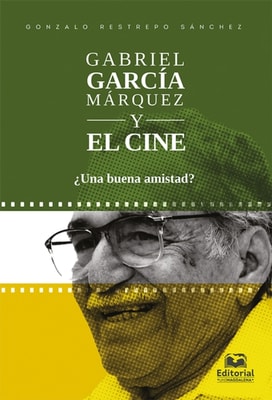
Tomando como idea esencial en la obra garciamarquiana las nociones del realismo mágico y del movimiento cinematográfico "neorrealismo italiano", que circunscribe los años anteriores y posteriores al fin de la Segunda Guerra Mundial (1939-1945), el texto Gabriel García Márquez y el cine ¿Una buena amistad?
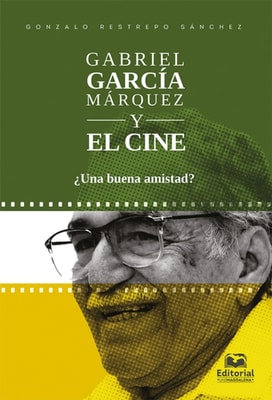
Tomando como idea esencial en la obra garciamarquiana las nociones del realismo mágico y del movimiento cinematográfico "neorrealismo italiano", que circunscribe los años anteriores y posteriores al fin de la Segunda Guerra Mundial (1939-1945), el texto Gabriel García Márquez y el cine ¿Una buena amistad?