This volume begins with the assumption that "e;Hindu"e; should not be conflated with "e;Indian"e; (as in the case of Orientalist criticism of Indian theatre) and that modern Indian theatre need not have its starting point in classical Sanskrit drama (as many Indologists would assert).
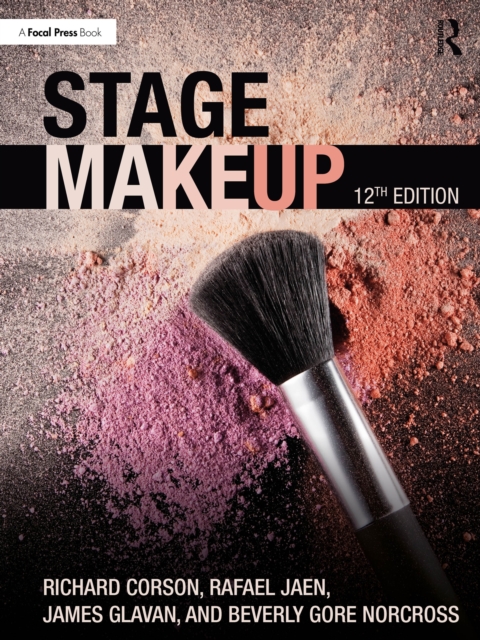
Widely referred to as the "e;bible of stage makeup"e; and now in its 12th edition, Stage Makeup addresses principles and techniques in the use of makeup for the contemporary performer including new trends and allied fields.
Widely referred to as the "e;bible of stage makeup"e; and now in its 12th edition, Stage Makeup addresses principles and techniques in the use of makeup for the contemporary performer including new trends and allied fields.
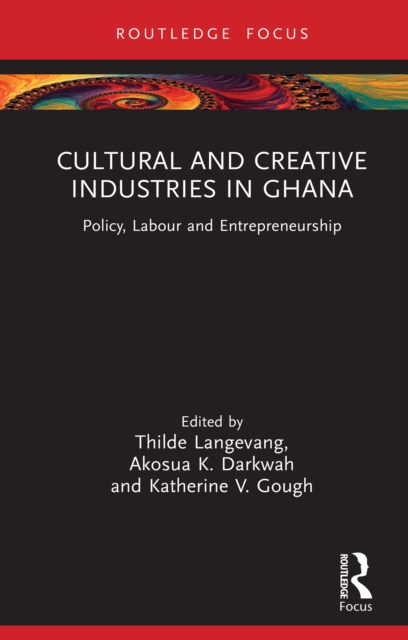
This book examines the rapid growth and rising global visibility of Africa's cultural and creative industries (CCIs) and how they are reshaping debates on economic and cultural development across the continent.
Mental Health Coordination for Stage and Screen explores and defines the role ofthe mental health coordinator in theatre, film, and television, offering traumainformed,evidence-based frameworks that strengthen safety, connection, andwell-being throughout the creative process.
Performing Paradise offers a groundbreaking reassessment of one of the most influential yet misunderstood theatrical experiments of the twentieth century.
Performing Paradise offers a groundbreaking reassessment of one of the most influential yet misunderstood theatrical experiments of the twentieth century.
This book examines the rapid growth and rising global visibility of Africa's cultural and creative industries (CCIs) and how they are reshaping debates on economic and cultural development across the continent.
Randai, the popular folk theater tradition of the Minangkabau ethnic group in West Sumatra, has evolved to include influences of martial arts, storytelling, and folk songs.
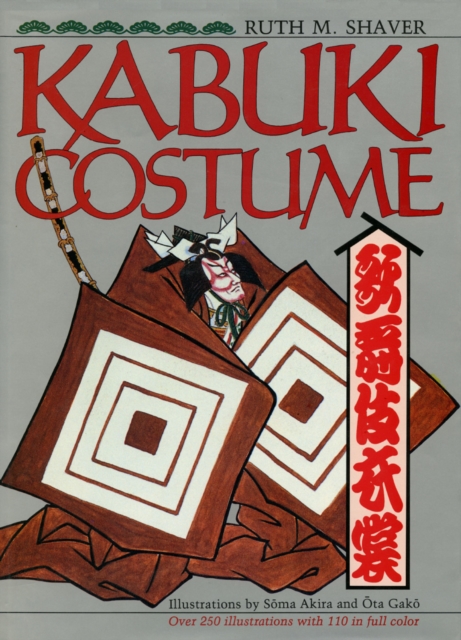
The attire of the feudal lords and ladies of old Japan, warriors, priest, courtesans, Edo-period dandies geisha, footmen, farmers in fact, the whole array of Kabuki's colorful characters-is discussed in fascinating detail in this Japanese Kabuki book.
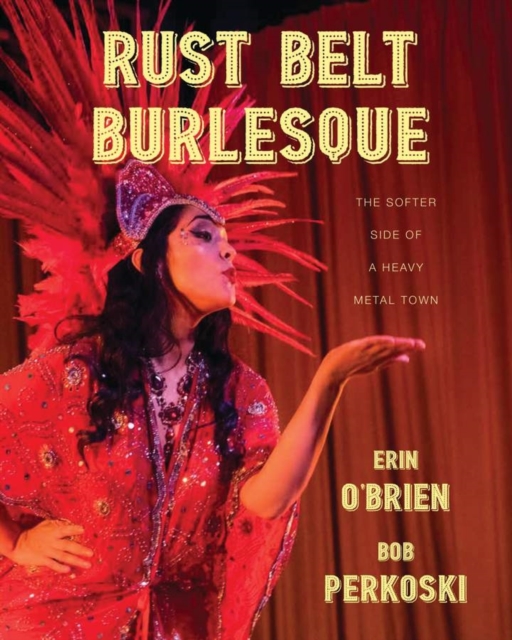
The performance art of burlesque, once a faded form, has made a comeback in the twenty-first century, and it has shimmied back to life with a vengeance in Cleveland.
This book explores how virtual reality (VR) can be used to examine perceptual differences in neurodivergent individuals, particularly those with autism and ADHD, by introducing a new methodological framework.
Starting from the assumption that all theater is at least implicitly participatory, Professor Whitaker approaches thirteen plays, from Ibsen's Rosmersholm to Beckett's Endgame and Stoppard's Rosencrantz and Guildenstern Are Dead.
A pioneer of stage naturalism, David Belasco has come to be universally recognized as one of the first important directors in the history of the American stage.
Besides documenting the predominant presence of privileged patrons in the audience, the author discusses the shape of the privileged life, the place of the privileged in the social structure, the forces that drew so many of them to London, and the factors that made them such avid theatergoers.
This book is a comprehensive study of the customary practices of English players of the period--how they lived and worked and were paid, organized, and cast for parts in the phenomenally popular theaters of England.
Unlike the contrast between the sacred and the taboo, the opposition of "e;comic"e; and "e;tragic"e; is not a way of categorizing experience that we find in cultures all over the world or even at different periods in Western civilization.
This interdisciplinary book of twelve chapters explores not only Shakespeare, but also more than Shakespeare, including the contemporary adaptation of plays and novels represented on screen, stage, and streaming media.
This interdisciplinary book of twelve chapters explores not only Shakespeare, but also more than Shakespeare, including the contemporary adaptation of plays and novels represented on screen, stage, and streaming media.
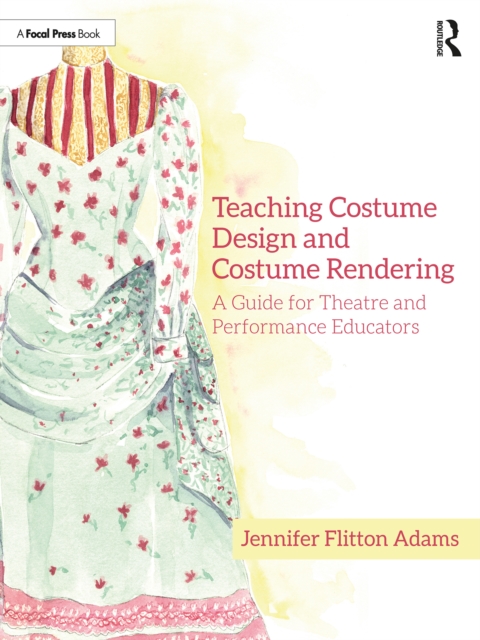
Teaching Costume Design and Costume Rendering: A Guide for Theatre and Performance Educators clarifies the teaching process for Costume Design and Costume Rendering courses and offers a clear and tested path to success in the classroom.
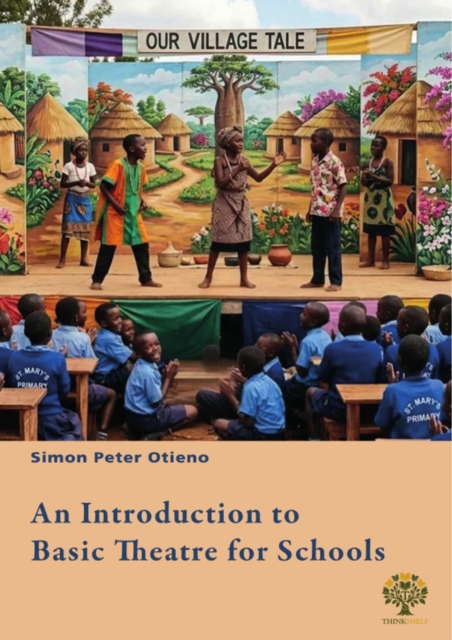
Non-fiction book from the year 2026 in the subject ThinkShelf: Non-fiction books, , language: English, abstract: "e;An Introduction to Basic Theatre for Schools"e; offers a comprehensive and structured introduction to the fundamental principles of theatre within an educational context.
An extraordinary drama of flight and rescue arising from women's resistance to marriage, The Suppliants is surprising both for its exotic color and for its forceful enactment of the primal struggle between male and female, lust and terror, brutality and cunning.
Elizabeth Belfiore offers a striking new interpretation of Aristotle's Poetics by situating the work within the Aristotelian corpus and in the context of Greek culture in general.
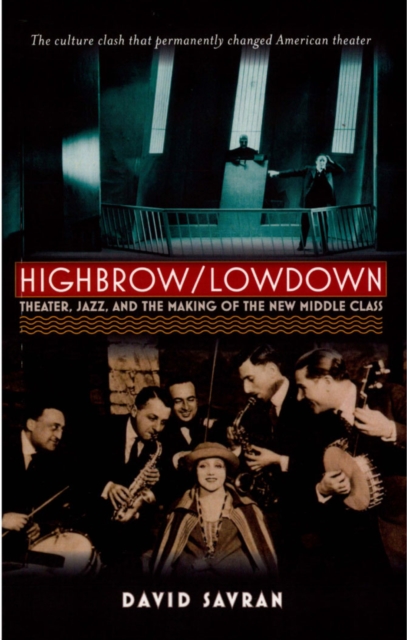
Highbrow/Lowdown explores the twentieth century's first culture war and the forces that permanently transformed American theater into the art form we know today.
Highbrow/Lowdown explores the twentieth century's first culture war and the forces that permanently transformed American theater into the art form we know today.
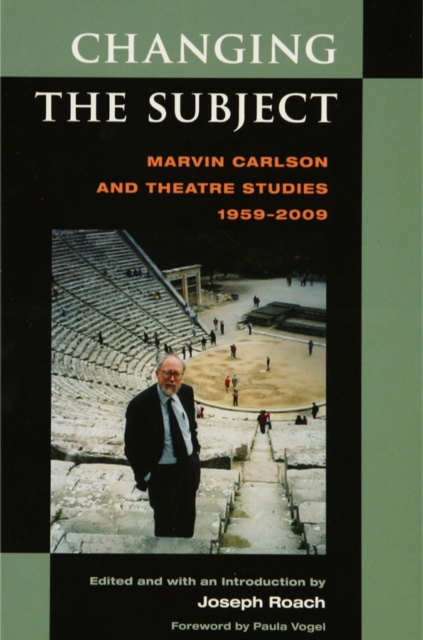
The new field of theatre studies changed rapidly in the post-World War II, post-Sputnik expansion of higher education, driven by the expressive urgencies of the baby boom and the ferment of the revolutionary 1960s.
The new field of theatre studies changed rapidly in the post-World War II, post-Sputnik expansion of higher education, driven by the expressive urgencies of the baby boom and the ferment of the revolutionary 1960s.
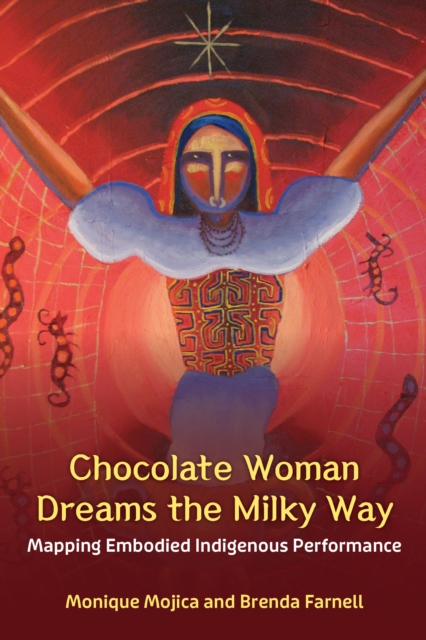
This volume documents the creation of Chocolate Woman Dreams the Milky Way, a play written and performed by Monique Mojica with collaborators from diverse disciplines.
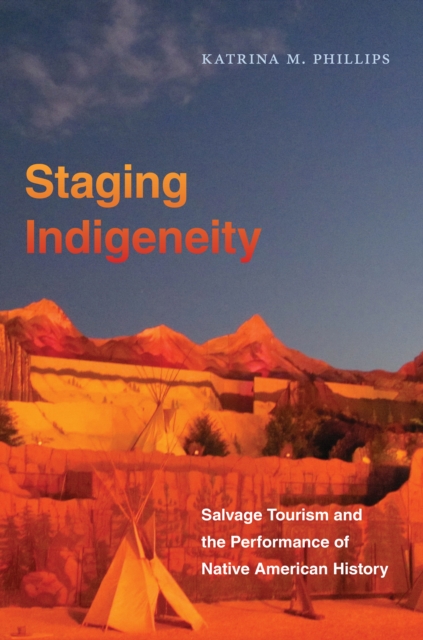
As tourists increasingly moved across the United States in the late nineteenth and early twentieth centuries, a surprising number of communities looked to capitalize on the histories of Native American people to create tourist attractions.