This book explores the textured process of rewriting and revising theatrical works in the Spanish-speaking Caribbean as both a material and metaphorical practice.
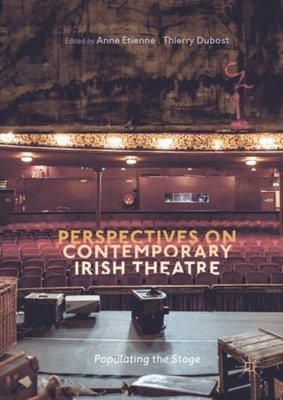
This book addresses the notion posed by Thomas Kilroy in his definition of a playwright's creative process: 'We write plays, I feel, in order to populate the stage'.
This book brings together the fields of theatre, gender studies, and psychology/sociology in order to explore the relationships between what happens when women engage in violence, how the events and their reception intercept with cultural understandings of gender, how plays thoughtfully depict this topic, and how their productions impact audiences.
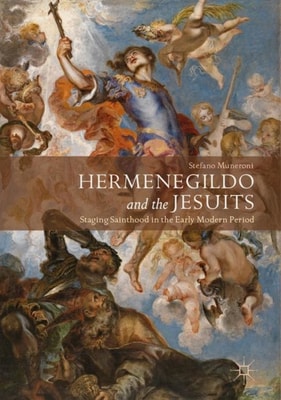
This book explores the cultural conditions that led to the emergence and proliferation of Saint Hermenegildo as a stage character in the sixteenth and seventeenth centuries.
This book offers the first broad-based survey of the way artists, audiences and society at large are making use of social media, and how the emergence of social media platforms that allow two-way interaction between these groups has been held up as a 'game changer' by many in the theatre industry.
This book theorizes the baroque as neither a time period nor an artistic style but as a collection of bodily practices developed from clashes between governmental discipline and artistic excess, moving between the dramaturgy of Jesuit spiritual exercises, the political theatre-making of Angelo Beolco (aka Ruzzante), and the civic governance of the Venetian Republic at a time of great tumult.
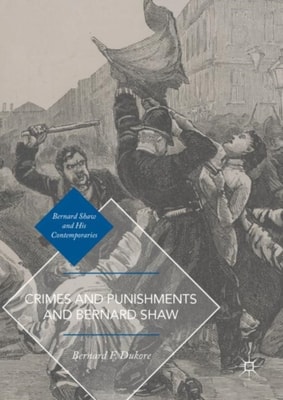
This book explores Bernard Shaw's journalism from the mid-1880s through the Great War-a period in which Shaw contributed some of the most powerful and socially relevant journalism the western world has experienced.
This book investigates how, alongside Beatrice Webb's ground-breaking pre-World War One anti-poverty campaigns, George Bernard Shaw helped launch the public debate about the relationship between equality, redistribution and democracy in a developed economy.
This book examines how the Cold War had a far-reaching impact on theatre by presenting a range of current scholarship on the topic from scholars from a dozen countries.
This collection of essays centres on Double Falsehood, Lewis Theobald's 1727 adaptation of the "e;lost"e; play of Cardenio, possibly co-authored by John Fletcher and William Shakespeare.
This book asserts the extraordinary quality of mid-twentieth century playwright Terence Rattigan's dramatic art and its basis in his use of subtext, implication, and understatement.
This book reveals for the first time the import of a huge network of connections between Tennessee Williams and the country closest to his heart, Italy.
This book explores the cultural conditions that led to the emergence and proliferation of Saint Hermenegildo as a stage character in the sixteenth and seventeenth centuries.