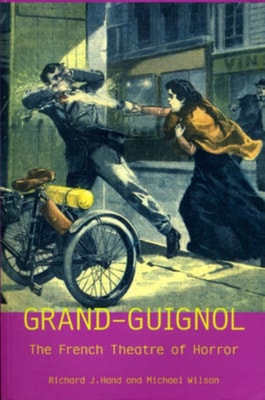
The Theatre du Grand-Guignol in Paris (1897 - 1962) achieved a legendary reputation as the 'Theatre of Horror' a venue displaying such explicit violence and blood-curdling terror that a resident doctor was employed to treat the numerous spectators who fainted each night.
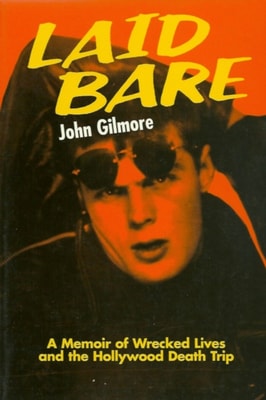
A powerful chronicler of the American Nightmare through his gripping examinations of near-mythic Southern California murders (the Black Dahlia, Tate-La Bianca), John Gilmore now draws upon his personal experiences to turn his sights on our morbid obsession with Celebrity and the ruinous price it extracts from those who would pursue it.
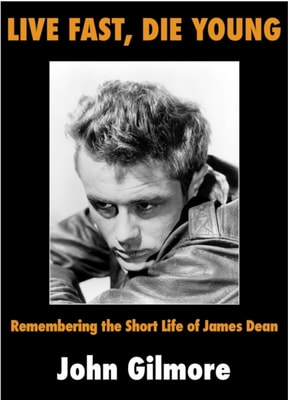
Live Fast, Die Young: Rembering the Short Life of James Dean is a first - revealing James Dean from the inside out by someone who knew him intimately, in more ways than one.
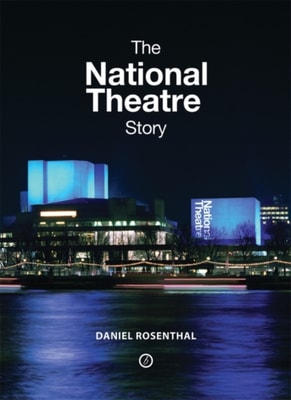
Winner of the STR Theatre Book Prize 2014The National Theatre Story is filled with artistic, financial and political battles, onstage triumphs and the occasional disaster.
In this collection of seven provocative essays, acclaimed theatre director and playwright Mick Gordon argues that the theatre represents a physical corollary of the invisible workings of our minds.
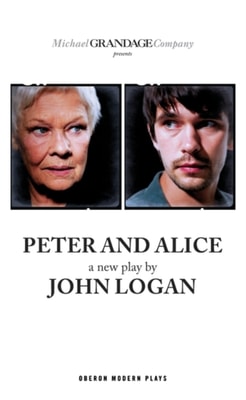
'Of course that's how it begins: a harmless fairy tale to pass the hours'When Alice Liddell Hargreaves met Peter Llewelyn Davies at the opening of a Lewis Carroll exhibition in 1932, the original Alice in Wonderland came face to face with the original Peter Pan.
The Live Art Almanac Volume 3 is a collection of ‘found’ writings about and around Live Art that were originally published, shared, sent, spread and read between January 2010 and December 2011.
Programme Notes: Case Studies For Locating Experimental Theatre is a collection of commissioned essays, case studies and interviews reflecting the exciting and complex relationships between ‘mainstream’ stages and ‘experimental’ theatre practices.
'A book that will stand the test of time' Pierce BrosnanAn essential guide to the Stanislavski technique, filtering out the complexities of the system and offering a dynamic, hands-on approach.
Modern Voice: Working with Actors on Contemporary Text has been designed to follow on from Catherine s previous book, Classic Voice: Working with Actors on Vocal Style, focusing on the less defined demands within contemporary drama.
Acting: Cut the Crap, Cue the Truth fills a gap in the drama school curriculum, tackling many areas which are unaddressed during training and discussing issues that are more often than not hushed up afterwards.
Wesker On Theatre is a collection of essays by one of Britain's most well-known, prolific and controversial writers, which explores his thoughts on drama and the theatre gained from a writing career that spans fifty years.
"e;There is a mystery in every play that is written, no matter whether classical and poetic or modern and demotic, and it is the sound and the rhythm of the writing which take us there.
This practical handbook takes us on a step-by-step journey from pre-production through the rehearsal process, followed by focused advice on each genre from comedy to tragedy, Shakespeare to new plays and musicals.
“I try to follow the rule laid down by perhaps the greatest translator of all, John Dryden, who maintained that a translator should – and I paraphrase – make the version as entertaining as possible, while at the same time remaining as faithful as possible to the spirit of the original” – Ranjit Bolt.