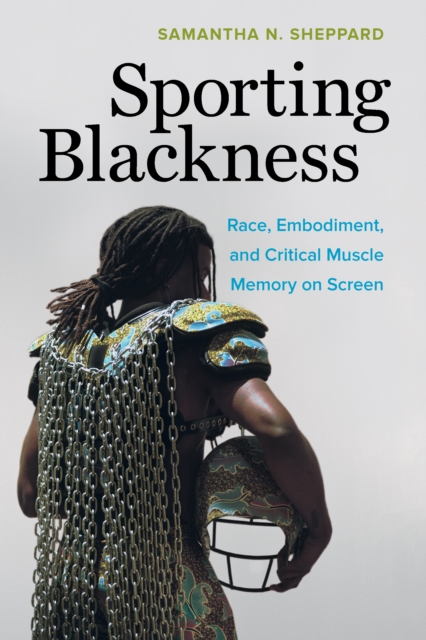
Sporting Blackness examines issues of race and representation in sports films, exploring what it means to embody, perform, play out, and contest blackness by representations of Black athletes on screen.
This succinct and engaging text rethinks the common wisdom that festivals, sites of collective celebration and play, provide a temporary reprieve from the grind of everyday, 'real' life.
Sporting Blackness examines issues of race and representation in sports films, exploring what it means to embody, perform, play out, and contest blackness by representations of Black athletes on screen.
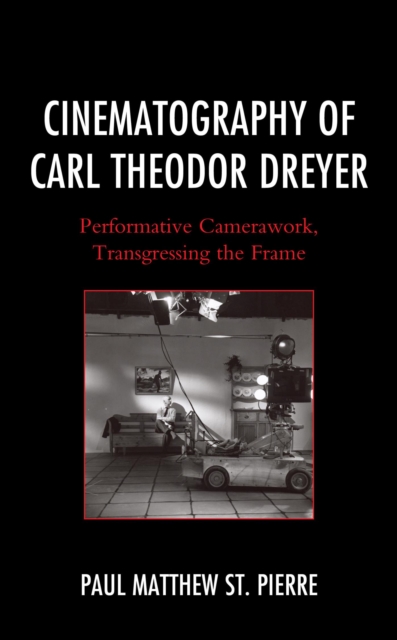
Legendary Danish filmmaker Carl Theodor Dreyer (3 February 1889-20 March 1968) was born in Copenhagen to a single mother, Josefine Bernhardine Nilsson, a Swede.
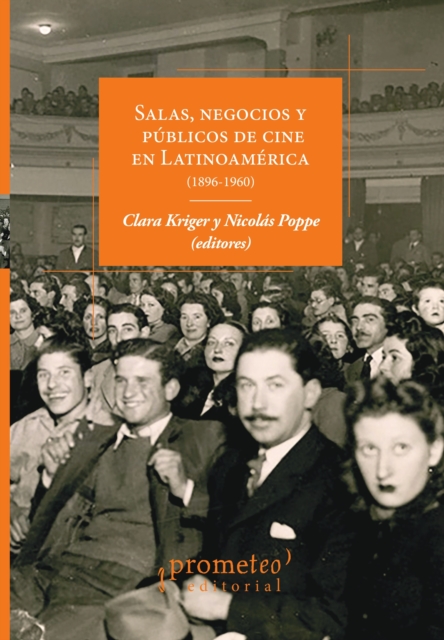
Salas, negocios y públicos de cine en Latinoamérica, 1896-1960 nos brinda claves para aventurarnos a una mirada más compleja de las sociedades del siglo XX, cuando el cine se constituía en una experiencia cultural que ocupaba el centro de la escena; y lo hace considerando la necesidad de situar espacial y temporalmente nuestras tradiciones académicas sobre el tema para no reproducir viejas, y no tan viejas, prácticas de dependencia intelectual que obliteran los aportes teóricos y artísticos latinoamericanos.
This new edition of The Only Astrology Book Youll Ever Need is packed with updated information on Sun signs, Moon signs, Ascending signs, the placement of Planets in your Houses, and the latest astronomical discoveries.
This complete companion to the study of drama, theatre and performance studies is an essential reference point for students undertaking or preparing to undertake a course either at university or at drama school.
Providing a career-spanning view of everyone's favorite geek writer and director, Joss Whedon FAQ offers answers to fans' questions about one of the most significant pop culture auteurs of the past twenty-five years.
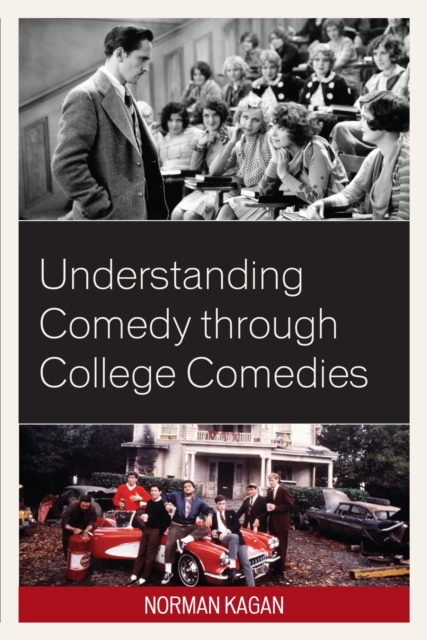
Understanding Comedy through College Comedies explains the nature of comedy through the study of college comedy films, including classics (College, The Freshman); romantic/screwball comedies (Where the Boys Are, Ball of Fire, Sterile Cuckoo); famous comedian comedies (Horse Feathers, The Nutty Professor, The Klumps); intergenerational college comedies (That's My Boy, Back to School, Old School); social comedies (The Graduate, Breaking Away, Risky Business); political comedies (Getting Straight, Strawberry Statement, Last Supper); ethnic comedies (School Daze, Soul Man, How High); and college farces (Charlie's Aunt, Animal House, Revenge of the Nerds, Slackers).
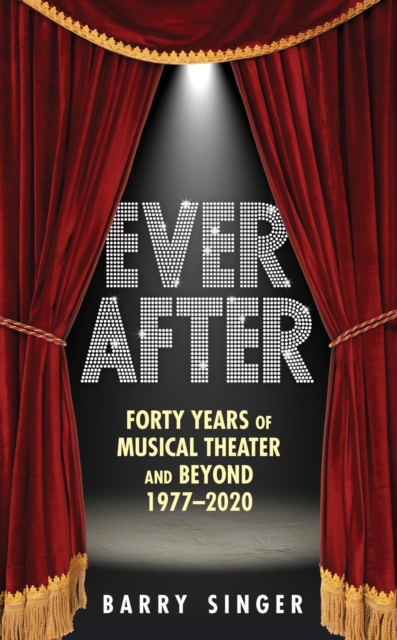
Written by Barry Singer-one of contemporary musical theater's most authoritative chroniclers-Ever After was originally published in 2003 as a history of the previous twenty-five years in musical theater, on and off Broadway.
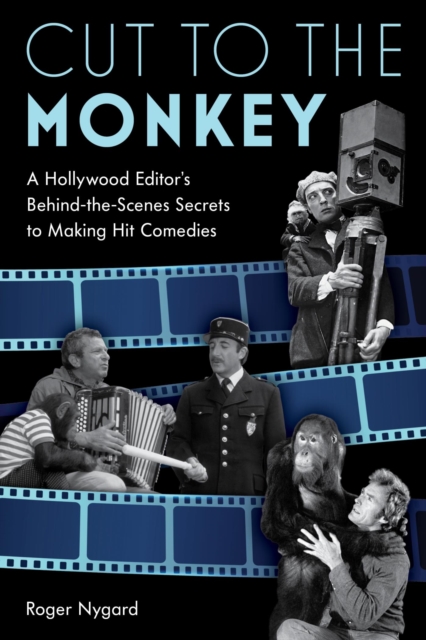
Cut to the Monkey is the story of a filmmaker's journey through Hollywood-revealing the techniques behind how the experts find the funny in any project-by a filmmaker who has worked with some of the funniest people in the business and has edited Emmy-nominated episodes from series such as Curb Your Enthusiasm, Veep, and Who Is America?
LineStorm Playwrights contributed to and curated this anthology of twenty-five short plays designed to be performed outdoors, written by some of the most well-known playwrights creating ten-minute plays today.
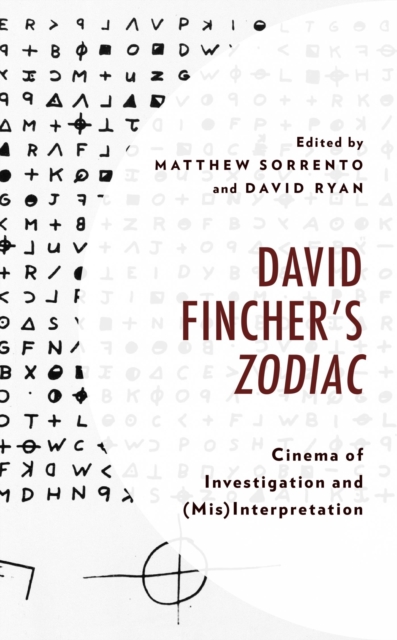
David Fincher's Zodiac (2007), written by producer James Vanderbilt and adapted from the true crime works of Robert Graysmith, remains one of the most respected films of the early twenty-first century.
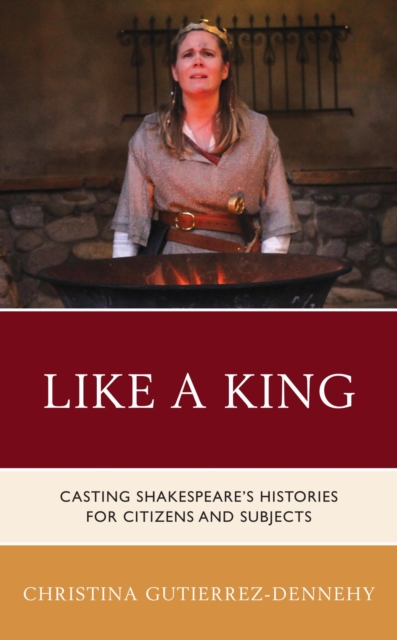
Like a King: Casting Shakespeare's Histories for Citizens and Subjects is a dual examination of Shakespeare's history plays in their early modern production contexts and of the ways the histories can speak directly to twenty-first-century American political and social concerns.
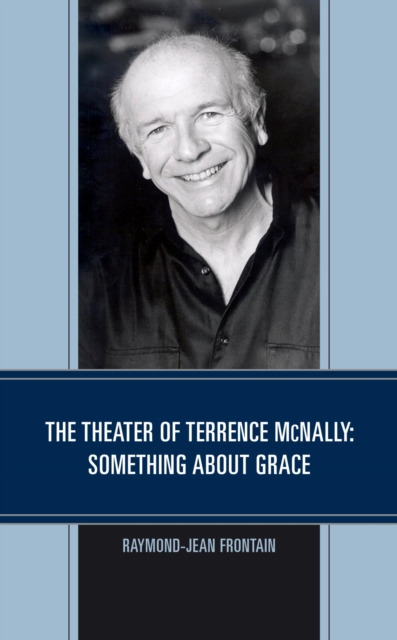
Terrence McNally's canon of plays, books for musicals and opera libretti possesses such a breadth of subject matter and diversity of dramatic modes that critics have had difficulty assessing his accomplishment.
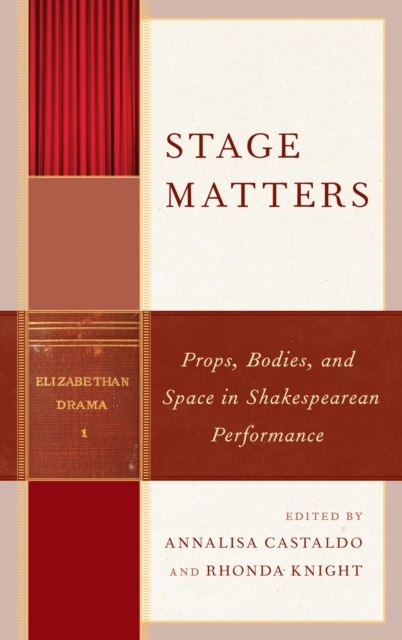
The collection, edited by Annalisa Castaldo and Rhonda Knight, features essays by scholars interested in exploring how the material culture of sixteenth and early seventeenth English theatrical culture influenced the creation and presentation of drama and how understanding this culture can enrich scholars' current interactions with these plays as well as offer insights to actors and directors.
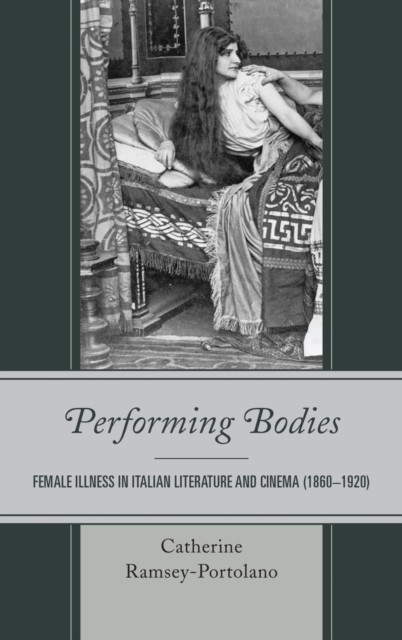
Performing Bodies: Female Illness in Italian Literature and Cinema (1860-1920) explores the variations in the portrayal of female illness in Italian fin de siecle literature and early cinema.
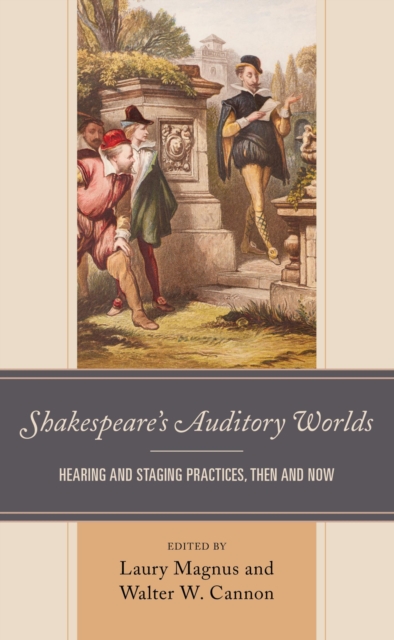
Inspired by the verbal exuberance and richness of all that can be heard by audiences both on and off Shakespeare's stages, Shakespeare's Auditory Worlds examines such special listening situations as overhearing, eavesdropping, and asides.
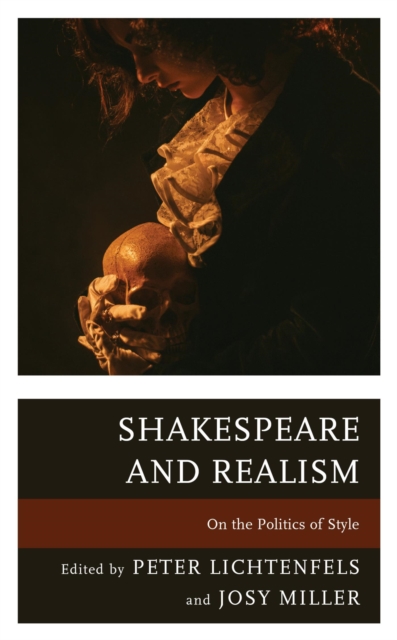
This collection of essays examines the works of the most famous writer of plays in the English language within the most culturally pervasive genre in which they are performed.
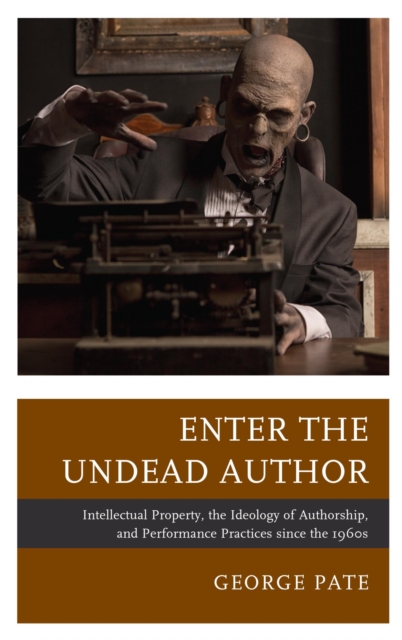
Many narratives of theater history suggest that the 1960s marked the start of a turning away from traditional, script-based, playwright-centric production practices.
Legendary Danish filmmaker Carl Theodor Dreyer (3 February 1889-20 March 1968) was born in Copenhagen to a single mother, Josefine Bernhardine Nilsson, a Swede.
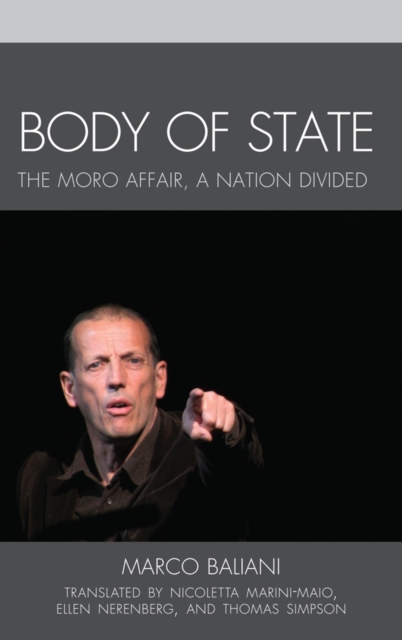
Body of State offers a translation of Marco Baliani's acclaimed dramatic monologue, Corpo di stato, concerning the 1978 kidnapping and assassination of Italian Prime Minister Aldo Moro by the terrorist Red Brigades.
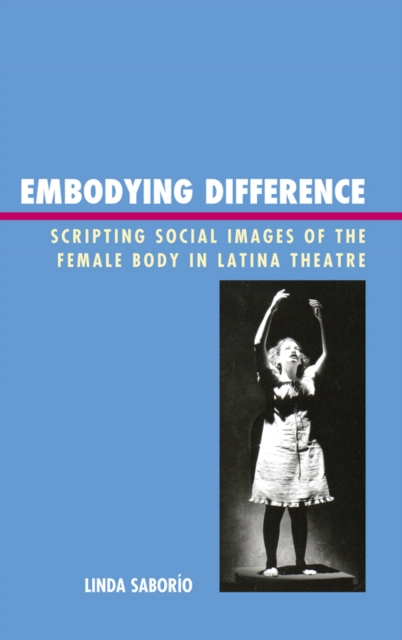
Embodying Difference: Scripting Social Images of the Female Body in Latina Theatre explores contemporary theatrical productions by Latina dramatists in the United States and focuses on the effects that neoliberal politics, global market strategies, gender formation, and racial and ethnic marginalization have had on Latinas.
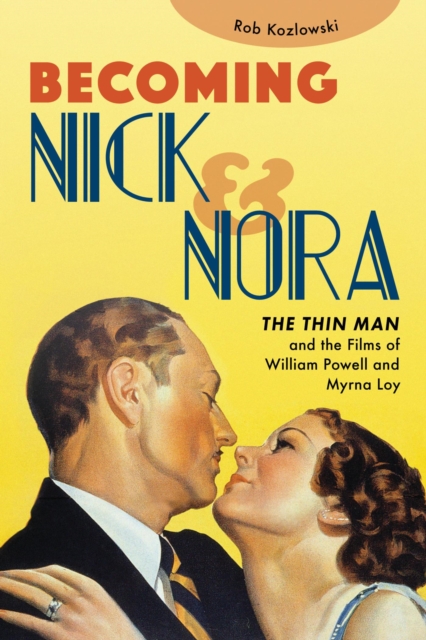
As Nick and Nora Charles in the six Thin Man movies from 1934 to 1947, the team of William Powell and Myrna Loy showed that marriage didn't have to mean the end of the romantic comedy.
As Nick and Nora Charles in the six Thin Man movies from 1934 to 1947, the team of William Powell and Myrna Loy showed that marriage didn't have to mean the end of the romantic comedy.
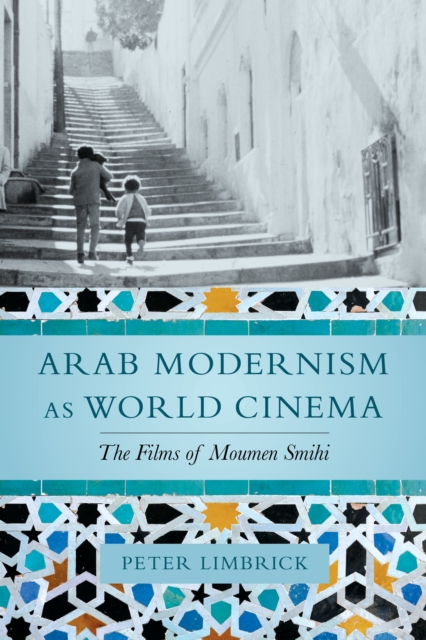
Arab Modernism as World Cinema explores the radically beautiful films of Moroccan filmmaker Moumen Smihi, demonstrating the importance of Moroccan and Arab film cultures in histories of world cinema.