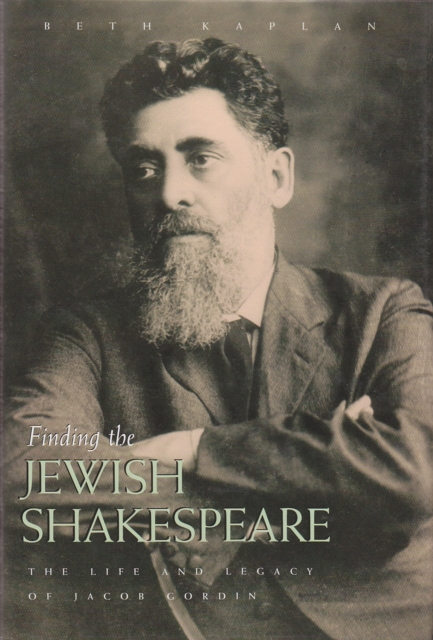
Born of an Anglican mother and a Jewish father who disdained religion, Kaplan knew little of her Judaic roots and less about her famed great-grandfather until beginning her research, more than twenty years ago.
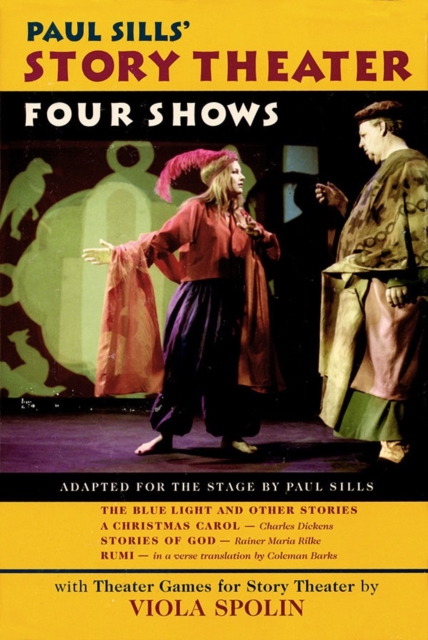
The creator of Story Theater, the original director of Second City, and one of the greatest popularizers of improvisational theater, Paul Sills has assembled some of his favorite adaptations from world literature.
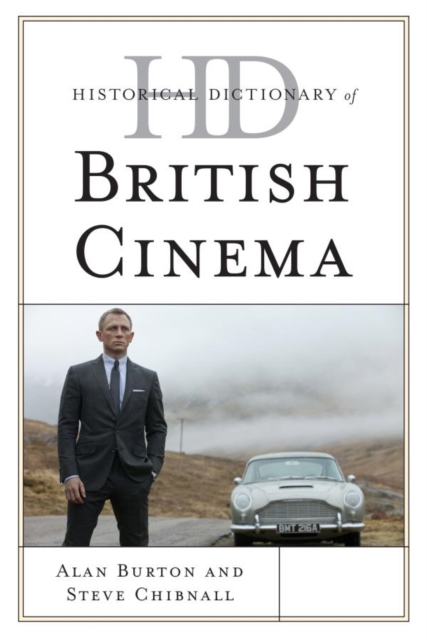
British cinema has been around from the very birth of motion pictures, from black-and-white to color, from talkies to sound, and now 3D, it has been making a major contribution to world cinema.
Asian American literature is one of the most recent forms of ethnic literature and is already becoming one of the most prominent, given the large number of writers, the growing ethnic population from the region, the general receptivity of this body of work, and the quality of the authors.
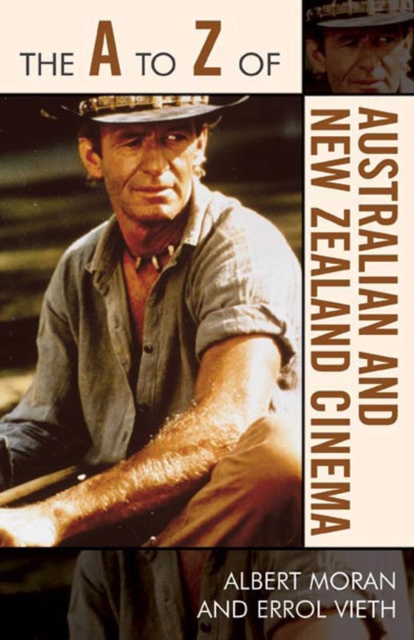
Whether it was Jane Campion's The Piano, Mel Gibson in Mad Max, Paul Hogan in Crocodile Dundee, or The Lord of the Rings saga, we have all experienced the cinema of Australia and New Zealand.
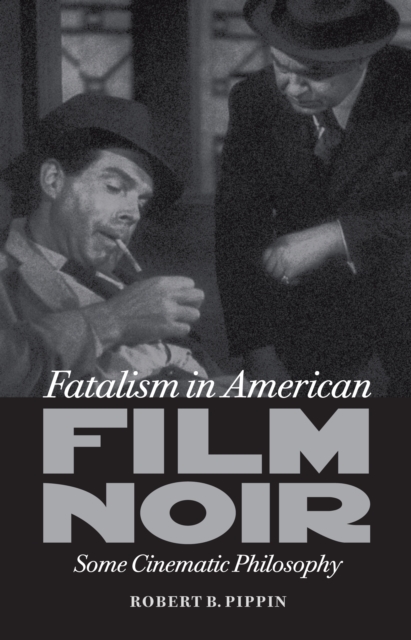
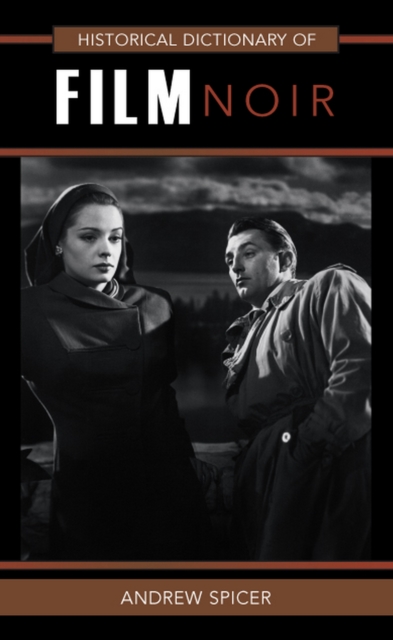
The crime melodramas of the 1940s known now as film noir shared many formal and thematic elements, from unusual camera angles and lighting to moral ambiguity and femmes fatales.
In 1977, Star Wars blazed across the screen to become one of the highest grossing and most beloved movies of all time, spawning an unprecedented merchandising phenomenon.
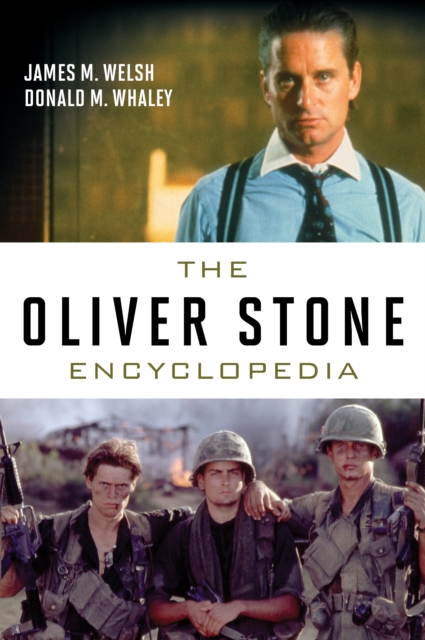
Oliver Stone has written and directed many memorable films while also developing a reputation for tackling controversial subjects, such as the Turkish prison system (Midnight Express), the Vietnam war (Platoon and Born on the Fourth of July), insider trading (Wall Street), presidential assassination (JFK), and a voyeuristic media (Natural Born Killers).
Twelve novels and nine short stories define one of the most extraordinary fictional characters of all time, creating the basis for the most successful movie series in cinematographic history, watched by more than half the world's population.
Ridgeway (Reggie) Callow began his film career in the early 1930s and for four decades worked as an assistant director on some of the most memorable films in Hollywood history.
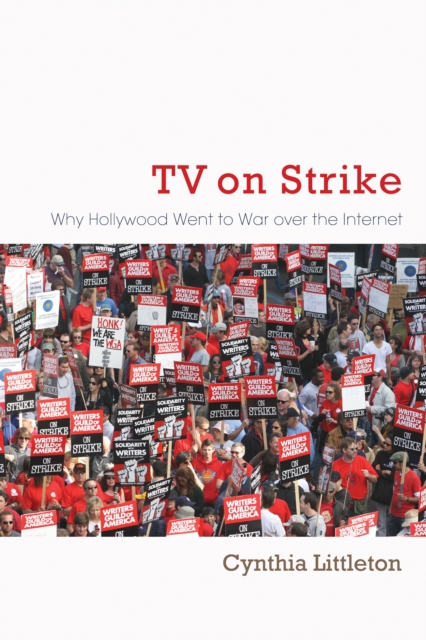
TV on Strike examines the upheaval in the entertainment industry by telling the inside story of the hundred-day writers' strike that crippled Hollywood in late 2007 and early 2008.
As they transition into adulthood, many American boys and young men spend a considerable amount of time engaging in physical sports, playing violent video games, and watching action movies, including war films.
When the earliest filmgoers watched The Great Train Robbery in 1903, many of them shrieked in terror at the very last clip when one of the outlaws turns directly toward the camera and fires a gun, seemingly, directly at the audience.
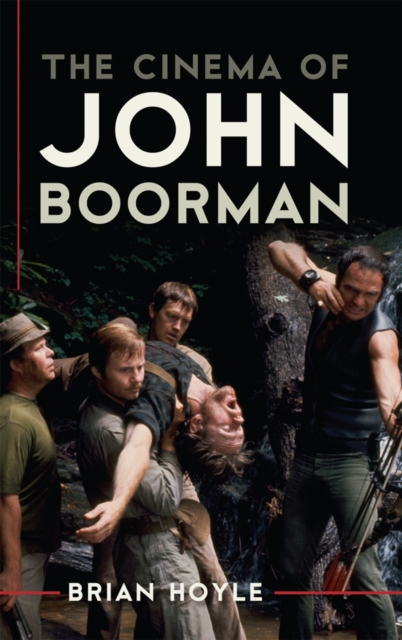
John Boorman has written and directed more than 25 television and feature films, including such classics as Deliverance, Point Blank, Hope and Glory, and Excalibur.
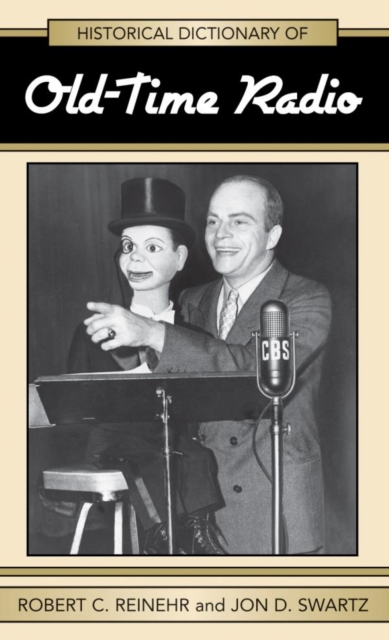
The term Old Time Radio refers to the relatively brief period from 1926, when the National Broadcasting Company first began network broadcasting, until approximately 1960, when television became the dominant communication medium in the United States.
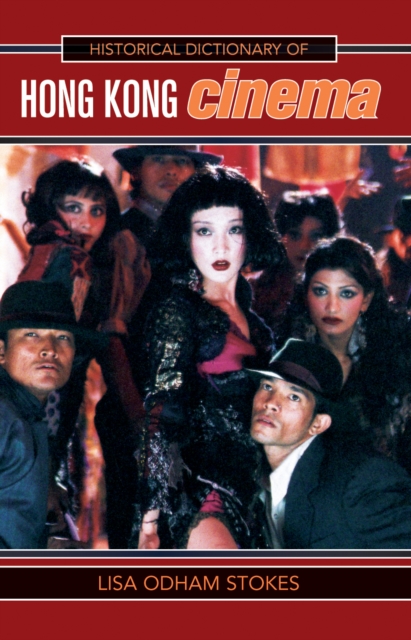
Despite the industry being shutdown by two world wars, having its martial arts films dismissively labeled as "e;chopsocky,"e; and operating on shoestring budgets, the films of Hong Kong have been praised and imitated all over the world.
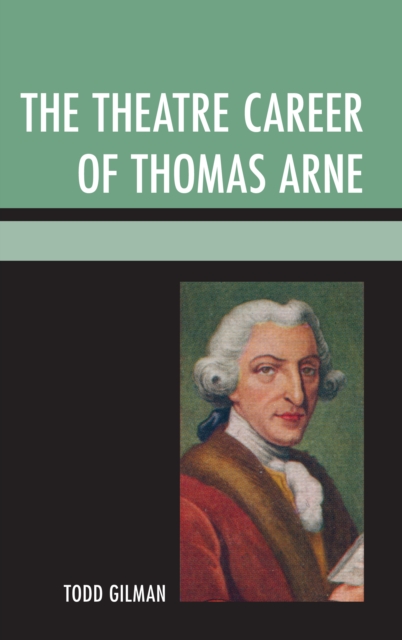
This book concerns the life and theatrical career of the great native-born English composer and musician of the eighteenth century, Thomas Augustine Arne (1710-1778).
From All Quiet on the Western Front and Gone with the Wind to No Country for Old Men and Slumdog Millionaire, many of the most memorable films have been adapted from other sources.
An invaluable resource for general readers investigating climate change, this book examines the impact of climate change on popular culture and analyzes how writers and directors treat the disasters caused by climate change in their novels and films.
This book presents the Great Depression through the lens of 13 films, beginning with movies made during the Depression and ending with films from the 21st century, and encourages readers to examine the various depictions of this period throughout history.
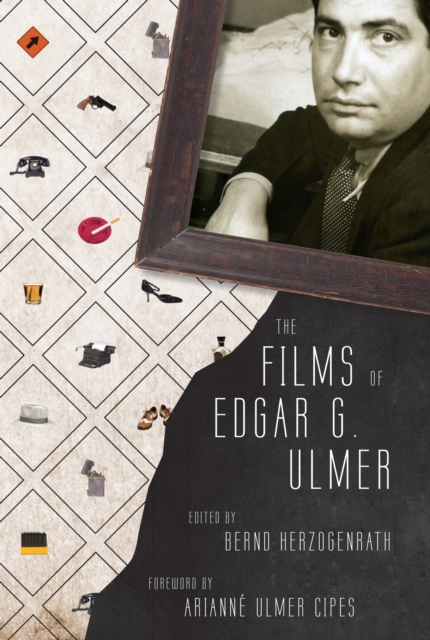
Film noir-literally "e;black cinema"e;-is the label customarily given to a group of black and white American films, mostly crime thrillers, made between 1940 and 1959.
This title provides a broad overview of how women are portrayed and treated in America's news and entertainment industries, including film, television, radio, the internet, and social media.
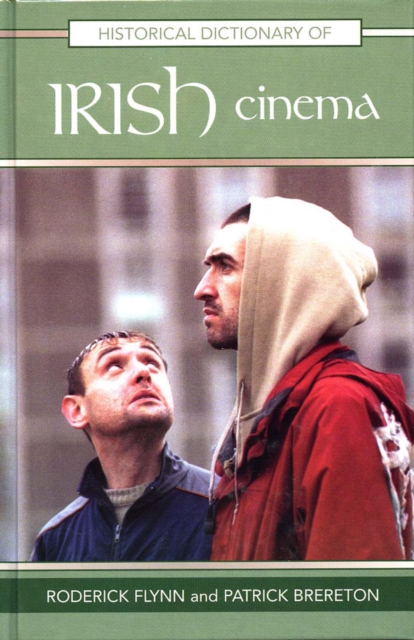
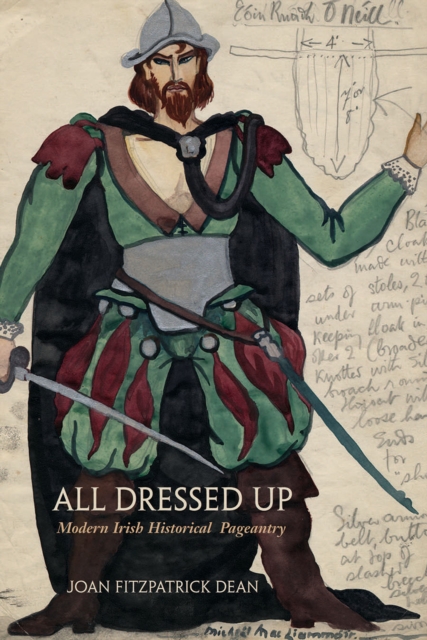
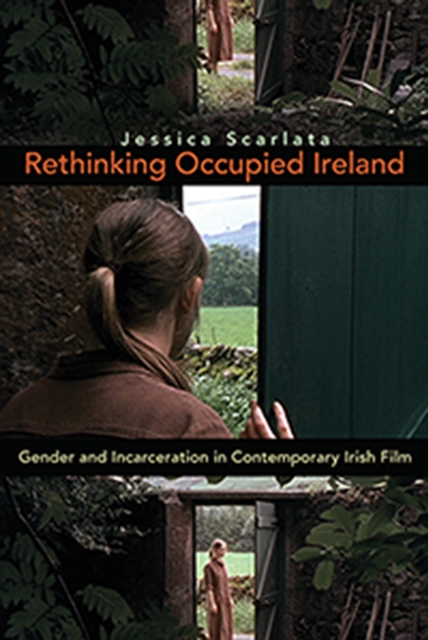
In the early twentieth century, publicly staged productions of significant historical, political, and religious events became increasingly popular-and increasingly grand-in Ireland.
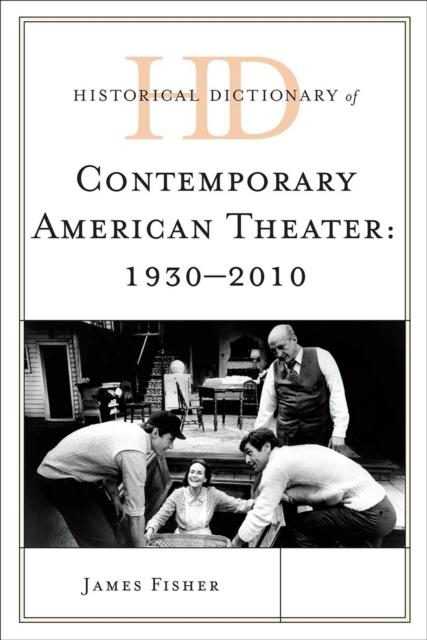
From legends like Eugene O'Neill, Tennessee Williams, and Arthur Miller to successful present-day playwrights like Neil LaBute, Tony Kushner, and David Mamet, some of the most important names in the history of theater are from the past 80 years.
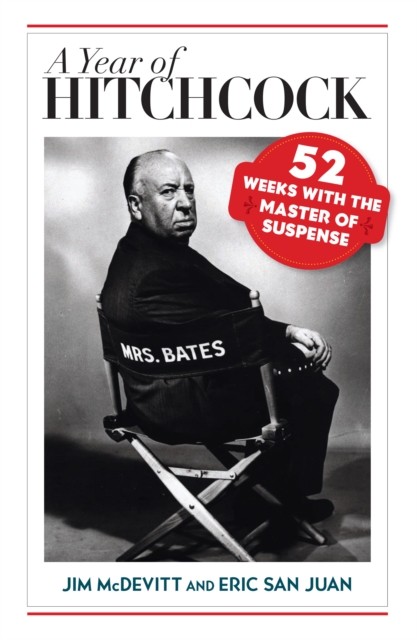
Alfred Hitchcock's career spanned more than five decades, during which he directed more than 50 films, many of them indisputable classics: Notorious, Strangers on a Train, Rear Window, Vertigo, North by Northwest, and Psycho, among others.